
Common Loon Secrets Revealed: Why One of North America's Most Iconic Birds Faces New Challenges in 2026
Common Loon Narrated Documentary - Cinematic Journey of Loons with Babies in Maine - Harry Collins Photography
Key Points
The Common Loon is one of North America's most recognizable waterbirds.
Scientists have discovered that Common Loons do not mate for life as previously believed.
Loons communicate using a complex system of calls and can recognize individual birds.
Research shows Common Loon populations have declined in parts of Canada and the northern United States since the early 2000s.
Climate change is considered one of the leading threats to loon populations.
Mercury contamination, reduced water clarity, habitat changes, and shifting fish populations may affect breeding success.
Conservation efforts have produced positive results in some regions, including Maine.
Researchers continue to study the causes behind long-term population declines.
advertisement
The Common Loon (Gavia immer) is one of North America's most fascinating and recognizable birds, famous for its haunting calls, striking black-and-white breeding plumage, and exceptional diving abilities. Found across lakes and waterways throughout Canada and the northern United States during the breeding season, the species has long captured the imagination of birdwatchers and nature enthusiasts. However, recent scientific research has revealed that there is far more to these birds than previously believed.
According to recent research highlighted by the American Birding Association in 2025, Common Loons do not actually mate for life, despite a long-standing belief that breeding pairs remain together permanently. Studies using colored leg bands showed that individual loons often change partners over time, averaging several different mates during a decade. However, researchers found that breeding pairs generally remain faithful throughout each nesting season.
Scientists have also uncovered a surprisingly dramatic side of loon behavior. Territorial disputes can become extremely aggressive, with competing loons sometimes injuring or even killing rivals during battles over breeding territories. Researchers have documented numerous scarred birds carrying evidence of past conflicts, demonstrating that survival and territory ownership play critical roles in loon reproduction.
Another remarkable discovery is the complexity of loon communication. Common Loons possess multiple distinct call types and can recognize individual birds by their vocalizations. Researchers have observed that loons react differently to familiar neighbors compared with unfamiliar intruders, suggesting advanced social recognition abilities. During late summer, groups of loons may gather in large social assemblies where dozens of birds peacefully interact, although scientists are still investigating the purpose of these gatherings.
Despite their resilience and adaptability, recent studies have raised concerns about the species' future. Long-term monitoring programs in Canada and parts of the United States have documented declines in breeding success and population growth since the early 2000s. Researchers found that fewer chicks are surviving to adulthood compared with previous decades. Similar patterns have been observed in regions such as Ontario and northern Wisconsin, prompting extensive investigations into the causes.
Experts believe that climate change may be one of the most significant drivers behind these trends. Rising temperatures, more frequent flooding, drought conditions, and changing weather patterns can alter lake ecosystems in ways that affect loon survival. Increased sediment runoff reduces water clarity, making it more difficult for loons to locate and catch fish. Climate-related environmental changes may also increase mercury contamination within aquatic food chains, exposing loons to harmful toxins that can impact reproduction and chick development.
Researchers are also examining additional threats, including shoreline development, human disturbance, lead fishing tackle, pollution, diseases, predation, and changes in fish availability during winter migration periods. Since Common Loons spend much of the non-breeding season along Atlantic and Pacific coastlines as well as the Gulf of Mexico, shifts in ocean temperatures and marine food supplies could further influence their survival.
There is encouraging news as well. Conservation programs in several regions have shown measurable success. Recent surveys in Maine reported increases in both adult loon numbers and chick production, suggesting that targeted protections, habitat management, and reduced environmental threats can help populations recover. Scientists emphasize that continued monitoring and conservation efforts remain essential to ensure the long-term future of this iconic species.
Today, the Common Loon remains both a symbol of wilderness and a valuable indicator of freshwater ecosystem health. Its future may depend on how effectively conservationists, researchers, policymakers, and local communities address the environmental challenges affecting lakes, wetlands, and coastal habitats across North America.
Key Points Summary
Common Loons are iconic diving birds native to North America.
They do not mate for life, contrary to popular belief.
Territorial conflicts among loons can be intense and sometimes deadly.
Loons use complex vocal communication and recognize individuals.
Population declines have been observed in parts of Canada and the United States.
Climate change, mercury contamination, and reduced water clarity are major concerns.
Some regions, including Maine, are reporting encouraging conservation successes.
Ongoing research aims to better understand and reverse population declines.
advertisement
Frequently Asked Questions [FAQ]
What is a Common Loon?
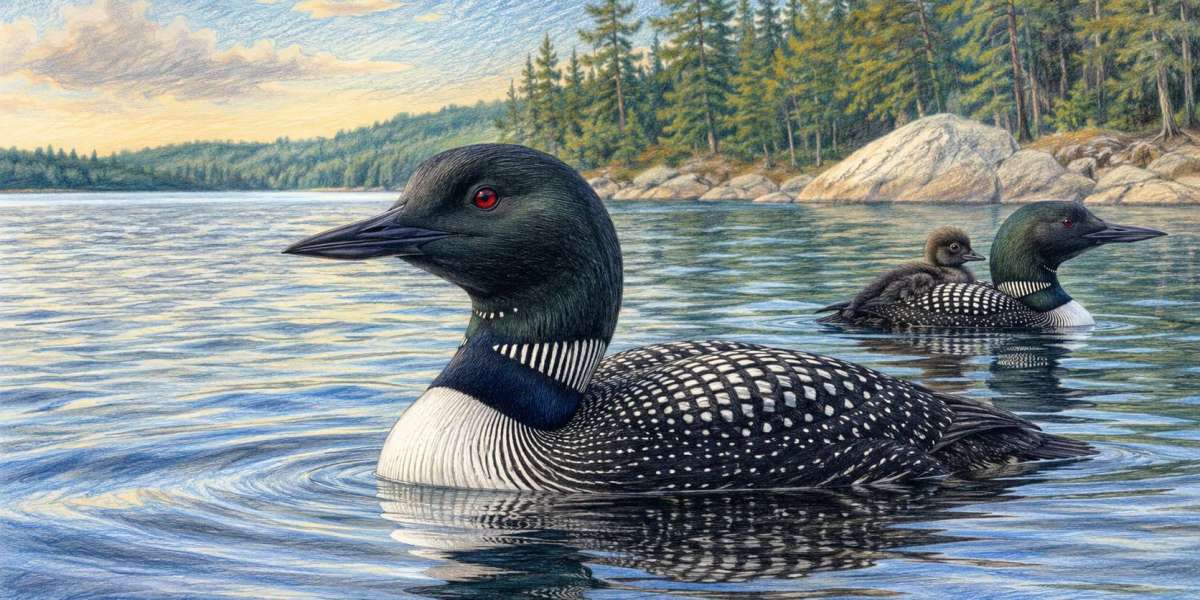
The Common Loon is a large freshwater diving bird known for its black-and-white plumage, red eyes during breeding season, and distinctive haunting calls.
Where do Common Loons live?
They breed on lakes throughout Canada and the northern United States and migrate to coastal marine waters during winter.
Do Common Loons mate for life?
No. Research shows that while pairs remain faithful during a breeding season, individuals often have multiple partners throughout their lives.
Why are Common Loons important?
They serve as indicators of freshwater ecosystem health and are considered one of North America's most iconic bird species.
What threats do Common Loons face?
Climate change, habitat disturbance, mercury contamination, pollution, shoreline development, and changing fish populations are among the primary threats.
Are Common Loons endangered?
The species is not currently federally endangered, but some regional populations face conservation concerns and require ongoing monitoring.
Sources
American Birding Association – Common Loon Secrets (January 21, 2025): https://www.aba.org/common-loon-secrets/ (American Birding Association)
Reuters – Many U.S. Bird Species Seen Reaching Population Tipping Point (March 2025) (Reuters)
Associated Press – More Loons Are Filling Maine's Lakes With Their Ghostlike Calls (December 2025) (AP News)
Thank you !