
(What will be mentioned in this article is for advice and is not a substitute for consulting a doctor)
Cyclosporiasis Outbreak Spreads Across the U.S.: What to Know About the Foodborne Parasite, Symptoms, and Prevention
Cyclosporiasis: What to know about the outbreak | KTVU FOX 2 San Francisco
Key Points
The U.S. Centers for Disease Control and Prevention (CDC) has reported 843 confirmed domestically acquired cases of cyclosporiasis across 31 states as of July 9, 2026, while more than 1,500 additional cases remain under investigation. (CDC)
Health officials have not yet identified the contaminated food responsible for the outbreak, and no food recalls have been issued so far. (Business Insider)
The illness is caused by the microscopic parasite Cyclospora cayetanensis, which is typically spread through contaminated fresh produce or water, rather than direct person-to-person contact. (CDC)
Symptoms commonly include watery diarrhea, stomach cramps, fatigue, nausea, bloating, and loss of appetite, with illness sometimes lasting for weeks if left untreated. (Business Insider)
Public health experts recommend washing produce, practicing good kitchen hygiene, and seeking medical care if symptoms persist, although washing alone may not completely remove the parasite. (Business Insider)
advertisement
A growing outbreak of cyclosporiasis, a foodborne illness caused by the microscopic parasite Cyclospora cayetanensis, is prompting renewed public health warnings across the United States as officials continue searching for the contaminated food responsible for hundreds of confirmed infections. While investigators have linked past outbreaks to imported fresh produce, authorities say the source of this year's illnesses has not yet been identified, leaving consumers and health agencies focused on prevention while the investigation continues. (CDC)
According to the U.S. Centers for Disease Control and Prevention (CDC), 843 people in 31 states had been confirmed with domestically acquired cyclosporiasis as of July 9, 2026. Those individuals reported becoming ill after consuming food within the United States and had not traveled internationally during the two weeks before developing symptoms, an important distinction because the parasite has historically been associated with travel to regions where it is more common. In addition to the confirmed infections, health officials are reviewing more than 1,500 additional reports that could eventually be classified as domestically acquired cases. Eighty-six hospitalizations have also been reported, although no deaths linked to the outbreak have been announced. (CDC)
--------------------------
Note: Because the investigation is ongoing, federal and state case totals may differ due to reporting timelines and surveillance methods, and official counts are expected to be updated as additional cases are confirmed.
--------------------------
Despite the rising number of infections, investigators have not identified a single food item responsible for the outbreak, and no recalls have been issued. The absence of a confirmed source reflects one of the greatest challenges in investigating cyclosporiasis. Symptoms often develop between two days and two weeks after exposure, making it difficult for patients to accurately remember every food they consumed before becoming sick. By the time cases are recognized, the contaminated products may no longer be available for testing or tracing through the supply chain. (The Washington Post)
Health officials emphasize that consumers should not stop eating fruits and vegetables because of the investigation. Instead, they recommend following established food safety practices while scientists continue working to identify the contaminated source. Previous outbreaks have been linked to a variety of fresh produce items, including cilantro, basil, raspberries, snow peas, mesclun lettuce, green onions, salad mixes, and berry blends, but authorities stress that these foods are not currently confirmed as the cause of the ongoing outbreak. (Business Insider)
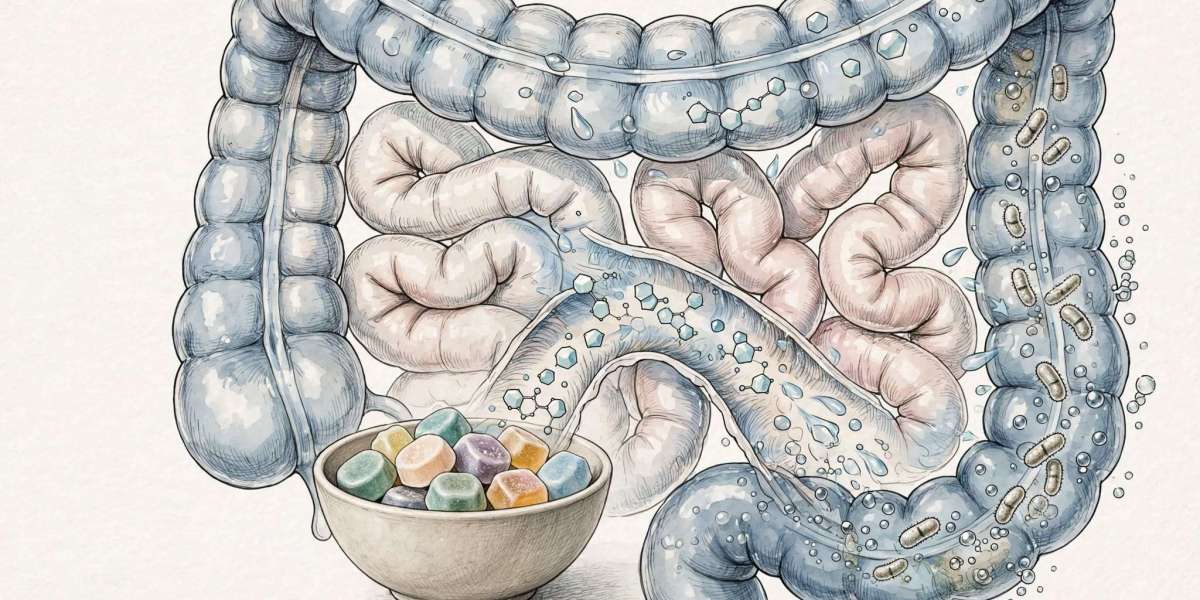
Cyclospora cayetanensis is a microscopic parasite that infects the small intestine after contaminated food or water is consumed. Unlike many common stomach viruses, the parasite is not usually spread directly from one person to another because it requires time outside the human body before becoming infectious. Instead, contamination generally occurs when food or water comes into contact with human waste during growing, harvesting, processing, or handling. This characteristic has made fresh produce a recurring concern because many fruits and vegetables are eaten raw, without cooking that could destroy the parasite. (CDC)
Doctors say the illness can vary significantly from one patient to another. The most common symptom is frequent watery diarrhea, which may become severe and continue for several weeks if left untreated. Other symptoms include stomach cramps, bloating, nausea, vomiting, fatigue, low-grade fever, body aches, headache, reduced appetite, and weight loss. Some people experience recurring symptoms that temporarily improve before returning again, while others may carry the infection with few or no noticeable symptoms. (Business Insider)
Although many otherwise healthy people recover without long-term complications, the illness can pose greater risks for older adults, young children, people with weakened immune systems, and individuals who become dehydrated from prolonged diarrhea. Public health experts advise anyone experiencing persistent gastrointestinal illness to seek medical attention, particularly if symptoms continue for several days or are accompanied by signs of dehydration. (Time)
Diagnosing cyclosporiasis can be more difficult than diagnosing many other foodborne illnesses because the parasite is not routinely detected through standard laboratory testing. Physicians often need to specifically request specialized stool testing capable of identifying Cyclospora. Health experts believe the actual number of infections may therefore be higher than official figures suggest, since some people recover without medical care while others may never receive the specialized tests needed to confirm the infection. (Business Insider)
Treatment typically involves prescription antibiotics, most commonly trimethoprim-sulfamethoxazole, which can shorten the illness and help eliminate the parasite. Supportive care, including adequate hydration and electrolyte replacement, is also important for patients experiencing prolonged diarrhea. Individuals who cannot take the recommended antibiotic because of allergies or other medical conditions should consult healthcare providers about alternative management options, although effective substitutes are more limited. (CDC)
Public health officials continue to stress that consumers can reduce—but not entirely eliminate—their risk by following careful food safety practices. Fresh fruits and vegetables should be washed thoroughly under running water, kitchen surfaces and utensils should be cleaned after preparing produce, and hands should be washed before handling food. Experts caution, however, that washing alone may not completely remove Cyclospora, because the parasite can adhere firmly to produce. Cooking foods to safe temperatures is considered the most reliable way to destroy the organism, although many fruits and vegetables associated with previous outbreaks are typically consumed raw. (Business Insider)
Healthcare providers and state health departments are also encouraging patients to report suspected illnesses promptly. Rapid reporting allows investigators to interview patients while food memories remain relatively fresh, improving the chances of identifying common foods that may explain the outbreak. Investigators compare shopping records, restaurant visits, and food histories from patients across multiple states to determine whether infections are linked to a single contaminated product or several unrelated sources. (The Washington Post)
State health agencies have echoed the national guidance. Officials in Kentucky, where cases have also been reported, advise residents to continue consuming fresh produce because of its important health benefits while practicing safe food handling and seeking medical evaluation for persistent gastrointestinal illness. Similar recommendations have been issued by public health authorities across affected states as surveillance continues during the peak summer produce season. (CDC)
The investigation remains active, and health officials say additional confirmed cases are likely as laboratory testing and epidemiological reviews continue. Until investigators identify the contaminated source, consumers are being encouraged to remain informed through official public health updates, follow recommended food safety practices, and seek medical care if symptoms consistent with cyclosporiasis develop. While the current outbreak has raised concern because of its geographic spread, health authorities emphasize that continued surveillance and prompt reporting remain essential to identifying the source and limiting further illnesses. (CDC)
Key Points Summary
The CDC is investigating a multi-state outbreak of cyclosporiasis, with 843 confirmed domestically acquired cases across 31 U.S. states as of July 9, 2026, while more than 1,500 additional reports are under review.
Investigators have not identified the contaminated food responsible for the outbreak, and no recalls have been issued.
Cyclospora cayetanensis is a parasite that is usually spread through contaminated fresh produce or water, rather than direct person-to-person contact.
Common symptoms include watery diarrhea, stomach cramps, fatigue, nausea, bloating, loss of appetite, and weight loss, with illness often lasting for weeks if untreated.
Health officials recommend washing produce, practicing good kitchen hygiene, staying hydrated, and seeking medical care if symptoms persist, while emphasizing that washing alone may not completely remove the parasite.
What This Means
The current outbreak highlights the ongoing challenge of identifying foodborne parasites that can contaminate fresh produce before it reaches consumers. Because symptoms may not appear until several days or even weeks after exposure, tracing infections back to a specific food source can take considerable time.
The people most likely to be affected include anyone consuming contaminated fresh produce, particularly older adults, young children, pregnant women, and individuals with weakened immune systems, who may face a higher risk of complications from prolonged diarrhea and dehydration.
Readers should watch for updates from the U.S. Centers for Disease Control and Prevention (CDC) and state health departments as investigators continue tracing the source of the outbreak. If a contaminated product is identified, officials could issue recalls or additional public health recommendations.
advertisement
Frequently Asked Questions (FAQ)
What is cyclosporiasis?
Cyclosporiasis is an intestinal illness caused by the microscopic parasite Cyclospora cayetanensis. People usually become infected after eating food or drinking water contaminated with the parasite.
What are the symptoms of cyclosporiasis?
The most common symptoms include:
Watery diarrhea
Stomach cramps
Bloating
Nausea
Vomiting
Fatigue
Loss of appetite
Weight loss
Low-grade fever
Body aches
Symptoms generally begin about 2 to 14 days after exposure.
How is the parasite spread?
Unlike many stomach illnesses, Cyclospora is not typically spread directly from one person to another.
Instead, infection usually occurs after consuming fresh produce or water contaminated with human waste containing the parasite.
Can washing fruits and vegetables prevent infection?
Washing produce under running water is recommended and may reduce contamination.
However, health experts note that washing alone may not completely remove Cyclospora, making proper food handling and public health monitoring especially important.
How is cyclosporiasis treated?
Doctors typically prescribe the antibiotic trimethoprim-sulfamethoxazole (TMP-SMX).
Patients should also stay hydrated, especially if they experience prolonged diarrhea.
Is the source of the current outbreak known?
No.
As of the latest public health updates, investigators have not identified the contaminated food responsible for the current outbreak, and no recalls have been announced.
Who is most at risk?
Anyone can become infected.
However, severe illness is more likely among:
Older adults
Young children
People with weakened immune systems
Individuals who become dehydrated due to prolonged diarrhea
Sources:
Business Insider
https://www.businessinsider.com/parasitic-diarrhea-outbreak-produce-to-avoid-how-to-prepare-food-2026-7University of Kentucky HealthCare
https://uknow.uky.edu/uk-healthcare/cyclosporiasis-outbreak-kentucky-how-reduce-your-riskOregon Public Broadcasting (OPB)
https://www.opb.org/article/2026/07/12/what-to-know-about-the-u-s-outbreak-of-cyclosporiasis/
Additional Verified Sources
U.S. Centers for Disease Control and Prevention (CDC) – Cyclosporiasis Surveillance
https://www.cdc.gov/cyclosporiasis/php/surveillance/CDC – Cyclosporiasis Information
https://www.cdc.gov/cyclosporiasis/
Disclaimer:
What is mentioned in this article is for advice and is not a substitute for consulting a doctor
Thank you !