
How Did the Infant Sun Form? Scientists Get New Insights From 4.6-Billion-Year-Old Space Dust
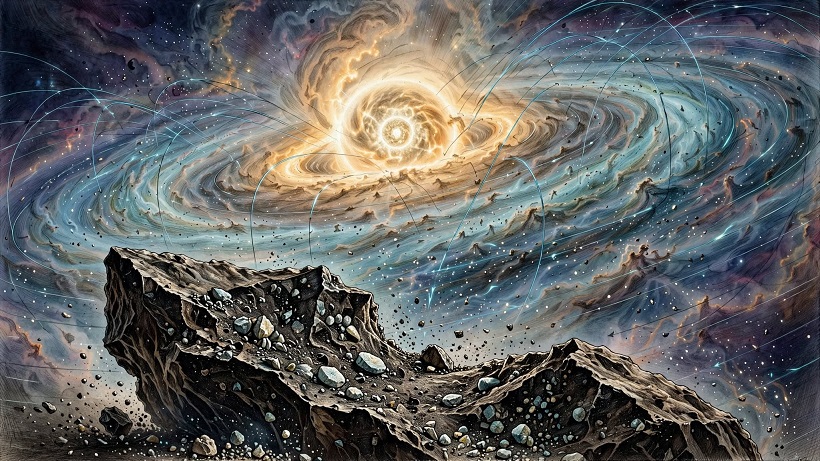
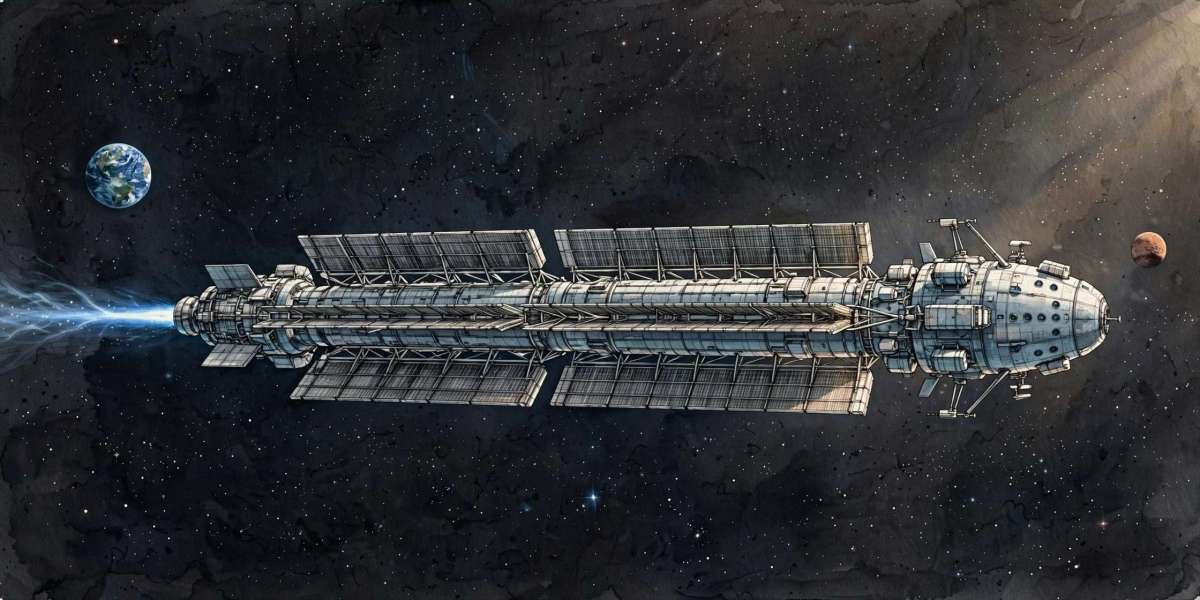
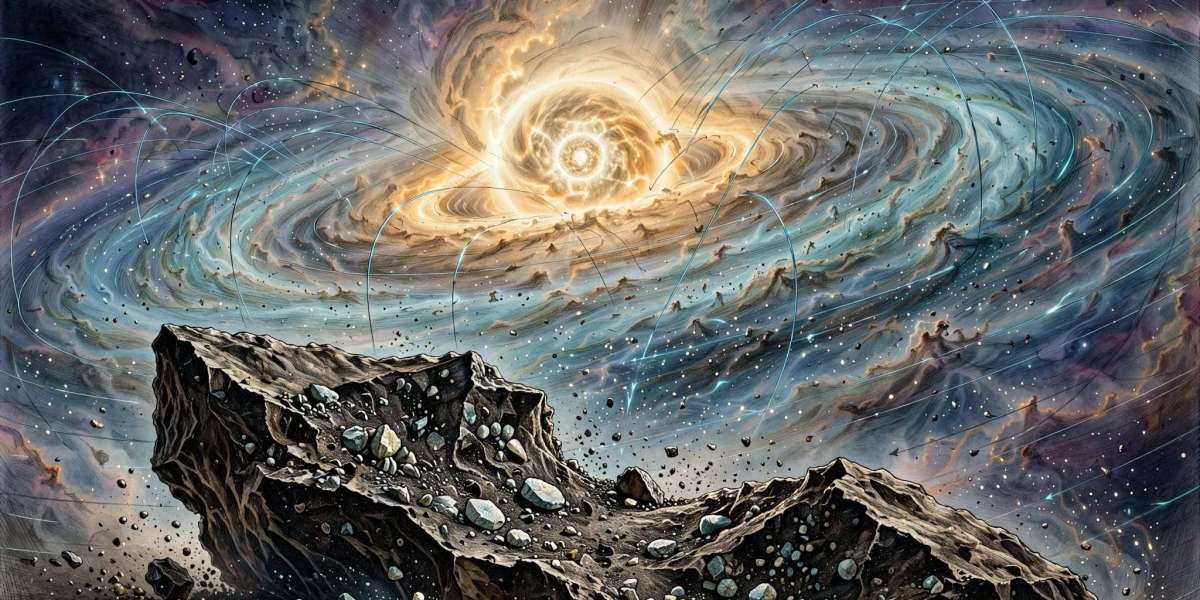
Photo by AI (Credits: saraapp.net)
Key Points
Scientists have found evidence that magnetic fields were already present during the earliest stages of the solar system's formation, when the infant sun was beginning to take shape.
The evidence was preserved in calcium-aluminum-rich inclusions, or CAIs, tiny mineral grains within the Antarctic meteorite DOM 08006.
The grains formed during the first 200,000 years of solar system history, making them among the oldest known materials from that era.
Researchers estimate that the ancient magnetic field measured about 150 to 600 microteslas, or approximately three to 12 times stronger than Earth's magnetic field today.
The findings suggest that magnetism worked alongside gravity as the cloud of gas and dust surrounding the young sun evolved into the disk from which the sun and planets formed.
advertisement
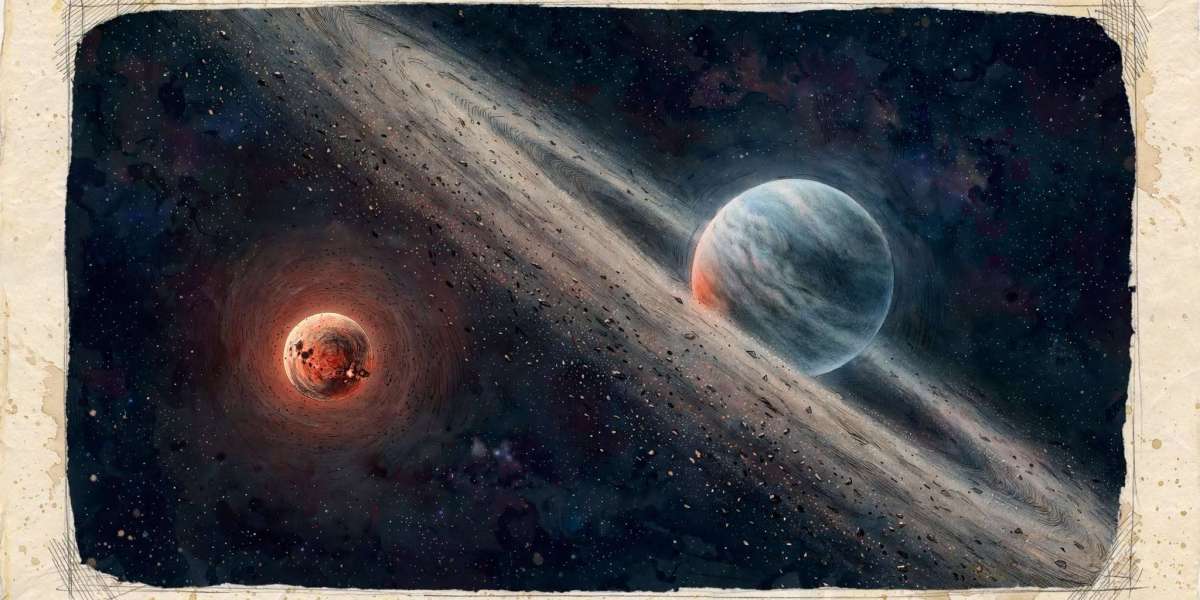
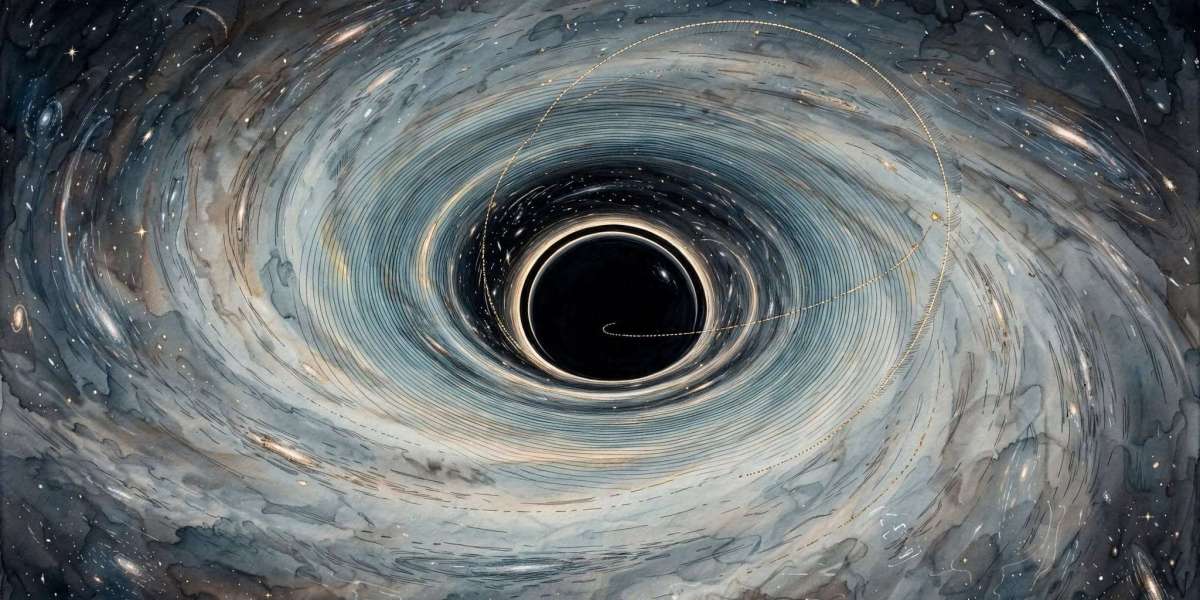
Around 4.6 billion years ago, our solar system was not yet a place of planets, moons and a fully formed sun. Instead, it began as a vast cloud of gas and dust known as the solar nebula. Over time, that material collapsed and changed shape, eventually forming a flattened disk with the growing sun at its center and the raw material for planets orbiting around it.
For decades, gravity has been regarded as the main force driving that transformation. Now, scientists studying some of the solar system's oldest surviving material have found evidence that another force may have played an important role much earlier than previously established: magnetism.
The new research focuses on tiny ancient grains preserved inside DOM 08006, a meteorite recovered from Antarctica in 2008. The meteorite is considered unusually primitive because much of its original material appears to have escaped the extensive alteration experienced by many other meteorites during their long histories.
Within that meteorite, researchers identified microscopic grains called calcium-aluminum-rich inclusions, or CAIs. These are among the earliest solids known to have formed in the solar system. The materials examined in the new work formed during the first 200,000 years of solar system history, providing scientists with an exceptionally ancient record of conditions around the developing sun.
The team reported its findings in the Proceedings of the National Academy of Sciences, in a study titled “Paleomagnetic Evidence for a Nebular Magnetic Field from Calcium-Aluminum-rich Inclusions.” The work provides what the researchers describe as the earliest known evidence of a magnetic field in the infant solar system.
The importance of the finding lies in what those tiny grains may have preserved for billions of years.
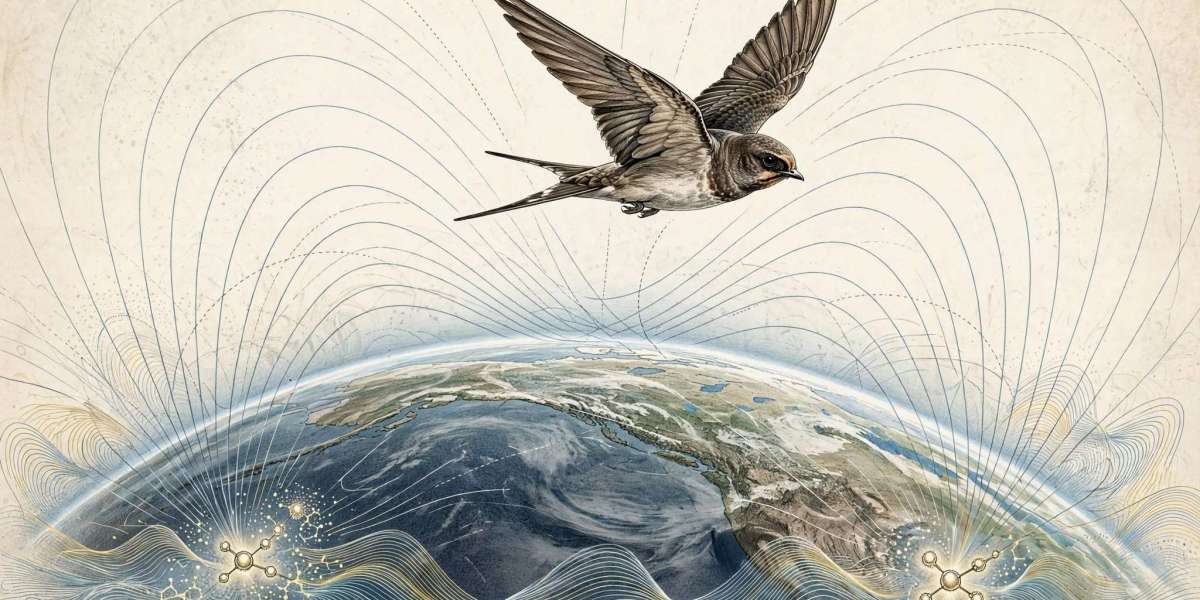
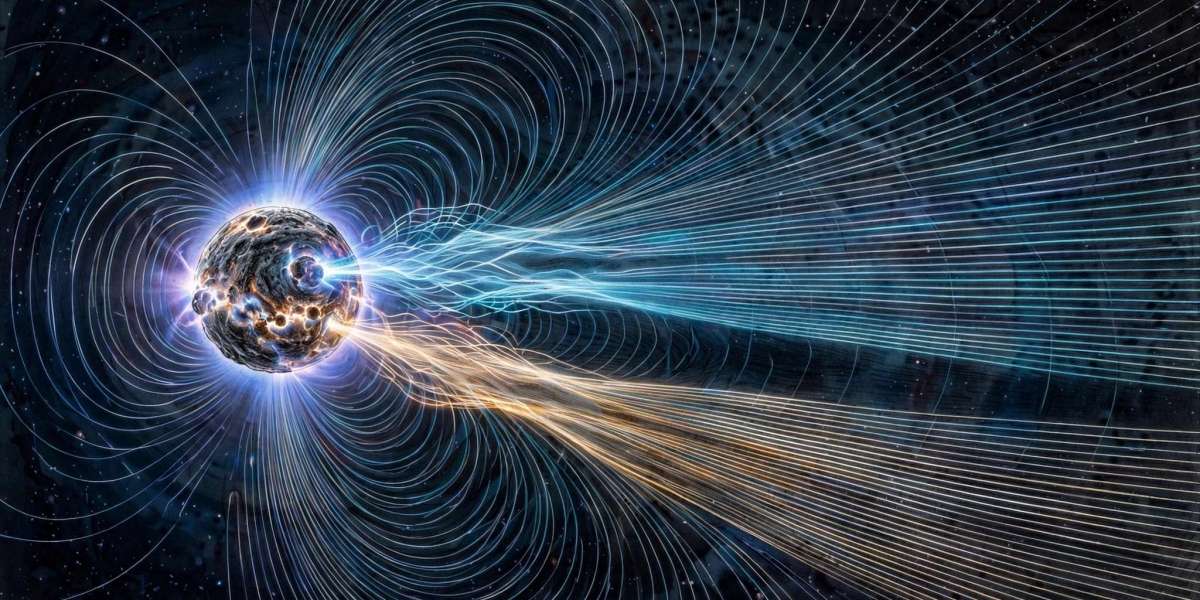
Magnetic fields can be generated when electrically charged matter moves. In the young solar system, the collapsing gas-and-dust cloud could have contained plasma, or electrically charged particles. As that material moved through the developing system, it could have generated and sustained magnetic fields.
If such a field existed, the researchers reasoned, it could have influenced material in the solar nebula. Tiny magnetic minerals forming within that environment could then preserve a record of the ancient field through what scientists call remanent magnetization — essentially retaining evidence of the magnetic conditions present when the minerals acquired their magnetization.
That is where DOM 08006 became especially valuable.
The researchers isolated tiny grains from samples of the meteorite and carefully identified a small number of CAIs containing inherently magnetic minerals, including iron. They then subjected the grains to a series of measurements designed to determine whether they retained evidence of ancient magnetism.
The results pointed to a magnetic field of approximately 150 to 600 microteslas in the early solar system. According to the researchers, that range is roughly three to 12 times stronger than Earth's magnetic field today.
The finding does not mean that gravity suddenly becomes unimportant in explaining the birth of the solar system. Instead, the research suggests that gravity and magnetism both need to be considered when reconstructing how the infant solar system evolved.
As the original solar nebula collapsed, gravity pulled matter inward. But the new evidence indicates that magnetic forces may also have influenced how gas moved through the system and how material was transported toward the developing central star.
In other words, the researchers propose that gravity was not acting alone. Magnetic fields may have helped move gas from the developing protoplanetary disk inward toward the young sun.
Cauê Borlina, who led the research as an MIT graduate student and is now an assistant professor at Purdue University, said the scientific debate has increasingly focused on how early magnetism became important.
Scientists already have evidence that magnetic fields existed while planets were forming. The more difficult question has been how early magnetism became significant — particularly during the period before planets existed, when the young solar system was still evolving from a cloud into a disk.
The newly studied CAIs offer a way to investigate that earlier period.
Benjamin Weiss, a professor at MIT, described the transition from a spherical cloud of material into a protoplanetary disk as one of the most significant events in solar system history. Gravity has long been considered the main explanation for that transformation, but the measurements from the ancient grains suggest that magnetism likely also played a role.
That distinction matters because the formation of the disk was a critical step in the development of the solar system.
The disk surrounding the young sun was not simply leftover debris. It was the environment in which material continued moving, accumulating and eventually forming the planets and other bodies that now orbit the sun. Understanding what controlled the movement of gas and dust in that early disk is therefore essential to understanding not only how the sun grew, but also how the conditions for planet formation developed.
The researchers believe magnetic fields of the kind recorded in the ancient material could have helped move gas from the protoplanetary disk inward toward the central, growing sun.
The new evidence therefore supports a picture in which gravity pulled the primordial material together while magnetic forces may have helped regulate the movement of gas through the developing system.
The study also pushes the magnetic record of the solar system further back in time.
Members of the research team had previously found evidence of magnetic fields dating to around 2 million years after the formation of the solar system's first solids. By that stage, researchers believe the sun was already in place and planets were beginning to form. Those earlier measurements helped scientists understand magnetic conditions during the era of planet formation.
The newly reported evidence comes from material dating much closer to the beginning of the solar system.
That makes the timing particularly significant. The magnetic signatures preserved in the CAIs reach back to an era when the solar nebula was undergoing its earliest evolution and the sun was still coming together.
The work also demonstrates why meteorites remain among scientists' most important physical archives of the early solar system.
Astronomers can observe distant protoplanetary disks around other young stars, offering valuable views of planetary systems in the process of formation. But Earth's own solar system is now billions of years older, and the original gas-and-dust disk has long since disappeared.
Meteorites can preserve material from those vanished stages.
Not every meteorite, however, provides the same quality of record. Over billions of years, extraterrestrial material can be altered by heating, water, impacts and other processes. Those changes can modify minerals and potentially erase or complicate evidence of the environment in which they originally formed.
DOM 08006 appears to have preserved exceptionally primitive material, allowing researchers to search for evidence that might have been lost elsewhere. MIT researchers describe it as one of the most primitive meteorites discovered, noting that it experienced less alteration than many other meteorites.
The complexity of CAIs themselves also presented a challenge. The ancient inclusions are not all identical, even within extremely small pieces of meteorite. The researchers therefore had to carefully determine which grains were suitable for paleomagnetic analysis and whether the minerals being measured could preserve a meaningful ancient signal.
The study's conclusions should therefore be understood as evidence about the conditions in the early solar nebula, rather than as a direct observation of the infant sun itself.
Scientists did not watch the young sun form 4.6 billion years ago. Instead, they reconstructed part of that environment by examining a magnetic record preserved in microscopic mineral grains that survived from the solar system's earliest history.
The result adds an important ingredient to models of solar and planetary formation.
Rather than describing the solar system's birth as a process driven by gravity alone, the new evidence suggests that magnetic fields were already part of the physical environment during the solar system's earliest stages and may have helped shape the flow of material toward the growing sun.
The research does not provide a complete account of every stage in the sun's formation, and many questions remain about precisely how magnetic fields interacted with gravity, gas and dust throughout the evolving solar nebula.
But it gives scientists evidence that magnetism was present at a remarkably early point.
That could help researchers refine models of how stars and planetary systems form.
The implications may also extend beyond our own solar system. Young stars elsewhere in the universe are surrounded by protoplanetary disks, and scientists are trying to understand how gas moves through those disks and how planets emerge from them. The solar system's ancient meteorites provide a rare physical record that can help test ideas about processes that cannot be directly observed in our own system today.
For now, one of the clearest lessons from the ancient dust is that the forces shaping the young solar system were more complex than a story of gravity acting alone.
Gravity remained fundamental, but the newly measured magnetic evidence indicates that magnetism was likely already helping shape the environment in which the sun and, eventually, the planets formed.
As scientists continue examining the oldest surviving materials from the solar system, researchers will be watching for additional magnetic records that could reveal how the strength and influence of those fields changed over time. Each new measurement could help fill another gap between the original collapsing cloud of gas and dust and the planetary system that exists today.
Key Points Summary
Ancient CAIs inside the Antarctic meteorite DOM 08006 preserve evidence of magnetism from the earliest solar system.
The material formed during the first 200,000 years of solar system history.
Researchers estimated an ancient magnetic field of approximately 150–600 microteslas.
That is about three to 12 times stronger than Earth's magnetic field today.
The evidence suggests magnetism worked alongside gravity during the early evolution of the solar nebula and may have helped move gas toward the forming sun.
What This Means
The findings matter because they provide evidence that magnetic fields were active during an extremely early stage of solar system formation. That could improve scientists' understanding of how material moved as the original gas-and-dust cloud evolved into a protoplanetary disk.
The research may be relevant to scientists studying star formation, planet formation and protoplanetary disks. It also gives researchers a new physical record to compare with theoretical models of how young stars gather material.
Readers should watch for further research examining other ancient meteorites and early solar-system materials. Additional measurements could help determine how widespread these magnetic fields were, how their strength changed and exactly how they interacted with gravity during the formation of the sun and planets.
advertisement
Frequently Asked Questions [FAQ]
What is the new discovery about?
Scientists found evidence of an ancient magnetic field preserved in microscopic grains inside the meteorite DOM 08006. The evidence suggests magnetism was active during the earliest stages of the solar system.
How old is the material studied?
The solar system formed around 4.6 billion years ago. The CAIs examined in the research formed during the first 200,000 years of solar system history.
What are CAIs?
Calcium-aluminum-rich inclusions, or CAIs, are mineral-rich inclusions found in some primitive meteorites. They are among the oldest known materials formed in the solar system.
How strong was the ancient magnetic field?
The researchers estimated a field strength of approximately 150 to 600 microteslas, or about three to 12 times stronger than Earth's magnetic field today.
Did scientists discover that magnetism formed the sun by itself?
No. The research does not say magnetism replaced gravity. Instead, it suggests that magnetism likely played a role alongside gravity during the early evolution of the solar nebula.
How could ancient dust preserve a magnetic record?
Magnetic minerals can acquire and retain magnetization under suitable conditions. Scientists can study this preserved, or remanent, magnetization to investigate magnetic environments that existed billions of years ago.
Why was DOM 08006 important to the research?
The meteorite is considered exceptionally primitive and has preserved ancient materials with relatively little alteration. That made it particularly valuable for searching for a magnetic record from the early solar system.
Where was DOM 08006 found?
The meteorite was recovered in 2008 from Dominion Range, a mountain range in Antarctica.
Was the sun already fully formed when this magnetic field existed?
The new evidence comes from an extremely early stage of solar system history. The researchers interpret it as evidence of magnetism during the period when the solar nebula was evolving and the sun was still coming together.
Sources
Additional Verified Sources
Thank you !