
(What is mentioned in this article is strictly for general educational and informational purposes and is not a substitute for professional medical advice, diagnosis, or consulting a doctor.)
Common Sugar Substitute Linked to Higher Risk of Heart Attack and Stroke, Study Finds
Key Points
Xylitol, a sugar alcohol used in products including sugar-free chewing gum, foods, drinks and toothpaste, was associated with a higher risk of major cardiovascular events in a new observational study.
Among 17,710 participants, those with the highest blood levels of xylitol had a 57% higher risk of major cardiovascular events over six years in the CLSA cohort.
A second cohort followed for 30 years found an 18% higher associated risk among people with the highest xylitol levels.
Major cardiovascular events included heart attack, stroke and cardiovascular death.
The findings show an association, not proof that xylitol causes heart attacks or strokes, and researchers say more studies are needed.
advertisement
A common sugar substitute found in sugar-free chewing gum, foods, drinks and oral-care products has been linked to a higher risk of heart attack, stroke and cardiovascular death, according to new research presented at the European Society of Cardiology Congress 2026.
The study examined blood levels of xylitol, a type of sugar alcohol, in 17,710 people from two large observational studies in North America and Europe. Researchers found that participants with the highest levels of xylitol in their blood had a greater risk of major adverse cardiovascular events than those with the lowest levels.
The findings have drawn attention because xylitol is widely used as a sugar substitute. It is a carbohydrate classified as a sugar alcohol, or polyol, and manufacturers use it to provide sweetness in products including sugar-free chewing gum, processed foods and drinks, toothpaste and other oral-care products.
Unlike regular sugar, sugar alcohols are not completely absorbed and generally have a smaller effect on blood glucose. Xylitol is also used in oral-care products because it does not have the same tooth-decay properties associated with ordinary sugar.
But the new research does not establish that consuming xylitol directly causes heart attacks or strokes. The study was observational, meaning researchers examined associations between naturally measured blood levels of xylitol and cardiovascular outcomes rather than assigning participants to consume xylitol in a randomized clinical trial.
The researchers analyzed data from two large prospective observational cohorts: the Canadian Longitudinal Study on Aging (CLSA) and the European Prospective Investigation into Cancer (EPIC)-Norfolk study.
Together, the studies included 17,710 participants, whose mean age was 60.9 years. The CLSA cohort was followed for six years, while the EPIC-Norfolk cohort provided follow-up extending to 30 years.
Researchers divided participants into four groups according to their levels of xylitol in blood plasma and compared cardiovascular outcomes among the groups. They adjusted the analysis for established cardiovascular risk factors, including age, sex, smoking status, diabetes, high blood pressure and lipid levels, with the analysis also accounting for factors such as body mass index.
The main outcome was major adverse cardiovascular events, or MACE. In the study, these events included heart attack, stroke and death from a cardiovascular event.
The strongest association appeared in the CLSA cohort. During its six-year follow-up, participants with the highest blood levels of xylitol had a 57% higher risk of major adverse cardiovascular events compared with participants with the lowest levels.
The longer-term EPIC-Norfolk analysis also found an association. Over 30 years of follow-up, participants with the highest xylitol levels had an 18% higher associated risk of MACE compared with those with the lowest levels.
When researchers considered the data across the four groups, they also found what they described as a dose-dependent relationship: as measured blood levels of xylitol increased, the incidence of heart attack, stroke and cardiovascular death also increased. The association remained after accounting for several other factors that could contribute to cardiovascular events.
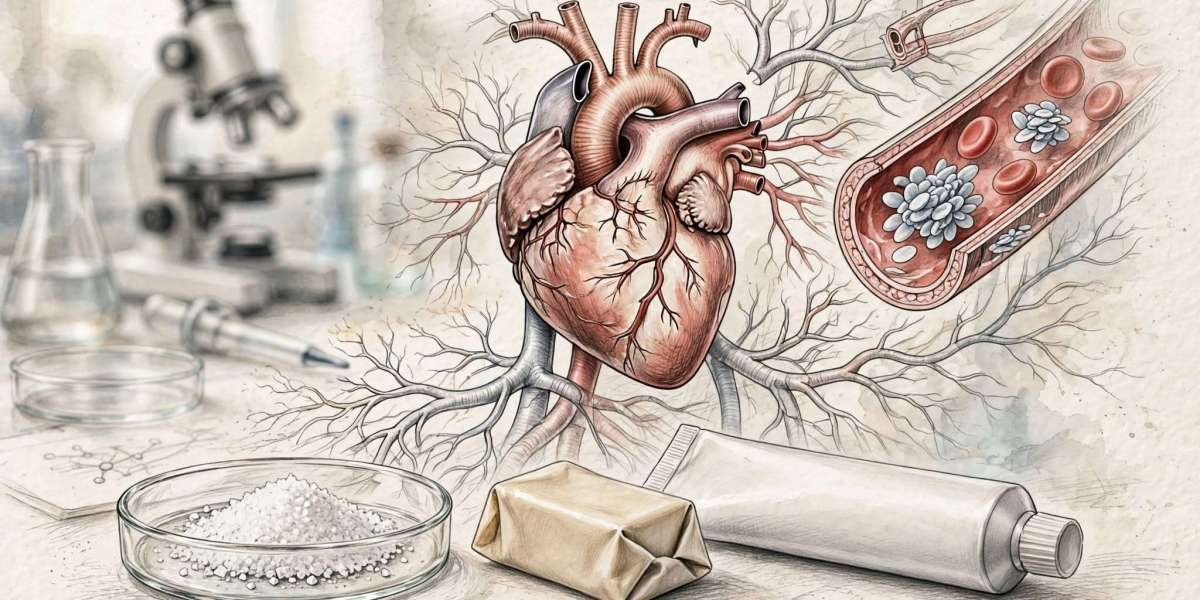
The researchers are particularly interested in a possible connection between xylitol and blood clotting. Study author Dr. Marco Witkowski of Charité University Hospital in Berlin, Germany, said previous research had shown that xylitol could enhance the ability of platelets to form clots.
Previous research had also found that high blood levels of xylitol were associated with cardiovascular events among people at high cardiovascular risk over a three-year period. The new study sought to determine whether a similar relationship could be observed in the broader general population.
Xylitol occurs naturally in very small amounts in some foods and is also produced naturally by the human body. However, the amount added to commercial products can be far greater than the very low amounts naturally present in foods. The European Society of Cardiology states that xylitol is added to products often in amounts more than 1,000-fold higher than the very low amounts found naturally in foods.
That distinction is important because xylitol is not simply an artificial compound with no natural counterpart. It is a naturally occurring sugar alcohol that is also commercially manufactured for use as a food additive and sugar substitute.
The popularity of xylitol is partly related to its nutritional characteristics. Sugar alcohols generally provide fewer calories than regular sugar and tend to have a smaller immediate effect on blood glucose because they are not completely absorbed. These properties have made sugar alcohols attractive as alternatives to conventional sugar in a variety of products.
However, replacing sugar with a sugar substitute does not automatically mean that a product is nutritionally neutral. Medical News Today notes that foods marketed as sugar-free or no added sugar can still contain calories, carbohydrates and fat. Large amounts of sugar alcohols can also cause digestive symptoms such as gas and diarrhea in some people.
The cardiovascular findings therefore raise a broader question about whether replacing conventional sugar with xylitol necessarily produces a better long-term cardiovascular outcome. But the researchers are not saying that xylitol has been proven to cause cardiovascular disease.
Dan Atar, a member of the European Society of Cardiology Communication Committee, commented on the findings and noted that the study was observational. The study raises concerns about the long-term cardiovascular effects associated with xylitol, but observational research cannot by itself establish that xylitol is the direct cause of those events.
Medical News Today also spoke with Dr. Stanley Hazen, who was not involved in the study. Hazen said a growing body of research suggests that sugar alcohols such as xylitol and erythritol may not necessarily be a simple substitute for sugar when considering cardiovascular health. He said there is evidence that these compounds can enhance the risk of clotting events such as heart attack or stroke.
Hazen said he recommends that his patients avoid these non-nutritive sweeteners, particularly people with cardiovascular disease or higher cardiovascular risk. That is his clinical recommendation, however, rather than a conclusion established by the new observational study.
Dr. Cheng-Han Chen, a board-certified interventional cardiologist and medical director of the Structural Heart Program at MemorialCare Saddleback Medical Center in California, also spoke with Medical News Today about the findings. Chen was not involved in the study.
Chen said that, when possible, he recommends naturally sweet foods such as whole fruit, which provide sweetness together with fiber and other nutrients. He also noted that sugar substitutes can have a practical role for people with diabetes because they generally produce a smaller immediate increase in blood glucose than sugar.
At the same time, Chen emphasized that avoiding a short-term glucose increase does not necessarily establish that consuming large amounts of sugar substitutes is beneficial for long-term health. He pointed to the broader importance of overall dietary quality, portion sizes, physical activity, weight management and blood glucose control.
The study's biggest limitation is its observational design. Researchers can identify an association between higher blood xylitol levels and cardiovascular events, but they cannot establish from these data alone that xylitol itself caused the events.
As Chen emphasized, the findings do not prove that sugar substitutes cause heart attacks or strokes. Instead, they suggest that consumers and researchers should be more cautious about automatically assuming that a sugar substitute is always the healthier choice.
More research is therefore needed, particularly well-designed prospective studies and randomized clinical trials where feasible, to determine whether there is a direct cause-and-effect relationship between xylitol exposure and cardiovascular events. The researchers also say additional preclinical research is warranted.
For consumers, the immediate message is therefore one of caution rather than panic. The current findings do not establish that everyone who consumes xylitol is at increased individual risk of suffering a heart attack or stroke, nor do they demonstrate that a particular xylitol-containing product will cause cardiovascular disease.
The 57% figure, for example, represents a relative difference in cardiovascular-event risk between the highest- and lowest-xylitol groups in the CLSA cohort. It does not mean that 57% of people consuming xylitol will suffer a cardiovascular event.
Likewise, the 18% figure from EPIC-Norfolk represents the associated difference between groups with the highest and lowest measured xylitol levels over the study's long follow-up period. These figures should therefore be understood as findings from population-level observational research rather than as predictions of what will happen to an individual consumer.
The findings nevertheless challenge the assumption that a lower-calorie sugar substitute is automatically preferable from every health perspective. Because xylitol is widely used in consumer products, determining whether the observed cardiovascular association reflects a direct biological effect or another factor will be important.
For now, the central finding is clear but limited: higher blood levels of xylitol were associated with a higher risk of major cardiovascular events in two large observational cohorts. The association appeared in both shorter- and longer-term follow-up and showed a dose-dependent pattern.
Whether xylitol itself contributes directly to heart attacks, strokes or cardiovascular death remains an unanswered scientific question. Future research will be needed to determine whether the association represents a causal relationship.
Key Points Summary
Xylitol is a sugar alcohol, not the same thing as regular table sugar.
The study analyzed 17,710 participants across two observational cohorts.
In the CLSA, the highest xylitol group had a 57% higher associated risk of major cardiovascular events over six years.
In EPIC-Norfolk, the highest group had an 18% higher associated risk over 30 years.
The research found an association but does not prove that xylitol causes heart attacks or strokes.
Researchers say additional studies, including randomized clinical trials where feasible, are needed.
What This Means
The findings matter because xylitol is widely used as a sugar substitute in everyday products, including sugar-free chewing gum, foods, drinks and oral-care products.
The research does not establish that consumers should immediately stop using every product containing xylitol. Instead, it raises questions about the long-term cardiovascular safety of the ingredient and provides a basis for further research.
People should also avoid interpreting the study's 57% figure as an individual's probability of having a heart attack or stroke. It represents a relative difference between study groups with different measured blood levels of xylitol.
The most important development to watch is whether future research can determine whether the observed association reflects a direct cause-and-effect relationship.
advertisement
Frequently Asked Questions (FAQ)
What is xylitol?
Xylitol is a sugar alcohol, or polyol, used as a sugar substitute. It occurs naturally in very small amounts in some foods and is also produced naturally by the human body. Commercially manufactured xylitol is used in foods, beverages and oral-care products.
Where is xylitol found?
Xylitol can be found in products including sugar-free chewing gum, processed foods and drinks, candies and toothpaste.
Does xylitol cause heart attacks or strokes?
The study does not prove that xylitol causes heart attacks or strokes. It found an association between higher blood xylitol levels and major cardiovascular events. Because the research was observational, causation cannot be established from these findings alone.
What does the 57% figure mean?
In the CLSA cohort, participants with the highest blood xylitol levels had a 57% higher relative risk of a major adverse cardiovascular event than those with the lowest levels during six years of follow-up.
What does MACE mean?
MACE, or major adverse cardiovascular events, refers in this study to death, heart attack or stroke.
Did researchers account for other cardiovascular risk factors?
Yes. The analysis accounted for factors including age, sex, smoking status, diabetes, high blood pressure and lipid levels, with additional adjustment for factors including body mass index.
Is xylitol an artificial sweetener?
Technically, xylitol is a sugar alcohol (polyol) and sugar substitute. It occurs naturally in very small quantities in some foods and is also produced by the body, while commercial xylitol is manufactured for use in consumer products.
Should people stop consuming xylitol?
The findings do not establish a universal recommendation that everyone should stop consuming xylitol. The study is observational, and the researchers say additional research is needed to determine whether there is a direct causal relationship with cardiovascular events.
Can sugar substitutes still be useful for people with diabetes?
According to Dr. Cheng-Han Chen, sugar substitutes can have a practical role for people with diabetes because they generally produce a smaller immediate increase in blood glucose than sugar. He also emphasized that long-term cardiovascular health depends on the broader dietary and lifestyle picture.
Sources
Medical News Today — “Popular chewing gum sweetener linked to higher heart attack risk, study finds” Medical News Today article
Medical News Today — “Sugar alcohol: Types, benefits, and risks” Medical News Today background article
European Society of Cardiology — “Xylitol may increase the risk of cardiovascular events” European Society of Cardiology press release
Disclaimer:
What is mentioned in this article is intended strictly for general educational and informational purposes. It does not provide personalized medical advice, diagnosis, or clinical treatment options. Readers experiencing persistent, painful, or severe digestive changes should always consult a qualified healthcare provider or gastroenterologist to verify symptoms rather than attributing them exclusively to dietary adjustments.
Thank you !