
(What will be mentioned in this article is for advice and is not a substitute for consulting a doctor)
Why Do You Feel Tired or Sleepy After Drinking Coffee? The Science Behind Post-Coffee Fatigue
Key Points
Coffee usually increases alertness, but some people may feel tired or sleepy after drinking it because of caffeine tolerance, individual metabolism, or disrupted sleep.
Caffeine works mainly by blocking adenosine receptors, temporarily preventing the brain from responding to a chemical that builds up during wakefulness and promotes sleepiness.
People who regularly consume caffeine may develop tolerance, reducing the stimulant effect they once experienced.
Genetic differences can affect how quickly the body processes caffeine, meaning some people may experience its effects for a shorter or longer period.
Drinking coffee too late in the day can interfere with nighttime sleep, potentially creating a cycle in which poor sleep leads to daytime tiredness and greater reliance on caffeine. (news-medical.net)
advertisement
For millions of people around the world, coffee is part of the daily routine. The drink is often associated with waking up, improving alertness and helping people stay focused through a busy morning. But for some coffee drinkers, the experience can be surprisingly different: instead of feeling energized, they may feel tired, sluggish or even sleepy after drinking coffee.
The apparent contradiction has several possible explanations. Caffeine, the main stimulant in coffee, does not directly eliminate the body's need for sleep. Instead, it temporarily changes how the brain responds to signals associated with tiredness. Individual differences in caffeine metabolism, regular caffeine consumption, sleep habits and other factors may all influence how a person feels after drinking coffee. (news-medical.net)
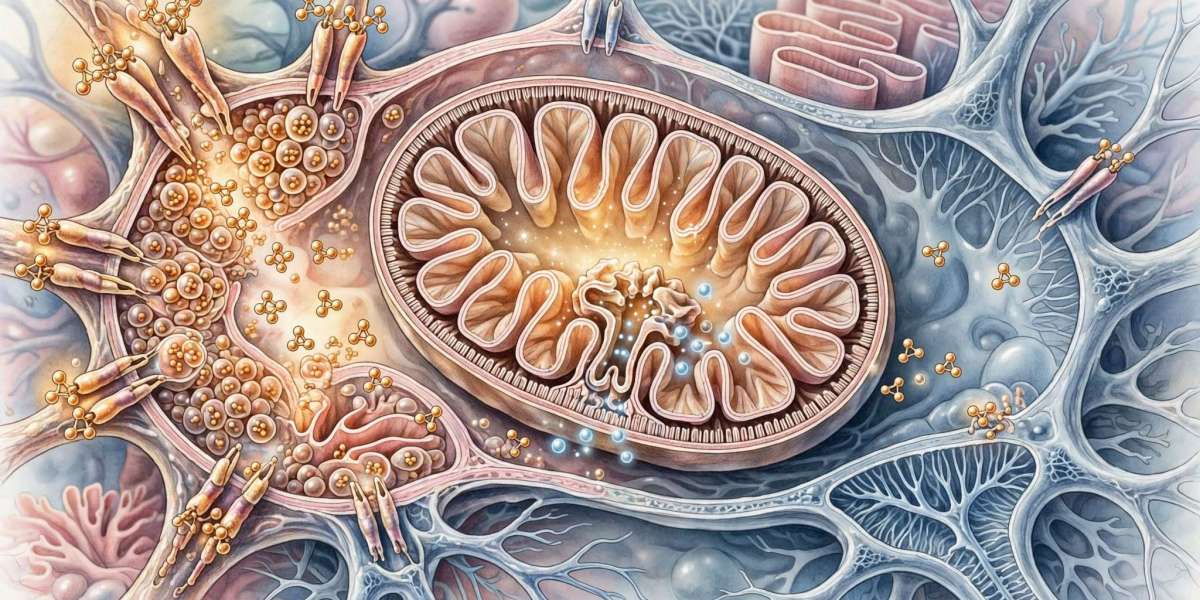
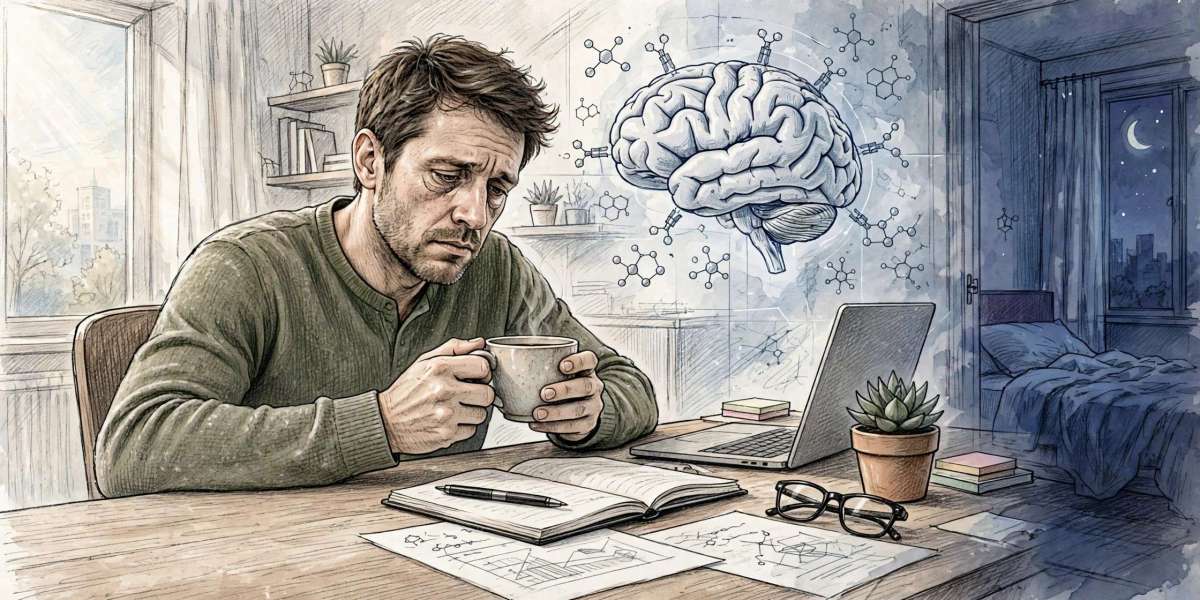
At the center of the explanation is adenosine, a chemical that naturally accumulates in the brain during the hours a person is awake. As adenosine builds up, it binds to receptors in the brain and contributes to feelings of sleepiness.
Caffeine has a structure that allows it to bind to adenosine receptors, effectively blocking adenosine from producing its usual sleep-promoting effect. The result is increased alertness and wakefulness. However, the underlying accumulation of adenosine does not simply disappear when someone drinks coffee. It remains part of the body's normal sleep-wake process while caffeine temporarily interferes with the signal. (news-medical.net)
This helps explain why some people may experience a period of alertness followed by renewed tiredness. As caffeine's effects decline, adenosine can again interact with its receptors, and the feeling of fatigue may become more noticeable.
The timing and intensity of this experience vary considerably between individuals. Caffeine is absorbed relatively quickly, with the News-Medical review citing approximately 99% absorption within the first 45 minutes. GoodRx notes that caffeine can begin working within roughly 15 minutes to two hours, reaches peak blood levels within about an hour, and its effects may last approximately four to six hours, although individual experiences can differ. Verywell Health similarly notes that caffeine levels typically peak within one to two hours and that the body takes roughly 2.5 to five hours to reduce the amount of caffeine in the body by half. These figures describe different aspects of caffeine's absorption and elimination, rather than a single fixed timeline for everyone. (news-medical.net)
One major reason coffee may seem less effective over time is caffeine tolerance.
People who consume caffeine regularly can become accustomed to its effects. According to the sources reviewed, the brain may adapt to repeated caffeine exposure by increasing the number of adenosine receptors or otherwise altering the balance of the sleep-wake system. As a result, the same amount of caffeine may no longer produce the same level of alertness that it once did. (news-medical.net)
This can create a frustrating cycle. A person may drink coffee because they already feel tired, but regular caffeine use may have reduced the drink's ability to produce a noticeable boost in alertness. The individual may then interpret the continuing fatigue as coffee making them sleepy, when the underlying issue may instead be that the caffeine is no longer strong enough to overcome existing tiredness.
Individual biology may also play a role. Genetic differences influence how people metabolize caffeine, and some individuals process it more quickly than others. The News-Medical article discusses genetic variations involving several genes associated with caffeine metabolism and response, while GoodRx highlights genetic differences affecting how quickly caffeine is processed. A person who metabolizes caffeine relatively quickly may experience a shorter period of noticeable stimulation and may feel tired again sooner. (news-medical.net)
The same amount of coffee, therefore, does not necessarily produce the same experience in every person. One individual may feel alert for several hours, while another may notice only a brief effect. Genetics, habitual caffeine intake and other individual characteristics can all contribute to these differences. (news-medical.net)
Sleep itself is another important part of the equation.
Coffee can help mask feelings of tiredness, but it cannot replace the restorative function of adequate sleep. If someone is consistently sleeping too little or experiencing poor-quality sleep, caffeine may temporarily make them feel more alert without addressing the underlying fatigue.
The timing of coffee consumption can make this problem worse. Drinking caffeine later in the day may interfere with the ability to fall asleep or maintain good-quality nighttime sleep. That can create a cycle in which a person sleeps poorly, feels tired the following day, drinks more coffee to compensate and then potentially disrupts sleep again. (news-medical.net)
GoodRx notes that people who are struggling with daytime sleepiness may benefit from prioritizing sleep rather than relying increasingly on caffeine. The article recommends avoiding caffeine for up to six hours before bedtime, while Verywell Health similarly advises avoiding caffeine within six hours of sleep. The exact timing that affects sleep can vary between individuals, but the central point is that caffeine consumed later in the day may remain active long enough to affect nighttime rest. (GoodRx)
Another possible factor is how coffee is consumed. Coffee itself contains relatively little sugar unless sweeteners, syrups or other additions are included. The available evidence suggests that consuming coffee, especially with added sugars, can affect blood sugar levels, potentially contributing to fluctuations that some people may experience as daytime fatigue. The research also indicates that caffeine's effects on glucose metabolism are complex and may differ between short-term and longer-term consumption. (news-medical.net)
Verywell Health and News-Medical also discuss possible links between caffeine, glucose regulation and insulin resistance. However, these mechanisms are more complicated than the simple idea of a universal "sugar crash" caused by coffee, and individual responses can differ. The available information therefore does not support saying that blood-sugar changes are the main explanation for everyone who becomes sleepy after drinking coffee. Instead, they represent one possible contributing factor in some circumstances. (news-medical.net)
The question of dehydration is similarly nuanced. Caffeine has diuretic properties, meaning it can increase urine production. However, News-Medical notes that coffee is more than 95% water, and its diuretic effect is generally not considered sufficient to cause dehydration under ordinary consumption conditions. Large amounts of caffeine without adequate fluid intake could potentially contribute to dehydration-related symptoms, but dehydration should not automatically be assumed to be the reason someone feels sleepy after a normal cup of coffee. (news-medical.net)
There are also individual differences in how people experience caffeine. Verywell Health discusses the possibility that some people with ADHD may experience caffeine differently, potentially feeling calmer or more focused rather than obviously stimulated. However, the source emphasizes that the relationship between caffeine and sleepiness in people with ADHD has not been well studied, so this should not be treated as a confirmed explanation for post-coffee fatigue. (Verywell Health)
For people who notice that coffee consistently leaves them tired, the sources suggest focusing first on the underlying factors rather than simply increasing caffeine consumption.
One approach is to examine caffeine tolerance. GoodRx suggests that people who regularly consume large amounts of caffeine may benefit from reducing their intake or taking occasional breaks. However, abruptly stopping caffeine can cause withdrawal symptoms, so the article recommends gradually cutting back when reducing regular consumption. A gradual transition that includes decaffeinated coffee may make the process easier for some people. (GoodRx)
The amount consumed also matters. GoodRx cites 400 milligrams of caffeine per day as an amount that is considered safe for most healthy adults, while emphasizing that individual needs and circumstances vary. This figure should not be interpreted as a target that everyone needs or should consume. For some people, lower amounts may be more appropriate, particularly if caffeine causes unwanted effects or interferes with sleep. (GoodRx)
The broader lesson is that feeling sleepy after coffee does not necessarily mean that caffeine has a paradoxical effect on the body. In many cases, the experience may reflect the interaction between caffeine's temporary blocking of sleep signals and the person's underlying level of fatigue.
If someone is already sleep-deprived, caffeine may temporarily reduce the sensation of tiredness without removing the need for sleep. If the person has developed caffeine tolerance, the same coffee may provide less stimulation than before. If they process caffeine quickly, its noticeable effects may wear off sooner. And if they drink coffee late enough to disrupt nighttime sleep, the resulting fatigue may reinforce the cycle. (news-medical.net)
For most people, the practical starting point is therefore not necessarily another cup of coffee. It is to look at sleep quality, caffeine timing, daily caffeine intake and individual response.
Coffee remains an effective source of caffeine for increasing alertness for many people, but its effects are not identical for everyone. Understanding how caffeine interacts with adenosine, how tolerance develops and how sleep habits influence daytime energy can help explain why a drink commonly associated with wakefulness sometimes seems to have the opposite effect.
Ultimately, if tiredness persists despite adequate sleep and reasonable caffeine habits, it may be worth discussing the symptom with a healthcare professional rather than continually increasing caffeine intake. Persistent or unexplained fatigue can have many possible causes, and coffee alone may not be the answer.
Key Points Summary
Caffeine blocks adenosine receptors, temporarily reducing the brain's perception of sleepiness.
When caffeine's effects decline, adenosine can again contribute to feelings of fatigue.
Regular caffeine consumption may lead to tolerance, making coffee less effective at promoting alertness.
Genetic differences in caffeine metabolism can influence how long its stimulating effects last.
Drinking coffee too late may disrupt nighttime sleep, potentially contributing to tiredness the next day.
Coffee is mostly water, so ordinary consumption does not automatically mean dehydration is causing post-coffee fatigue.
Reducing caffeine gradually may help people who have developed tolerance while minimizing the risk of withdrawal symptoms.
Adequate sleep remains the foundation of daytime alertness and cannot be replaced by caffeine. (news-medical.net)
What This Means
The experience of feeling sleepy after coffee is not necessarily a sign that coffee is directly making a person tired.
In many cases, it may reflect a combination of underlying sleep deprivation, caffeine tolerance, individual metabolism and the timing of caffeine consumption.
For regular coffee drinkers, the key issue may be that caffeine's effects have become less noticeable over time. For others, a fast metabolism may mean that the alertness boost does not last as long. And for people who drink coffee later in the day, disrupted nighttime sleep can contribute to a cycle of daytime fatigue.
Readers should pay attention to how much caffeine they consume, when they consume it and whether it affects their sleep. If persistent fatigue continues despite adequate rest, it is better to investigate the underlying cause rather than continually increasing caffeine consumption. (news-medical.net)
advertisement
Frequently Asked Questions (FAQ)
Why do I feel sleepy after drinking coffee?
Several factors may contribute, including caffeine tolerance, rapid caffeine metabolism and insufficient or poor-quality sleep. Caffeine temporarily blocks adenosine receptors, but when its effects decline, feelings of tiredness may return. (news-medical.net)
Does coffee actually make you tired?
Coffee is generally considered a stimulant and usually increases alertness. Feeling tired after drinking it does not necessarily mean that coffee directly causes sleepiness. It may instead reveal underlying fatigue, reduced caffeine sensitivity or other factors affecting energy levels. (news-medical.net)
Can caffeine tolerance make coffee less effective?
Yes. Regular caffeine consumption can lead to tolerance, meaning the same amount may produce less noticeable stimulation over time. The brain may adapt to repeated caffeine exposure, reducing its effect on alertness. (news-medical.net)
How long does caffeine stay in the body?
The timing varies from person to person. GoodRx says caffeine's effects may last around four to six hours, while Verywell Health notes that the body typically takes approximately 2.5 to five hours to reduce caffeine levels by half. Individual metabolism and other factors can change these timelines. (GoodRx)
Can drinking coffee late at night make me tired the next day?
Yes. Caffeine consumed later in the day can interfere with nighttime sleep for some people. Poor sleep can then contribute to daytime fatigue, potentially creating a cycle of tiredness and increased caffeine consumption. (GoodRx)
Does coffee dehydrate you and cause fatigue?
Caffeine has a diuretic effect, but ordinary coffee consumption is not generally considered enough to cause significant dehydration because coffee itself contains a large amount of water. Excessive caffeine consumption combined with inadequate fluid intake could be a different situation. (news-medical.net)
Can genetics affect how coffee makes me feel?
Yes. Genetic differences can affect how quickly individuals metabolize caffeine and how sensitive they are to its effects. This is one reason people can respond differently to the same amount of coffee. (news-medical.net)
Should I drink more coffee if my first cup makes me sleepy?
Not necessarily. Increasing caffeine intake may contribute to tolerance and can potentially interfere with sleep. It may be more useful to examine sleep quality, caffeine timing and overall consumption first. (GoodRx)
How can I reduce caffeine tolerance?
GoodRx recommends gradually reducing caffeine consumption, and some people may benefit from taking breaks from caffeine. Cutting back gradually can help reduce the likelihood of withdrawal symptoms. (GoodRx)
When should I be concerned about persistent tiredness?
If you consistently feel unusually tired despite getting adequate sleep, or if fatigue is persistent or unexplained, consider speaking with a healthcare professional. Coffee may not be the underlying cause, and persistent fatigue can have many possible explanations.
Sources
Disclaimer:
What is mentioned in this article is for advice and is not a substitute for consulting a doctor
Thank you !