
(What will be mentioned in this article is for advice and is not a substitute for consulting a doctor)
The Common Mistake That Could Make Aging Joints Hurt More
Key Points
Avoiding movement because of aching joints may make the problem worse, as regular, appropriate exercise can help maintain joint function and reduce osteoarthritis pain.
Cartilage and synovial fluid change with age, increasing the importance of movement and strengthening the muscles surrounding vulnerable joints.
Low-impact activities such as swimming, cycling, tai chi, yoga and walking can provide joint-friendly ways to remain active.
Balance and proprioception exercises may help older adults maintain stability and mobility while potentially reducing fall risk.
Experts recommend starting gradually, using support when needed and seeking advice from a physiotherapist or qualified exercise professional before attempting unfamiliar or challenging exercises.
advertisement
For many people, aching knees, hips or other joints can make exercise seem like something to avoid. “But evidence highlighted by experts in 2026 points to an important problem with that approach: stopping movement altogether may not protect aging joints and can instead contribute to greater weakness, stiffness and discomfort.”
The key is not to push painful joints through excessive or poorly controlled exercise. Instead, evidence discussed by The Conversation suggests that appropriately chosen movement can help support joint health as people age, including through low-impact activities that place less force on the joints.
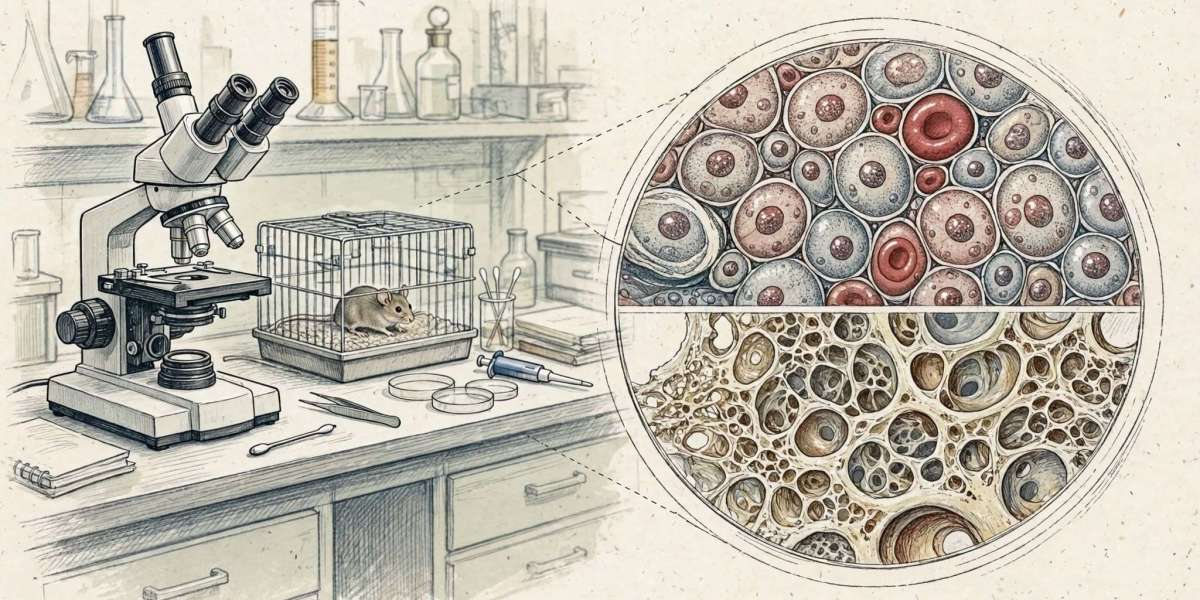
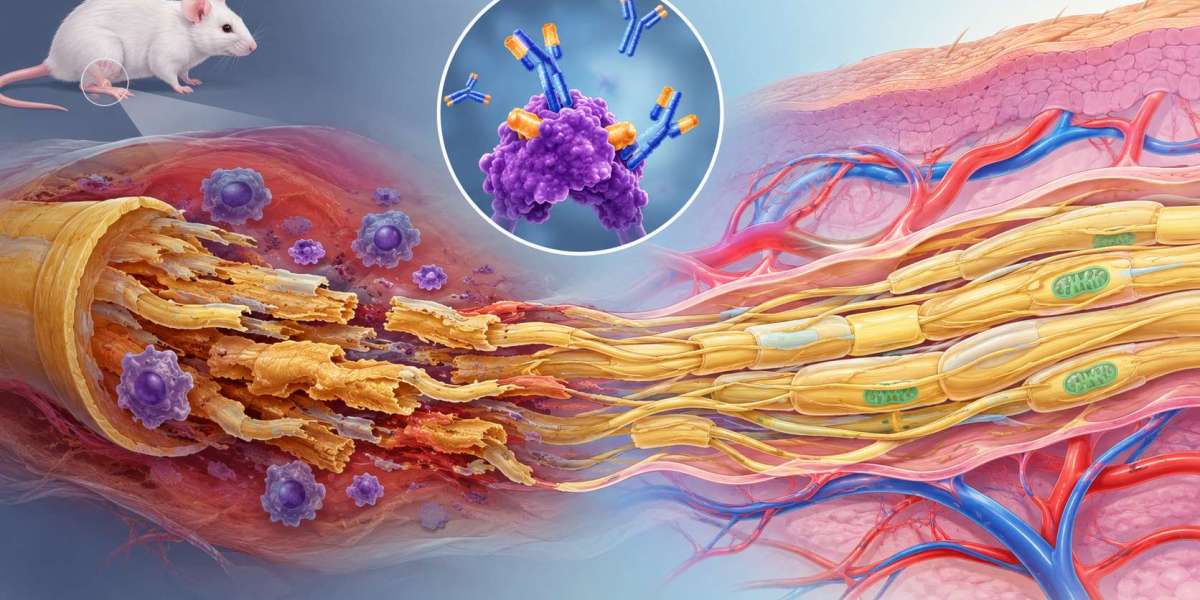
The issue becomes more important with age because the structures that help joints move smoothly gradually change. Articular cartilage, the specialized tissue covering the ends of bones, provides a smooth surface and helps protect joints during movement. Synovial fluid also helps lubricate joints such as the knees, hips and shoulders, reducing friction while supplying cartilage with nutrients.
Cartilage has limited ability to repair itself, partly because it does not have its own blood supply. Gradual cartilage breakdown is associated with osteoarthritis, a condition that affects more than 500 million people worldwide, according to the material cited by The Conversation. Weight-bearing joints, including the knees, hips and spine, are among those commonly affected.
That can create a frustrating cycle. A person may experience joint pain, become less active because movement feels uncomfortable, lose some of the strength that supports the joint and then find everyday movement more difficult.
But movement itself plays an important role in joint function.
According to the article by Gordon Waddington, AIS Professor of Sports Medicine Research at the University of Canberra, movement helps distribute synovial fluid around joints. That process allows the fluid and its nutrients to reach cartilage. At the same time, muscles surrounding joints can act as shock absorbers, helping reduce some of the load placed on the joint.
Strengthening those muscles can therefore be an important part of protecting mobility. The Conversation article specifically points to exercises targeting the quadriceps, the muscles at the front of the thigh, as particularly useful for reducing joint pain.
Evidence from Cochrane supports the broader conclusion that exercise can help people with knee osteoarthritis. Its 2024 review included 139 trials involving 12,468 people and found that exercise probably improves pain and physical function in the short term, although the researchers emphasized that the clinical importance of those improvements was uncertain and that the evidence ranged from low to moderate certainty.
That qualification matters. Exercise is not a cure for osteoarthritis, and it does not guarantee that every person will experience the same degree of pain relief. The Cochrane review found that studies varied considerably in the type and duration of exercise, and many had methodological limitations.
Still, remaining active can provide benefits that extend beyond pain management.
One concept highlighted by Waddington is proprioception — the body's ability to sense where its joints and limbs are positioned and how they are moving. This sense can decline with age. Reduced proprioception may make it harder for the body to distribute weight and control movement efficiently.
Exercises that challenge balance and coordination can help address this aspect of mobility. The Conversation article notes that walking across varied terrain, including grass, gravel or natural trails, can challenge the ankle, knee and hip joints to make continual adjustments. It also cites a 2026 study reporting improved postural control following unstable-surface training in older adults.
However, this does not mean that older adults should suddenly begin exercising on highly unstable surfaces. The guidance emphasizes progression and safety.
For people who are new to exercise, low-impact activities can offer a more accessible starting point. Swimming and water aerobics reduce the amount of body weight carried by the joints because the water supports the body. The Conversation article says water can support up to 90% of body weight. Cycling is another option, particularly for the knees, while tai chi and yoga can combine controlled movement with strength, flexibility or balance work.
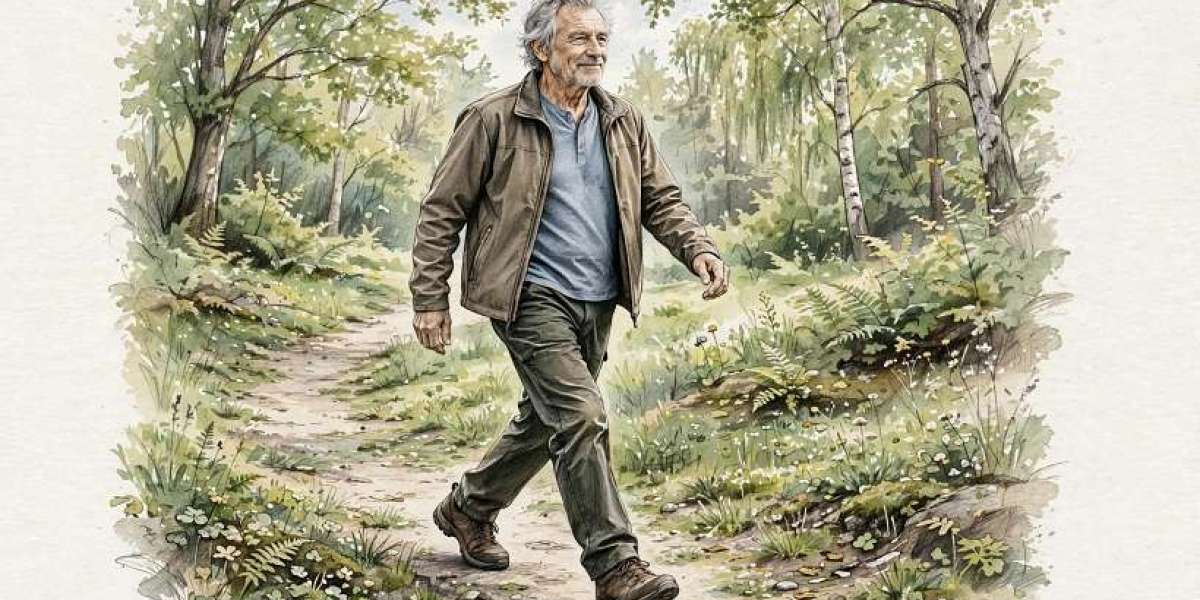
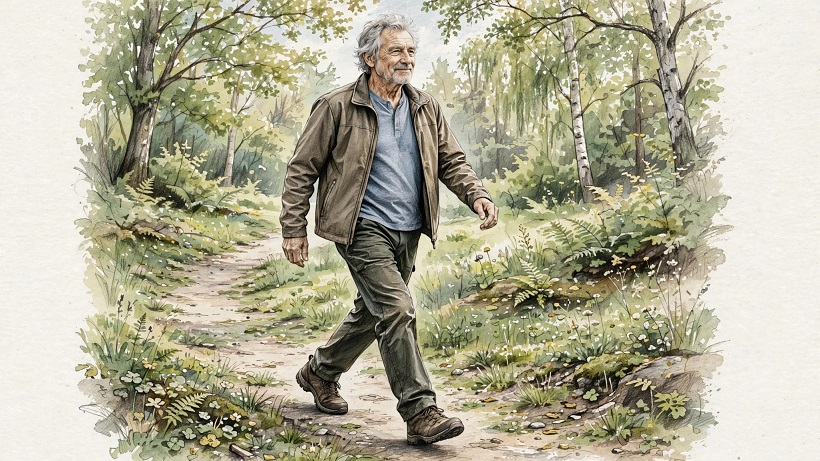
Walking is another straightforward option. Rather than assuming that every form of walking places the same demands on the body, the article suggests that gradually introducing different surfaces can challenge balance and proprioception. Even 10 minutes of walking across a park lawn is presented as a possible way to introduce additional movement.
Balance training is also relevant because falls become an increasingly important health concern with age. The CDC identifies unintentional falls as the leading cause of injury and injury-related death among U.S. adults aged 65 and older. In 2021, more than 38,000 older adults in the United States died from unintentional falls.
The Conversation article cites a systematic review suggesting that exercises challenging balance reduced fall rates by approximately 23%. That figure refers specifically to the evidence discussed in the article and should not be interpreted as a guarantee that any individual balance program will reduce a person's fall risk by exactly that amount.
For anyone beginning this type of exercise, the recommendation is to start small.
One example is single-leg standing. A beginner can initially practise on a firm surface while holding something stable nearby. The guidance suggests aiming for about 30 seconds on each leg, then progressing to a folded towel or foam pad only after the easier level has been mastered.
Support is particularly important when balance is being challenged. A bench, countertop or other stable surface can provide something to hold if necessary, while walking poles may offer additional assistance during outdoor walking. The guidance also warns against exercising on unstable surfaces when tired.
There is another important caution: low-impact does not mean risk-free.
Holding a yoga position beyond a person's comfortable range of motion can place unnecessary stress on the lower back, shoulders or knees. Deep squats or lunges performed with poor technique can similarly increase strain on the knees. For that reason, people with existing joint problems or those starting a new exercise routine should consider consulting a physiotherapist or certified exercise professional who can tailor exercises to their abilities and circumstances.
The broader lesson is therefore more nuanced than simply "exercise is good for aging joints." The common mistake is treating pain or age as a reason to stop moving altogether. The evidence instead supports finding forms of movement that are appropriate, progressive and manageable.
For someone with osteoarthritis, that might mean strengthening the muscles around a painful joint. For another person, swimming or cycling may provide a comfortable way to remain active. Someone primarily concerned about balance may benefit from carefully supervised coordination and stability exercises.
The goal is not to force aging joints to perform as they did decades earlier. It is to maintain strength, mobility, coordination and confidence while avoiding unnecessary strain.
As joints naturally change with age, regular movement cannot eliminate every source of pain or prevent every joint problem. But the evidence indicates that appropriate exercise can help people with knee osteoarthritis manage pain and improve physical function, while low-impact and balance-focused activities can support broader mobility.
The most practical takeaway is simple: aging joints generally need the right amount and type of movement, not complete rest. Starting gradually, using support, progressing carefully and getting professional advice when needed can make exercise a safer and more sustainable part of healthy aging.
Key Points Summary
Aging naturally changes cartilage and synovial fluid within joints.
Avoiding all movement because of joint discomfort can contribute to reduced strength and mobility.
Exercise can help reduce pain and improve function in people with knee osteoarthritis.
Swimming, water aerobics, cycling, tai chi, yoga and walking are among the low-impact options discussed.
Balance and proprioception exercises may support stability as people age.
Beginners should start gradually and use support when necessary.
People with existing joint problems should consider advice from a physiotherapist or qualified exercise professional.
Exercise should be adapted to the individual's abilities rather than performed through significant pain.
Low-impact exercise is useful, but it is not completely risk-free.
The goal is to maintain movement and strength without unnecessarily overloading aging joints.
What This Means
Why it matters: Joint discomfort can easily lead people to reduce physical activity, but the evidence discussed by The Conversation and Cochrane indicates that appropriate exercise can help maintain function and, particularly for knee osteoarthritis, reduce pain.
Who may be affected: The advice is especially relevant to older adults experiencing stiffness, reduced mobility or osteoarthritis, although exercise choices should be individualized.
What readers should watch next: The most important consideration is not simply whether to exercise, but which exercises are appropriate, how they are performed and how quickly activity is increased. People with significant pain, existing injuries or uncertainty about their ability should seek professional guidance.
advertisement
Frequently Asked Questions (FAQ)
Can avoiding exercise make aging joints hurt more?
Avoiding movement altogether can contribute to weakness and reduced mobility. The sources emphasize that appropriate exercise can instead help nourish cartilage, strengthen supporting muscles and improve joint function.
What is the best exercise for aging joints?
There is no single exercise that is best for everyone. Options discussed include swimming, water aerobics, cycling, tai chi, yoga and walking, while strengthening exercises can help build the muscles that support joints.
Is walking good for osteoarthritis?
Walking can be part of an appropriate exercise program. The Conversation article also highlights walking on varied terrain as a way to challenge balance and proprioception, but people should progress gradually and use support when necessary.
Should older adults exercise on unstable surfaces?
Not immediately. The guidance recommends starting on stable surfaces, mastering easier balance tasks and progressing gradually. People should also avoid unstable-surface exercise when tired and keep something stable nearby for support.
Can exercise cure osteoarthritis?
No. Exercise can help manage symptoms and improve physical function, but it is not a cure for osteoarthritis. Cochrane found short-term improvements in pain and function from exercise for knee osteoarthritis, while noting uncertainty about the clinical importance of those benefits.
Is low-impact exercise completely safe?
No exercise is entirely risk-free. Poor technique, excessive range of motion or progressing too quickly can cause problems. The sources recommend appropriate support and professional guidance when needed.
How can someone begin exercising if their joints already hurt?
A sensible approach is to start small, choose manageable activities and increase difficulty gradually. Swimming, water exercise and cycling may provide lower-impact options, while a physiotherapist or qualified exercise professional can help develop an individualized program.
Sources
ScienceDaily — “The common mistake that could make aging joints hurt more”
The Conversation — “What exercises will keep my ageing joints healthy?”
Additional Verified Sources
Disclaimer:
What is mentioned in this article is for advice and is not a substitute for consulting a doctor
Thank you !