
Nuclear Fusion Rocket Could Make Mars Missions Much Faster
The nuclear fusion rocket that could take humans to Mars faster | BBC News
Key Points
Pulsar Fusion, a UK-based space propulsion company, is developing Sunbird, a proposed nuclear fusion-powered spacecraft concept designed to provide faster propulsion for deep-space missions.
The concept is intended to use nuclear fusion, the same basic process that powers the Sun, rather than conventional chemical rocket propulsion.
Pulsar Fusion says the technology could eventually reduce the time required for a journey to Mars by about half, although this remains a future goal rather than a demonstrated capability.
The company has reported progress toward its propulsion technology, including a "first plasma" milestone in March 2026, but the system remains in development and faces major engineering challenges.
NASA is separately pursuing nuclear thermal propulsion (NTP) and nuclear electric propulsion (NEP), both of which could improve the speed and efficiency of future missions to Mars and destinations farther from the Sun. (GlobeNewswire)
advertisement
A proposed nuclear-powered rocket could eventually make journeys to Mars significantly faster, as engineers and space agencies investigate propulsion technologies that could overcome some of the limitations of conventional chemical rockets.
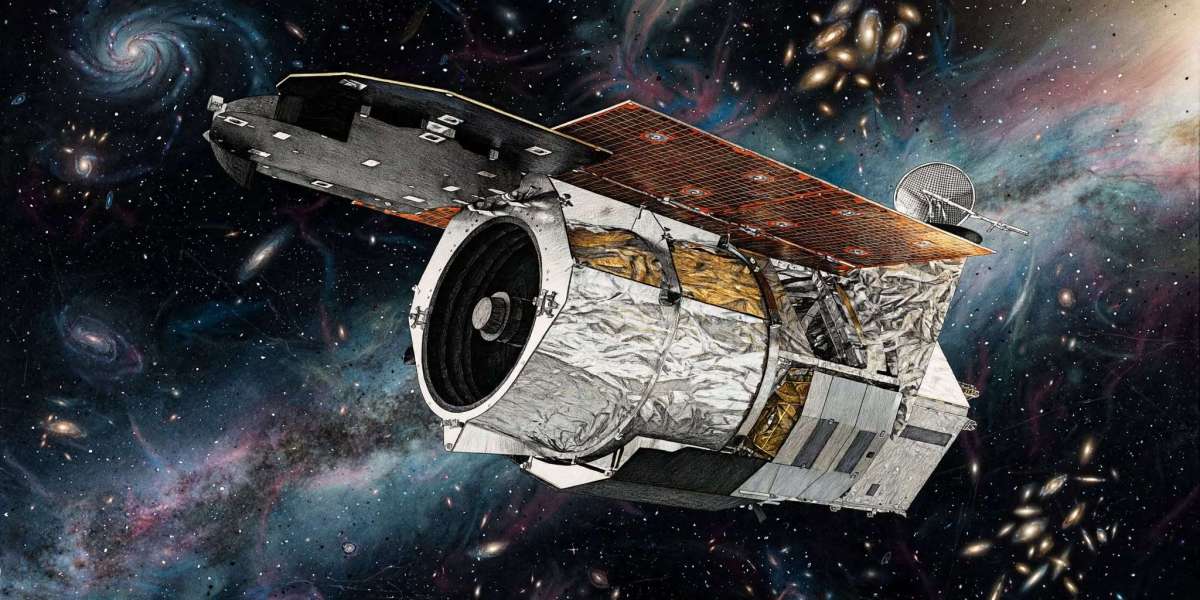
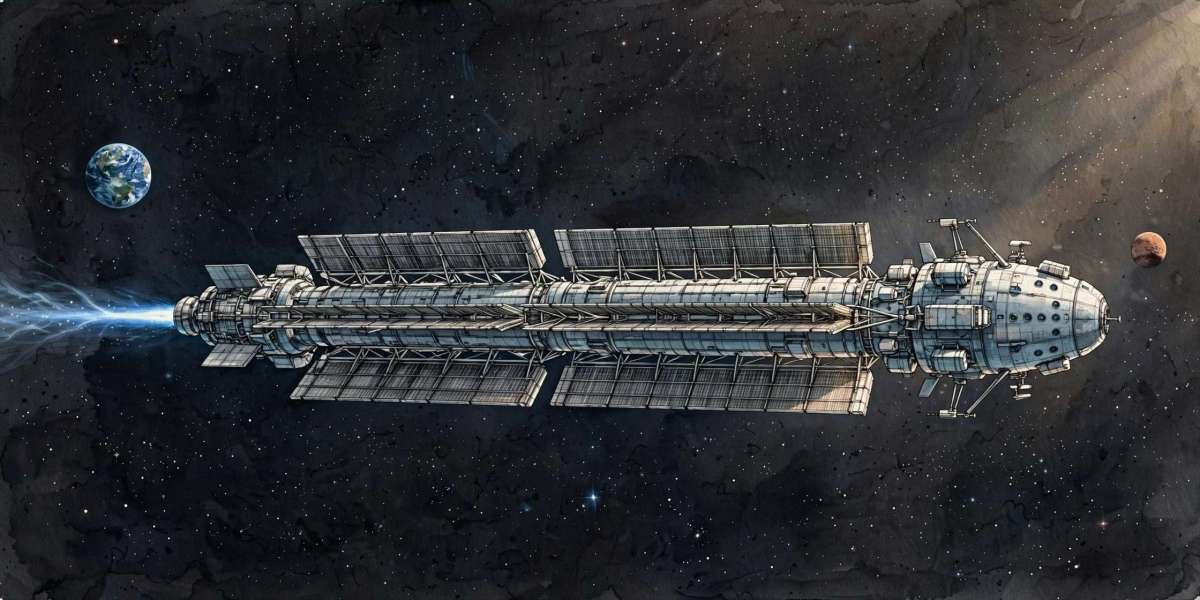
The concept comes from Pulsar Fusion, a UK-based company developing advanced propulsion technologies. Its proposed Sunbird system is based on nuclear fusion, the process that powers the Sun and other stars, and is intended to operate as a high-performance propulsion system for spacecraft traveling through deep space.
The idea is ambitious, but it is important to distinguish between what has already been demonstrated and what remains a future objective. Sunbird is still a developing technology, not an operational Mars rocket, and the company's projections about faster travel times depend on successfully solving substantial technical challenges.
According to reporting by CNN, Pulsar Fusion's concept could potentially cut the duration of a future Mars journey by about half. The company has described a future system capable of reaching extremely high speeds, with CNN reporting a potential target of up to 500,000 miles per hour (805,000 kilometers per hour). Such performance, if eventually achieved in a practical spacecraft, could substantially reduce the time astronauts or robotic spacecraft spend traveling between planets.
The motivation for faster transportation to Mars goes beyond convenience. A crewed mission to the Red Planet would expose astronauts to the hazards of long-duration spaceflight, including radiation, isolation and the physical effects of spending extended periods in microgravity. Shorter transit times could therefore become an important objective for future human exploration.
The proposed Sunbird system is based on nuclear fusion, which is fundamentally different from the nuclear fission systems being investigated by NASA for space propulsion.
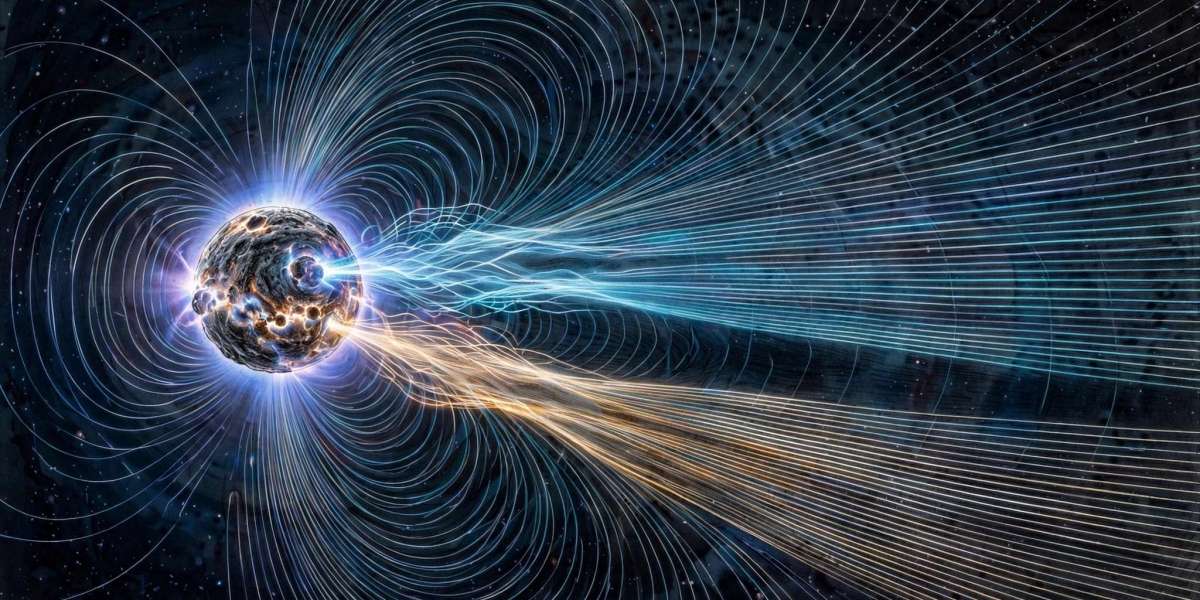
Fusion occurs when light atomic nuclei combine under extremely high temperatures and pressures, releasing energy. It is the process that powers the Sun. Fission, by contrast, generates energy by splitting heavy atomic nuclei such as uranium.
On Earth, scientists have spent decades attempting to develop practical fusion energy systems. Maintaining the extremely hot plasma required for sustained fusion and producing more useful energy than the system consumes remain major challenges. Pulsar Fusion's approach is based on the idea that some aspects of fusion propulsion may be more practical in the vacuum of space than within Earth's atmosphere.
The company has been developing its Sunbird concept as a form of space propulsion that could eventually provide continuous or sustained thrust for interplanetary travel. Rather than relying solely on the short bursts of high thrust typically associated with chemical rockets, an advanced nuclear propulsion system could potentially accelerate a spacecraft for much longer periods.
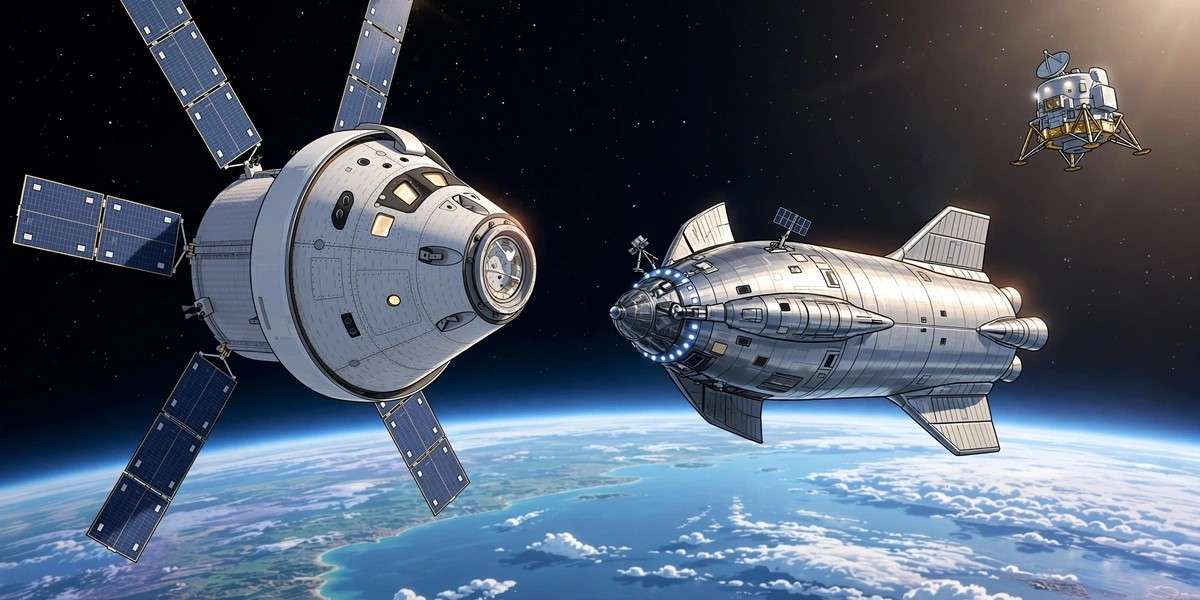
Pulsar Fusion has also described its technology as a potential space tug that could meet spacecraft after they have reached orbit and then provide propulsion for their journey to another destination. This approach could separate the task of launching a spacecraft from Earth from the task of transporting it through deep space.
However, the technology is still at an early stage. In March 2026, Pulsar Fusion announced that it had achieved "first plasma" in its Sunbird exhaust test system. The test was conducted by scientists at the company's facility in Bletchley, UK, and the results were live-streamed to a technical session at Amazon's MARS Conference in Ojai, California, hosted by Jeff Bezos. The company presented the achievement as an early demonstration of the physical architecture behind its proposed fusion propulsion system. (GlobeNewswire)
That milestone is significant for the development program, but it does not mean that a fusion-powered spacecraft capable of traveling to Mars has already been built or tested in space. The path from demonstrating plasma in an experimental system to developing a reliable, high-performance fusion propulsion system suitable for interplanetary missions remains considerable.
This distinction is particularly important because fusion propulsion involves some of the most demanding problems in modern engineering. A practical system would need to create and control extremely hot plasma, manage the energy produced by the fusion process, direct that energy into useful thrust and operate reliably in the harsh environment of space.
The potential rewards, however, are considerable.
NASA is also investigating nuclear propulsion as part of its long-term Moon to Mars exploration strategy, although its current work focuses on nuclear thermal propulsion and nuclear electric propulsion, rather than the fusion propulsion concept being developed by Pulsar Fusion.
NASA explains that nuclear thermal propulsion (NTP) would use heat generated by a fission reactor to heat a liquid propellant, turning it into a gas that expands through a nozzle to generate thrust. NASA says NTP can provide high thrust with roughly twice the propellant efficiency of chemical rockets, potentially allowing spacecraft to carry more payload or mission supplies while reducing travel time. (NASA)
Nuclear electric propulsion (NEP) takes a different approach. In this system, energy from a fission reactor is converted into electricity, which is then used to ionize and accelerate a propellant. NASA notes that NEP produces relatively low thrust, but it can operate efficiently over long periods, allowing spacecraft to accelerate continuously or for extended durations while using much less propellant than high-thrust systems. (NASA)
These technologies illustrate why nuclear propulsion is attracting attention as space agencies and private companies look beyond traditional chemical propulsion.
Chemical rockets remain extremely effective for launching spacecraft from Earth, where high thrust is essential to overcome gravity. But once a spacecraft is in space, the requirements change. A propulsion system that can operate efficiently for long periods could offer advantages for missions to Mars and even more distant destinations.
NASA says advanced nuclear propulsion could enable more rapid transits to Mars and destinations across the outer solar system. Nuclear systems could also provide high levels of onboard power for scientific instruments and communications, an advantage that becomes increasingly important as spacecraft travel farther from the Sun and solar power becomes less practical. (NASA)
NASA's work also demonstrates that the concept of nuclear propulsion is not new. The United States has investigated nuclear propulsion for space applications for nearly 70 years. Earlier programs included Project Rover and the Nuclear Engine for Rocket Vehicle Application (NERVA), which were active during the early decades of the Space Age. NASA and the U.S. Department of Energy have continued researching nuclear propulsion technologies in various forms. (NASA)
The agency's current work includes collaboration with the U.S. Department of Energy and several national laboratories and industry partners. NASA says its nuclear propulsion efforts are intended to mature technologies that could eventually support future human missions to Mars. (NASA)
The distinction between these approaches is important. Pulsar Fusion's Sunbird concept is based on nuclear fusion, while NASA's current space nuclear propulsion programs described on its website focus on nuclear fission-based thermal and electric propulsion. Both approaches seek to improve the efficiency and capabilities of spacecraft, but they rely on different physical processes and face different engineering challenges.
For Mars exploration, reducing travel time could have significant implications. A faster spacecraft could potentially reduce the duration of exposure to the deep-space environment and allow future missions to spend a greater proportion of their overall mission time conducting scientific work or exploration rather than simply traveling.
But the prospect of faster Mars travel should not be confused with an imminent operational breakthrough. No fusion-powered spacecraft has yet demonstrated the ability to transport astronauts to Mars, and the claimed reduction in travel time remains a projection based on future technological development.
The same caution applies to the broader field of nuclear propulsion. NASA's nuclear thermal and nuclear electric systems are being developed as technologies for future missions, not as propulsion systems currently carrying astronauts between Earth and Mars. Significant work remains in areas including reactor design, materials, testing, safety, integration and mission architecture. (NASA)
For now, the most important development is the continued progress in researching propulsion systems that could eventually make deep-space travel faster and more efficient.
Pulsar Fusion's reported 2026 plasma milestone represents one step in its attempt to develop fusion propulsion, while NASA's ongoing nuclear thermal and nuclear electric propulsion programs demonstrate that government researchers are pursuing different nuclear technologies for future exploration. (GlobeNewswire)
The next major question is whether these concepts can move from laboratory demonstrations and engineering studies to reliable systems that can actually operate in space. If researchers succeed, nuclear propulsion could become an important part of the technology base for future missions to Mars and beyond. But until that happens, the possibility of cutting Mars travel time in half remains an ambitious goal rather than an established capability.
Key Points Summary
Pulsar Fusion is developing the proposed Sunbird nuclear fusion propulsion concept.
The company says the technology could eventually reduce Mars travel time by about half.
The concept remains in development and has not yet demonstrated a crewed or operational Mars mission.
Pulsar reported a first-plasma milestone in March 2026 as part of its Sunbird development program. (GlobeNewswire)
NASA is separately developing nuclear thermal and nuclear electric propulsion for future deep-space missions.
Nuclear propulsion could offer advantages in travel time, propellant efficiency and onboard power compared with conventional systems. (NASA)
What This Means
Why it matters: Faster propulsion could eventually reduce the duration of human and robotic missions to Mars, potentially helping address some of the challenges associated with long-duration deep-space travel.
Who may be affected: Future astronauts, space agencies such as NASA, and private companies developing deep-space transportation systems could benefit if advanced nuclear propulsion becomes practical.
What to watch next: The key issue is whether technologies such as Pulsar Fusion's Sunbird can progress from experimental demonstrations to a reliable propulsion system that can be tested and operated in space. NASA's continued development of nuclear thermal and nuclear electric propulsion is another important area to monitor. (NASA)
advertisement
Frequently Asked Questions (FAQ)
How much faster could a nuclear-powered rocket reach Mars?
Pulsar Fusion says its proposed technology could eventually cut the journey time to Mars by about half. The exact duration would depend on the spacecraft, trajectory, propulsion performance and mission design. This is a future projection, not a demonstrated travel time.
What is the Sunbird rocket?
Sunbird is a proposed propulsion system being developed by Pulsar Fusion, a UK-based space propulsion company. It is designed around nuclear fusion propulsion and is intended to provide high-performance propulsion for deep-space missions.
Has the Sunbird rocket flown to space?
No. Sunbird is still under development. Pulsar Fusion has reported progress in its experimental propulsion work, including a first-plasma milestone in March 2026, but this is not the same as demonstrating a complete fusion-powered spacecraft in space. (GlobeNewswire)
Is nuclear fusion the same as nuclear fission?
No. Fusion combines light atomic nuclei and is the process that powers the Sun. Fission splits heavy atomic nuclei and is the process used in conventional nuclear reactors. Pulsar Fusion's Sunbird concept is based on fusion, while NASA's current nuclear thermal and nuclear electric propulsion programs use energy from fission reactors. (NASA)
Is NASA developing nuclear rockets for Mars?
Yes. NASA is investigating nuclear thermal propulsion and nuclear electric propulsion as potential technologies for future missions, including human exploration of Mars. The agency says nuclear propulsion could enable faster transits and improve propellant efficiency. (NASA)
Why is faster travel to Mars important?
Shorter journeys could reduce the amount of time astronauts spend exposed to the challenges of deep-space travel, including radiation and the effects of long-duration missions. Faster propulsion could also potentially improve the efficiency of robotic exploration.
Could nuclear propulsion replace chemical rockets?
Not necessarily. NASA expects chemical propulsion to remain useful for launching payloads from Earth because of its technical and economic advantages. Nuclear propulsion could instead be used after a spacecraft is safely away from Earth, depending on the mission architecture and technology involved. (NASA)
When could fusion-powered rockets carry people to Mars?
There is currently no confirmed operational timeline for crewed Mars missions using fusion propulsion. The technology remains under development, and major technical challenges must be solved before such a system could become operational.
Sources
Additional Verified Sources
Thank you !