
Colossal Biosciences Artificial Egg Hatches 26 Chickens in Breakthrough Step Toward Dodo and Moa De-Extinction
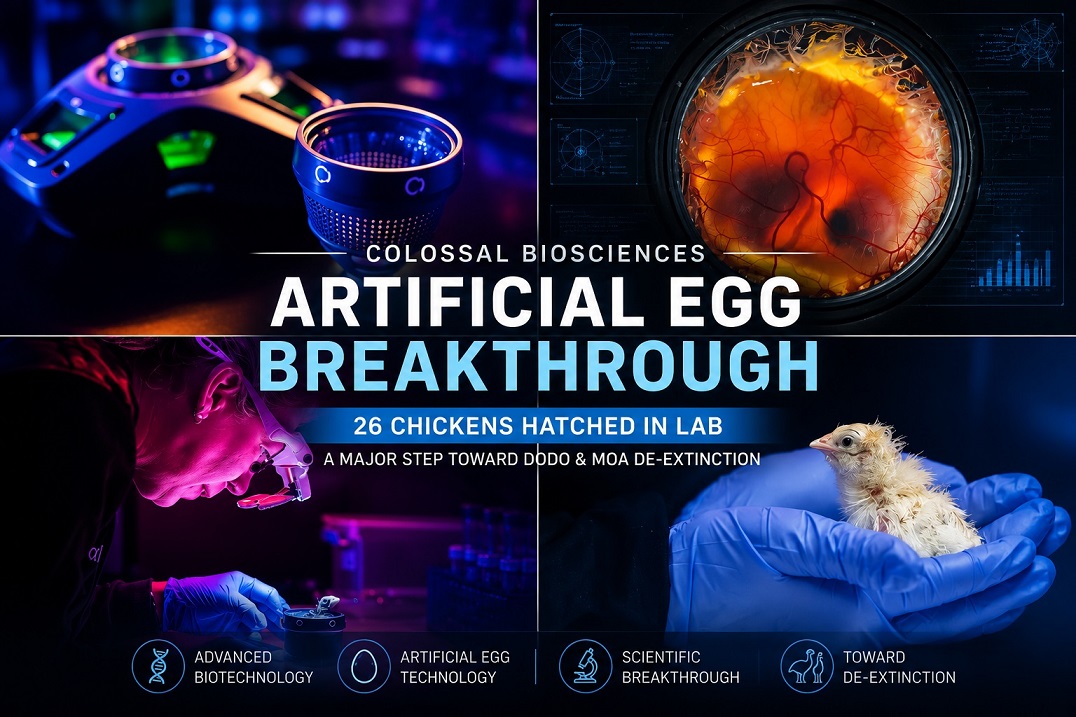
World’s Most Advanced Artificial Egg Hatches Chicks - Colossal Biosciences
Key Points
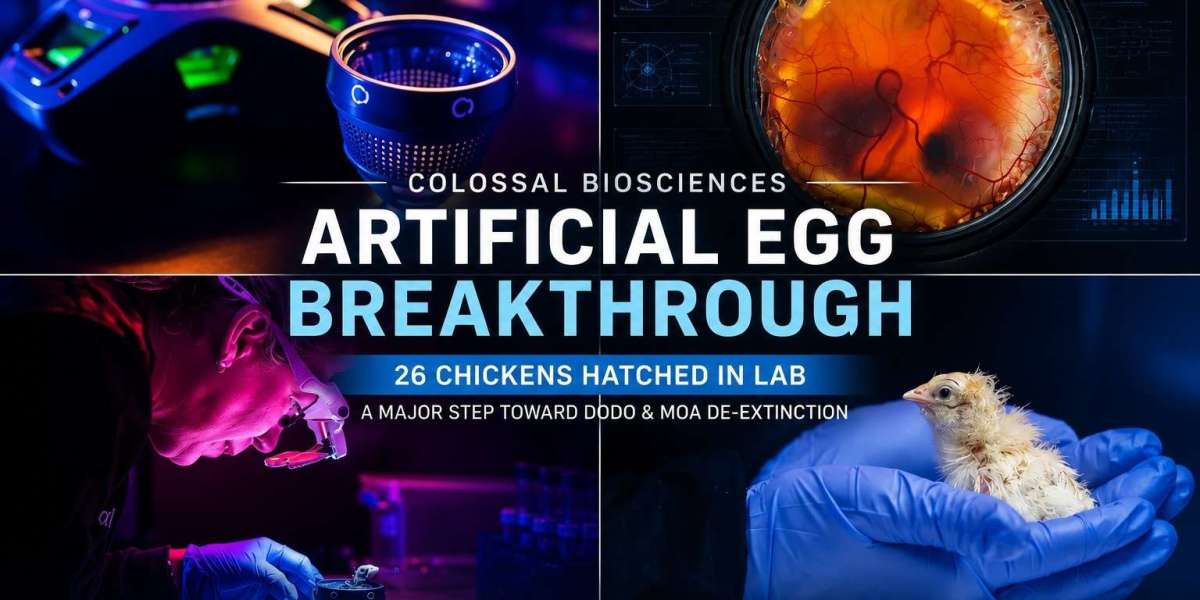
Colossal Biosciences announced that 26 healthy chickens successfully hatched from fully artificial eggs.
The breakthrough is considered a major step toward the company’s long-term goal of reviving extinct birds such as the dodo and the South Island giant moa.
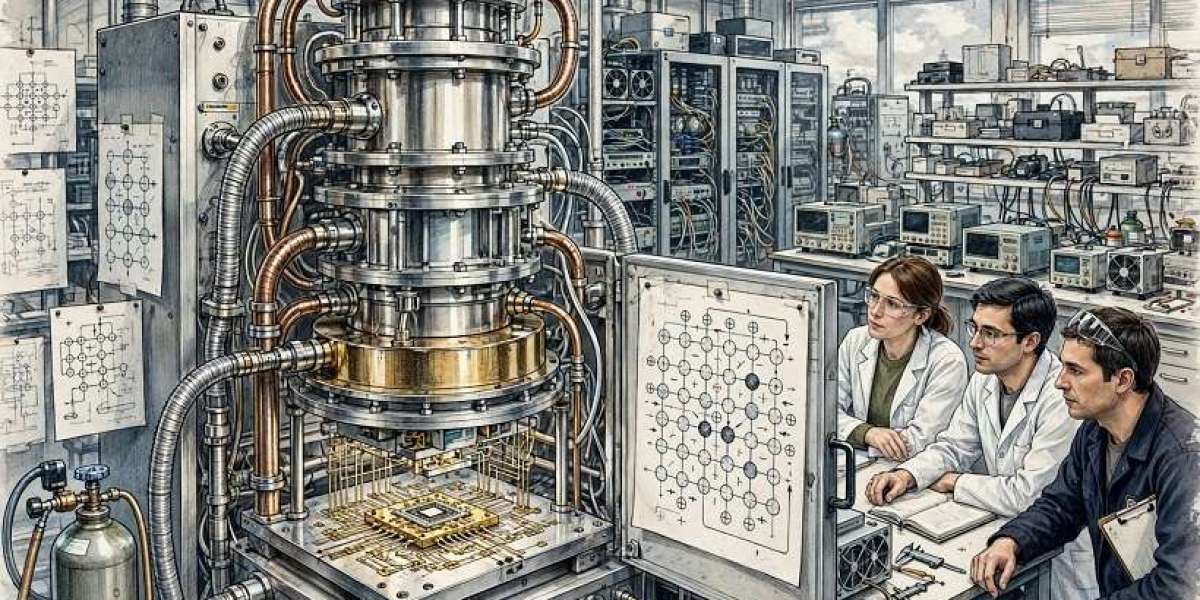
The artificial egg system uses a silicone-based membrane and 3D-printed structure that mimics natural eggshell functions.
Scientists say the technology solves one of the biggest challenges in bird de-extinction: incubating giant extinct bird embryos without natural surrogate parents.
The artificial eggs allow embryo monitoring in real time and do not require supplemental oxygen.
The company believes the technology could also help conserve endangered bird species.
Some scientists praised the engineering achievement, while others remain skeptical about whether true “de-extinction” is scientifically possible.
Colossal says future testing may involve larger bird embryos such as emus and ostriches before any moa-related experiments.
advertisement
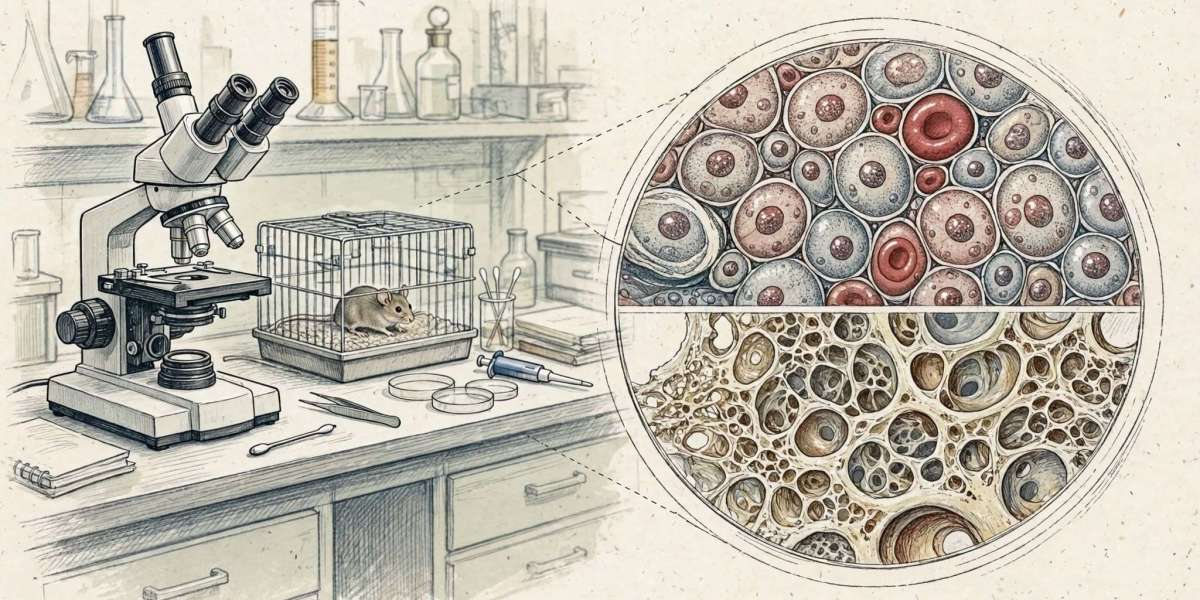
Colossal Biosciences Artificial Egg Project has become one of the most talked-about biotechnology stories of 2026 after the company confirmed that 26 healthy chickens successfully hatched from fully artificial eggs, marking a potentially historic step toward the future revival of extinct birds including the dodo and the massive South Island giant moa. According to the company, the artificial egg platform was designed to recreate the essential biological functions of a natural eggshell, including oxygen exchange, moisture regulation, and embryo protection, while using a transparent silicone-based membrane and 3D-printed support structure that allows scientists to directly monitor development throughout incubation. The breakthrough is especially important because extinct birds such as the moa laid eggs far larger than any modern bird can naturally incubate, making traditional surrogate-based reproduction nearly impossible. Colossal CEO Ben Lamm explained that the technology creates an entirely new incubation system capable of supporting embryo development from early stages through hatching without supplemental oxygen, something previous artificial egg attempts struggled to achieve. The company stated that the chicks hatched at its Dallas facilities and are currently healthy and being monitored as they grow. Researchers believe the system may eventually support genome-edited embryos designed to recreate traits of extinct birds using living relatives such as chickens, pigeons, emus, or ostriches.
The announcement has generated enormous attention in both the scientific community and mainstream media because it represents one of the most advanced avian reproductive engineering systems ever publicly revealed. Colossal Biosciences is already known for its controversial de-extinction projects involving the woolly mammoth, dire wolf, dodo, and moa, and this artificial egg technology is now viewed as a critical missing piece in the company’s long-term strategy. Unlike mammals, birds cannot simply carry cloned embryos inside surrogate mothers, meaning scientists must solve the challenge of external embryo development inside an artificial environment. Experts noted that the moa presents an extreme challenge because its eggs were estimated to be around 80 times larger than chicken eggs, while the birds themselves could stand over 10 feet tall and weigh hundreds of kilograms. Colossal claims the artificial egg platform is scalable and adaptable to larger species, opening the possibility of future incubation systems for giant extinct birds. The company also says the technology could have conservation benefits for endangered bird species with low hatch success rates, potentially helping preserve biodiversity through artificial incubation and genetic rescue programs.
However, the project has also sparked debate among researchers and conservation experts. Several scientists praised the engineering achievement but questioned whether “de-extinction” truly recreates extinct species or instead produces genetically modified modern relatives with similar characteristics. Critics also pointed out that many of Colossal’s announcements have not yet been fully validated through peer-reviewed scientific publications. Some experts warned about ethical and ecological concerns, including whether recreated animals could safely survive in modern ecosystems or whether resources should instead focus on protecting currently endangered species. Despite skepticism, many researchers acknowledged that the artificial egg itself represents a meaningful technological advance in avian biology and developmental engineering. Reports from Reuters, Scientific American, Nature, National Geographic, and other outlets described the achievement as a major milestone that could reshape future conservation science, synthetic biology, and reproductive technology. Colossal has indicated that additional testing on larger bird systems will continue over the coming years, while the company’s broader goal remains the eventual creation of moa-like and dodo-like birds sometime in the 2030s.
Key Points Summary
26 chickens hatched from fully artificial eggs developed by Colossal Biosciences.
The system uses 3D-printed structures and silicone membranes instead of natural eggshells.
The technology is designed to support future de-extinction projects involving the dodo and giant moa.
Scientists consider the achievement a major engineering breakthrough in avian reproduction.
The system allows direct monitoring of embryo development.
The moa’s enormous egg size makes artificial incubation necessary because no living bird could act as a surrogate.
Researchers believe the technology may also help endangered bird conservation programs.
Critics argue that de-extinction science still faces major biological, ethical, and ecological challenges.
advertisement
Frequently Asked Questions (FAQ)
What did Colossal Biosciences achieve?
The company successfully hatched 26 healthy chickens using fully artificial eggs designed to mimic the biological functions of natural eggshells.
Why is this important?
The breakthrough may help scientists incubate embryos of extinct or endangered birds that cannot rely on natural surrogate parents.
What extinct animals is Colossal trying to revive?
The company is working on projects involving the dodo, South Island giant moa, woolly mammoth, and dire wolf.
What is an artificial egg?
It is a bioengineered incubation system using synthetic materials that replicate oxygen transfer, humidity control, and structural support normally provided by a real eggshell.
Why is the moa difficult to revive?
The giant moa laid extremely large eggs that no modern bird species could naturally incubate.
Are scientists supportive of the project?
Opinions are mixed. Some scientists praise the engineering achievement, while others question whether true de-extinction is scientifically achievable or environmentally responsible.
Could this technology help living animals?
Yes. Researchers say artificial egg systems may help endangered bird species with poor hatch rates or reproductive challenges.
When could dodo or moa-like birds appear?
Colossal has suggested possible timelines extending into the 2030s, though no official de-extinction success has yet been confirmed.
Sources
Thank you !