
(What will be mentioned in this article is for advice and is not a substitute for consulting a doctor)
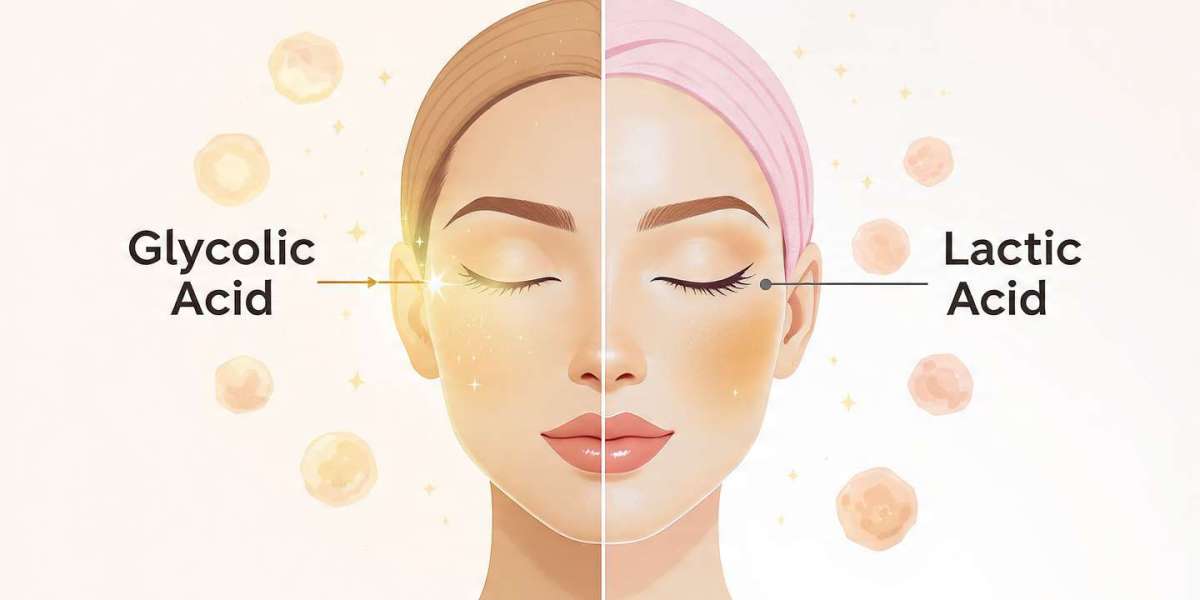
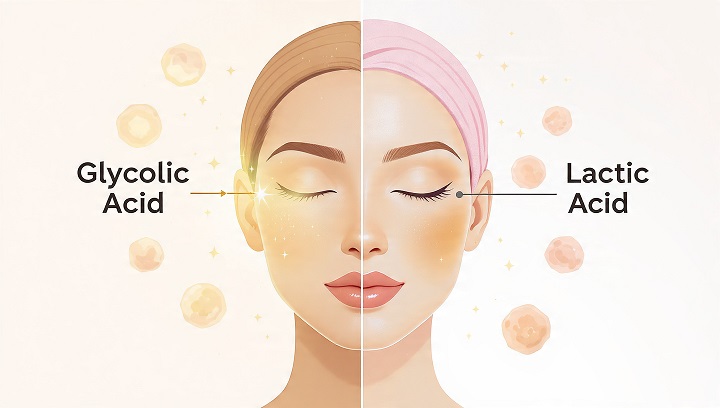
Glycolic Acid vs Lactic Acid for Sensitive Skin: A Complete Guide to Gentle, Effective Skincare
Key Points:
Lactic acid is gentler and hydrating, ideal for sensitive or dry skin.
Glycolic acid works faster but can cause irritation if overused.
Gradual introduction and patch testing are essential for safe exfoliation.
advertisement
Introduction
Choosing the right chemical exfoliant can feel overwhelming, especially if you have sensitive skin. Among the most popular alpha-hydroxy acids (AHAs), glycolic acid and lactic acid are often compared—but they work differently. Glycolic acid penetrates deeply, offering faster results, while lactic acid gently exfoliates and hydrates, making it ideal for reactive or dry skin. Understanding their benefits, drawbacks, and best practices ensures your skin glows without irritation.
Understanding AHAs: How Glycolic and Lactic Acid Work
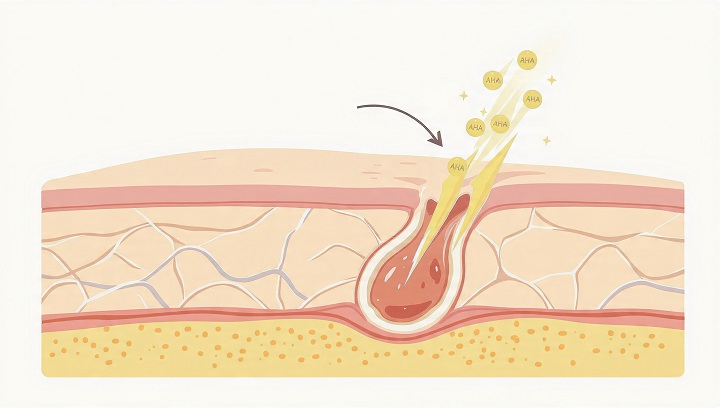
Alpha-hydroxy acids (AHAs) are chemical exfoliants that dissolve the bonds between dead skin cells rather than scrubbing them away. This gentle approach speeds up cellular turnover, revealing fresher, brighter skin. For sensitive skin, gradual and controlled exfoliation is crucial to avoid redness, stinging, or barrier compromise.
Glycolic Acid: The Fast-Paced Exfoliant
What It Is:
Derived from sugar cane, glycolic acid has the smallest molecular size of all AHAs (76 daltons), allowing it to penetrate deeply into the skin. This property makes it highly effective but also increases the risk of irritation.
Benefits for Sensitive Skin:
Accelerates cell turnover for brighter skin
Stimulates collagen, improving fine lines and texture
Fades hyperpigmentation and acne marks
Minimizes pore appearance
Potential Drawbacks:
Can cause redness, peeling, or stinging
Increases photosensitivity
Risk of over-exfoliation and compromised barrier
Temporary purging may occur
Usage Tips:
Start with low concentrations (2–5%) once weekly
Gradually increase frequency only if tolerated
Always follow with moisturizer and SPF
Glycolic acid is like the “express train” for skin—it’s effective, but may overwhelm sensitive passengers.
Lactic Acid: The Gentle, Hydrating Exfoliant
What It Is:
Lactic acid is a larger molecule (90 daltons) derived from milk fermentation or synthesized in skincare products. Its size allows slower penetration, reducing the risk of irritation while providing gentle exfoliation.
Benefits for Sensitive and Dry Skin:
Removes dead skin cells without harsh penetration
Acts as a humectant, boosting hydration
Improves texture and smoothness gradually
Brightens dull skin and supports even skin tone
Reinforces skin barrier integrity
Expert Insights:
Dermatologists frequently recommend lactic acid for beginners or sensitive skin types. Starting with 5–10% concentrations, 2–3 times per week, helps build tolerance safely. It’s also suitable for body care, treating conditions like keratosis pilaris without irritation.
Lactic acid is the “gentle guide,” providing effective exfoliation while keeping skin calm and hydrated.
Direct Comparison: Glycolic vs Lactic Acid
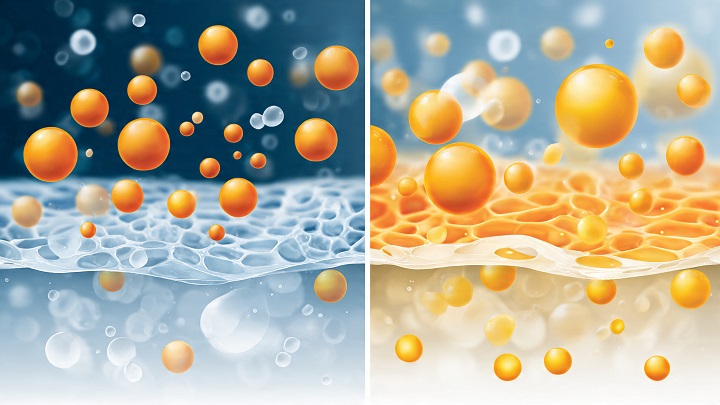
| Feature | Glycolic Acid | Lactic Acid |
|---|---|---|
| Molecular Size | 76 daltons | 90 daltons |
| Penetration | Deep | Surface-level, gentle |
| Speed of Results | Faster (2–4 weeks) | Slower (4–6 weeks) |
| Hydration | Minimal | High, acts as humectant |
| Irritation Risk | Higher | Lower |
| Recommended for Sensitive Skin | Only in low concentration | Highly suitable |
| Tolerance Building | Slower, gradual | Easier, gentler |
Key Takeaways:
Glycolic acid provides rapid exfoliation but can irritate sensitive skin.
Lactic acid offers slower, gentler results with the added benefit of hydration.
Both acids improve texture, brightness, and hyperpigmentation when used correctly.
How to Incorporate AHAs into Your Skincare Routine

Patch Test First: Apply a small amount on your inner forearm or behind your ear for 48 hours.
Start Slowly:
Week 1–2: Apply once a week
Week 3–4: Increase to twice weekly if tolerated
Month 2+: Consider every other night only if skin adapts
Application Tips:
Apply to clean, dry skin
Wait 10–15 minutes before other products
Follow with a moisturizer
Use SPF 30+ during the day
Monitor Reactions: Look for persistent redness, stinging, or tightness; adjust frequency accordingly.
Avoid Layering Multiple Acids: Particularly for sensitive skin, it’s safer to use one acid at a time.
Using Lactic Acid on the Body
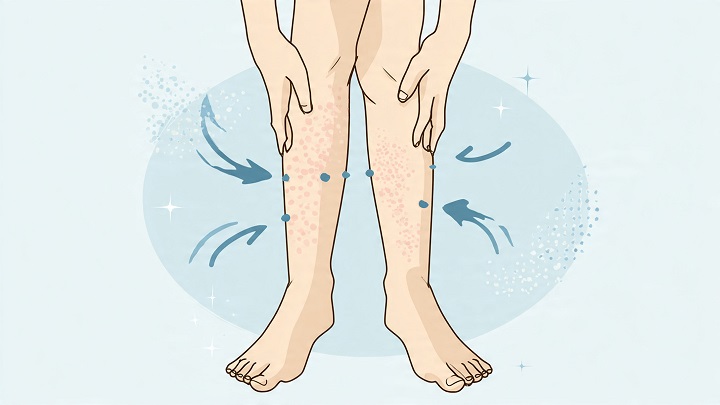
Lactic acid’s gentler profile extends to body care, benefiting:
Dry patches
Rough or bumpy skin
Keratosis pilaris
Ingrown hairs
Start with 10–12% formulations every other day, gradually increasing to daily use as tolerated. Body skin is generally tougher than facial skin, so concentrations can be slightly higher.
Expert Tips for Choosing the Right Product

Start with lower concentrations (2–5% for glycolic, 5–10% for lactic)
Look for supporting ingredients: hyaluronic acid, ceramides, niacinamide
Choose fragrance-free and pH-balanced formulas
Gradually introduce acids, monitoring your skin’s response
Conclusion: Finding Your Perfect AHA

Both glycolic and lactic acid have unique benefits, but the right choice depends on your skin type, sensitivity, and goals. Lactic acid is ideal for those with sensitive, dry, or reactive skin, offering gentle exfoliation, hydration, and gradual results. Glycolic acid suits those seeking faster results but requires careful concentration and frequency management.
Remember, skincare is a marathon, not a sprint. Introduce acids gradually, listen to your skin, and build a routine that supports long-term health and radiance. With patience and knowledge, you can enjoy glowing, smooth skin without irritation—whether you choose the gentler lactic acid or the faster-acting glycolic acid.
Key Points Summary
Lactic acid is gentler, hydrating, and ideal for sensitive skin.
Glycolic acid works faster but may cause irritation.
Introduce acids gradually, patch test, and always use SPF.
Lactic acid can be used safely on body skin for dry or bumpy areas.
Both acids improve texture, tone, and reduce hyperpigmentation when used correctly.
advertisement
Frequently Asked Questions (FAQ)
Which is better for sensitive skin, lactic acid or glycolic acid?
Lactic acid is generally better due to its larger molecular size and gentler exfoliation.
Can I use glycolic and lactic acid together?
For sensitive skin, it’s not recommended. Advanced users may alternate them on different nights.
Is lactic acid safe for the body?
Yes, it can smooth rough patches, keratosis pilaris, and dry skin. Start gradually with 10–12% formulations.
How often should I use these acids?
Start slowly: 1–2 times per week, increasing frequency as your skin adapts.
Do these acids cause sun sensitivity?
Yes, all AHAs increase photosensitivity. Always wear SPF 30+ during the day.
Sources
Smytten – Comprehensive comparison of glycolic and lactic acid for sensitive skin
https://smytten.com/blogs/skincare/glycolic-vs-lactic-acid-for-sensitive-skin-which-is-bestMarie Claire – Expert insights on lactic acid, its benefits, and body applications
https://www.marieclaire.co.uk/beauty/skincare/lactic-acid
Disclaimer:
What is mentioned in this article is for advice and is not a substitute for consulting a doctor
Thank you !