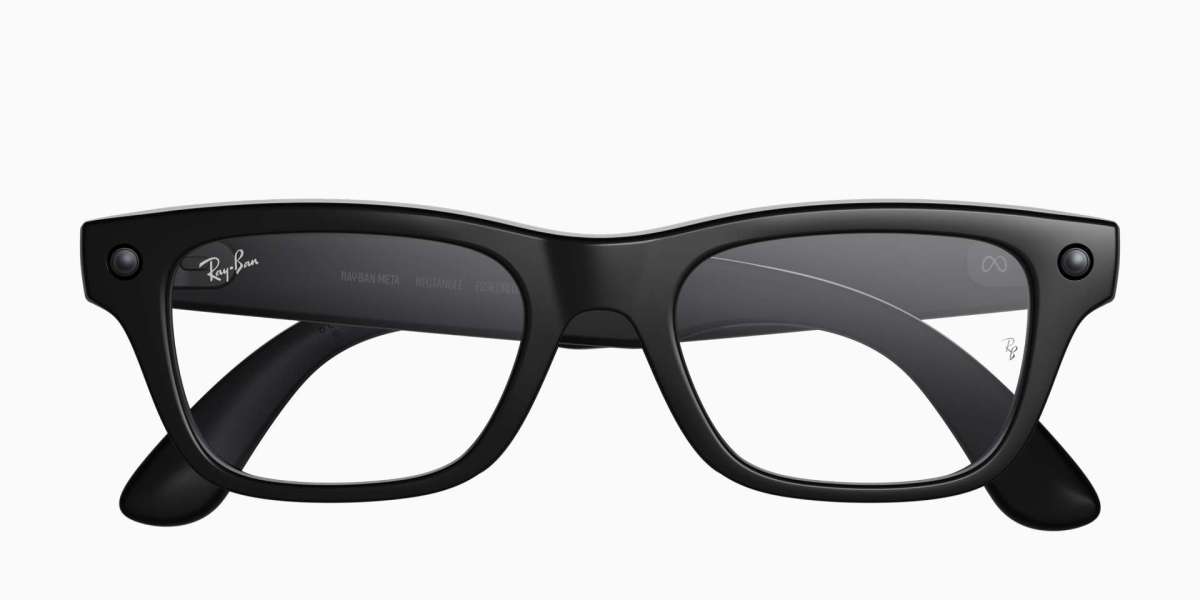

article image source: about.fb.com (Link)
Meta Launches Ray-Ban AI Smart Glasses for Prescription Users: Features, Price, Release Date & AI Capabilities
Meta: Introducing Our First AI Glasses Built For Prescriptions
video source: about.fb.com
3 Key Highlights:
Meta introduces its first AI smart glasses fully optimized for prescription wearers.
New Ray-Ban Meta Blayzer and Scriber glasses start at $499 with advanced customization.
Powerful AI features like nutrition tracking, WhatsApp summaries, and Neural Handwriting are coming soon.
advertisement
Introduction
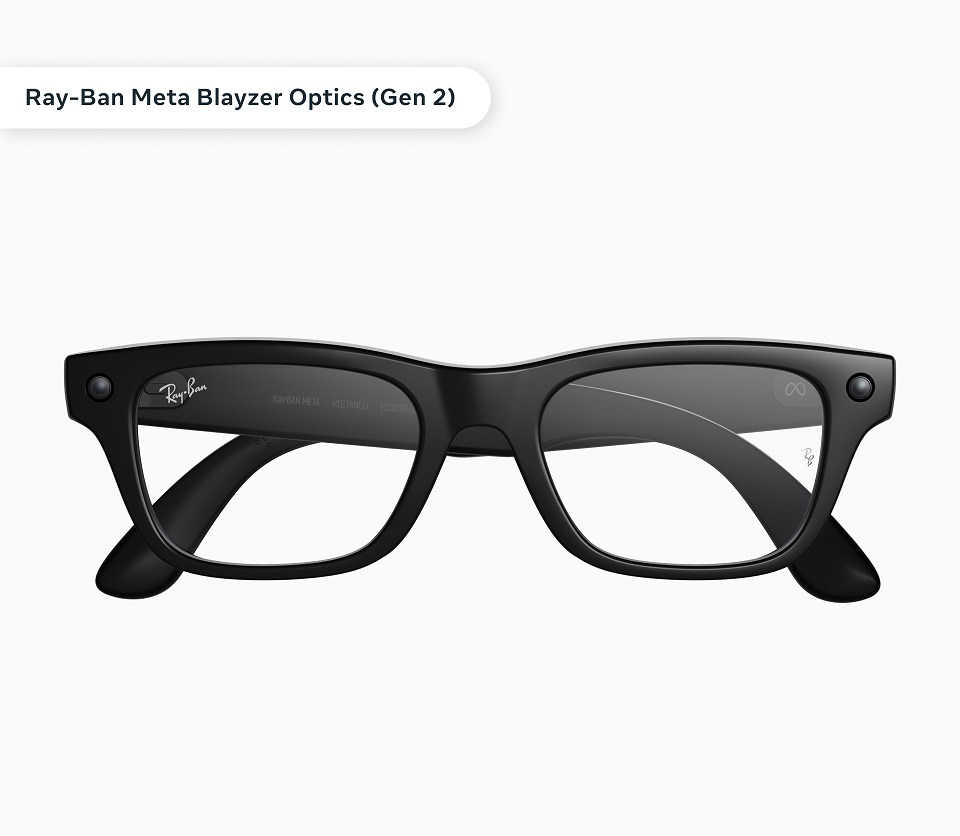
In a major step forward for wearable technology, Meta Platforms has unveiled two new Ray-Ban AI smart glasses designed specifically for prescription users.
As demand grows for AI-powered everyday devices, these new glasses aim to combine vision correction, comfort, and intelligent features into a single, seamless experience.
Developed in partnership with EssilorLuxottica, the parent company of Ray-Ban, the new models mark a significant expansion in Meta’s smart glasses lineup.
Meta’s First AI Glasses Built for Prescription Wearers
Meta’s latest release introduces two new models:
Ray-Ban Meta Blayzer Optics (Gen 2)
Ray-Ban Meta Scriber Optics (Gen 2)
These glasses are designed to support nearly all prescription types, addressing a major limitation of earlier smart eyewear.
The Blayzer model features a rectangular frame available in standard and large sizes, while the Scriber offers a more rounded design, giving users more style flexibility.
According to Meta, these are the most comfortable glasses the company has ever created, built specifically for all-day wear.
Design, Comfort, and Personalization
Both models focus heavily on custom fit and adaptability, featuring:
Overextension hinges for flexibility
Interchangeable nose pads
Optician-adjustable temple tips
These elements allow users to tailor the glasses to their unique face shape, improving long-term comfort and usability.
Both Meta and external reports (including Reuters and TechCrunch) confirm that these design improvements aim to make the glasses more practical for daily prescription use, not just occasional wear.
Price, Availability, and Market Expansion
The new smart glasses are priced starting at $499 and are:
Available for pre-order in the U.S.
Launching in optical retailers on April 14
Rolling out to select international markets
This pricing aligns with Meta’s broader strategy to make AI-powered wearables more accessible, while still offering premium features.
advertisement
New Styles, Colors, and Lens Options
Alongside the new prescription models, Meta is expanding its product lineup with fresh designs and color combinations.
Ray-Ban Meta Frame Updates
Skyler: Shiny Transparent Peach with Transitions® Brown lenses
Headliner: Matte Transparent Peach with Transitions® Grey lenses
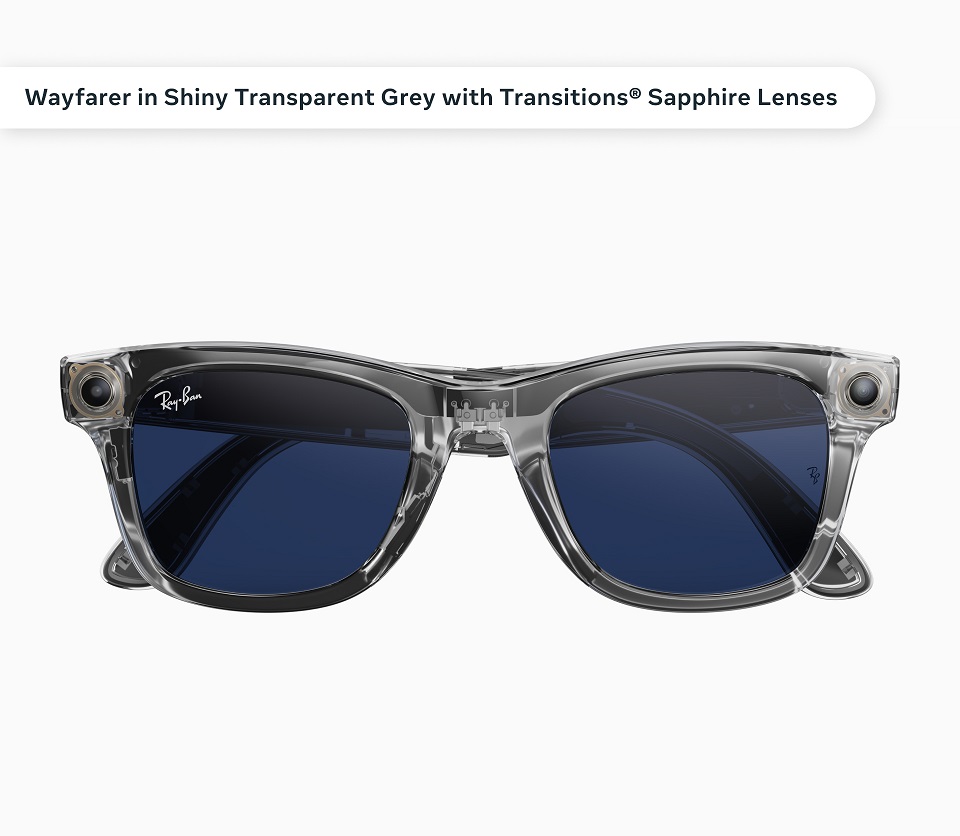
Wayfarer: Shiny Transparent Grey with Transitions® Sapphire lenses
Oakley Meta Enhancements
Meta is also upgrading its Oakley lineup with new lens technologies, including:
Prizm™ Dark Golf lenses
Prizm™ Black and Rose Gold lenses
Prizm™ Transitions® lenses that adapt to lighting conditions
These updates aim to deliver a more vibrant and adaptive visual experience, especially for outdoor use.
Advanced AI Features: Smarter Than Ever
Meta is doubling down on AI innovation, introducing several new features that transform how users interact with their glasses.
1. Hands-Free Nutrition Tracking
Users can log meals using:
Voice commands
Quick photos
The integrated Meta AI analyzes food and provides nutritional insights, helping users make healthier decisions over time.
2. WhatsApp Summaries and Recall
Through voice commands like:
“Hey Meta, catch me up on my messages”
Users receive concise summaries of conversations.
They can also ask specific questions, such as:
“What did Jamie suggest for dinner?”
Meta states that these interactions are processed on-device with end-to-end encryption, ensuring privacy.
3. Neural Handwriting
This feature allows users to:
Write messages by tracing letters on any surface
Reply silently and discreetly
It works across platforms like Instagram, WhatsApp, Messenger, and smartphone messaging systems.
advertisement
Additional Features and Ecosystem Growth
Meta continues to expand the smart glasses ecosystem with:
Built-in navigation with turn-by-turn directions
Integration with apps like Spotify and Instagram Reels
Widgets for weather, reminders, stocks, and calendar
Future display recording capabilities
The company also plans broader rollout of these features across its smart glasses lineup, including earlier models like the Meta Ray-Ban Display glasses.
Market Context and Industry Competition
According to Reuters, smart glasses are becoming a key battleground in AI hardware innovation.
Global shipments reached 9.6 million units last year
Expected to grow to 13.4 million units in 2026
Meta holds a dominant 76.1% market share
CEO Mark Zuckerberg emphasized that billions of people require vision correction, making prescription-compatible smart glasses a massive opportunity.
Meanwhile, competition is heating up:
Snap Inc. is preparing consumer AR glasses
Google is partnering with Warby Parker
Meta is also investing heavily in its long-term vision of “personal superintelligence”, where AI-powered devices enhance everyday life.
Conflicting or Complementary Insights from Sources
Meta (official announcement) emphasizes innovation, comfort, and upcoming AI features.
Reuters highlights the financial and market implications, including Meta’s stock performance and long-term AI investment strategy.
TechCrunch reinforces the user experience angle, focusing on comfort, personalization, and practical usability.
While there are no direct contradictions, each source provides a different perspective: product innovation, market impact, and user experience.
Conclusion
Meta’s launch of prescription-ready Ray-Ban AI glasses represents a major leap toward mainstream wearable AI adoption.
By addressing a fundamental need—vision correction—while integrating powerful AI capabilities, the company is moving closer to making smart glasses an everyday essential rather than a niche gadget.
With features like hands-free nutrition tracking, intelligent message summaries, and intuitive interaction methods like Neural Handwriting, these glasses hint at a future where technology blends seamlessly into daily life.
As competition intensifies and innovation accelerates, one thing is clear: AI-powered eyewear is no longer experimental—it’s becoming indispensable.
Key Points Summary
Meta launches its first AI smart glasses optimized for prescription users
New models start at $499 and offer high customization and comfort
Advanced AI features include nutrition tracking and message summaries
Smart glasses market is rapidly growing with strong competition
Meta continues investing heavily in AI-powered wearable technology
advertisement
Frequently asked Questions (FAQ)
1. What are the new Meta Ray-Ban smart glasses?
They are AI-powered glasses designed for prescription wearers, offering vision correction and smart features in one device.
2. How much do the new glasses cost?
They start at $499.
3. When will they be available?
Pre-orders are open in the U.S., with retail availability starting April 14.
4. What makes these glasses different?
They support nearly all prescriptions and include advanced AI tools like nutrition tracking and message summaries.
5. Are the glasses customizable?
Yes, they feature adjustable components for a personalized fit.
6. Do they support privacy features?
Yes, features like WhatsApp summaries are processed on-device with end-to-end encryption.
7. Who are Meta’s main competitors in this space?
Companies like Snap and Google are also developing AI smart glasses.
Sources
Meta – Official announcement of AI prescription glasses
https://about.fb.com/news/2026/03/meta-ai-glasses-built-for-prescriptions/Reuters – Market analysis and product launch coverage
https://www.reuters.com/business/media-telecom/meta-unveils-two-new-ray-ban-prescription-smart-glasses-2026-03-31/TechCrunch – Product features and user-focused insights
https://techcrunch.com/2026/03/31/meta-launches-two-new-ray-ban-glasses-designed-for-prescription-wearers/
Thank you !