
Artificial Intelligence in the Arts: How AI is Transforming Creativity, Emotion, and Human Expression
Key Takeaways:
AI is reshaping art production but cannot replicate human intention, emotion, or imperfection.
Artists are using AI as a tool to explore creativity, rather than as a replacement for human expression.
Immersive and interactive AI art experiences are redefining how we engage with creativity and history.
advertisement
Introduction
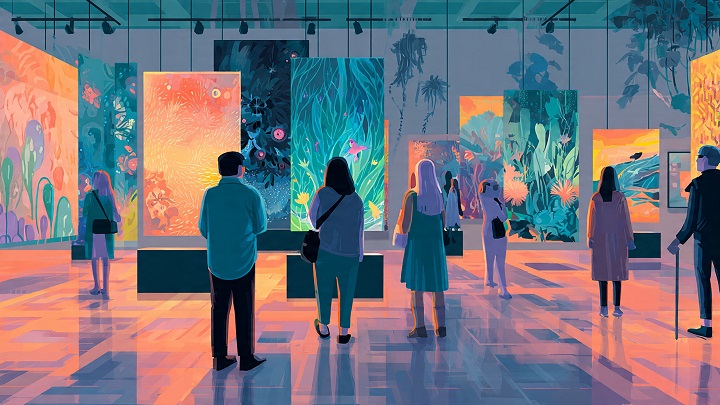
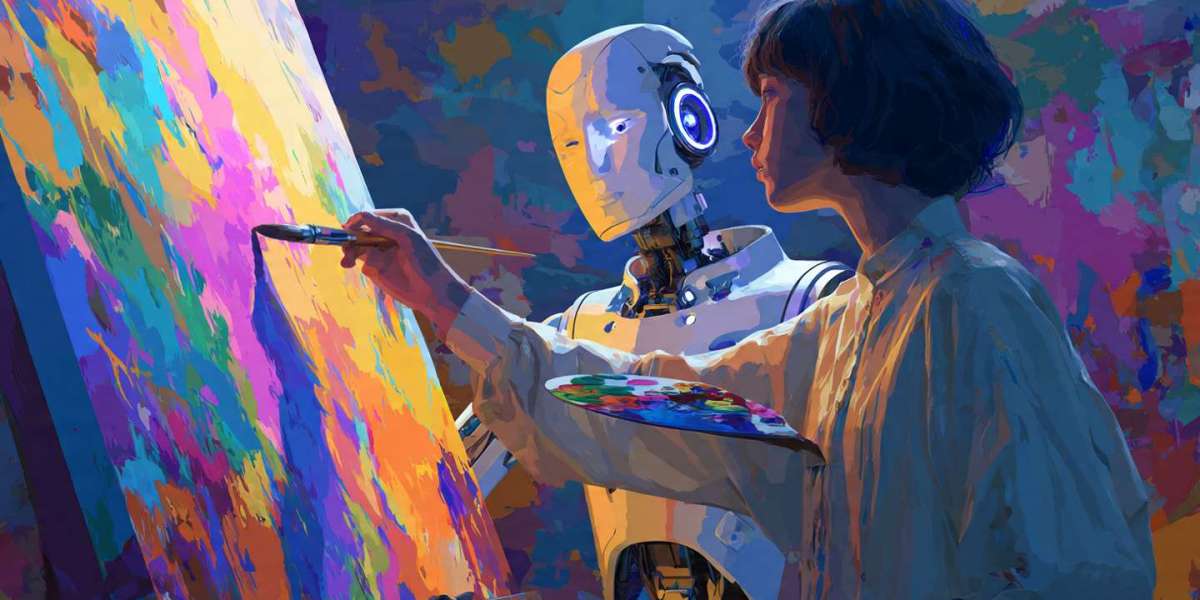
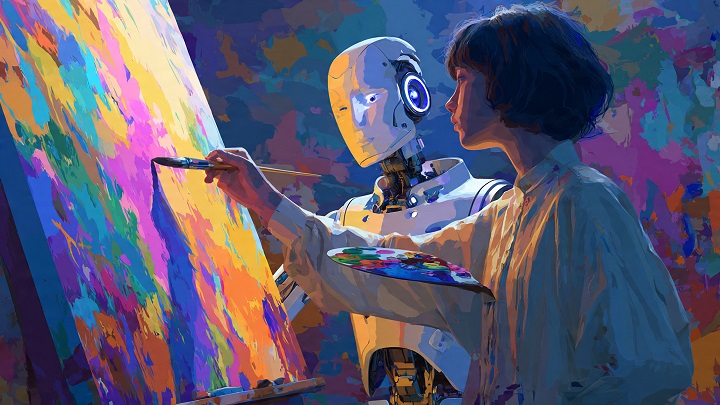
Artificial intelligence (AI) is rapidly infiltrating the world of art, from generating images for social media to creating immersive experiences in galleries and virtual reality. As AI becomes increasingly capable of producing outputs that closely resemble human-made art, questions arise about what qualifies as authentic art and the unique role of human creators. In this evolving landscape, artists, educators, and technologists are navigating a delicate balance between embracing AI as a creative tool and preserving the emotional depth, imperfection, and intentionality that define human art.
AI as Both Tool and Challenge
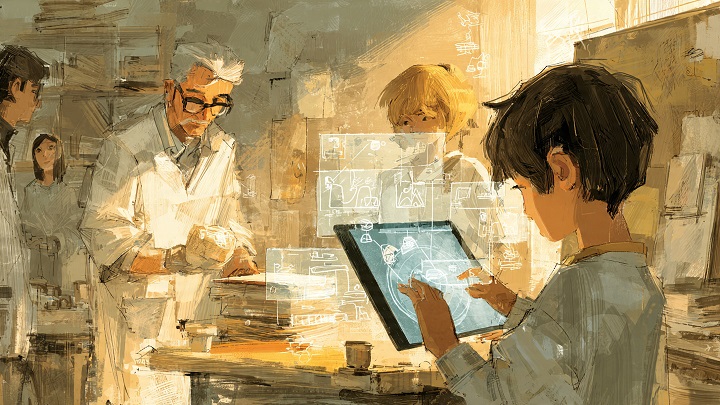
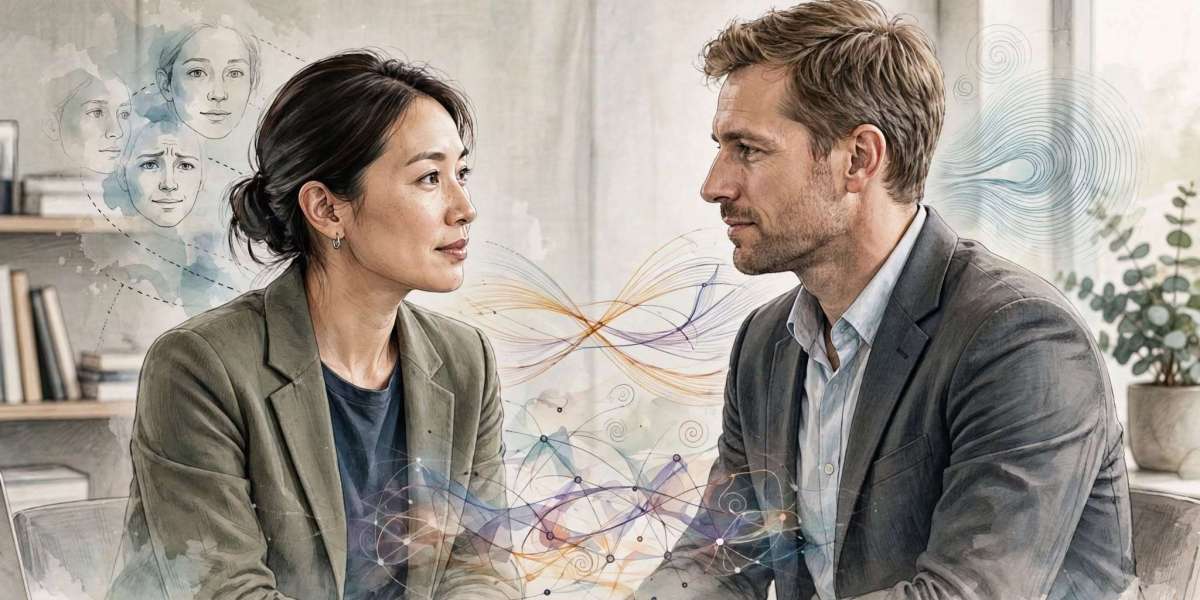
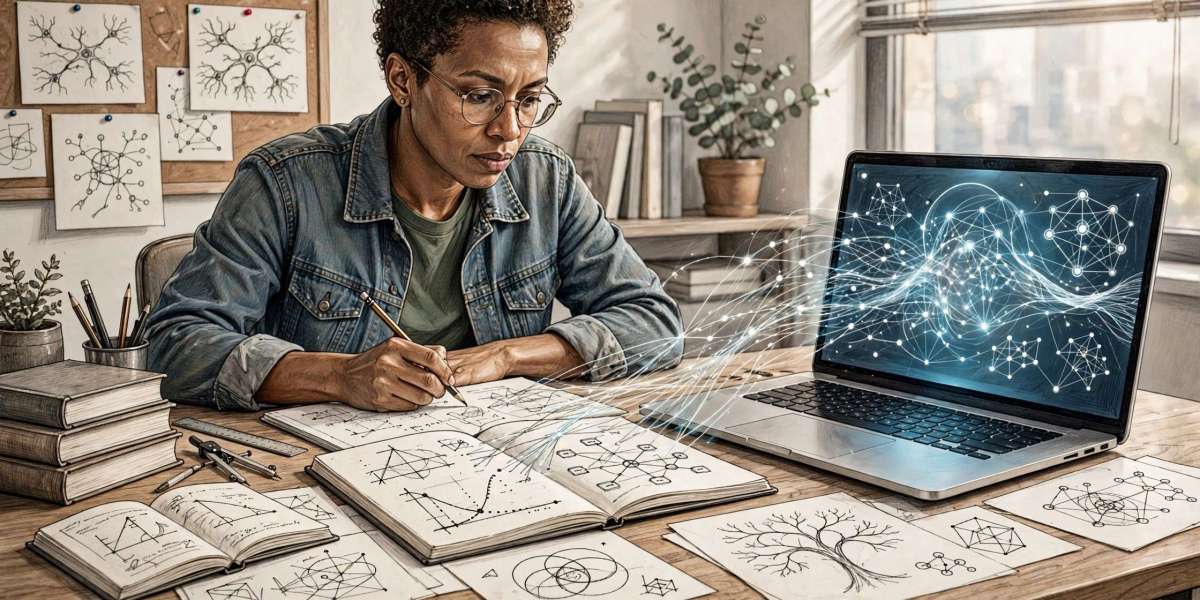
On college campuses and beyond, AI has become both a creative partner and a source of tension. Art professors note that AI can enhance creativity, providing students with reference images, initial sketches, or inspiration for analog works. For instance, students may input prompts into AI to generate visuals, then reinterpret them with their own style and technique. Yet educators caution that AI-generated visuals alone do not constitute art. Jerod Peitsmeyer, an art history professor, emphasizes that art requires intention and human connection, qualities AI cannot replicate.
Bradley Allen, another arts professor, demonstrates this idea by creating sculptures guided by AI prompts. The real artistic work lies in experimenting with AI’s capabilities and limitations rather than in the AI-generated output itself. This hands-on approach encourages students to explore ideas that AI cannot fully capture, reinforcing the value of human creativity in an increasingly digital world.
advertisement
Emotion, Imperfection, and Human Intention
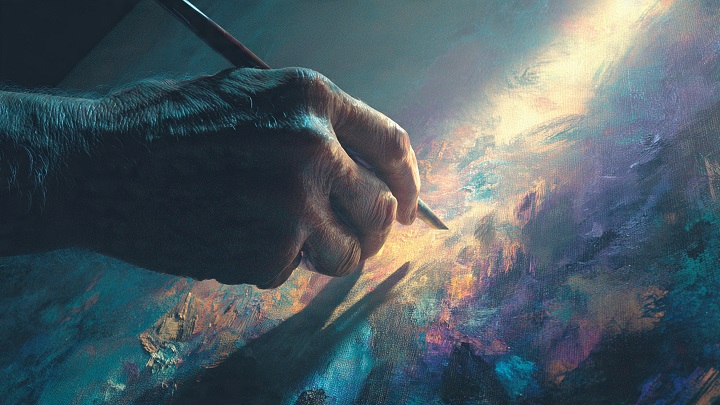
While AI can produce flawless and visually stunning works within seconds, it lacks the subjective experience that defines human artistry. Monica Jain, Founder and Director of Art Centrix Space, describes the artist as the "guardian of the unprogrammable," preserving emotion, imperfection, and meaning in a world dominated by AI-generated perfection. AI may create abundant, optimized outputs, but it cannot replicate the unpredictability, ambiguity, and emotional depth of human creation.
This dynamic positions the artist as both a challenger and collaborator with technology. By embracing imperfection and resisting algorithmic smoothness, artists explore personal and cultural narratives in ways that AI cannot anticipate. Works that incorporate tactile materials, texture, and human "glitches" remain uniquely valuable, creating scarcity and reinforcing the significance of human-made art in a digital-first era.
Immersive AI Experiences: Redefining Engagement
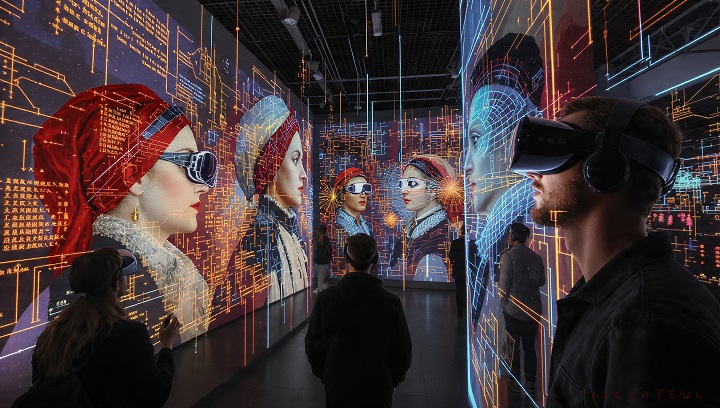
At events like SXSW, AI art has expanded beyond static images into interactive, immersive experiences. Artists are experimenting with virtual reality (VR), augmented reality (AR), and AI-generated voice and video overlays to engage audiences in personal and historical narratives.
For example, in the VR game Fabula Rasa: Dead Man Talking, players interact with AI-driven characters to explore narrative improvisation. Similarly, exhibits like Jonathan Yeo’s Spectacular and The Great Dictator blend AR, AI, and human input, allowing participants to see themselves within historical and artistic contexts. These experiences demonstrate AI’s ability to enhance engagement, provoke reflection, and challenge participants to consider their relationship with technology and creativity.
Yet not all AI experiences are seamless. Some installations, like Love Bird or Body Proxy, highlight AI’s unpredictability, chaos, and limitations, reminding audiences that human discernment remains essential in navigating digital art landscapes.
advertisement
AI and the Future of Art
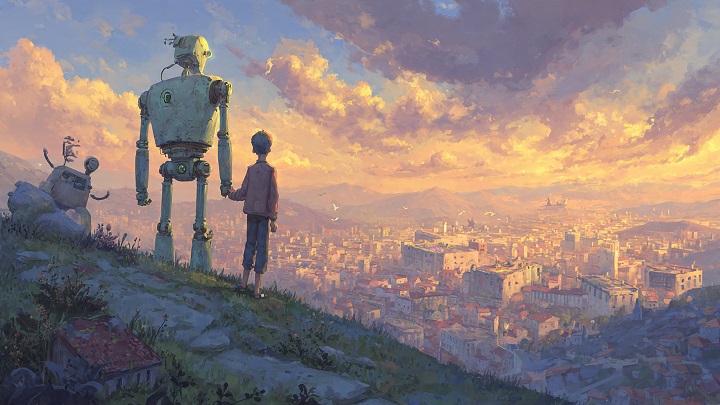
AI’s presence in art raises complex questions about authorship, ethics, and cultural value. Educators are establishing guidelines to prevent misuse while encouraging AI as a tool for exploration. Meanwhile, artists and audiences are adapting to a world where digital creation is ubiquitous, redefining engagement, individualism, and the concept of scarcity in art.
In the commercial sphere, AI may flood the market with abundant, flawless works, paradoxically increasing the value of human-made, imperfect art. The tactile, experiential, and emotionally resonant qualities of traditional art—its “proof of work”—remain irreplaceable, highlighting the enduring importance of human creativity in a world increasingly influenced by AI.
Conclusion
Artificial intelligence is transforming the arts, offering unprecedented creative possibilities while challenging traditional notions of authorship, value, and engagement. Artists are not passive observers in this shift; they are actively exploring, resisting, and collaborating with AI to maintain the uniquely human aspects of expression. By preserving imperfection, emotional depth, and intentionality, creators continue to define what it means to be human in an age of machine-generated perfection.
As AI tools become more integrated into art-making, the future lies in harmonizing human creativity with technological innovation, using AI to expand imagination without compromising the emotional and cultural richness that only humans can bring. In this evolving landscape, artists remain the essential guardians of what cannot be programmed, ensuring that art continues to connect, inspire, and challenge audiences across generations.
Key Points Summary
AI serves as a creative partner but cannot replace human intention and emotion.
Interactive AI art experiences expand engagement, reflection, and personal meaning.
Human-made imperfections increase in value as AI-generated art proliferates.
Artists are adapting, experimenting, and preserving the unprogrammable in art.
Education and ethics guide the responsible integration of AI in art creation.
advertisement
Frequently Asked Questions (FAQ)
Q: Can AI create true art?
A: AI can generate visually striking outputs, but it lacks intention, emotional depth, and human connection, which are essential for authentic art.
Q: How are artists using AI today?
A: Artists use AI as a tool for inspiration, ideation, interactive experiences, and experimental projects, while maintaining human authorship.
Q: Does AI increase the value of human-made art?
A: Yes, as AI generates abundant, flawless works, art created with human emotion, imperfection, and materiality becomes rarer and more valuable.
Q: How does AI affect art education?
A: Educators are integrating AI to enhance creativity while teaching students the importance of hands-on work and personal expression beyond AI’s capabilities.
Q: Are there risks in AI-driven art experiences?
A: Yes, including over-reliance on technology, chaotic outputs, ethical concerns, and potential loss of authorship or context in digital media.
Sources
Montana Kaimin – Discussion of AI as a creative tool and its role in art education
https://www.montanakaimin.com/arts_and_culture/artificial-intelligence-in-the-arts/article_68007d48-9bfd-42c6-8073-3c01041a02ec.htmlBusinessWorld – Monica Jain on the artist’s role in preserving emotion and imperfection in AI-driven art
https://www.businessworld.in/article/the-artist-guards-the-unprogrammable-in-the-age-of-ai-monica-jain-art-centrix-space-599786CNET – SXSW immersive AI art experiences and reflections on interactive creativity
https://www.cnet.com/tech/services-and-software/ai-art-games-creativity-chaos-sxsw-2026/
Thank you !