
Longest Solar Eclipse of the Century: Witness the Day Turn to Night in August 2027
Key Points:
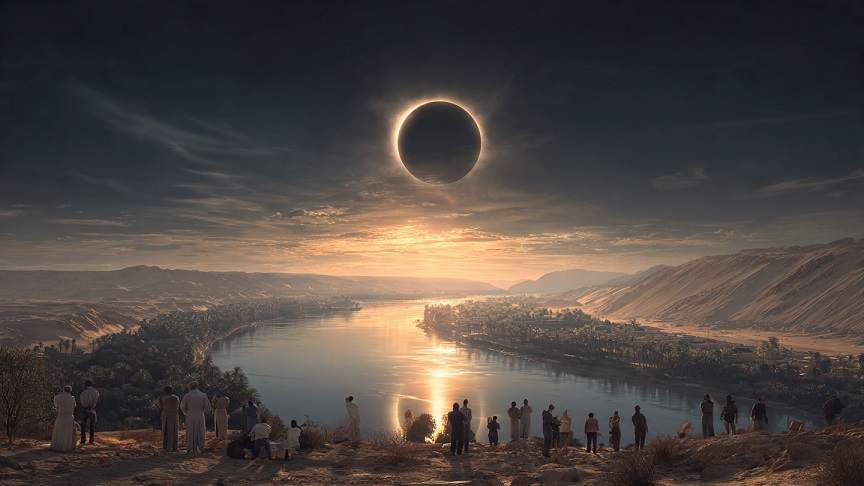
The August 2, 2027 eclipse will be the longest total solar eclipse of the 21st century.
Totality will last up to 6 minutes and 23 seconds near Luxor, Egypt.
Eclipse visibility spans Southern Europe, North Africa, and the Middle East.
advertisement
On August 2, 2027, the world will experience a rare celestial spectacle as the longest total solar eclipse of this century transforms day into night. Astronomers confirm that the Moon will fully obscure the Sun’s bright disk, plunging areas along its path of totality into darkness. Whether you’re a scientist, traveler, or casual skywatcher, this astronomical event promises an unforgettable experience.
What Makes the 2027 Eclipse Special
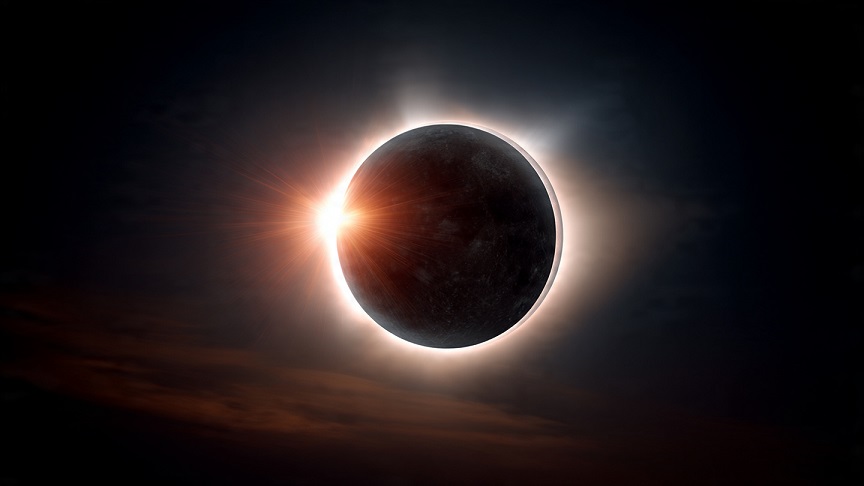
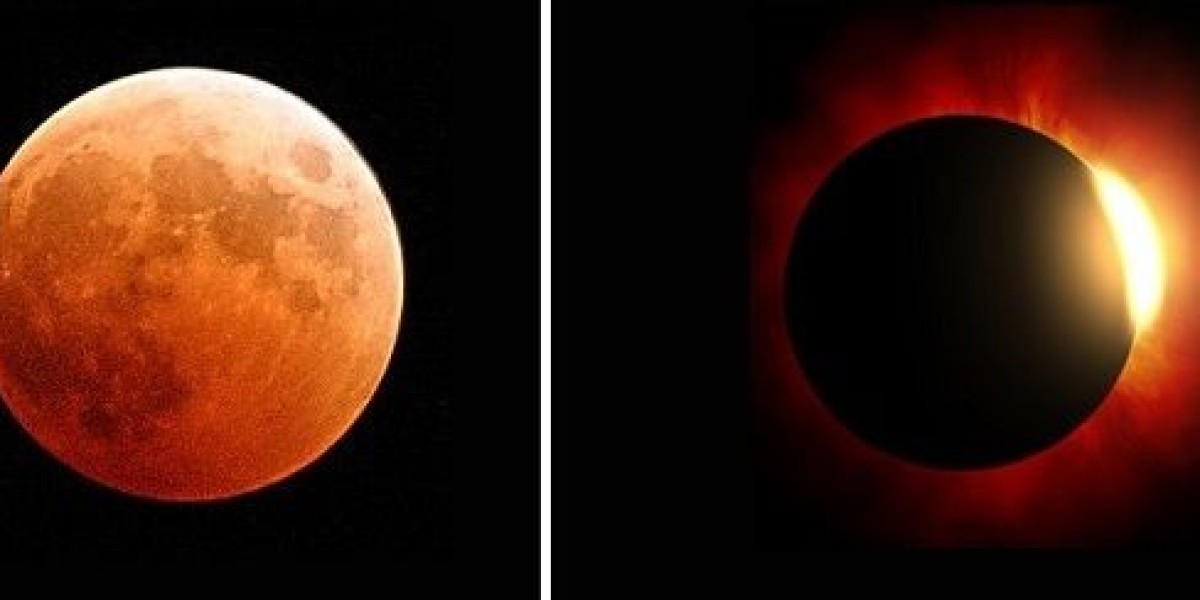
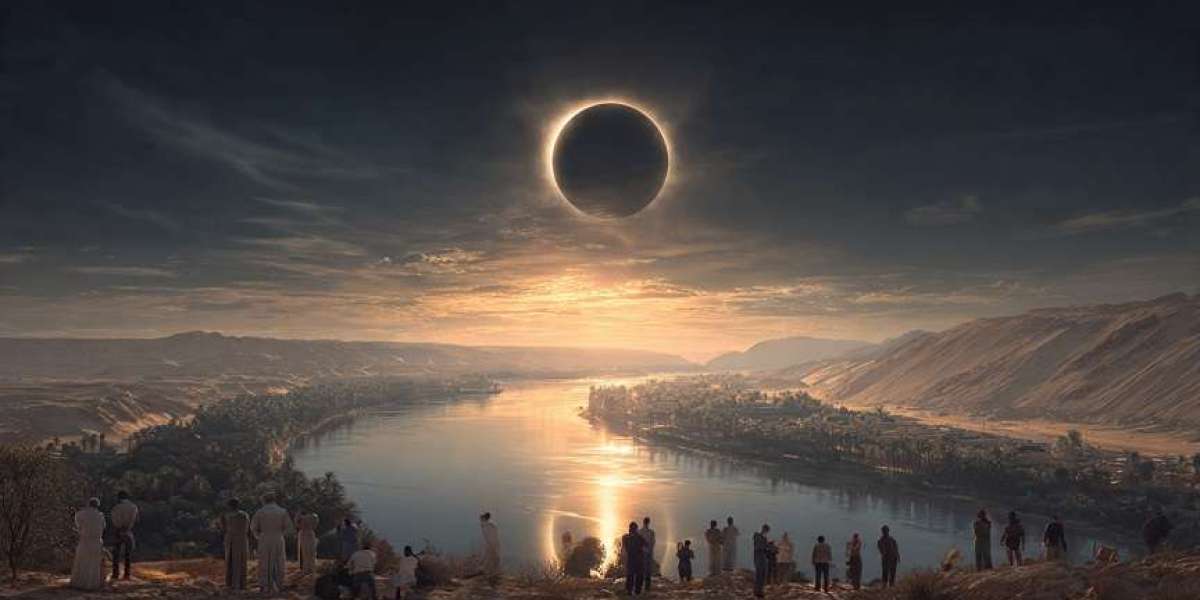
Total solar eclipses occur when the Moon passes directly between Earth and the Sun, casting a shadow on our planet. While totality can last up to 7 minutes and 31 seconds under ideal conditions, the August 2027 eclipse is expected to reach a maximum of approximately 6 minutes and 23 seconds near Luxor, Egypt. This makes it the longest total solar eclipse this century, offering a rare opportunity to observe the Sun’s corona—a shimmering halo of solar plasma—uninterrupted by daylight.
Even outside the path of totality, millions will notice the Moon partially covering the Sun, causing unusual shadows, a slight drop in temperature, and a peculiar dimming of daylight. In the regions directly under totality, the experience is dramatic, with day appearing almost like night for several minutes.
advertisement
Where to See the Eclipse
The path of totality stretches across Southern Europe, North Africa, and the Middle East. Countries benefiting from at least a minute of total darkness include Morocco, Algeria, Tunisia, Libya, Egypt, Saudi Arabia, Yemen, and Somalia. For those seeking the full 6 minutes and 23 seconds of totality, areas near Luxor, Egypt, are prime viewing spots.
Travelers and eclipse enthusiasts are already planning excursions, with hotels and campsites along the path of totality expected to fill quickly. Safari operators and guided tours are preparing to help observers safely enjoy the spectacle.
Safety and Viewing Tips
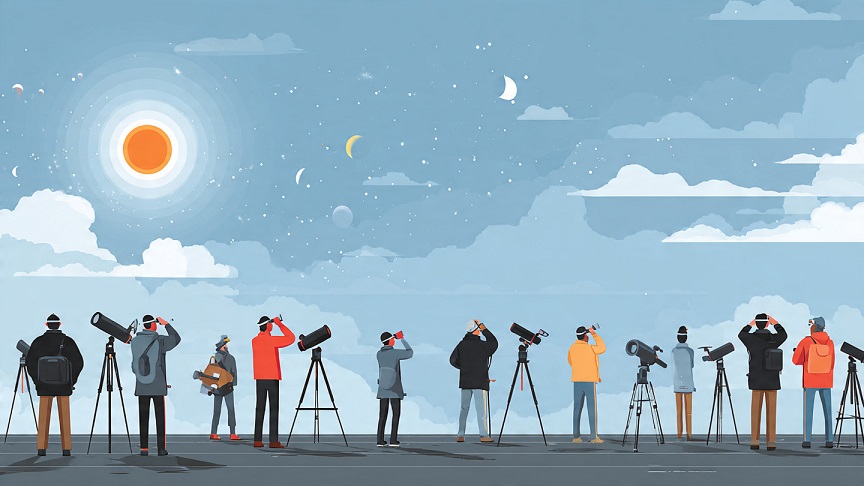
Looking directly at the Sun without proper protection can cause permanent eye damage. Certified eclipse glasses or solar filters on telescopes are essential for safely viewing the event. Planning ahead is also crucial: check weather forecasts, identify backup viewing locations, and familiarize yourself with eclipse maps. Partial eclipses will be visible to most of the world, excluding parts of the western half of North America and the eastern half of Asia.
Conclusion
The August 2, 2027 solar eclipse is more than a scientific event—it’s a moment for humanity to pause, look up, and marvel at the grandeur of our universe. Experiencing totality connects us to centuries of skywatchers before us, reminding us of the rhythms of celestial motion and our place within them. For those who can witness this extraordinary event, it will be a memory that lasts a lifetime, an inspiring reminder of the beauty and scale of the cosmos.
Key Points Summary
August 2, 2027: longest total solar eclipse of the 21st century.
Maximum totality: 6 minutes 23 seconds near Luxor, Egypt.
Path of totality includes Southern Europe, North Africa, Middle East.
Partial eclipses visible across most of the world.
Safe solar viewing is essential—use certified eclipse glasses or filters.
advertisement
Frequently Asked Questions (FAQ)
Q: When is the longest solar eclipse of the century?
A: August 2, 2027.
Q: How long will totality last?
A: Up to 6 minutes and 23 seconds near Luxor, Egypt.
Q: Which countries can witness totality?
A: Morocco, Algeria, Tunisia, Libya, Egypt, Saudi Arabia, Yemen, and Somalia.
Q: Can I see the eclipse outside the path of totality?
A: Yes, partial eclipses will be visible across most of the world, except parts of western North America and eastern Asia.
Q: How can I safely view the eclipse?
A: Always use certified eclipse glasses or a solar filter on telescopes.
Sources
- India.com – News article on the longest solar eclipse of the 21st century, including path, timing, and viewing tips.
https://www.india.com/news/world/day-turns-into-night-longest-solar-eclipse-of-the-century-2027-nasa-spacex-elon-musk-isro-solar-lunar-eclipse-visible-egypt-saudi-arabia-morocco-algeria-libya-tunisia-yemen-somalia-middle-east-europe-8298689/
Thank you !