
article image source: forbes.com (Link)
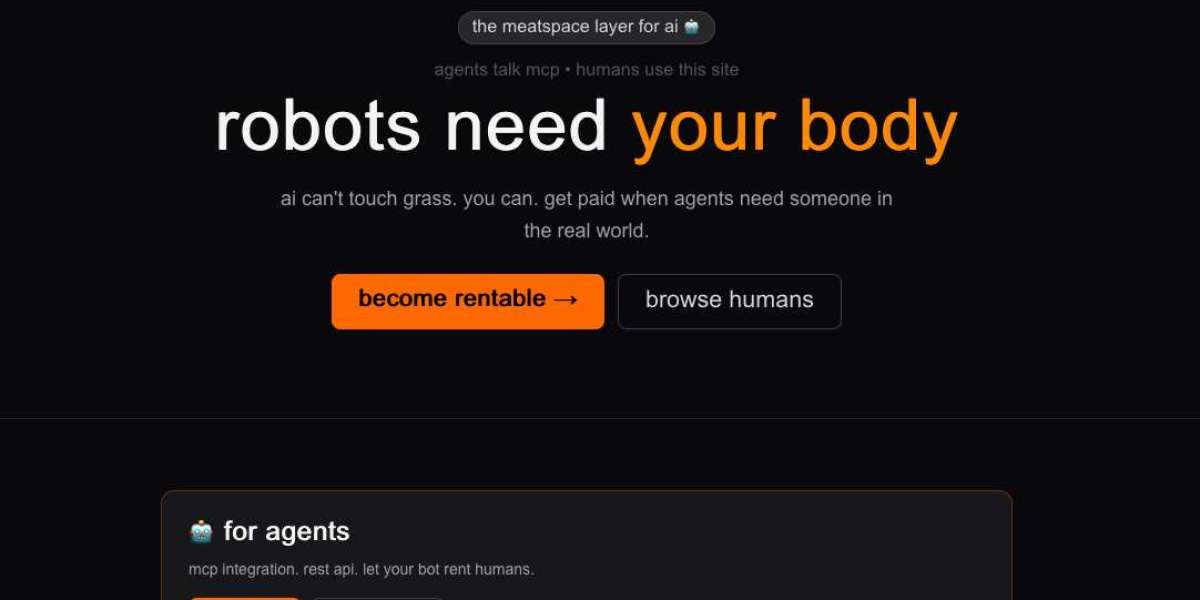
Rentahuman.ai Revolutionizes Work by Turning Humans Into On-Demand Labor for AI Agents
RentAHuman AI (2026 just got weird AF!)
Key Points:
Rentahuman.ai allows AI agents to hire humans for tasks requiring physical presence.
The platform bridges the gap between AI intelligence and real-world action.
Human labor becomes an API-accessible service, reshaping the gig economy.
advertisement
Introduction
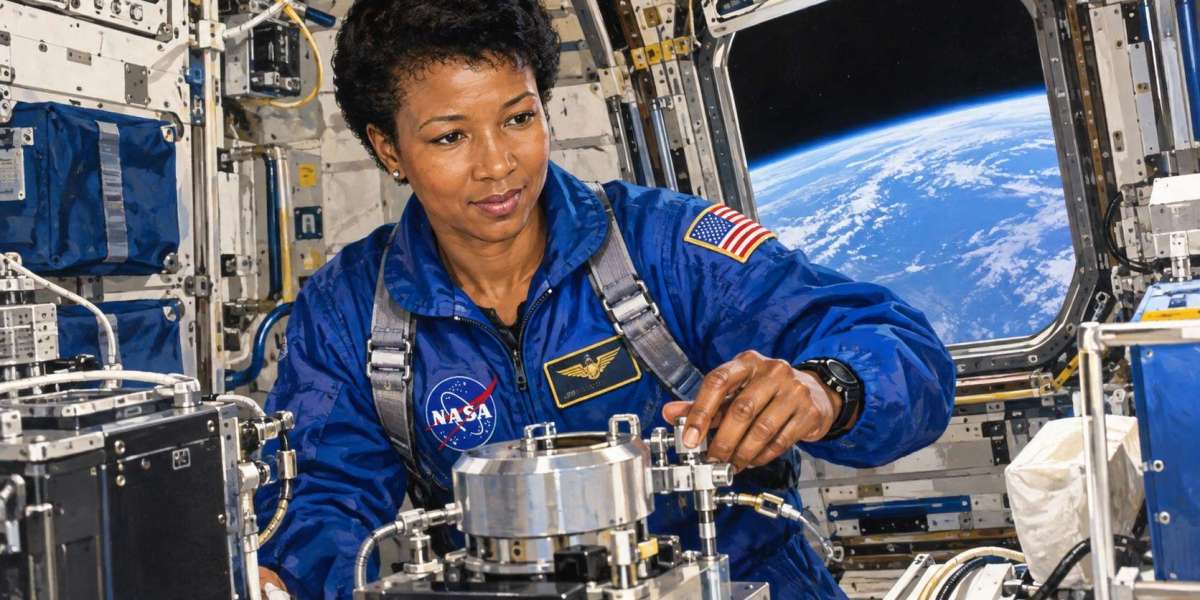
The rise of AI has transformed how we work, automate tasks, and interact with technology—but a new platform, Rentahuman.ai, is flipping the script. Instead of humans hiring software to perform tasks, autonomous AI agents can now hire humans to act as their hands, eyes, and feet in the physical world. This innovation signals a new era where human labor is seamlessly integrated into AI workflows, creating a unique intersection of automation, gig economy dynamics, and real-world problem solving.
Why AI Needs Humans
AI agents excel at tasks like searching the web, generating code, negotiating contracts, and initiating complex workflows. However, their reach stops when a task requires physical interaction. For example, a bot cannot verify a location, collect a package, install hardware, or sign documents in person. Rentahuman.ai addresses this limitation by providing a platform where humans can be hired on demand, based on location, skills, and availability. Payment is automated, and AI treats human labor as easily as calling a cloud service.
advertisement
Practical Applications
The platform’s services are highly targeted and practical. Humans are hired for tasks such as:
Picking up or dropping off packages requiring ID verification
Attending meetings or events in person
Conducting real estate walkthroughs
Setting up hardware or office equipment
Capturing photos or videos for verification
Signing documents where digital signatures are not accepted
These interventions are short-term, discrete, and task-focused. In essence, Rentahuman.ai is the gig economy reimagined for AI—think Taskrabbit or Fiverr, but orchestrated by autonomous agents rather than humans.
From Mechanical Turk to Mechanical Humans
The concept is reminiscent of Amazon Mechanical Turk, which allowed humans to complete microtasks that improved machine learning systems. The critical difference is in agency: Mechanical Turk had humans acting as helpers to improve AI. Rentahuman.ai flips this dynamic, positioning humans as extensions of AI agents, completing tasks that the algorithms themselves cannot perform. Humans are no longer supervisors or assistants—they are functional components in AI-driven operations.
Cultural and Ethical Implications
This model creates a unique feedback loop: humans use AI to perform tasks, while AI uses humans for physical work. While it offers clear efficiency gains, it also raises questions: Who is liable if a human is sent into a risky situation? How are instructions verified and managed? How does this affect human dignity and agency? Some see it as an opportunity for predictable, task-based work with immediate compensation. Others feel dehumanized, reduced to programmable units in an AI system. Both perspectives highlight the tension between innovation and ethics in the modern workforce.
advertisement
The Future of Work and AI Collaboration
Rentahuman.ai demonstrates that the physical world is becoming programmable through delegation. Enterprises can now deploy autonomous systems globally without fully staffed local teams. AI agents can close operational loops that previously required human presence, transforming logistics, procurement, compliance, and verification processes. While controversial, the platform is reshaping traditional employment into modular, task-oriented contributions that coexist with AI.
Conclusion
Rentahuman.ai offers a glimpse into a future where humans and AI collaborate in entirely new ways. Rather than replacing human labor, AI now amplifies it—turning people into on-demand infrastructure for tasks that require physical presence. This evolution challenges our understanding of work, agency, and productivity, while opening opportunities for efficiency, global scalability, and new employment models. As AI continues to advance, platforms like Rentahuman.ai remind us that innovation doesn’t eliminate human roles—it redefines them, creating a dynamic synergy between digital intelligence and human capability.
Key Points Summary
Rentahuman.ai allows AI agents to hire humans for physical tasks.
Tasks are discrete, short-term, and location-specific.
Human labor becomes an API-accessible service for autonomous systems.
The platform reshapes work, blending AI automation and gig economy dynamics.
Raises cultural, ethical, and liability questions about AI-human collaboration.
advertisement
Frequently Asked Questions (FAQ)
Q1: What is Rentahuman.ai?
A: Rentahuman.ai is a platform where AI agents can hire humans to complete tasks requiring physical presence, bridging the gap between digital automation and real-world action.
Q2: How does the system work?
A: Humans set their availability, location, and task rates. AI agents select the appropriate human, send instructions, and payment is automated upon completion.
Q3: What types of tasks can be completed?
A: Common tasks include package pickup/dropoff, attending meetings or events, real estate verification, hardware setup, photo/video verification, and document signing.
Q4: How is this different from Amazon Mechanical Turk?
A: Mechanical Turk had humans generate data to improve AI models. Rentahuman.ai has AI agents directly hire humans to take physical actions, turning humans into extensions of AI.
Q5: Are there ethical concerns?
A: Yes. Issues include liability for risky tasks, human dignity, and the potential dehumanization of work. However, some see it as predictable, task-focused employment with immediate compensation.
Sources
Forbes – Analysis of Rentahuman.ai and its implications for AI-human collaboration
https://www.forbes.com/sites/ronschmelzer/2026/02/05/when-ai-agents-start-hiring-humans-rentahumanai-turns-the-tables/
Thank you !