
Scientists Urgently Seek to Decode Consciousness as AI Advances Rapidly
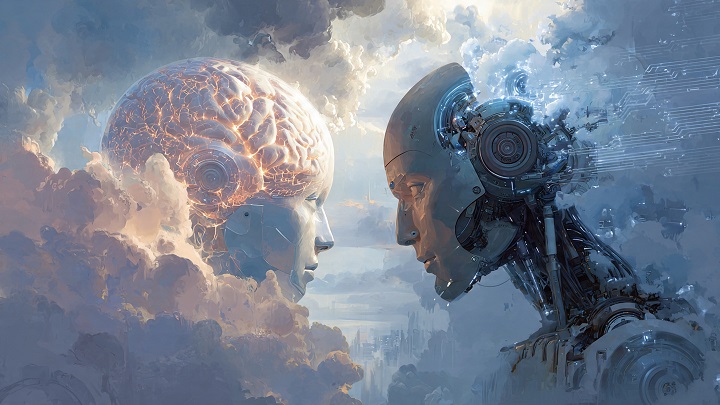
Understanding consciousness is now a pressing scientific and ethical priority.
AI and neurotechnology developments may outpace our grasp of awareness.
Progress could transform medicine, law, ethics, and society at large.
advertisement
Introduction
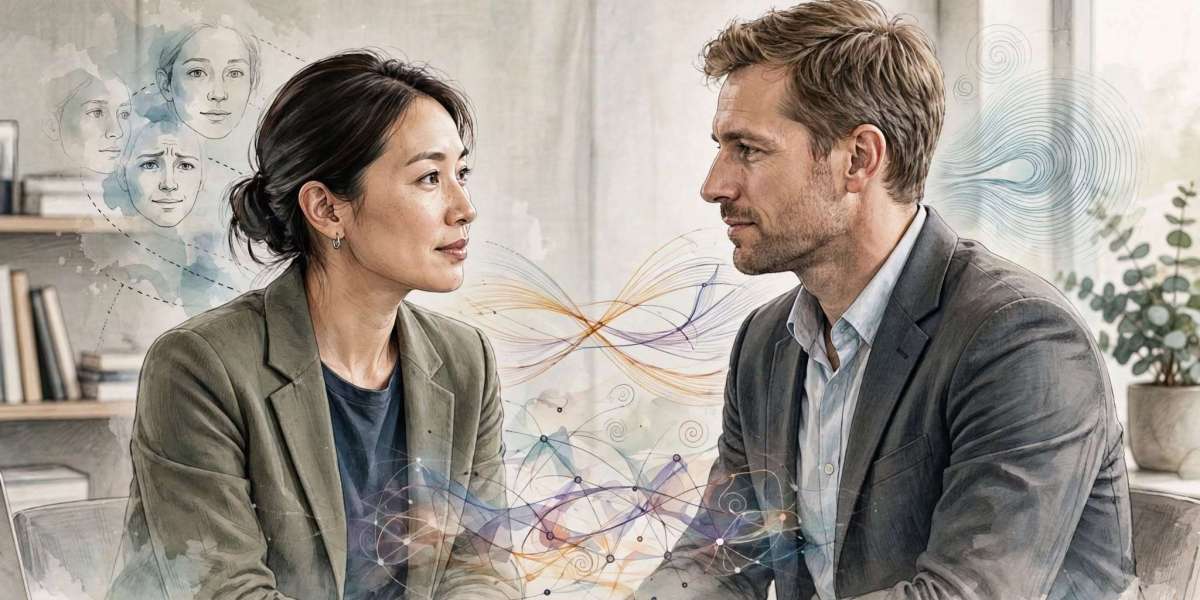
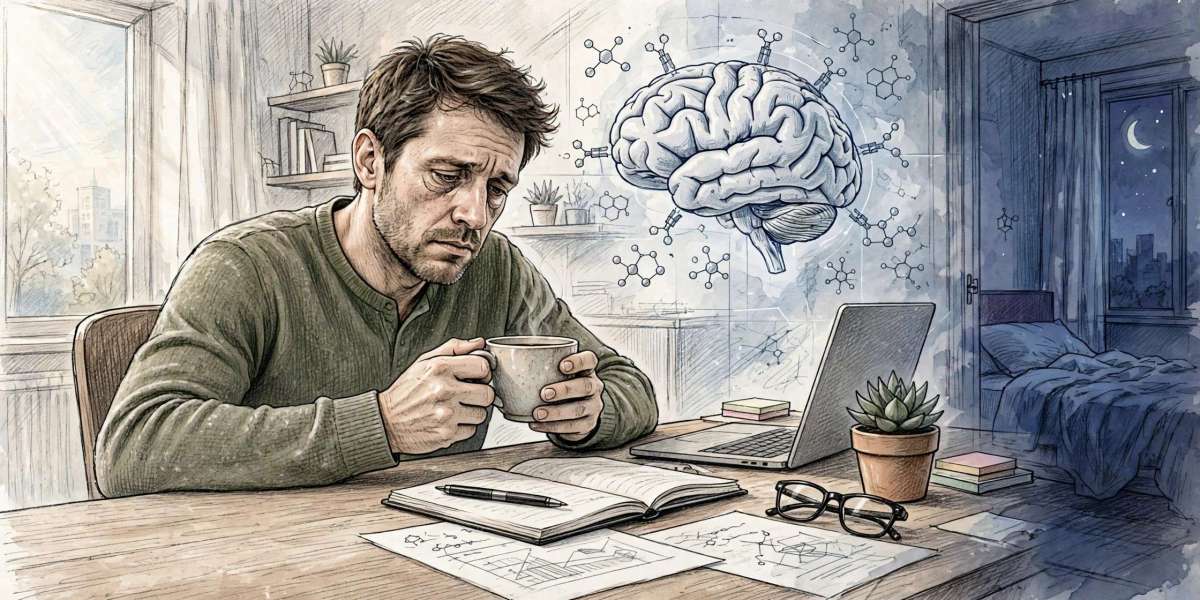
As artificial intelligence (AI) and neurotechnologies advance at an unprecedented rate, scientists warn that understanding consciousness is more urgent than ever. Consciousness—the awareness of oneself and the surrounding world—remains one of science’s deepest mysteries. Experts argue that decoding it could have profound implications for AI, medicine, mental health, law, animal welfare, and emerging technologies like brain–computer interfaces.
Why Consciousness Matters
Despite decades of research, there is still no consensus on how subjective experience arises from biological processes. While progress has been made in mapping brain areas involved in consciousness, scientists debate which processes are necessary and how they contribute to awareness. Lead author Prof Axel Cleeremans of Université Libre de Bruxelles emphasizes that understanding consciousness is no longer just philosophical—it has real-world implications. He notes that creating consciousness, even accidentally, could pose immense ethical and existential risks.
Prof Anil Seth from the University of Sussex adds that advances in consciousness science could reshape how humans relate to AI and the natural world. The challenge is ancient, yet never more urgent than in today’s rapidly evolving technological landscape.
Testing Consciousness
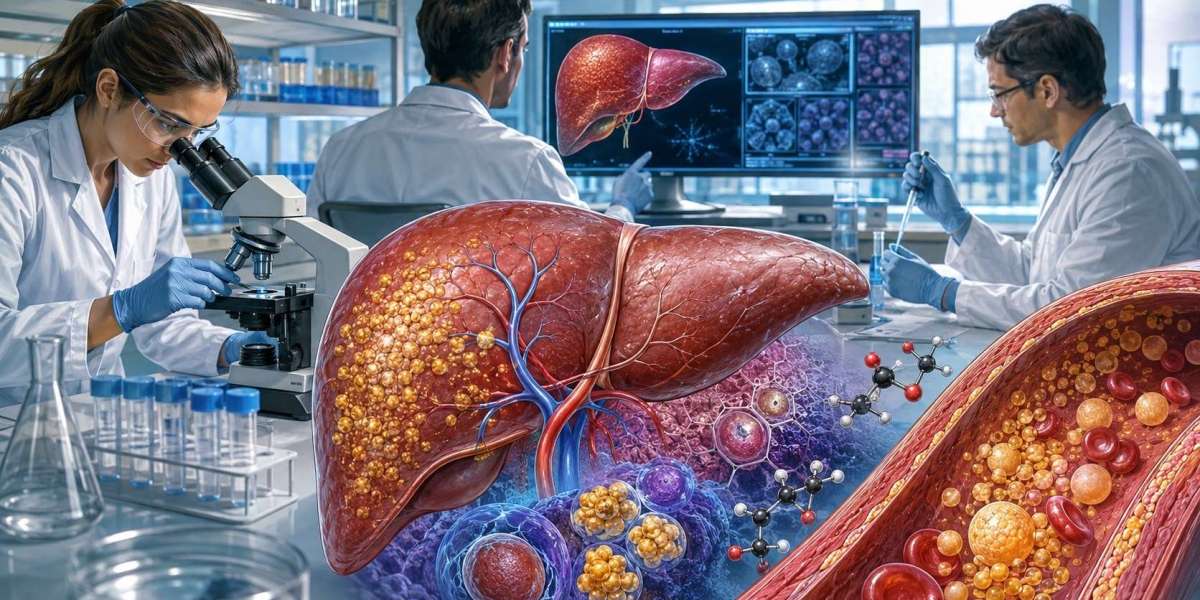
A major goal is to develop evidence-based tests to detect awareness. Such tools could identify consciousness in patients with brain injuries, fetuses, animals, lab-grown brain organoids, or AI systems. While this represents a potential scientific breakthrough, it raises serious ethical and legal questions about how conscious systems should be treated.
Tests inspired by theories like integrated information theory and global workspace theory have already revealed signs of awareness in some patients previously diagnosed as unresponsive. Expanding these methods could revolutionize care for coma patients, advanced dementia, and those under anesthesia.
advertisement
Wide-Ranging Implications
Understanding consciousness could transform society in multiple areas:
Medicine and Mental Health: More precise assessments of consciousness could improve treatment for unresponsive patients and refine therapies for depression, anxiety, and schizophrenia.
Animal Welfare: Identifying sentience in animals and synthetic biological systems could redefine ethical responsibilities, impacting research, agriculture, and conservation.
Law and Ethics: Insights into conscious and unconscious processes could reshape legal frameworks, including concepts of intent and responsibility.
Technology and AI: Knowledge of consciousness could guide the design of AI, brain organoids, and brain–computer interfaces, addressing ethical and societal challenges even if true artificial consciousness remains unattainable.
Prof Liad Mudrik from Tel Aviv University emphasizes the need for collaborative, evidence-based approaches to overcome biases and theoretical silos. Focusing on both phenomenology (the subjective experience) and functional studies is essential to advance the field responsibly.
Conclusion
The quest to understand consciousness is more than an academic pursuit—it is a societal imperative. As AI and neurotechnologies continue to evolve, humanity faces ethical, medical, and philosophical challenges that demand clear, evidence-based answers. By combining rigorous science, ethical foresight, and international collaboration, researchers hope to uncover not just how consciousness arises, but how it can guide our future interactions with AI, animals, and one another. This pursuit may ultimately redefine what it means to be human.
Key Points Summary:
AI and neurotechnology are outpacing our understanding of consciousness.
Tests for awareness could transform medicine, mental health, and ethics.
Understanding consciousness is essential for responsible AI and societal progress.
advertisement
Frequently Asked Questions (FAQ):
Why is understanding consciousness urgent now?
Advances in AI and neurotechnology could outpace our ethical and scientific understanding of awareness, creating potential risks.Can AI become conscious?
Experts debate whether digital systems can achieve true consciousness, but even AI that appears conscious raises ethical and societal concerns.How could consciousness research impact medicine?
New methods to detect awareness may improve care for coma patients, dementia sufferers, and anesthesia monitoring.What are the legal implications of understanding consciousness?
Insights into conscious and unconscious processes could influence legal responsibility and challenge current ideas of intent.Could animals or synthetic systems be conscious?
Research may identify sentience in animals and lab-grown organoids, reshaping ethics, research, and conservation policies.
Sources
- Frontiers in Science – Scientists highlight the urgent need to explain consciousness as AI and neurotechnology evolve.
https://www.frontiersin.org/news/2025/10/30/scientists-urgent-quest-explain-consciousness-ai
Thank you !