
Does Trimming Hair Make It Grow Faster? The Truth About Hair Growth and Healthy Hair Care
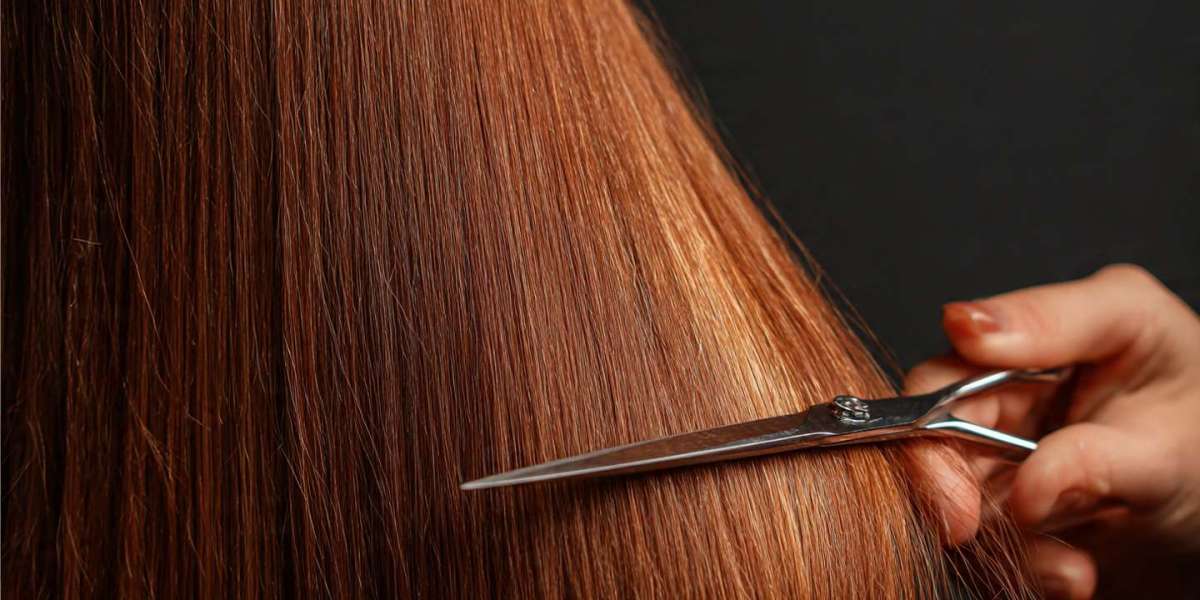
Key Points Summary
Hair grows from the scalp, not the ends.
Average growth rate is 0.5–1 cm per month, influenced by genetics and health.
Trims prevent split ends and breakage, helping retain length.
Hair dusting is a precise way to remove damage without losing length.
Frequency of trims depends on hair type: fine hair needs more frequent trims; curly hair, less frequent.
Healthy hair care and a well-maintained scalp are essential for growth.
advertisement
Introduction: Hair Growth Myths Debunked
Many people believe that cutting their hair will make it grow faster. While it’s one of the most persistent hair myths, the truth is more nuanced. Hair growth begins at the scalp, and cutting the ends does not change the rate at which your hair grows. However, trims do play a crucial role in keeping your hair healthy, reducing breakage, and helping you retain length over time.
Experts from salons and trichologists agree: while trims won’t speed up growth, they can prevent split ends and breakage, which makes hair appear healthier and fuller, giving the illusion of faster growth
How Hair Grows: From Follicle to Tip
Hair growth starts at the follicle in the scalp, not the ends. Each follicle follows its own cycle:
Anagen Phase: Active growth phase lasting 2–7 years.
Catagen Phase: Transitional phase where growth slows.
Telogen Phase: Resting phase before shedding occurs.
Exogen Phase: Old hairs fall out and new hairs emerge.
The average hair growth rate is approximately 0.5 to 1 centimeter per month, though genetics, nutrition, health, and hormones also influence the speed.
Why Trimming Matters for Healthy Hair
Although trims don’t affect the growth rate at the root, they are essential for maintaining length and reducing damage. Here’s why:
Prevents split ends from traveling up the hair shaft: This reduces breakage.
Supports length retention: Less breakage means your hair can grow longer over time.
Improves manageability and shine: Healthy ends help hair look polished.
Reduces frizz and thinning at the bottom: Trims keep hair looking fuller.
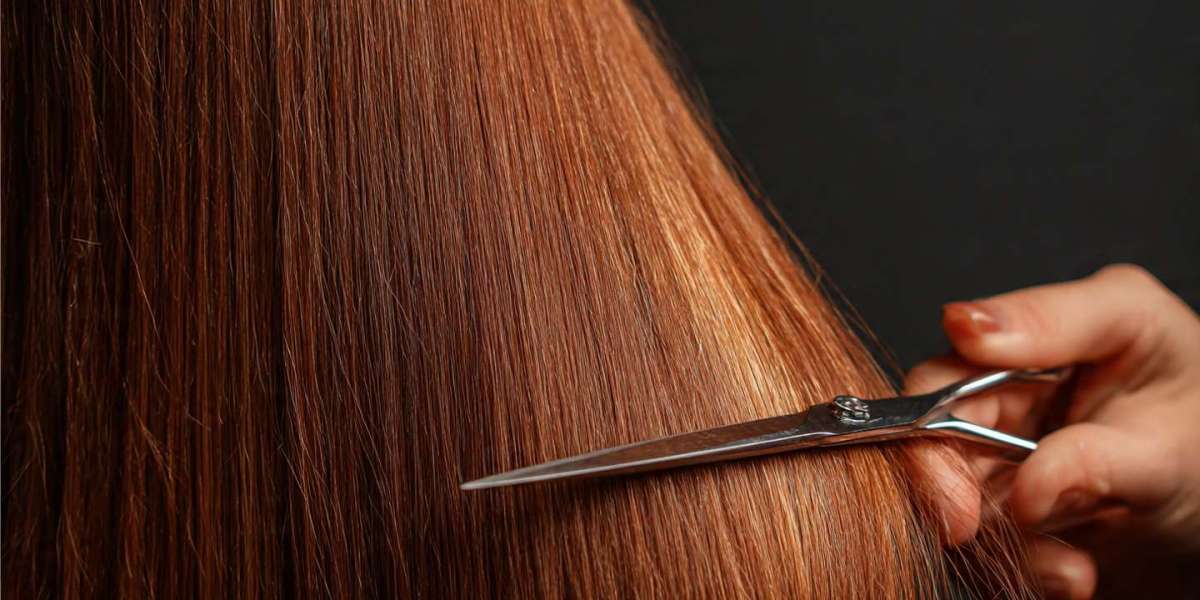
Experts recommend methods like hair dusting, where only the split ends are carefully snipped, preserving length while removing damage.
advertisement
How Often Should You Trim Your Hair?
The ideal frequency depends on hair type and texture:
Fine hair: Every 4–6 weeks, as split ends show quickly.
Medium to long hair: Every 8–12 weeks.
Curly or textured hair: Every 10–20 weeks, depending on curl tightness.
Ultimately, listening to your hair is key. If ends feel dry, brittle, or show split ends, it’s time for a trim, even if it hasn’t been the recommended period.
Other Factors Affecting Hair Growth
Besides trims, hair growth is influenced by:
Nutrition and health: Low iron, vitamin B12, vitamin D, zinc, or thyroid issues can slow growth.
Hair care habits: Minimizing heat styling, using gentle shampoos, and keeping the scalp clean promotes healthy growth.
Genetics: Your baseline growth speed is largely determined by heredity.
A trichologist emphasizes that a happy scalp equals healthier hair. Good hair care, combined with regular but not excessive trims, is the most effective way to maintain long, strong hair.
advertisement
Personal Experiences and Insights
Some people, like beauty writer Elena Chabo, experimented with skipping trims for a year. She discovered that while her hair did grow, choosing stylists familiar with her hair type and texture was more important than simply avoiding cuts. Proper guidance and care made a bigger difference than the presence or absence of trims.
Conclusion: Healthy Hair Is About Care, Not Speed
Trimming your hair won’t make it grow faster, but it will help you retain length, reduce damage, and maintain overall hair health. The key to long, beautiful hair lies in understanding your hair type, following a consistent care routine, and partnering with skilled stylists. By treating your hair well—from scalp to ends—you can enjoy longer, stronger, and healthier strands over time. Remember, patience and proper care will always outperform frequent trimming alone.
FAQ
Q: Does trimming hair make it grow faster?
A: No, trims do not affect hair growth at the root, but they prevent breakage and help maintain length.
Q: How often should I trim my hair if I want to grow it long?
A: Fine hair: every 4–6 weeks; medium/long hair: 8–12 weeks; curly or textured hair: 10–20 weeks.
Q: What is hair dusting?
A: Hair dusting involves snipping only the visible split ends, preserving most of the hair length.
Q: Can diet affect hair growth?
A: Yes, deficiencies in iron, vitamins B12, D, and zinc, or thyroid issues can slow hair growth.
Q: Do curly and straight hair need trims at different intervals?
A: Yes, curly and textured hair often require less frequent trims due to slower visible damage, while fine or straight hair may need trims more often.
Sources:
Thank you !