
Long-Duration Space Missions May Raise Astronauts’ Long-Term Hip Fracture Risk

video here-loading
Key Points
Astronauts who spent more than 90 days in space had a higher rate of hip fractures after returning to Earth than astronauts after shorter missions or people who had not flown in space.
The fractures occurred at a mean age of 62.5 years, mimicking rates seen in Earth-based populations 8 to 16.5 years older.
The study found no higher overall fracture incidence across all skeletal sites, highlighting a particular concern involving the hip after long-duration missions.
Microgravity-related bone and muscle loss can weaken the skeleton, while astronauts may not feel the effects of this loss when they return to Earth.
Researchers recommend more detailed bone monitoring and further study of exercise, medications and dietary measures that could help protect astronauts during and after extended missions.
advertisement
Long-Duration Spaceflight Raises Questions About Astronaut Bone Health

A new study has found that astronauts who spend more than 90 days in space experience a higher rate of hip fractures after returning to Earth than astronauts who complete shorter spaceflights or people who have never been astronauts. The findings highlight a potential long-term consequence of extended exposure to the microgravity environment and come as space agencies prepare for missions that will keep people away from Earth for increasingly long periods.
The research, published in Mayo Clinic Proceedings, suggests that the effects of prolonged spaceflight on the skeleton may extend beyond the period immediately after a mission. In particular, the study found that hip fractures occurred at a younger age than would be expected in a comparable non-astronaut population.
Why Long Space Missions Can Affect Bones

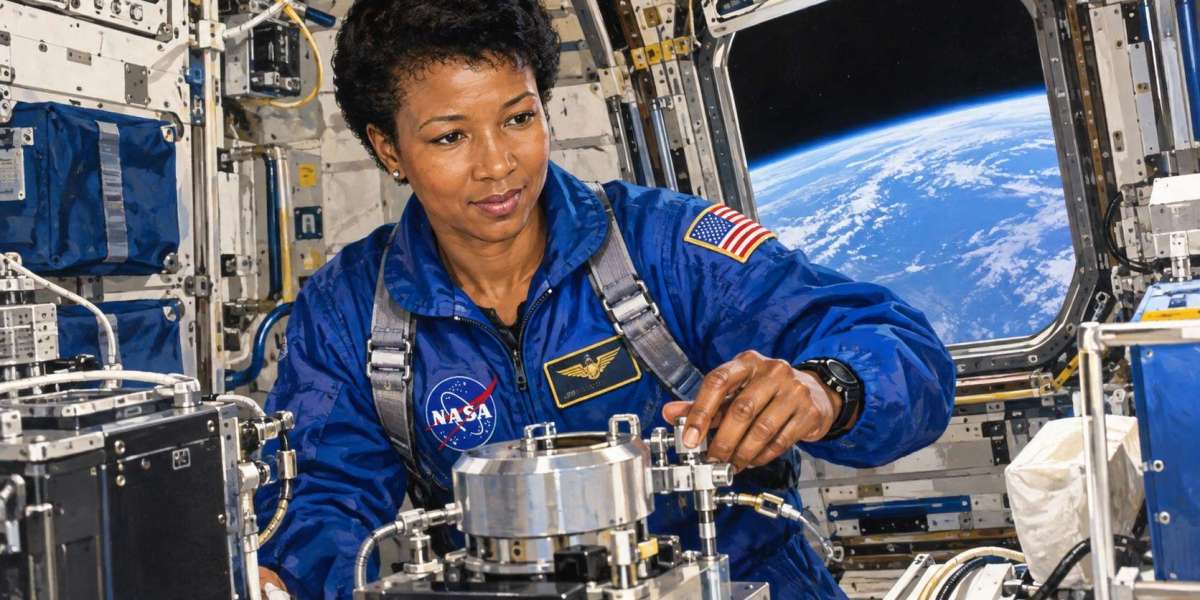
The human skeleton is adapted to Earth's gravity. In space, astronauts live in a microgravity environment, where bones and muscles do not have to support the body in the same way they do on Earth.
According to the research report, bone and muscle loss is common among astronauts during spaceflight. This reflects the body's adaptation to reduced physical loading and raises concerns about skeletal fragility. The concern becomes especially important as missions become longer and astronauts spend more time exposed to microgravity.
One important challenge is that astronauts may not actually feel the loss of bone strength. Jean D. Sibonga, Ph.D., the study's lead investigator at NASA's Johnson Space Center, explained that people can feel stable or recovered after returning from space even though underlying skeletal changes may remain.
That creates a potential mismatch between how an astronaut feels and how fully the skeleton has recovered. An astronaut who believes they are ready to resume physically demanding activities could place substantial loads on bones that have not yet returned to their preflight condition.
Hip Fractures Appeared Earlier Than Expected
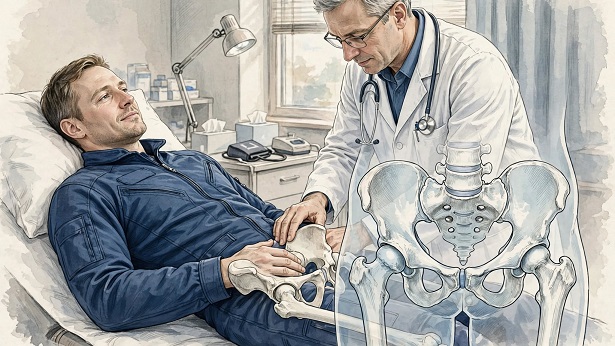
To investigate whether the duration of spaceflight was associated with fractures, researchers surveyed a cohort of U.S.-based astronauts about fractures reported during annual clinical examinations.
The investigators analyzed the data using Bayesian probabilistic modeling, a statistical approach that can help evaluate evidence when researchers are dealing with limitations such as relatively small astronaut populations and uncommon spaceflight exposures.
The analysis did not show a higher incidence rate for fractures across all skeletal locations. However, researchers identified a higher rate of hip fractures after spaceflights lasting more than 90 days.
The rate was higher than the rate observed before a long-duration mission and higher than among astronauts without long-duration spaceflight exposure.
This distinction is important because the findings do not suggest that every type of fracture becomes more common after extended spaceflight. Instead, the study points to a specific long-term concern involving hip fractures following longer missions.
A Challenge for Future Space Exploration
The findings have particular relevance as NASA prepares for future human missions that could last much longer than traditional spaceflights.
The research report notes that NASA is planning multiple missions lasting more than six months, including commercial activity in low Earth orbit, Artemis IV's first human mission to the lunar south pole in 2028, and efforts to develop sustainable surface capabilities on the Moon as part of preparations for Mars exploration.
Longer missions mean astronauts could spend substantially more time exposed to microgravity. That makes maintaining skeletal health an important part of preparing humans for extended exploration beyond Earth.
The issue is particularly significant because astronauts are generally selected for their physical fitness and optimal health. If extended spaceflight can nevertheless contribute to long-term skeletal problems, researchers need to understand those effects before missions become even longer.
More Detailed Bone Monitoring Could Improve Recovery
The researchers say existing approaches to monitoring astronauts' bones may need to be expanded.
NASA currently uses dual-energy X-ray absorptiometry, or DXA, to measure bone mineral density. The agency has also recently begun ordering high-resolution peripheral quantitative computed tomography (HR-pQCT) scans before and after spaceflight.
These scans can provide more detailed information about different regions of the bone and help determine whether an astronaut's skeleton has fully recovered after a mission.
That additional information could be important during the recovery period. If an astronaut's bones have not yet returned to their preflight condition, returning too quickly to physically demanding activities could potentially increase injury risk.
The researchers therefore argue that a fuller assessment of bone recovery should look beyond a single measurement of bone mineral density. Understanding changes in bone mass, density, structure and microarchitecture could provide a more complete picture of skeletal health.
Preventing Bone Damage During and After Spaceflight
The study's findings also raise questions about how astronauts' skeletal health could be protected.
Researchers advocate preventive measures aimed at preserving astronauts' baseline, preflight skeletal health. Potential approaches mentioned in the report include medications, exercise and dietary adjustments.
However, the findings do not establish that one particular intervention is the solution. More detailed information about how prolonged spaceflight changes the skeleton will be needed to determine which strategies are most effective for individual astronauts and for different stages of a mission and recovery.
This means future research will need to consider not only what happens to astronauts while they are in space, but also how their bones recover after they return to Earth.
The Importance of Long-Term Follow-Up
A major challenge in studying astronaut health is the limited size of the astronaut population and the relatively small number of long-duration space missions.
Matthew T. Drake, M.D., Ph.D., a co-author of an accompanying editorial, noted that although existing data on spaceflight-related bone loss are consistent, the small size of astronaut cohorts and the rarity of spaceflight make accurate assessment difficult.
The new findings therefore add another piece to the understanding of how long-duration spaceflight can affect the human body. Rather than focusing only on whether astronauts successfully complete a mission and recover immediately afterward, researchers are increasingly interested in the long-term health consequences of repeated or extended exposure to space.
For astronauts who may eventually spend months or longer away from Earth, that distinction could become increasingly important.
What Comes Next for Astronaut Bone Health
The study points toward a need for broader and more detailed surveillance of astronauts' skeletal health before and after long missions.
Future assessments could help researchers determine how completely astronauts recover their preflight bone condition and identify which changes may persist long enough to contribute to fractures later in life.
The researchers' focus on preserving skeletal health before, during and after spaceflight also reflects the changing demands of human space exploration. As missions extend beyond shorter stays in low Earth orbit toward longer journeys and surface operations, maintaining the health of astronauts will become increasingly important.
For now, the study provides evidence that spaceflights longer than 90 days are associated with a higher rate of hip fractures after the mission, with those fractures occurring at younger ages than expected in non-astronaut populations. The findings reinforce the need to treat bone health as a long-term part of astronaut care rather than simply a temporary concern during a space mission.
Key Points Summary
Long-duration spaceflight was associated with a higher rate of hip fractures after astronauts returned to Earth.
The study focused on missions lasting more than 90 days.
Hip fractures occurred at younger ages than expected compared with non-astronaut populations.
The researchers did not find a higher incidence rate for all skeletal fracture sites.
Microgravity contributes to bone and muscle loss among astronauts.
Astronauts may feel recovered even when underlying skeletal changes remain.
NASA has begun using high-resolution peripheral quantitative computed tomography (HR-pQCT) alongside existing bone-density monitoring.
Researchers say further work is needed to determine the best combination of exercise, medications and dietary measures for protecting long-term skeletal health.
What This Means
The findings matter because human space missions are becoming longer, increasing the amount of time astronauts may spend in microgravity.
Who may be affected: Astronauts undertaking long-duration missions and those undergoing recovery after extended spaceflight.
What to watch next: Researchers will need to determine how astronauts' bones recover after long missions and which preventive strategies can best preserve skeletal health.
The study does not establish that every astronaut who spends more than 90 days in space will develop a hip fracture. Instead, it identifies an increased rate in the studied population and provides evidence for closer long-term skeletal monitoring.
advertisement
Frequently Asked Questions (FAQ)
Does spending more than 90 days in space cause hip fractures?
The study found an increased rate of hip fractures after spaceflights lasting more than 90 days, but the finding is an association rather than evidence that every fracture is directly caused by spaceflight.
Were all types of fractures more common?
No. The researchers did not find a higher incidence rate for all fractures. The notable increase involved hip fractures after long-duration spaceflight.
Why can spaceflight weaken bones?
Astronauts live in a microgravity environment, which reduces the normal physical loading placed on bones and muscles. The resulting adaptation can lead to bone and muscle loss.
Can astronauts feel when their bones have become weaker?
Not necessarily. The study report notes that astronauts may feel stable or recovered after returning to Earth despite underlying skeletal changes caused by prolonged disuse.
How is NASA monitoring astronauts' bones?
NASA's existing surveillance includes dual-energy X-ray absorptiometry measurements of bone mineral density. The agency has also recently begun ordering high-resolution peripheral quantitative computed tomography (HR-pQCT) scans before and after spaceflight for more detailed assessment.
What could help protect astronauts' bones?
The researchers point to preventive approaches including drugs, exercise and dietary adjustments, but further characterization of spaceflight-related skeletal changes is needed to determine which interventions are most beneficial.
Sources
Additional Verified Sources
None. This article uses only the two sources in main sources section.
Thank you !