
(What will be mentioned in this article is for advice and is not a substitute for consulting a doctor)
Does Flaxseed Really Work for Beautiful Hair? Benefits, Uses, and Expert Tips

Key Points:
Flaxseed nourishes hair from the inside with omega-3s, protein, selenium, and vitamin E.
Topical flaxseed oil and gels improve scalp health, reduce frizz, and provide curl definition.
Understanding safe use and potential side effects is essential for optimal results.
advertisement
Introduction
Flaxseed, long celebrated as a nutritional powerhouse, has recently gained attention for its potential to enhance hair health. From promoting stronger strands to improving scalp condition and defining curls, flaxseed can be both ingested and applied topically to support beautiful hair.
But does it really work? Let’s explore the science, practical uses, historical context, and precautions to help you decide if flaxseed belongs in your hair care routine.
What is Flaxseed and Flaxseed Oil?
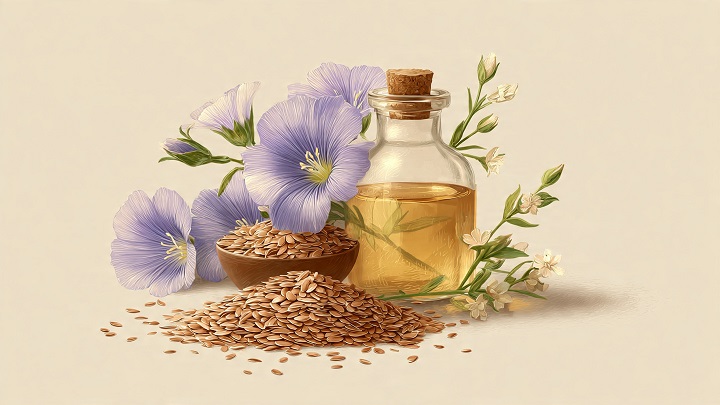
Flaxseed is a small, golden-brown seed rich in nutrients including protein, fiber, omega-3 fatty acids (ALA), selenium, and antioxidants. While whole flaxseed is difficult for the body to absorb, ground flaxseed or cold-pressed flaxseed oil makes its nutrients more bioavailable.
Historically, flax was first cultivated in Babylon around 3000 BC. Ancient Egyptians used it for clothing fibers and medicinal purposes, while Europeans in the Middle Ages consumed it for its health benefits.
Important distinction: Flaxseed oil is safe for human consumption and hair care. Linseed oil, though derived from the same seed, is processed with chemicals and used in paint or furniture finishes—never for dietary or cosmetic use.
How Flaxseed Supports Hair Health
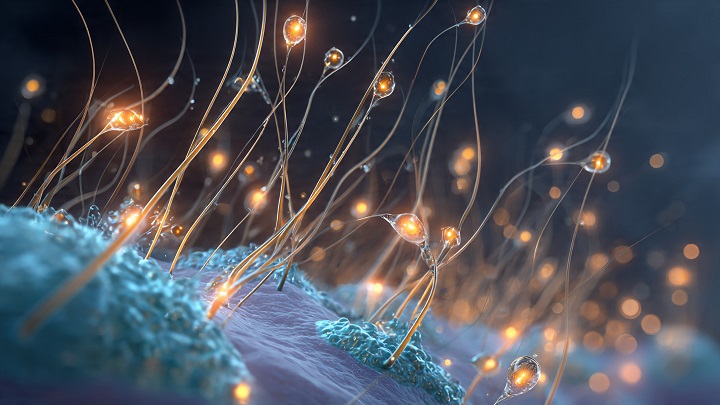
Flaxseed benefits hair both internally and externally through its rich nutrient profile.
Key Nutrients for Hair
Omega-3 fatty acids (ALA): Reduce scalp inflammation, strengthen follicles, and promote hair growth.
B vitamins: Support stronger, healthier strands and faster hair growth.
Vitamin E: Acts as an antioxidant, protecting follicles from free radical damage and improving blood circulation.
Protein and selenium: Strengthen hair shafts, improve elasticity, and add shine.
Benefits of Flaxseed for Hair
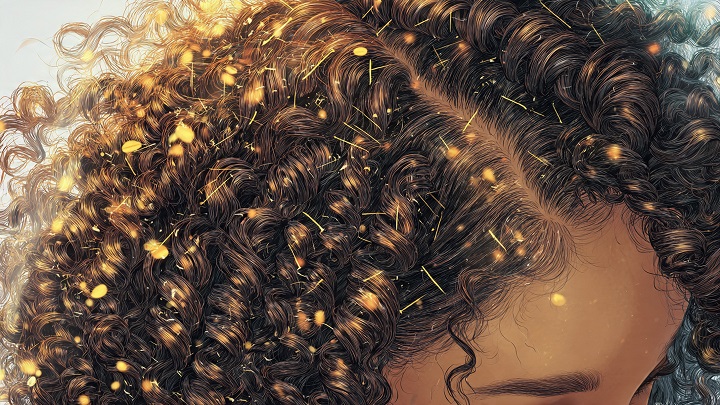
1. Strengthens Hair and Reduces Breakage
Topical flaxseed oil can seal the hair cuticle, reducing frizz and preventing breakage. Internally, omega-3s, protein, and vitamins nourish hair follicles, resulting in stronger and more resilient strands over time.
2. Improves Scalp Health
Dry, itchy scalps, dandruff, and inflammation can stunt hair growth. The anti-inflammatory properties of flaxseed oil, combined with fatty acids and vitamin E, help moisturize the scalp and soothe irritation. Regular scalp massages with flaxseed oil or using it as a deep conditioning treatment can promote a healthier environment for hair growth.
3. Promotes Hair Growth
Flaxseed oil and dietary flaxseed support new hair growth by nourishing follicles and preventing tissue damage. Antioxidants protect follicles, while omega-3 fatty acids encourage stronger, longer, and healthier strands.
4. Adds Shine, Definition, and Hold (Especially for Textured Hair)
Flaxseed gel is an excellent styling aid for curly and coily hair. It provides natural hold without flaking, smooths strands, and enhances curl definition. Applying flaxseed gel to wet hair in sections, smoothing with a brush or comb, and scrunching curls can help maintain defined, manageable styles.
How to Use Flaxseed for Hair
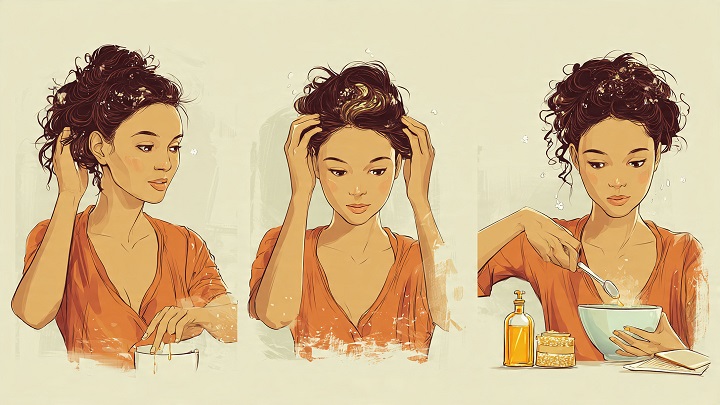
Topical Applications:
Flaxseed oil mask: Massage into hair for 10–15 minutes, then rinse and shampoo.
Flaxseed gel: Apply to wet hair for hold, curl definition, and frizz control.
Dietary Intake:
Add ground flaxseed to oatmeal, salads, smoothies, or grains.
Flaxseed oil capsules are available, but consult a doctor for safe dosage and potential interactions.
Consistency is key. Regular use, combined with healthy hair habits like trimming, gentle shampooing, and conditioning, yields the best results.
Potential Risks and Considerations

Even natural remedies carry risks:
Digestive issues (bloating, gas, diarrhea, constipation)
Hormonal effects, including increased estrogen
Possible interactions with medications such as blood thinners, cholesterol meds, or insulin
Skin sensitivity when applied topically
Omega-3s from flaxseed must be converted into DHA and EPA, so they’re not as readily absorbed as fish-based sources. Fatty fish or fish oil supplements may provide more potent benefits.
Bottom Line
Flaxseed is a nutrient-rich, versatile ally for hair care. It can strengthen strands, improve scalp health, support hair growth, and enhance curl definition for natural textures. While it’s not a miracle cure, integrating flaxseed into your diet or hair care routine can make a noticeable difference in hair strength, shine, and manageability.
Remember, true hair beauty comes from a combination of nutrition, care practices, and lifestyle habits. Flaxseed can play a valuable role in that journey, giving your hair natural support from root to tip.
Key Points Summary
Nutrients like omega-3s, vitamin E, protein, and selenium support hair strength and shine.
Topical flaxseed oil reduces frizz, soothes scalp, and promotes growth.
Flaxseed gel offers curl definition and natural hold for textured hair.
Dietary flaxseed nourishes hair from within.
Potential side effects include digestive issues and interactions with medications.
Consistent use and good hair care practices maximize results.
advertisement
Frequently Asked Questions (FAQ)
Q: Does flaxseed really make hair grow faster?
A: Flaxseed provides nutrients that support healthy hair growth, but results vary individually.
Q: Can I use flaxseed oil directly on my scalp?
A: Yes, a massage with flaxseed oil for 20–30 minutes can help with dryness, itching, and scalp inflammation.
Q: How much flaxseed should I eat for hair benefits?
A: 1–2 tablespoons of ground flaxseed daily is safe for most people; consult a doctor for supplements.
Q: Are there risks to using flaxseed?
A: Possible side effects include digestive discomfort, hormonal effects, skin sensitivity, and medication interactions.
Q: Can flaxseed gel help curly hair?
A: Yes, flaxseed gel provides hold, definition, and frizz control without flaking or crunchiness.
Sources
Healthline – Comprehensive overview of flaxseed benefits for hair and potential side effects
https://www.healthline.com/health/flaxseed-for-hairStrength of Nature – Explains flaxseed oil benefits, historical context, scalp health, and styling tips for textured hair
https://www.strengthofnature.com/blogs/african-pride-hair/4-surprising-flaxseed-oil-hair-benefits-for-all-textures
Disclaimer:
What is mentioned in this article is for advice and is not a substitute for consulting a doctor
Thank you !