
Gmail in 2026: How Google’s Biggest Email Change Impacts Security, Privacy, and Your Digital Identity
Key highlights at a glance
Gmail users can now change their primary @gmail.com address for the first time in history
The update reshapes email security, privacy, and long-term digital identity management
Experts say this is a rare chance to clean up your online footprint and reduce risk
advertisement
Introduction: Gmail Enters a New Era
For more than 20 years, Gmail has been one of the most permanent parts of the digital world. Once you chose an email address, it stayed with you for life. In 2026, that rule has finally changed. Google is rolling out the ability for users to change their primary @gmail.com address, a decision that could redefine how people think about email security, privacy, and online identity.
This long-awaited Gmail update arrives alongside a wave of AI-driven features, but its real impact lies in how it gives users control over something once considered irreversible. For everyday users and security experts alike, this is not just a convenience feature—it is a strategic shift in how email is used in a connected world.
Why Gmail Address Changes Matter More Than Ever

Email has become the universal key to online life. It is used to log in to social media, banking apps, cloud storage, and countless services. Over time, primary email addresses often end up in marketing databases, old accounts, and even data breaches.
According to Forbes, this change creates a rare opportunity to refresh your digital footprint and reduce exposure to spam, scams, and fraud. By switching to a new Gmail address and migrating key accounts, users can effectively isolate their older address to low-priority services and outdated subscriptions.
Android Police highlights that this flexibility marks a major shift in the digital landscape, where email addresses have long been treated as permanent identifiers rather than adaptable tools.
What Google’s New Gmail Feature Allows
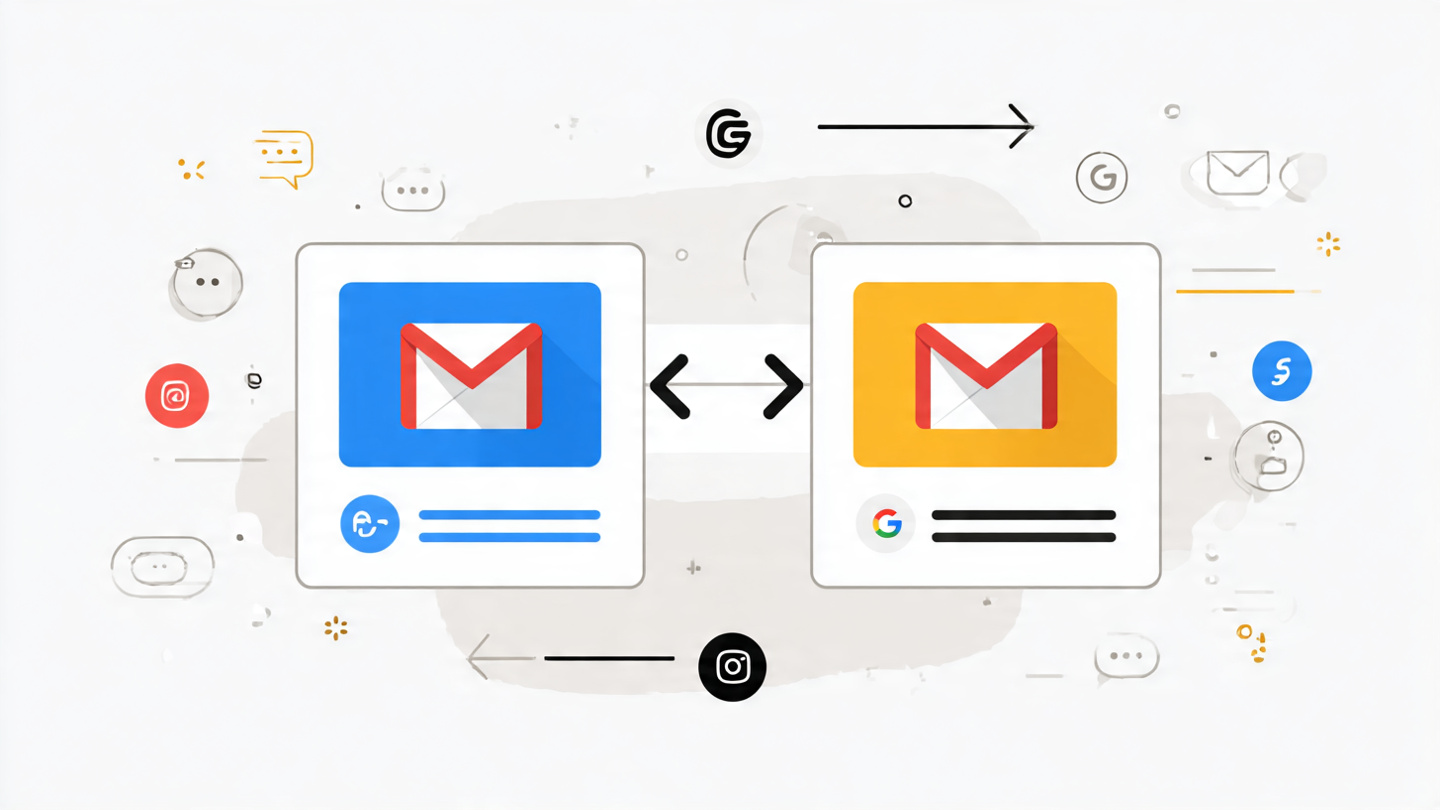
Google now permits users to change their Google Account email from one @gmail.com address to another @gmail.com address. While the rollout is gradual, official support documentation confirms the feature is real and expanding.
When you change your Gmail address, several things happen:
Your old Gmail address becomes an alternate email
Emails sent to both old and new addresses continue to arrive
All account data, including emails, photos, and files, remains intact
You can sign in using either address across Google services
You can revert to your previous address, but you cannot create another new Gmail address for 12 months
Google also limits how often this change can be made. As noted by Forbes and cited via 9to5Google, users can only change their address once every 12 months, up to three times total. This makes choosing the new address a decision worth careful thought.
How to Change Your Gmail Address
According to Google’s official guidance shared by Android Police, eligible users can change their Gmail address by following these steps:
Visit your Google Account settings
Navigate to Personal Info
Select Email
Choose Google Account email
Select Change Google Account email
If the option does not appear, it means the feature has not yet rolled out to your account.
Security Benefits and Expert Warnings

Forbes strongly advises users to treat this update as the first step in a broader security strategy. Simply changing your Gmail address is not enough. The real protection comes from updating your email address across important accounts such as financial services, cloud platforms, and social networks.
Filtering or deprioritizing emails sent to the old address can further reduce risk, but spam detection alone is not foolproof. Fraud and phishing attempts still reach inboxes, even with Google’s advanced filters.
Forbes also points out that what users truly need next is Google’s promised shielded email feature. This would allow temporary, disposable email aliases for sign-ups, offering even greater protection against data misuse. While this feature has been discussed, it has not yet been fully delivered.
Different Perspectives on the Update
Android Police frames the change as the end of one of the internet’s most rigid rules, calling it a long-awaited moment of flexibility in digital identity. From this perspective, the update is about user freedom and modernization.
Forbes takes a more cautionary stance, emphasizing security, privacy, and the growing risks of long-term email exposure. While both sources agree the update is positive, Forbes stresses that users should act strategically rather than casually.
The Bigger Picture: Rethinking Email

For decades, people have handed out their primary email address without much consideration, even though it functions as a master key to their digital lives. This Gmail update encourages a long-overdue rethink of that habit.
By separating high-value accounts from public-facing email use, users can regain control over their online presence. In a world of increasing data breaches and AI-driven scams, this shift may prove more important than any cosmetic Gmail redesign.
Conclusion: A Rare Chance to Reset Your Digital Life

Google’s decision to allow Gmail address changes is more than a technical update—it is an invitation to take ownership of your digital identity. Whether you are motivated by security, privacy, or simply a cleaner inbox, this feature offers a meaningful opportunity to reset and future-proof your online presence.
Used wisely, a new Gmail address can become a safer gateway to your digital world, while the old one fades into the background. As email continues to evolve alongside AI and cybersecurity threats, this change marks a pivotal moment. The opportunity is here—what matters now is how thoughtfully you use it.
Key Points Summary
Gmail users can now change their primary @gmail.com address
The feature is rolling out gradually and has strict limits
Experts recommend pairing the change with a full account migration
The update improves privacy, security, and long-term email management
advertisement
Frequently Asked Questions (FAQ)
Can I change my Gmail address right now?
The feature is rolling out gradually, so it may not yet be available to all users.
Will I lose my emails or Google data?
No. All existing emails, files, photos, and account data remain unchanged.
Can I receive emails sent to my old Gmail address?
Yes. Your old address becomes an alternate email and continues to receive messages.
How often can I change my Gmail address?
Once every 12 months, with a maximum of three changes total.
Does this improve security?
It can, especially if combined with updating your email across important accounts and services.
Sources :
Forbes – Analysis of Google’s Gmail decision and its security implications
https://www.forbes.com/sites/zakdoffman/2026/01/16/googles-gmail-decision-why-you-need-a-new-email-address-now/Android Police – Overview of Gmail’s new email address change feature and rollout details
https://www.androidpolice.com/the-long-wait-to-change-your-gmail-address-is-over-now/
Thank you !