
article image source: www.dawan.africa (Link)
World First: Artificial Lung System Keeps Patient Alive for 48 Hours Without Natural Lungs
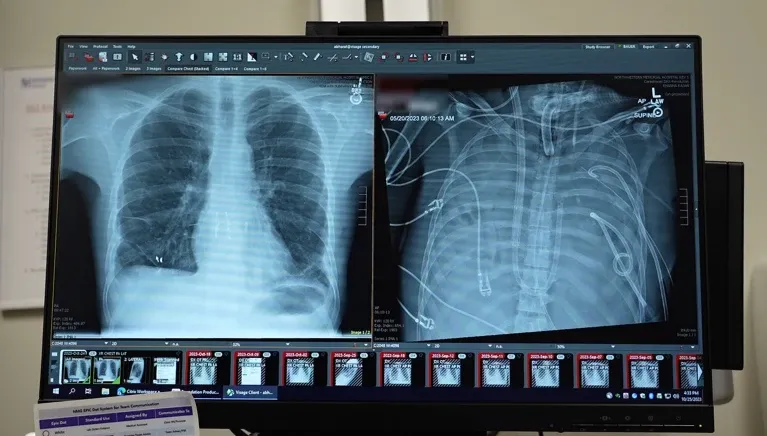
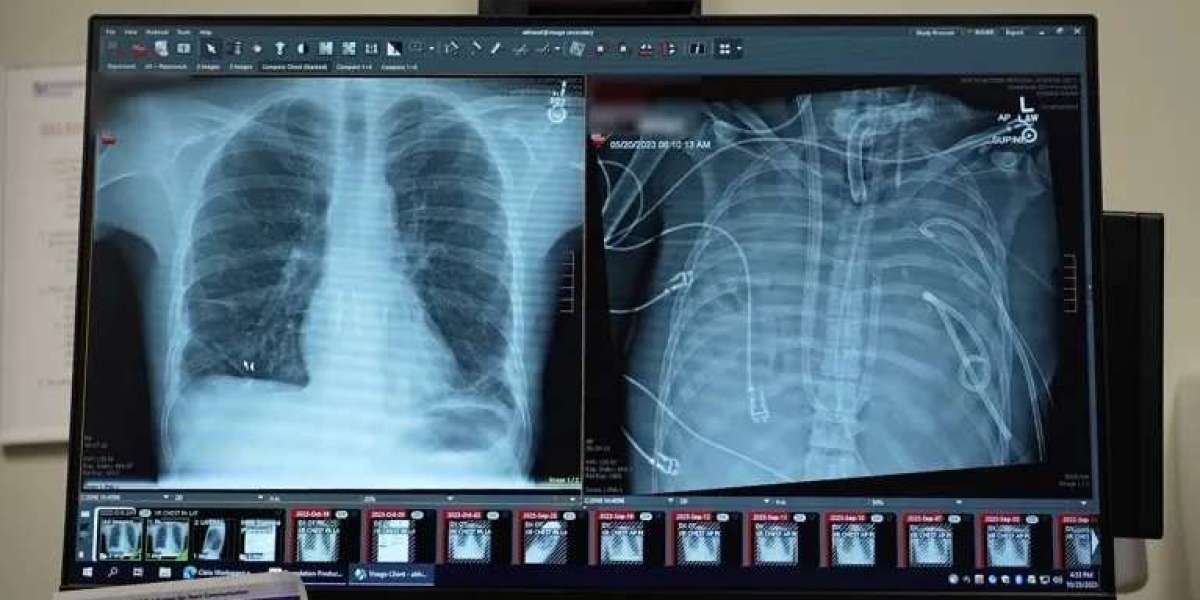
X-rays show a 33-year old patients’ new lungs (left) and old lungs (right) | Northwestern Medicine
image source: www.dawan.africa
Doctors kept a patient alive for 48 hours without natural lungs.
Flow-adaptive total artificial lung (TAL) maintained blood flow and oxygenation.
Successful double lung transplant followed, with long-term recovery.
advertisement
Introduction
In a groundbreaking medical milestone, doctors have successfully kept a critically ill patient alive for 48 hours without natural lungs. Using a custom-engineered total artificial lung (TAL) system, surgeons were able to stabilize the patient until a life-saving double lung transplant could be performed. This remarkable achievement offers hope for patients suffering from severe respiratory failure who were previously considered beyond help.
Revolutionary Surgical Approach
The patient, a 33-year-old man, developed acute respiratory distress syndrome (ARDS) triggered by influenza B, complicated by a severe drug-resistant Pseudomonas infection. Conventional ventilators could not sustain his failing lungs, which were filled with pus, leading to sepsis, kidney failure, and cardiac arrest.
Faced with irreversible lung damage, thoracic surgeon Dr. Ankit Bharat and his team at Northwestern University Feinberg School of Medicine performed a bilateral pneumonectomy—removing both lungs. Normally, losing both lungs is fatal, as the body cannot oxygenate blood or maintain circulation. Even ECMO (extracorporeal membrane oxygenation) is insufficient to fully replace natural lung function.
The Total Artificial Lung (TAL) System
To save the patient, the team engineered a flow-adaptive TAL system. Unlike conventional support devices, this system maintained normal blood flow to the heart while oxygenating blood and removing carbon dioxide. Key features included:
A dual-lumen cannula pulling deoxygenated blood from the heart into the artificial oxygenator.
A flow-adaptive shunt preventing dangerous pressure buildup.
Dual return lines ensuring oxygenated blood reliably returned to the heart.
Tissue-based supports to stabilize the heart in the empty chest cavity.
Within hours of activating the TAL system, the patient’s blood pressure stabilized, kidney function returned, and heart-supporting medications were no longer required, demonstrating the body’s rapid response to artificial lung support.
Successful Lung Transplant and Long-Term Outcome
After 48 hours, a suitable donor became available, allowing for a successful double lung transplant. Two years later, the patient continues to enjoy normal lung function with no signs of organ rejection, showcasing the TAL system’s effectiveness and the surgical team's precision.
Expert Insights and Future Implications
Medical experts worldwide are hailing this case as transformative for critical respiratory care. Dr. Natasha Rogers of Westmead Hospital, Sydney, described the engineering behind the artificial lung as “remarkable,” while noting that implementing such technology requires highly specialized teams and facilities.
Molecular analysis of the removed lungs revealed extensive destruction and a lack of regenerative capacity, confirming that conventional support would likely have failed. While routine use of TAL systems remains distant due to complexity, this breakthrough paves the way for innovations in respiratory support and life-saving interventions for patients awaiting organ transplants.
Conclusion
This landmark achievement demonstrates the potential of engineering and medicine working hand-in-hand to push the boundaries of life-saving care. The TAL system not only bought precious time for a patient with irreversibly damaged lungs but also offers a glimpse into a future where terminal respiratory failure may no longer be a definitive death sentence. As research and technology evolve, artificial lungs could redefine the standards of critical care and transplant medicine worldwide.
Key Points Summary:
First successful use of a total artificial lung system to sustain life without natural lungs.
TAL system maintains blood flow, oxygenation, and organ function.
Double lung transplant performed after 48 hours; patient thrives two years later.
advertisement
Frequently Asked Questions (FAQ):
Q: What is a total artificial lung (TAL) system?
A: A TAL system is an engineered device that oxygenates blood, removes carbon dioxide, and maintains stable blood flow to the heart, effectively replacing the lungs temporarily.
Q: How long was the patient kept alive without lungs?
A: The patient survived 48 hours using the TAL system before receiving a double lung transplant.
Q: Is this technology available in all hospitals?
A: No, it requires highly specialized teams and equipment, currently limited to advanced medical centers.
Q: What was the patient’s condition before the procedure?
A: The patient had ARDS caused by influenza B, complicated by drug-resistant bacterial infection, sepsis, kidney failure, and cardiac arrest.
Q: What does this mean for future treatments?
A: The breakthrough could inspire new respiratory support devices, improve outcomes for patients awaiting lung transplants, and redefine care for severe lung failure.
Sources
- Dawan Africa – Report on first successful artificial lung system keeping patient alive 48 hours without natural lungs
https://www.dawan.africa/news/world-first-artificial-lung-system-keeps-patient-alive-for-48-hours-without-natural-lungs
Thank you !