
The Link Between Healthy Habits and Slower Brain Aging

Key Points Summary:
Healthy Habits Slow Brain Aging: Sleep, stress management, and optimism can make your brain appear younger.
Research Focused on Chronic Pain: Even individuals with chronic pain showed slower brain aging with healthy lifestyle choices.
Protective Factors Include: Quality sleep, social support, healthy weight, and avoiding tobacco.
The Brain Age Gap: MRI scans can show a "brain age" that may differ from chronological age, offering insight into brain health.
Empowering Findings: Many of the studied factors are within individual control, empowering people to influence their brain health.
advertisement
Introduction: Understanding Brain Aging
As we grow older, our brains are subject to inevitable changes. However, the speed at which these changes occur isn't entirely determined by age. A recent study by the University of Florida has found that certain healthy habits, such as quality sleep, optimism, and social support, can significantly slow down the aging process of the brain. These findings suggest that our lifestyle choices can have a measurable impact on brain health, even in the presence of chronic conditions like pain.
The Role of Lifestyle Factors in Brain Aging
The University of Florida's study, published in Brain Communications in September 2025, followed 128 middle-aged and older adults, most of whom suffered from chronic musculoskeletal pain associated with knee osteoarthritis. Over two years, researchers used MRI scans and machine learning technology to estimate the "brain age" of participants and compared it with their chronological age. What they discovered was remarkable: participants with healthier lifestyle habits appeared to have brains up to eight years younger than their peers.
Key factors that contributed to slower brain aging included:
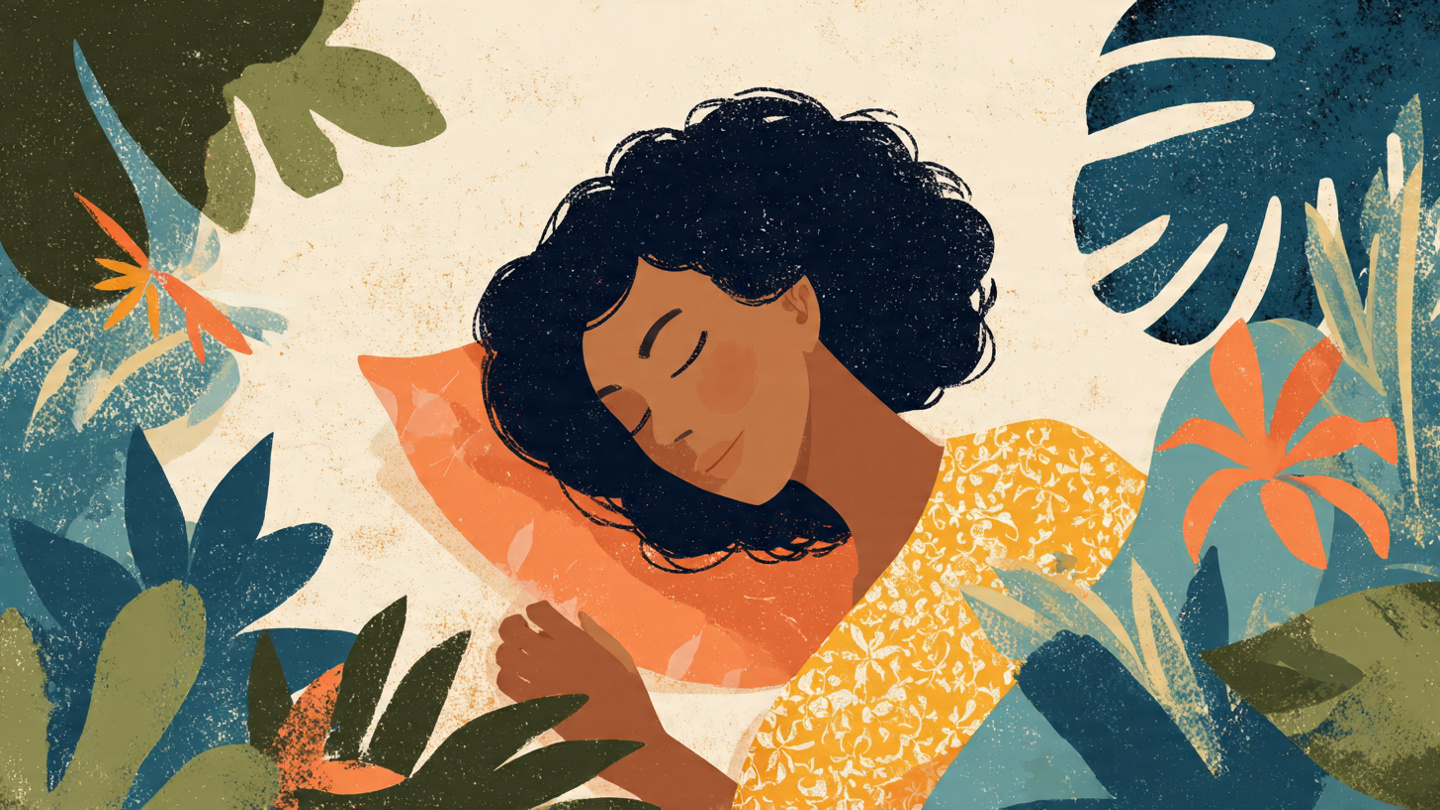
Quality sleep: Participants who consistently achieved restorative sleep had younger-appearing brains.
Social support: Strong relationships and community engagement were linked to healthier brain function.
Healthy weight and stress management: Those who maintained a healthy weight and managed stress effectively showed more robust brain health.
Avoiding harmful habits: Avoiding smoking and excessive alcohol consumption played a role in reducing brain aging.
The research indicates that even individuals living with chronic pain, such as osteoarthritis, could benefit from these healthy lifestyle habits. Dr. Kimberly Sibille, a senior author of the study, emphasized that health-promoting behaviors "appear to bolster health in an additive fashion at a biologically meaningful level."
How Stress and Pain Impact Brain Aging

While the study focused on participants with chronic pain, it is likely that the findings can be generalized to other populations. Chronic stress, pain, and life challenges often take a toll on the brain, accelerating aging and contributing to cognitive decline. The research suggests that the brain age gap—defined as the difference between one's chronological age and the age suggested by brain scans—can serve as an important marker for overall brain health.
Interestingly, factors such as low income and limited education, which are typically considered risk factors for poor brain health, were associated with older brain age. However, these negative effects were less pronounced compared to the benefits of adopting protective behaviors.
Protective Behaviors That Slow Brain Aging

The key takeaway from this study is that the brain's aging process is not solely dictated by genetic factors or the challenges we face in life. Positive lifestyle habits can have a significant impact on how the brain ages. Some of the most effective strategies for maintaining brain health include:
Optimism: Cultivating a positive outlook can buffer against stress and contribute to a healthier brain.
Social Connections: Strong emotional and social support networks help protect against the negative effects of stress and pain.
Sleep Hygiene: Ensuring that you get enough high-quality sleep is essential for maintaining cognitive function as you age.
Physical Activity and Healthy Eating: Maintaining a healthy weight through exercise and balanced nutrition has long been linked to better brain health.
Stress Reduction: Finding ways to cope with stress, whether through mindfulness, meditation, or therapy, can help mitigate the brain-aging effects of chronic stress.
Dr. Jared Tanner, a research associate professor at the University of Florida and lead author of the study, pointed out that many of these factors are within an individual's control. "Poor sleep is treatable. Optimism can be practiced," he said. This highlights the empowering message that we can take actionable steps to slow the aging of our brains.
Conclusion: The Power of Healthy Habits in Brain Aging
As science continues to uncover the connection between lifestyle choices and brain health, it's clear that we have the power to influence the aging process. While we may not be able to control everything about our health, adopting habits that promote physical and emotional well-being can have lasting effects on our brain's longevity. In a world where brain health is becoming an increasingly important topic, this research serves as a reminder that small, positive changes can lead to significant benefits. By taking care of our bodies and minds, we can help ensure our brains age more slowly and healthfully, allowing us to thrive well into our later years.
advertisement
Frequently Asked Questions FAQ:
Q1: How can I slow down my brain aging?
A1: Adopt healthy habits such as getting quality sleep, reducing stress, staying socially connected, and maintaining a healthy weight. Optimism and avoiding smoking also help.
Q2: Can lifestyle habits help even if I have chronic pain?
A2: Yes! The University of Florida study shows that lifestyle factors can buffer the effects of chronic pain and contribute to slower brain aging.
Q3: What is the "brain age gap"?
A3: The "brain age gap" refers to the difference between your chronological age and the age indicated by brain scans. A smaller gap suggests healthier brain aging.
Q4: Is it too late to start these habits?
A4: No, it's never too late! Starting healthy habits, even later in life, can help slow brain aging and improve brain health.
Sources
Thank you !