
Stock Market Volatility Explained: Oil Prices, Federal Reserve Policy & Global Equity Correction Risks in 2026

- Global stocks are swinging amid geopolitical tensions and oil price shocks.
- Strong U.S. economic data is supporting a market rebound.
- Goldman Sachs warns of correction risks—but sees limited bear market danger.
advertisement
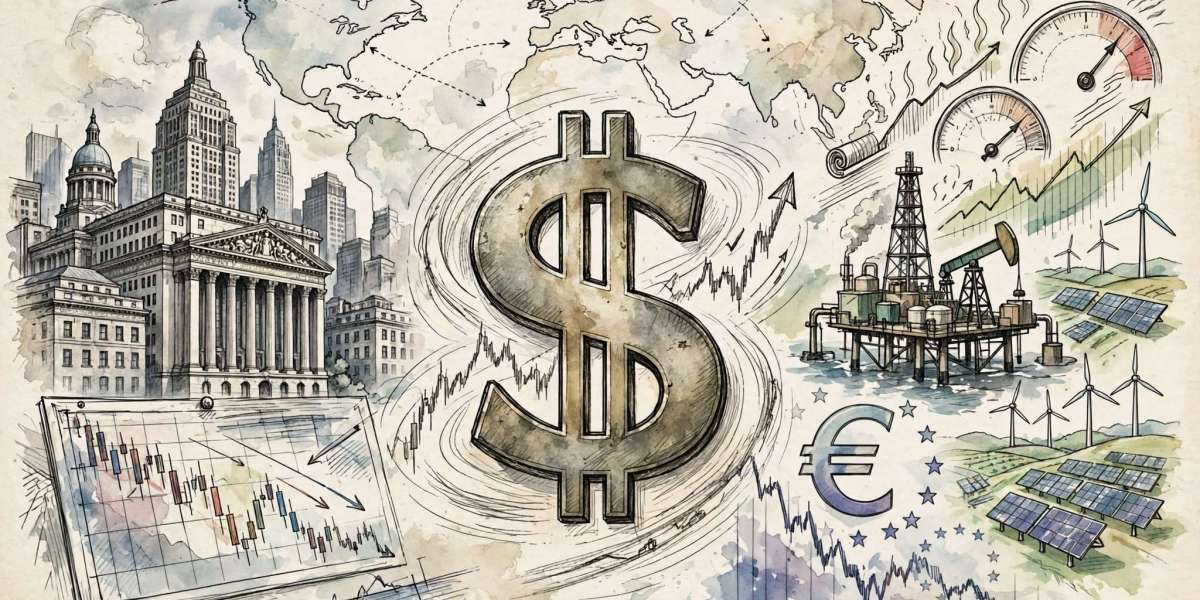
The stock market in 2026 is navigating a period of sharp volatility driven by geopolitical conflict, oil price fluctuations, inflation concerns, and shifting expectations around Federal Reserve interest rate policy.
Recent market movements show how sensitive global equities have become to developments in the Middle East, energy markets, and economic data, while major financial institutions suggest that despite correction risks, a prolonged bear market remains unlikely.

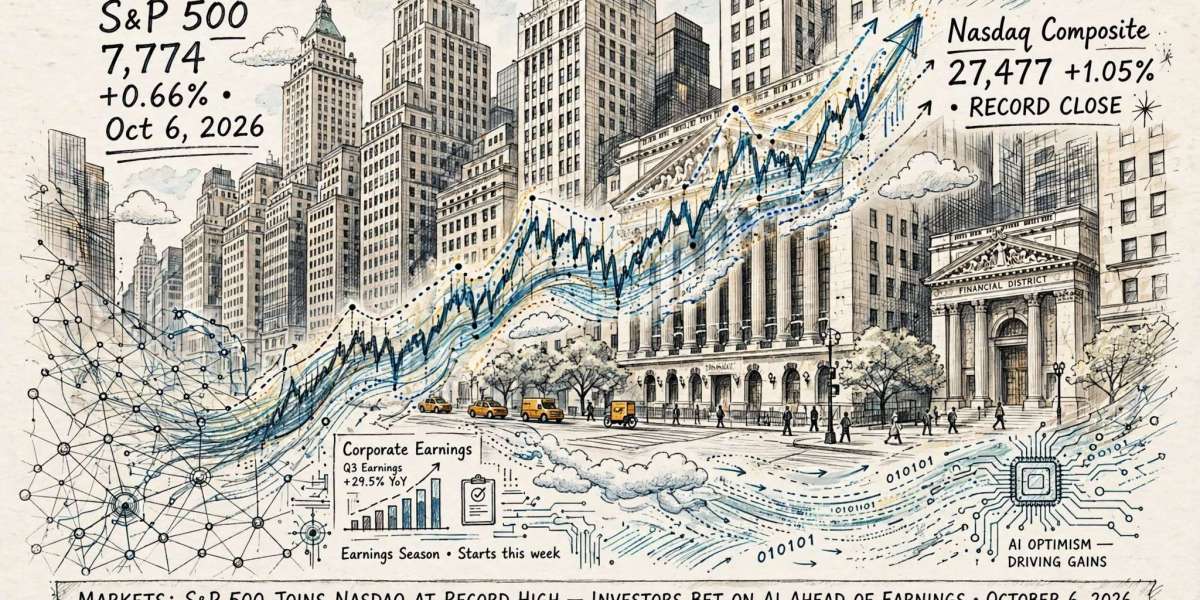
U.S. stocks rebounded strongly after two days of dramatic swings, according to reporting by the Associated Press. The S&P 500 climbed 1%, moving toward erasing losses triggered by the war involving Iran. The Dow Jones Industrial Average gained 319 points, while the Nasdaq Composite rose 1.5%, reflecting renewed investor confidence.
Much of the volatility has been tied to oil prices. Brent crude briefly surged above $84 per barrel before easing back to around $81.40, while U.S. benchmark crude settled near $74.66. Markets have been closely tracking energy prices because higher oil costs can fuel inflation and compress corporate profits. Historically, U.S. equities have tended to recover relatively quickly from Middle East conflicts—provided oil prices do not spike excessively.
advertisement
Encouraging economic data also helped stabilize investor sentiment. Business activity in services sectors such as real estate and finance accelerated at the fastest pace since mid-2022, while price increases in those sectors showed signs of moderation prior to the escalation in geopolitical tensions.
A separate report suggested private-sector hiring strengthened, offering optimism ahead of broader government employment data.
These developments matter significantly for the Federal Reserve, which faces a delicate balancing act. Higher oil prices could push inflation upward, potentially forcing the Fed to maintain elevated interest rates for longer. At the same time, prolonged high rates can slow economic growth by making borrowing more expensive for businesses and households. Before the recent conflict, the central bank had signaled potential rate cuts later in the year, but traders have since pushed expectations further into the summer.
While U.S. markets showed resilience, global equities remain under pressure. According to reporting by Reuters, Goldman Sachs warns that global stocks face significant “correction risks” due to geopolitical uncertainty, elevated valuations, and concerns about artificial intelligence disrupting industries.
advertisement
The bank’s chief global equities strategist, Peter Oppenheimer, noted that current valuations increase the probability of a correction, defined as a 10% decline from a recent high. A bear market—typically marked by a 20% drop—is considered less likely. Goldman argues that robust earnings growth in the U.S. and emerging markets, combined with the potential for continued economic expansion, reduces the risk of a deep and prolonged downturn.
Global performance indicators illustrate this caution. The MSCI All Country World Index has declined for several consecutive sessions and sits roughly 4% below its record high. Meanwhile, the S&P 500 is slightly negative for the year overall. Investors have increasingly rotated from riskier assets into safer investments amid fears of inflation and economic disruption.
At the company level, market movements have been uneven. Crypto-related stocks rallied as bitcoin prices recovered, while major technology firms helped lift broader indices. Large-cap technology companies such as Nvidia and Amazon contributed significantly to the rebound due to their heavy weighting in major indexes. Retailers and travel companies also strengthened on hopes that steady economic growth and easing gasoline prices will sustain consumer spending.
Overall, today’s stock market environment reflects a complex mix of risk and resilience. Geopolitical instability, oil price volatility, AI-driven transformation, and central bank policy shifts are shaping investor expectations. Yet underlying economic strength and corporate earnings continue to provide a foundation that may prevent a deeper collapse.
Conclusion
The current stock market volatility serves as a powerful reminder that markets react quickly to global events—but they also adapt.
History suggests that while corrections are part of the natural market cycle, strong economic fundamentals often provide resilience.
Investors navigating 2026 must balance caution with long-term perspective, recognizing that periods of uncertainty can also create opportunity.
Diversification, disciplined strategy, and attention to economic signals remain essential tools in an era defined by rapid change and global interconnection.
Key Points
U.S. stocks rebounded as oil prices stabilized and economic data showed strength.
Goldman Sachs sees correction risks but considers a deep bear market unlikely.
Federal Reserve rate decisions remain central to market direction in 2026.
advertisement
Frequently Asked Questions (FAQ)
1. Why are stocks so volatile in 2026?
Stocks are reacting to geopolitical tensions in the Middle East, oil price fluctuations, inflation risks, and uncertainty around Federal Reserve interest rate decisions.
2. What is the difference between a correction and a bear market?
A correction is typically a 10% drop from a recent high, while a bear market is defined as a decline of 20% or more.
3. How do oil prices affect the stock market?
Higher oil prices can increase inflation, raise costs for businesses, reduce consumer spending power, and pressure corporate profits.
4. Is Goldman Sachs predicting a crash?
No. Goldman Sachs warns of correction risks but believes a prolonged bear market is unlikely due to strong earnings growth and economic resilience.
5. What role does the Federal Reserve play?
The Federal Reserve influences markets through interest rate policy. Higher rates can slow inflation but may also dampen economic growth.
Sources
- Associated Press – Report on U.S. stock rebound, oil prices, and economic data
https://apnews.com/article/stocks-markets-iran-oil-trump-c9a42448cbc7afc35e959dd444614aa0 - Reuters – Goldman Sachs outlook on global equity correction risks
https://www.reuters.com/business/goldman-says-global-equities-face-correction-risks-bear-market-unlikely-2026-03-04/
Thank you !