
article image source: bath.ac.uk (Link)
Bio-Based Polymer Revolutionizes ‘Forever Chemical’ Cleanup for Sustainable Water Treatment
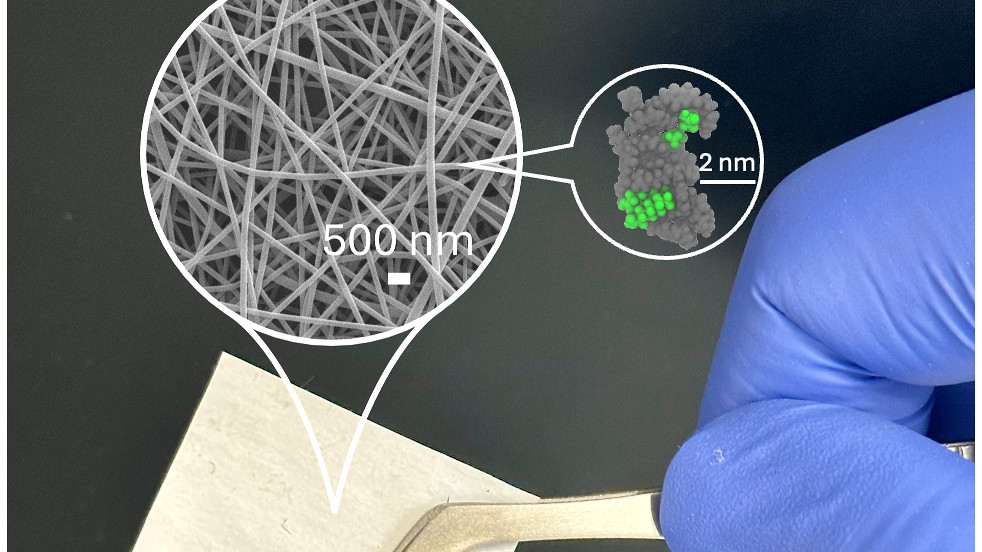
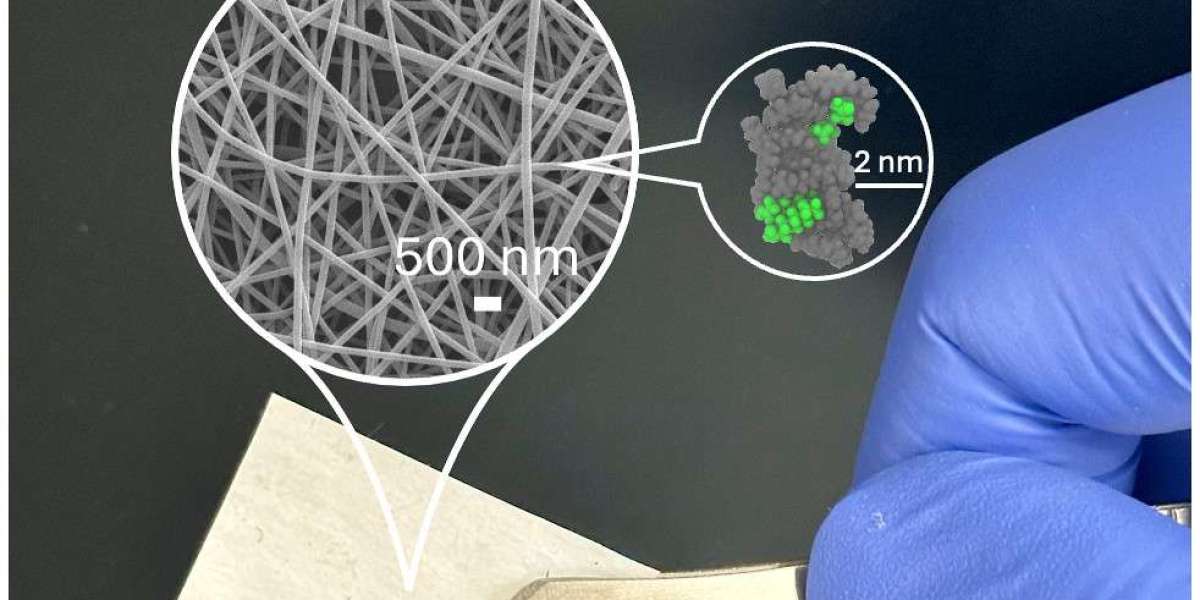
The bio-based membrane is made up of a network of billions of nanofibres, each one hundreds of times thinner than a human hair
image source: bath.ac.uk
Key Highlights:
Captures over 94% of toxic PFOA pollutants efficiently.
Reusable, renewable, and scalable solution for water purification.
Water-activated nanofibre network traps chemicals without generating secondary waste.
advertisement
Introduction
Perfluorooctanoic acid (PFOA), a notorious member of the PFAS (“forever chemicals”) family, has long posed a serious threat to human health and the environment. Found in water sources globally, PFOA exposure has been linked to cancers, hormone disruption, and immune system suppression. Traditional water treatment methods often fall short, either requiring frequent replacement, generating secondary waste, or proving costly at scale.
Now, researchers at the University of Bath have developed a renewable, bio-based polymer membrane that offers a highly efficient, sustainable, and reusable solution to this global problem. This breakthrough paves the way for scalable water treatment technologies that could redefine how we address PFAS contamination worldwide.
How the Bio-Based Polymer Works
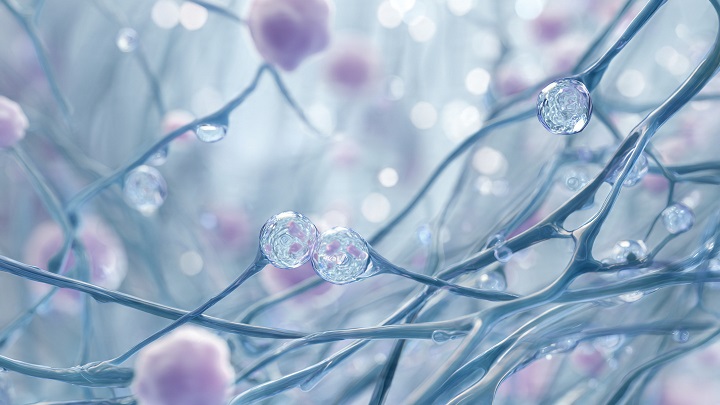
The membrane is composed of nanofibres hundreds of times thinner than a human hair, forming a highly porous network. When exposed to water, these nanofibres absorb moisture and swell, creating a tightening net that traps PFOA molecules effectively.
Dr. Xiang Ding from the Innovation Centre for Applied Sustainable Technologies (iCAST) explained, “Traditional nylon materials barely change in water, but our bio-based nanofibres structurally reorganise themselves and tighten. This feature gives them a remarkable ability to trap stubborn PFAS pollutants quickly and efficiently.”
Advantages Over Traditional Methods
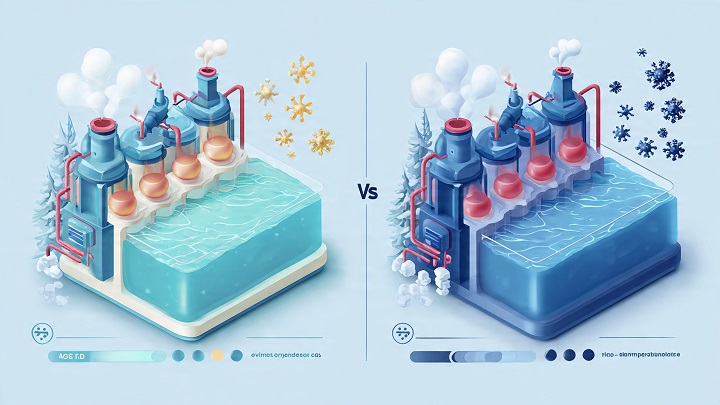
Rapid and reliable: Captures up to 50% of PFOA within an hour.
Reusable and regenerative: Heat treatment allows trapped pollutants to be removed, and the polymer can be reprocessed, recovering up to 93% of its original adsorption capacity.
Sustainable design: Made from renewable furan-based building blocks, avoiding fossil-derived materials.
Reduces secondary waste: Unlike activated carbon or ion-exchange resins, the membrane doesn’t require frequent replacement.
Traditional methods such as electricity, sunlight, or microbial degradation are often expensive, slow, or difficult to scale, while activated carbon or ion-exchange resins need complex regeneration. This new bio-based approach combines high-performance PFAS removal with sustainability and circularity.
Future Applications and Scaling
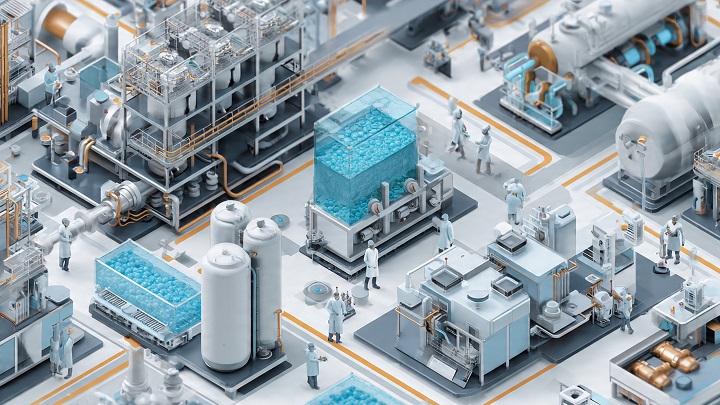
The University of Bath team, including Dr Hannah Leese, Professor Matthew Davidson, and Dr Carmelo Herdes, aims to:
Scale up the technology for real-world water treatment applications.
Expand the membrane’s capabilities to capture other PFAS chemicals.
Optimize the regeneration process for practical and industrial use.
This research is a strong step toward circular, sustainable, and practical water treatment solutions that can tackle ‘forever chemical’ pollution globally.
Conclusion

The development of this bio-based polymer membrane signals a transformative moment in environmental technology. By combining renewable materials, reusability, and efficient pollutant capture, the research not only addresses urgent public health concerns but also embodies a practical approach to sustainability. As the team continues to scale and optimize this technology, it could redefine water purification standards worldwide, offering hope for cleaner rivers, lakes, and drinking water for generations to come.
Key Points Summary
Bio-based polymer captures >94% of PFOA from water.
Water-activated nanofibre network traps chemicals quickly.
Membrane is reusable, regenerative, and sustainable.
Made from renewable furan-based materials.
Potential to scale for industrial water treatment and other PFAS chemicals.
advertisement
Frequently Asked Questions (FAQ)
Q1: What are ‘forever chemicals’?
A1: ‘Forever chemicals’ or PFAS are synthetic substances resistant to degradation. PFOA, a type of PFAS, is toxic and persists in water and soil.
Q2: How effective is the new bio-based polymer?
A2: It can capture over 94% of PFOA and retains up to 93% of its adsorption capacity after regeneration.
Q3: Can the membrane be reused?
A3: Yes, it can be treated with heat to remove pollutants and then re-spun into a new membrane.
Q4: How does the polymer trap pollutants?
A4: Nanofibres in the polymer swell when in water, creating a tightening net that traps PFOA molecules efficiently.
Q5: Is the polymer environmentally friendly?
A5: Yes, it’s made from renewable furan-based materials and avoids fossil-derived resources.
Q6: What’s next for this technology?
A6: Researchers aim to scale it for real-world testing, optimize regeneration, and broaden its application to other PFAS chemicals.
Sources
University of Bath – Bio-based polymer offers a sustainable solution to ‘forever chemical’ cleanup
https://www.bath.ac.uk/announcements/bio-based-polymer-offers-a-sustainable-solution-to-forever-chemical-cleanup/
Thank you !