
Smartwatch Device to Detect Microplastics in the Human Body: A Breakthrough in Non-Invasive Health Monitoring
Demo: Got Under Your Skin? Light-Based Detection of Plastic Particles Using Biological Skin Phantoms
Key Highlights:
A smartwatch-like wearable could soon detect microplastics inside the human body without blood tests.
The device uses advanced light-based spectrometry to identify plastic particles beneath the skin.
Early tests on artificial skin show promising results, but real-world use is still in development.
advertisement
Introduction
Microplastics in the human body are becoming a growing global concern.
Scientists are now exploring innovative solutions to detect these tiny particles without invasive procedures.
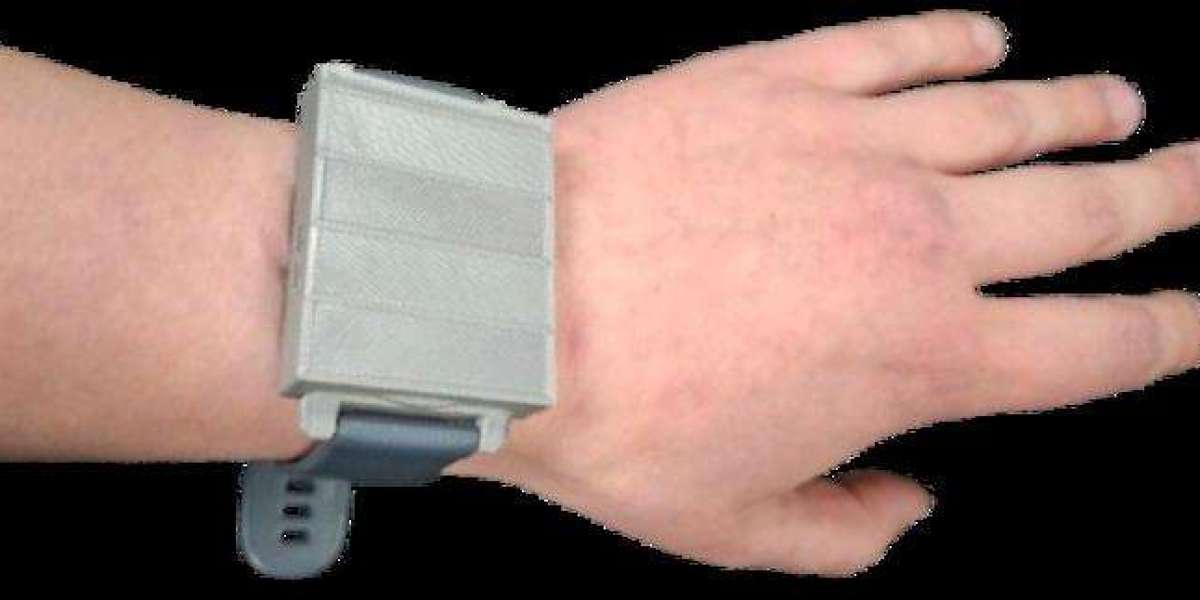
A new smartwatch-like device designed to detect microplastics in the human body could revolutionize health monitoring.
Developed by researchers at the University of Tartu, this wearable technology aims to make detection easier, safer, and more accessible.
Microplastics Are Everywhere — Even Inside Us
Microplastics and nanoplastics are nearly impossible to avoid.
They are present in the air we breathe, the water we drink, the food we consume, and even the clothes we wear.
Recent studies have revealed something even more concerning:
these particles have been found in the bloodstream and across many internal organs in the human body.
Despite their widespread presence, the long-term effects on human health remain unclear.
However, existing research — particularly from animal and cell studies — suggests that microplastics may:
Accumulate in living organisms
Spread across tissues
Trigger inflammation
Cause oxidative stress
Contribute to metabolic disorders
These effects are especially observed in the digestive and respiratory systems.
Why Detecting Microplastics Is So Difficult
Current detection methods are far from ideal.
They typically involve blood sampling, specialized laboratory equipment, and invasive procedures.
This makes regular monitoring impractical, expensive, and uncomfortable.
According to researchers, this limitation is a major barrier to understanding how much plastic is actually inside the human body.
A Smartwatch That Looks Beyond Fitness
Unlike traditional wearables that track steps, heart rate, or sleep,
this device focuses on something far more alarming — plastic particles inside the body.
The concept transforms a familiar health gadget into a powerful scientific tool.
Instead of promoting fitness alone, it aims to measure the hidden impact of environmental pollution on human health.
How the Technology Works
The device relies on a scientific technique called spectrometry, which analyzes how light interacts with materials.
Here’s how it works in simple terms:
The wearable shines different colors of light into the skin
Materials beneath the surface reflect and absorb light differently
Each type of plastic has a unique optical signature
Sensors capture and analyze the reflected light
The system uses a miniature spectrometer capable of detecting:
Visible light
Near-infrared wavelengths
Ultraviolet wavelengths
These combined signals allow the device to identify plastic particles beneath the skin without any invasive procedure.
Promising Early Results
The researchers have already tested the concept using artificial skin.
The prototype successfully detected plastic particles embedded beneath the surface.
This early success demonstrates that wearable spectrometry could eventually become a practical tool for monitoring microplastics in the human body.
However, the team emphasizes that:
The technology is still in early development
A consumer-ready device is not yet available
More research and refinement are needed
Why This Innovation Matters
This device could change how we understand environmental exposure.
By enabling non-invasive, continuous monitoring, it could:
Help scientists measure how much plastic accumulates in the body
Provide data to guide public health policies
Support efforts to reduce plastic exposure
Empower individuals with knowledge about their own health
The idea of tracking plastic levels as easily as heart rate could redefine personal health awareness.
Conclusion
The development of a smartwatch-like device to detect microplastics represents a powerful intersection of technology, health, and environmental science.
While the research is still in its early stages, the potential impact is enormous.
For the first time, we may soon have a practical way to monitor invisible pollutants inside our bodies — without needles, labs, or discomfort.
This innovation does more than introduce a new gadget.
It opens the door to a deeper understanding of how modern life affects our biology.
As research progresses, such wearable technology could become a vital tool in shaping healthier lifestyles, smarter policies, and a cleaner future.
In a world increasingly filled with plastic, knowledge may become our strongest form of protection.
Key Points
Microplastics are now found throughout the human body, including blood and organs.
A smartwatch-like wearable uses spectrometry to detect plastic particles non-invasively.
The device analyzes how light reflects off materials to identify microplastics.
Early tests on artificial skin have shown successful detection.
The technology is still in development but shows strong future potential.
advertisement
Frequently Asked Questions (FAQ)
1. What are microplastics?
Microplastics are tiny plastic particles found in the environment, including air, water, food, and everyday products.
2. Can microplastics really enter the human body?
Yes, studies have found microplastics in the bloodstream and various organs.
3. How does the smartwatch detect plastics?
It uses spectrometry, analyzing how light reflects and absorbs from materials beneath the skin.
4. Is the device available for purchase?
No, it is still in the research and development stage.
5. Why is this technology important?
It could help scientists and individuals understand plastic exposure and its potential health effects.
Sources
EurekAlert – Research on wearable device detecting microplastics
https://www.eurekalert.org/news-releases/1122033Digital Trends – Overview of smartwatch-like microplastic detection device
https://www.digitaltrends.com/wearables/this-device-looks-like-a-smartwatch-but-it-measures-something-far-more-sinister/
Thank you !