
article image source: news.harvard.edu (Link)
(What will be mentioned in this article is for advice and is not a substitute for consulting a doctor)
The Thymus: The Overlooked Organ Vital for Longevity, Immunity, and Cancer Response
Long Dismissed in Adult Health, the Thymus May Be Critical for Longevity and Cancer Treatment
- Mass General Brigham Research
Key Points:
The thymus is essential for immune system health throughout life, not just childhood.
Strong thymic health is linked to reduced risk of cardiovascular disease, cancer, and death.
Lifestyle, inflammation, and T-cell diversity influence how well the thymus functions in adults.
advertisement
Introduction
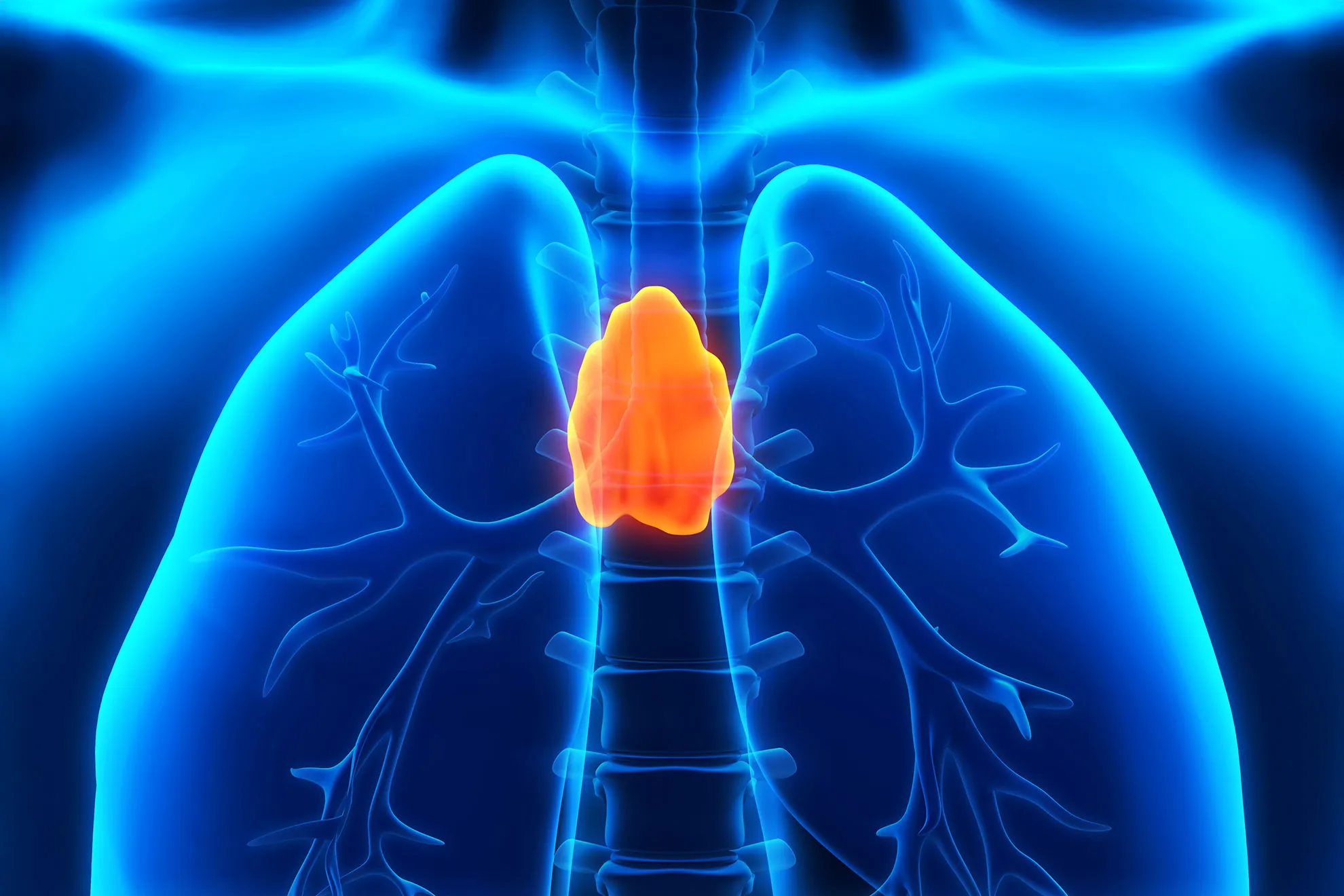
Thymus may be critical to adult health
image source: The Harvard Gazette [news.harvard.edu]
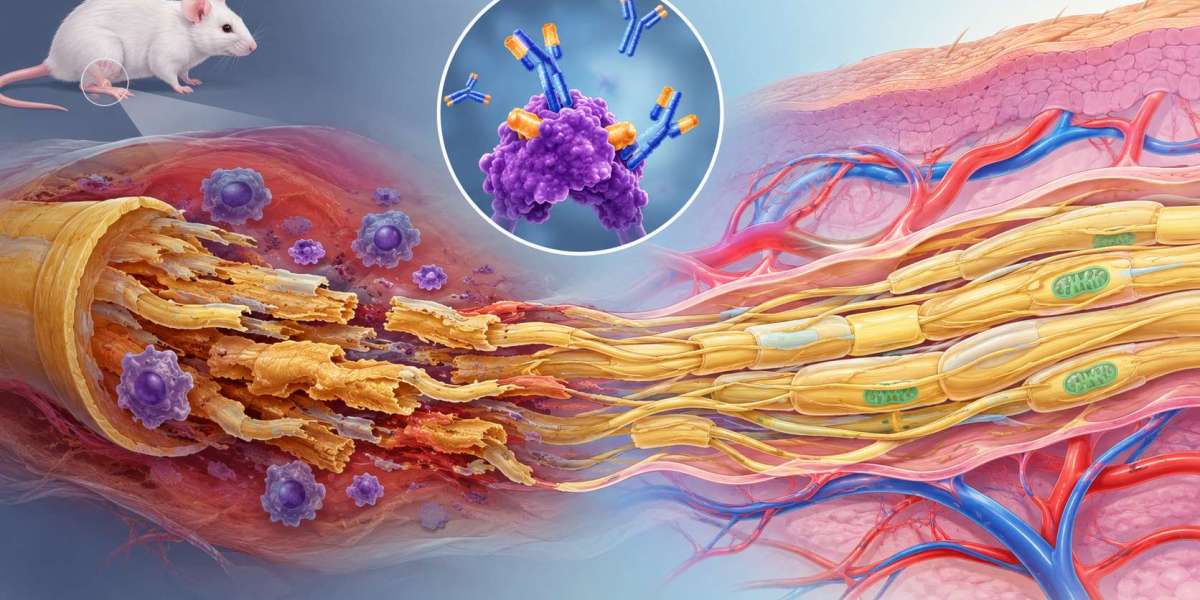
For decades, the thymus—a small organ located in the chest behind the sternum—was thought to lose significance after puberty. Its primary role in early life is to develop T cells, which are critical for adaptive immunity, but conventional wisdom held that as the thymus shrinks with age, it becomes largely inactive.
However, groundbreaking research led by Harvard-affiliated scientists at Brigham and Women’s Hospital, Dana-Farber Cancer Institute, and Mass General Brigham challenges this assumption. Using artificial intelligence to analyze tens of thousands of CT scans and patient records, these studies reveal that the thymus continues to play a pivotal role in adult health, longevity, and even cancer treatment outcomes.
What is the Thymus and Why Does It Matter?
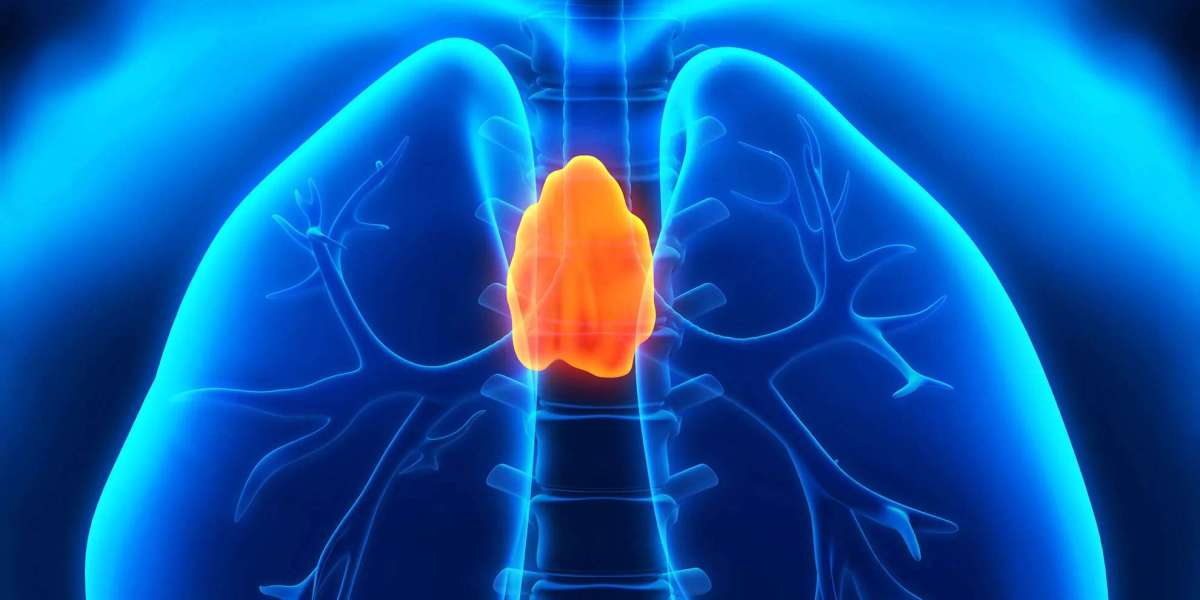
The thymus is a small, butterfly-shaped organ situated in the chest, nestled between the heart and lungs. Its main function is to train T cells, a type of white blood cell essential for adaptive immunity. These cells identify and attack pathogens, cancer cells, and other threats to the body.
While the thymus naturally shrinks and is partially replaced by fat tissue after puberty—a process called involution—recent studies suggest that its functional health in adults is highly variable and directly correlated with overall health outcomes.
Thymus Health and Longevity
Researchers used AI to analyze over 25,000 adults in national lung cancer screening trials and the Framingham Heart Study cohort. They developed a “thymic health” score based on the organ’s size, shape, and tissue composition. Key findings include:
Adults with high thymic health scores had a 50% lower risk of death, 63% lower risk of cardiovascular death, and 36% lower risk of developing lung cancer.
Individuals with stronger thymic health also showed better responses to cancer immunotherapy, with a 37% lower risk of cancer progression and a 44% lower risk of death among patients treated with these therapies.
Lifestyle factors such as chronic inflammation, smoking, and high body weight were linked to poorer thymic health, indicating that immune resilience may be influenced by long-term habits.
Hugo Aerts, Harvard Medical School professor and director of the Artificial Intelligence in Medicine Program at Mass General Brigham, emphasized, “The thymus has been overlooked for decades and may be a missing piece in explaining why people age differently, and why cancer treatments fail in some patients.”
Thymus Health vs. General Physiological Health
While strong thymic health is associated with better longevity and disease resistance, some scientists caution that the thymus may also reflect overall physiological health rather than being the sole determinant. María Mittelbrunn, immunologist at the Spanish Research Council, notes that lower inflammation and better global organ function could also explain the observed benefits.
Regardless, the evidence supports the idea that a well-functioning immune system, largely shaped by the thymus, is central to healthy aging.
Implications for Medicine and Lifestyle
The studies highlight several important points:
Cancer Treatment: Thymus health may influence how well patients respond to immunotherapy, potentially guiding personalized treatment plans.
Preventive Health: Assessing thymic health could help predict risk for cardiovascular disease, cancer, and general mortality.
Lifestyle Factors: Chronic inflammation, obesity, and smoking negatively impact thymic health, suggesting that lifestyle choices may play a role in immune resilience.
Future Research: Additional studies are underway to explore whether radiation exposure, diet, or other medical interventions affect thymic function.
Conclusion
The thymus, once dismissed as a childhood organ with little relevance to adult life, is emerging as a vital player in longevity, immunity, and disease prevention. By understanding and monitoring thymic health, we may unlock new strategies to bolster immunity, improve cancer outcomes, and promote healthy aging. These discoveries remind us that even the smallest organs can have profound impacts on our lives, and that investing in immune health is an investment in long-term vitality.
Key Points Summary
Thymus trains T cells, essential for adaptive immunity.
High thymic health is linked to lower risk of death, cardiovascular disease, and cancer.
Lifestyle and inflammation significantly affect thymic function.
Strong thymus function improves response to immunotherapy.
Immune system competence is central to healthy aging.
advertisement
Frequently Asked Questions (FAQ)
Q: What does the thymus do in adults?
A: It continues to support T cell diversity and immune system resilience, affecting long-term health and disease outcomes.
Q: Can lifestyle changes improve thymic health?
A: While research shows factors like inflammation, smoking, and obesity affect thymic health, direct interventions to improve it are still under study.
Q: Why has the thymus been overlooked?
A: Its shrinking after puberty led scientists to assume it was inactive, but new research shows functional variability among adults.
Q: How is thymus health measured?
A: Researchers use CT scans and AI to evaluate size, shape, and tissue composition, creating a “thymic health” score.
Q: Does a healthy thymus guarantee longer life?
A: While associated with reduced mortality and disease risk, thymic health reflects but does not fully determine overall physiological health.
Sources
Harvard Gazette – Research reveals thymus role in adult health, longevity, and cancer outcomes
https://news.harvard.edu/gazette/story/2026/03/thymus-may-be-critical-to-adult-health/Scientific American – Studies suggest the thymus is vital for long-term immunity and healthy aging
https://www.scientificamerican.com/article/this-overlooked-organ-may-be-more-vital-for-longevity-than-scientists/
Disclaimer:
What is mentioned in this article is for advice and is not a substitute for consulting a doctor
Thank you !