
article image source: mirror.co.uk (Link)
NASA Artemis 2 Mission: First Crewed Lunar Flyby Since Apollo & What It Means for the Future of Space Exploration
NASA's Artemis II L-3 Countdown Status News Conference (March 29, 2026)
Key Highlights
First human mission to the Moon in over 50 years, marking a historic return to deep space
Four astronauts will travel on a 10-day journey around the Moon without landing
A critical step toward future Moon landings and eventual human missions to Mars
advertisement
Introduction
The NASA Artemis 2 mission is set to become one of the most significant milestones in modern space exploration, marking humanity’s first crewed journey toward the Moon since 1972.
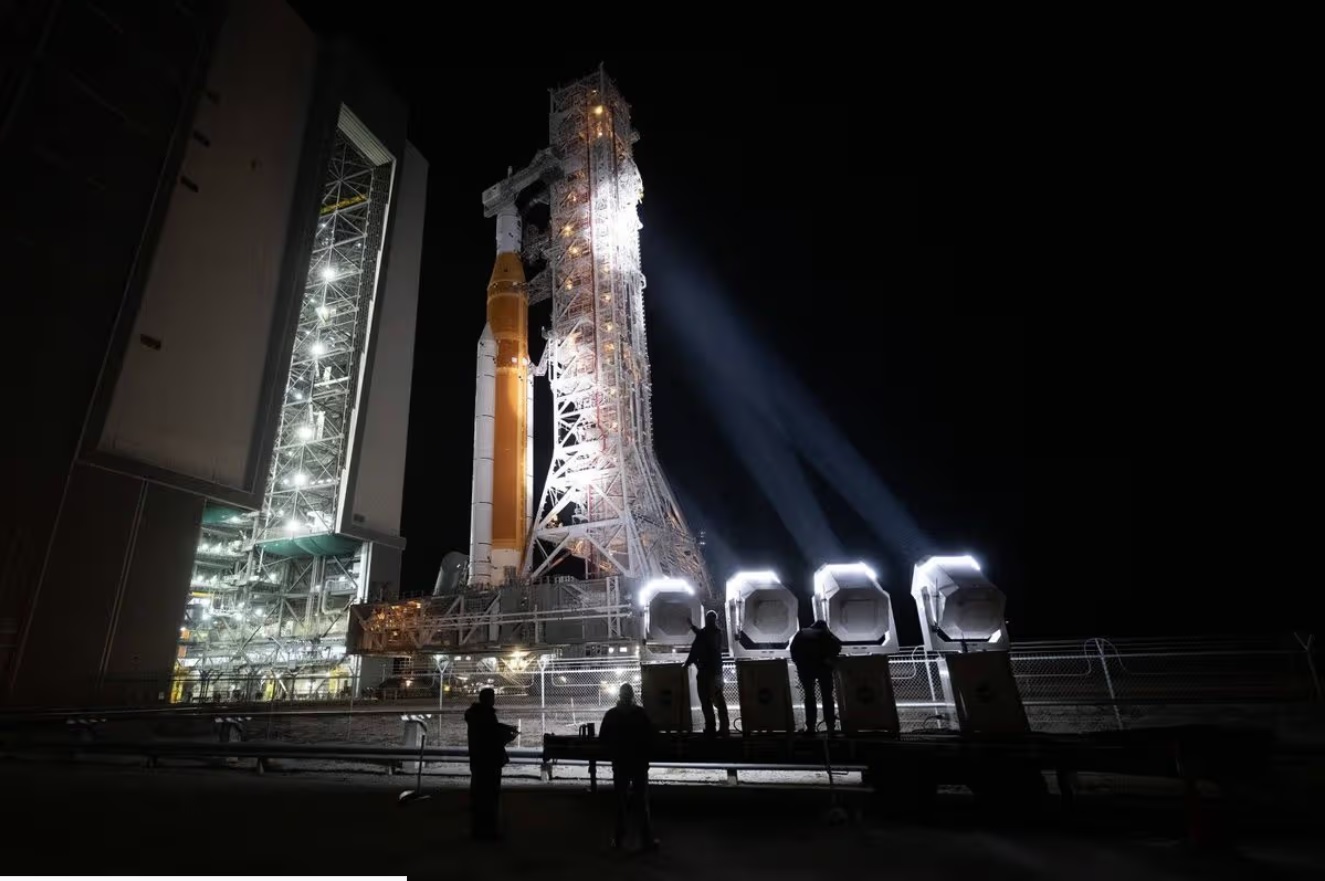
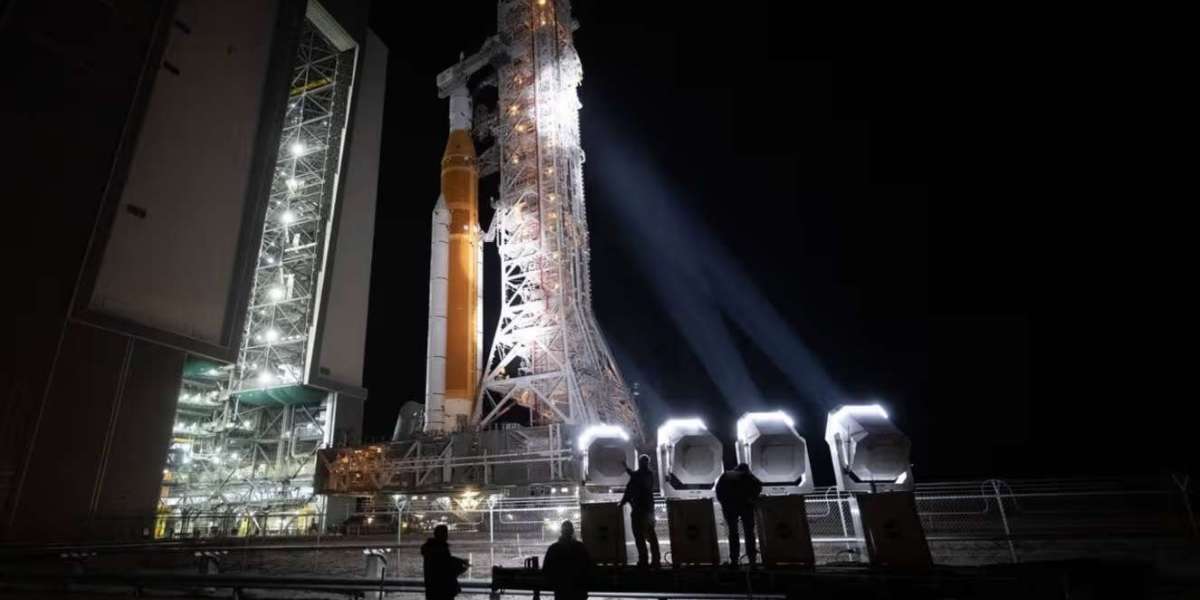
NASA’s Space Launch System (SLS) rocket and Orion spacecraft
(Image: Joel Kowsky/NASA / SWNS) -
image source: mirror.co.uk
Scheduled for launch as early as April 1, this groundbreaking mission will test the systems needed for long-duration deep-space travel while reigniting global excitement about returning humans to the lunar surface.
A Historic Return to the Moon
More than five decades after the Apollo era ended, Artemis 2 will send astronauts farther into space than any human mission in recent history.
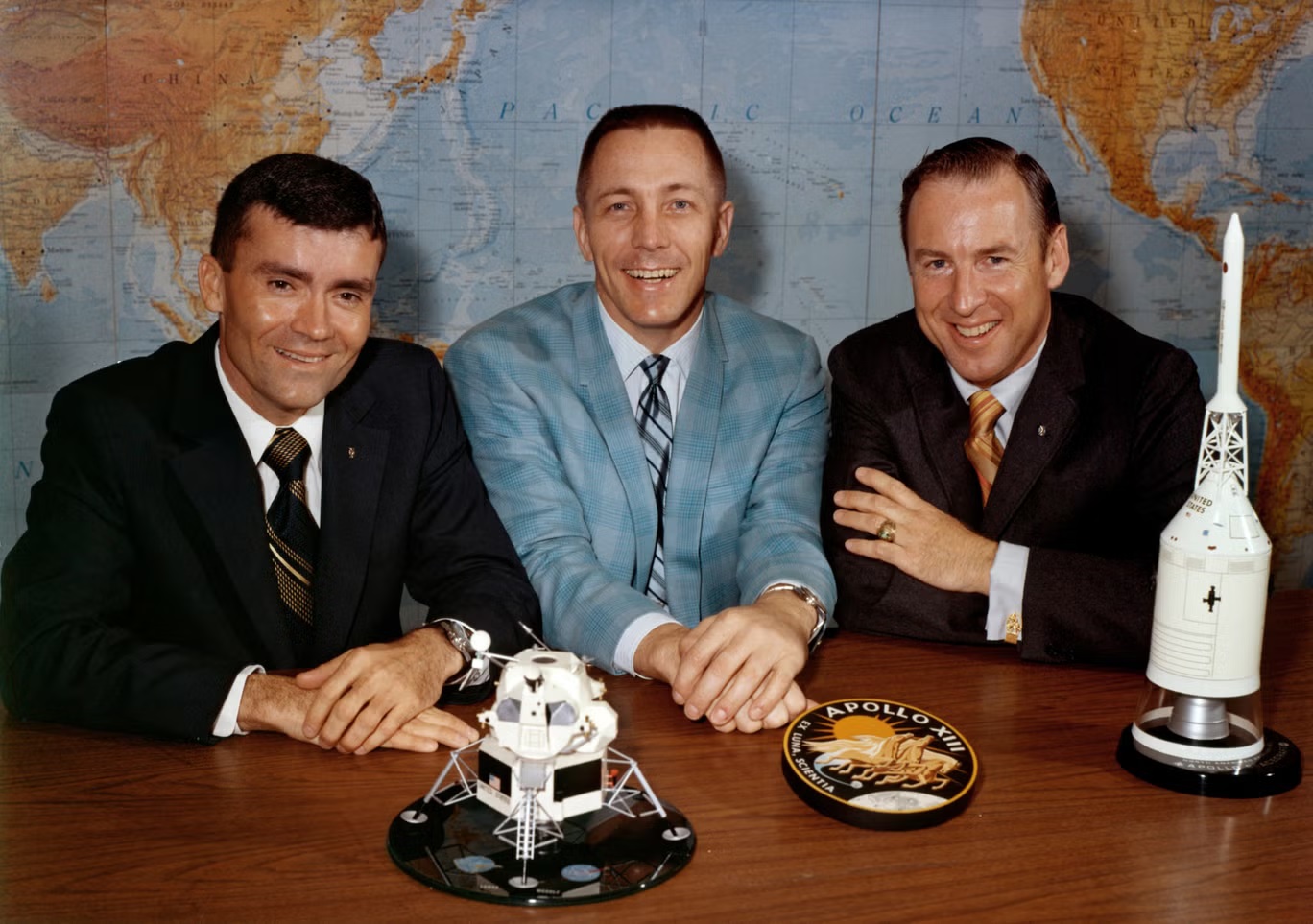
Apollo 13 astronauts, from left, Fred Haise, Jack Swigert and Jim Lovell, gather for a photo on April 10, 1970, a day before launch
Credits: NASA
image source: independent.co.uk
The crew—Reid Wiseman, Victor Glover, Christina Koch, and Canadian astronaut Jeremy Hansen—will embark on a 10-day journey aboard NASA’s Orion spacecraft.
Unlike the Apollo missions that included lunar landings, Artemis 2 is designed as a lunar flyby mission, focusing on safety and testing rather than exploration.
The spacecraft will orbit Earth twice before heading toward the Moon, performing a figure-eight trajectory around it, and then returning to Earth.
advertisement
Mission Objectives: Testing for the Future
The primary goal of Artemis 2 is to validate critical systems required for future missions.
These include life-support systems, navigation, communication, and the performance of the Space Launch System (SLS) rocket.
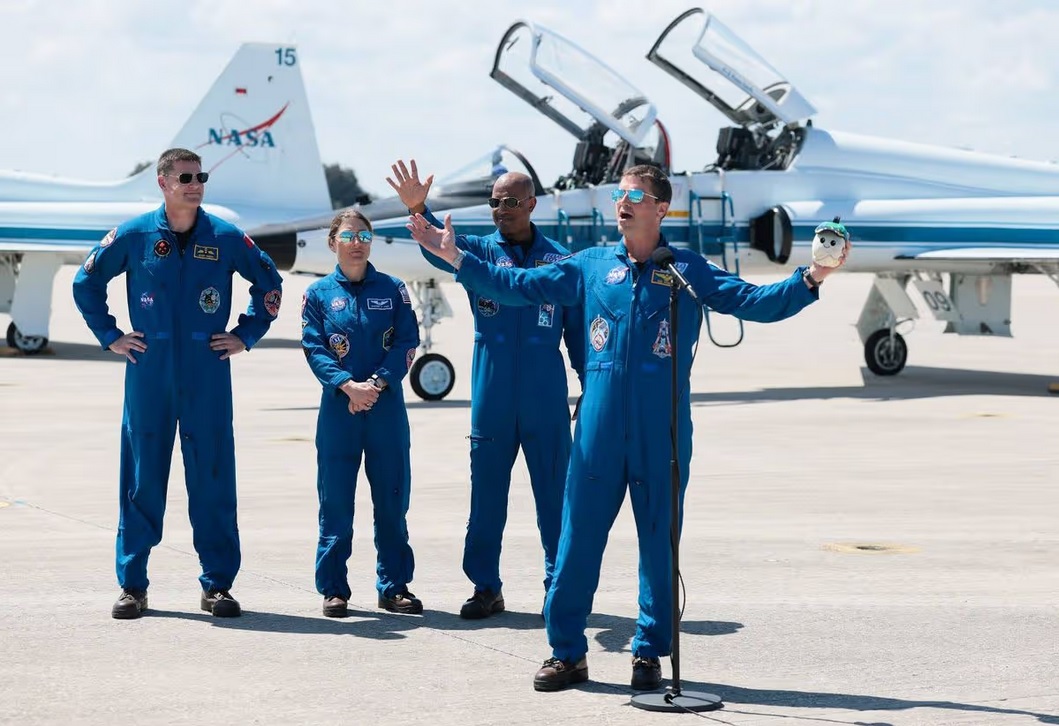
L-R) mission specialist Jeremy Hansen of CSA (Canadian Space Agency), mission specialist Christina Koch, pilot Victor Glover, and commander Reid Wiseman
image source: mirror.co.uk
Because this is the first time humans will fly aboard this spacecraft, the mission carries inherent risks. The crew will spend 10 days confined in a space roughly the size of a minibus while enduring the challenges of deep-space travel.
Engineers will also study how astronauts respond to long-distance spaceflight, communication delays, and navigation in lunar orbit.
Launch Preparations and Weather Conditions
At NASA’s Kennedy Space Center in Florida, final preparations are underway as teams closely monitor launch conditions.
According to NASA officials, there is an 80% chance of favorable weather for liftoff, with potential concerns including cloud cover and high winds.
One key safety factor is the “Thick Cloud Rule,” which prevents launches through dense cloud layers that could trigger lightning.
Despite these challenges, mission teams report that all systems—flight, ground, and crew—are ready, with excitement building as the countdown begins.
advertisement
Artemis vs. Apollo: Key Differences
Comparisons between the Artemis and Apollo programs are inevitable.
While Apollo 8 famously orbited the Moon, Artemis 2 will follow a safer “out-and-back” trajectory without entering lunar orbit.
Another major difference is representation: Artemis reflects modern diversity, including a woman, a person of color, and an international astronaut.
Technologically, Artemis also introduces major advancements. The SLS rocket, though slightly shorter than the Saturn V, delivers greater thrust. Meanwhile, the Orion capsule is larger and more advanced, designed to support longer missions with enhanced safety systems.
Challenges and Risks
Artemis 2 is not without its difficulties.
The Space Launch System has flown only once before, and technical issues such as hydrogen leaks and helium system concerns have caused delays.
Additionally, deep-space travel presents unique risks, including radiation exposure, isolation, and system reliability far from Earth.
However, NASA has taken a cautious approach, prioritizing testing and safety over immediate exploration.
The Bigger Picture: Moon, Mars, and Beyond
Artemis 2 is just one step in a broader vision.
Future missions aim to land astronauts on the Moon, establish a sustained human presence, and use the lunar surface as a testing ground for missions to Mars.
NASA is targeting the Moon’s south pole, where ice deposits could provide water and fuel for long-term exploration.
The Artemis program also reflects a new era of global competition, with countries like China accelerating their own lunar ambitions.
Conclusion
The NASA Artemis 2 mission represents far more than a journey around the Moon—it symbolizes humanity’s return to deep space and the beginning of a new era of exploration.
By testing critical technologies and pushing human limits once again, Artemis 2 lays the foundation for future Moon landings and eventual missions to Mars.
In a world often defined by challenges, this mission offers something rare: a shared sense of ambition, progress, and hope for humanity’s future beyond Earth.
Key Points Summary
Artemis 2 is the first crewed Moon mission since Apollo 17 (1972)
Four astronauts will orbit the Moon in a 10-day test flight
Mission focuses on testing systems for future deep-space exploration
Launch has an 80% chance of favorable weather conditions
Artemis program aims for Moon bases and eventual Mars missions
advertisement
Frequently Asked Questions (FAQ):
1. What is NASA Artemis 2?
Artemis 2 is NASA’s first crewed mission to the Moon in over 50 years, designed to test systems for future lunar landings.
2. Will Artemis 2 land on the Moon?
No, the mission is a flyby that circles the Moon and returns to Earth.
3. Who are the Artemis 2 astronauts?
Reid Wiseman, Victor Glover, Christina Koch, and Jeremy Hansen.
4. How long will the mission last?
Approximately 10 days.
5. Why is Artemis 2 important?
It validates critical technologies needed for future Moon landings and Mars exploration.
Sources
Express – Overview of Artemis 2 mission and crew details
https://www.express.co.uk/news/science/2187829/nasas-mission-moon-explained-artemisMirror – Launch preparation and weather forecast details
https://www.mirror.co.uk/news/world-news/nasa-artemis-2-weather-forecast-36940855Independent – Comparison between Apollo and Artemis programs
https://www.independent.co.uk/space/artemis-2-launch-date-nasa-apollo-b2947919.html
Thank you !