
(What will be mentioned in this article is for advice and is not a substitute for consulting a doctor)
Coffee and Dementia Prevention: How 2–3 Cups of Caffeinated Coffee May Support Brain Health

Drinking 2–3 cups of caffeinated coffee daily is linked to lower dementia risk.
Caffeinated tea may offer similar cognitive protection — decaf does not show the same effect.
Moderate caffeine intake appears most beneficial, with no added gains beyond 3 cups.
advertisement
Coffee is more than a morning ritual.
Emerging research suggests that moderate consumption of caffeinated coffee may help reduce the risk of dementia and slow age-related cognitive decline.
Two large, long-running studies involving more than 130,000 people provide compelling evidence that drinking two to three cups per day could support long-term brain health.
According to research published in JAMA and conducted by scientists from Mass General Brigham, Harvard T.H. Chan School of Public Health, and the Broad Institute of MIT and Harvard, participants who consumed higher amounts of caffeinated coffee had a significantly lower risk of developing dementia.
The analysis followed 131,821 men and women from the Nurses’ Health Study and the Health Professionals Follow-Up Study for up to 43 years.
During that period, 11,033 participants developed dementia.
What the Research Found

Participants who drank two to three cups of caffeinated coffee daily had an approximately 18–20 percent lower risk of dementia compared with those who rarely consumed caffeine.
Those who consumed one to two cups of caffeinated tea daily showed about a 15 percent reduction in risk.
Caffeinated coffee drinkers were also less likely to report subjective cognitive decline — early signs of memory problems — and performed slightly better on objective cognitive tests.
In a subgroup of nearly 17,000 women over age 70, higher caffeine intake was associated with slower cognitive decline, equivalent to about seven months of preserved cognitive function.
However, decaffeinated coffee did not demonstrate the same protective association.
This suggests caffeine may play a key role, although researchers emphasize that other bioactive compounds in coffee and tea, such as polyphenols, may also contribute.
advertisement
Why Caffeine Might Protect the Brain
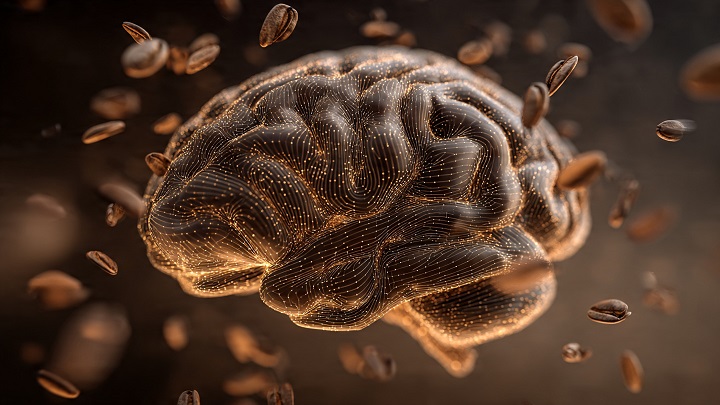
Scientists believe caffeine and related compounds may:
Reduce neuroinflammation
Protect against cellular damage
Improve vascular function
Enhance insulin sensitivity, lowering diabetes risk — a known dementia risk factor
The protective association held regardless of genetic predisposition to Alzheimer’s disease or other dementias.
The benefits were particularly noticeable in individuals under 75, suggesting that midlife habits may influence long-term cognitive outcomes.
Is More Coffee Better?

Interestingly, benefits appeared strongest at moderate intake.
According to senior author Dr. Daniel Wang, advantages plateaued beyond about 2.5 to 3 cups per day.
The body may not metabolize additional bioactive compounds efficiently beyond that level.
Unlike some earlier research, this study did not find negative cognitive effects from higher caffeine intake.
However, other experts caution that excessive caffeine can disrupt sleep or worsen anxiety.
Separate 2025 research cited by epidemiologist Dr. Fang Fang Zhang found that mortality benefits also plateau beyond three cups daily, and adding significant sugar or milk may reduce health advantages — factors not tracked in the dementia study.
advertisement
Important Limitations and Conflicting Perspectives
While the findings are encouraging, researchers stress that the study does not prove causation.
As reported by The New York Times, independent experts note that although researchers adjusted for many lifestyle and health factors, unmeasured influences could remain.
For example, some participants may have switched to decaffeinated coffee due to preexisting health issues.
Additionally, the participants were health professionals, which may limit generalizability to the broader population.
The study also did not distinguish between types of dementia.
Still, experts describe the research as one of the most rigorous and long-term investigations into caffeine and cognitive health to date.
Coffee as Part of a Bigger Prevention Strategy
Researchers emphasize that coffee should not be viewed as a standalone solution.
The effect size is modest, and dementia prevention requires a comprehensive approach that includes exercise, balanced nutrition, sleep quality, cardiovascular health, and social engagement.
For those who already drink coffee, the findings are reassuring.
For non-drinkers, experts suggest starting slowly if considering caffeine, especially for individuals sensitive to its effects.
advertisement
Conclusion

Coffee’s story continues to evolve from simple stimulant to potential brain ally.
Decades of data now suggest that moderate consumption — about two to three cups of caffeinated coffee or one to two cups of caffeinated tea daily — may contribute to lower dementia risk and slower cognitive decline.
While it is not a cure and not a guarantee, coffee may represent one accessible, everyday habit that supports long-term cognitive resilience.
Combined with healthy lifestyle choices, it could be one small but meaningful piece in the larger puzzle of protecting the aging brain.
Key Points
2–3 cups of caffeinated coffee daily linked to 18–20% lower dementia risk
Caffeinated tea also beneficial; decaf showed no significant effect
Benefits plateau beyond 3 cups per day
Protective effects seen regardless of genetic risk
Moderate caffeine intake may slow cognitive decline
advertisement
Frequently Asked Questions (FAQ)
1. How much coffee is best for brain health?
Research suggests two to three cups of caffeinated coffee daily offer the strongest protective association.
2. Does decaffeinated coffee reduce dementia risk?
No significant protective effect was found for decaffeinated coffee in this study.
3. Is tea as effective as coffee?
One to two cups of caffeinated tea daily were associated with reduced dementia risk, though slightly less than coffee.
4. Does more caffeine mean more protection?
No. Benefits appear to plateau beyond three cups per day.
5. Should non-coffee drinkers start drinking coffee?
Experts say the findings are reassuring for current drinkers but do not necessarily recommend starting caffeine solely for dementia prevention.
Sources
- Harvard Gazette – Study on coffee consumption and dementia risk
https://news.harvard.edu/gazette/story/2026/02/drinking-2-3-cups-of-coffee-a-day-tied-to-lower-dementia-risk/ - The New York Times – Coverage of research linking coffee and tea to lower dementia risk
https://www.nytimes.com/2026/02/09/health/coffee-tea-dementia-risk.html
Thank you !