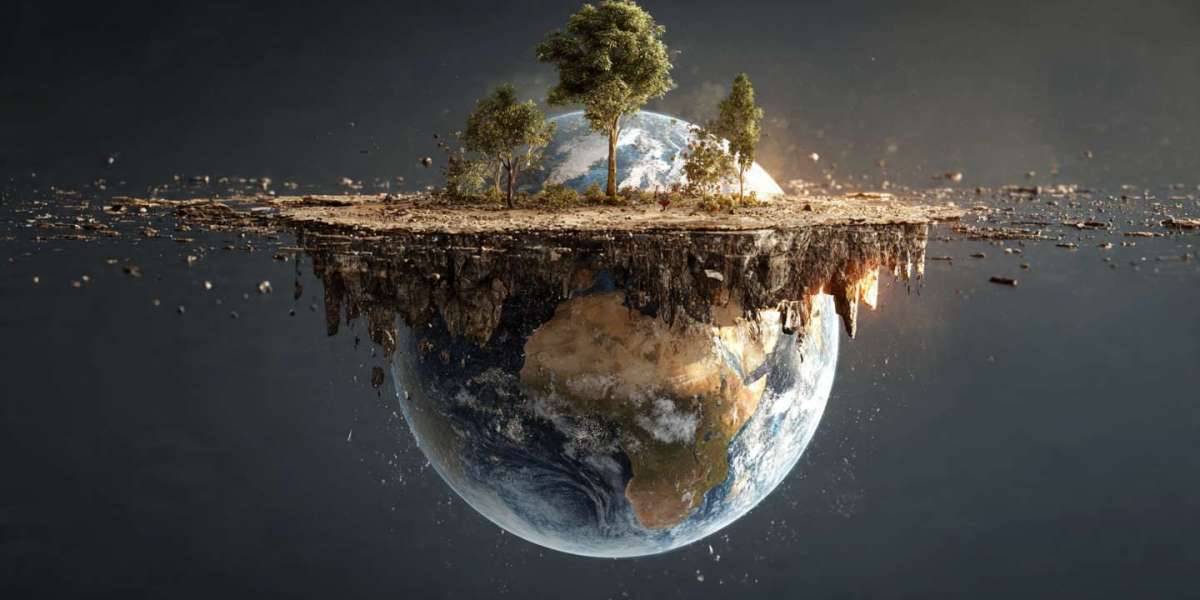

NASA Debunks Viral Claim: Earth Will Not Lose Gravity on August 12, 2026
Key Points:
Viral social media claims of a seven-second gravity loss are false.
NASA confirms only a total solar eclipse will occur on August 12, 2026.
Gravity is determined by Earth’s mass and cannot vanish suddenly.
advertisement
Introduction
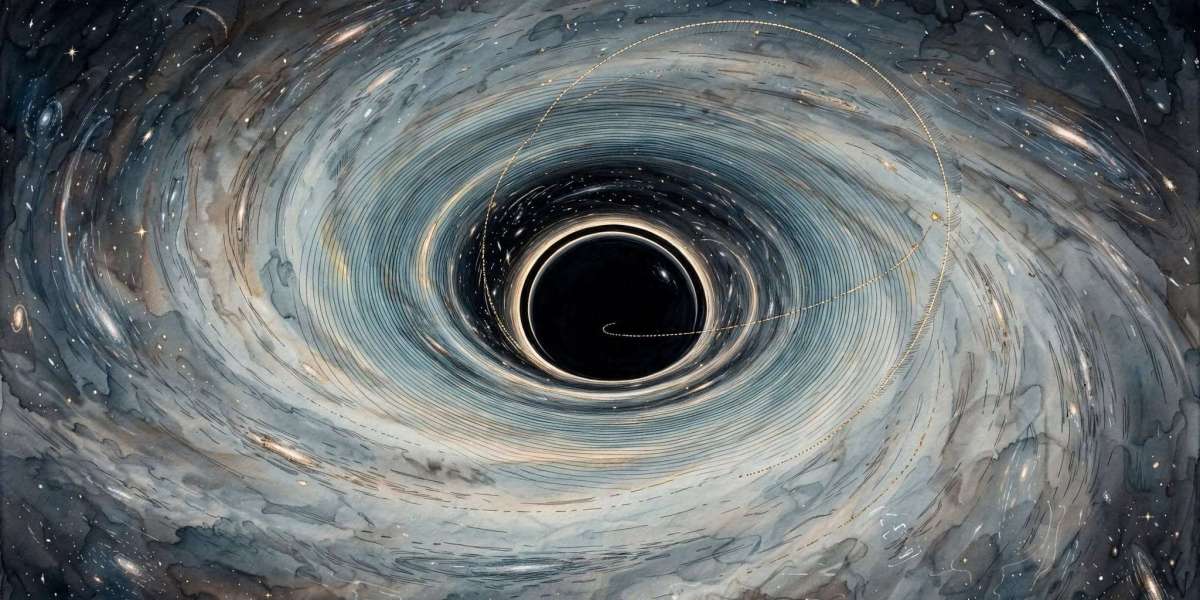
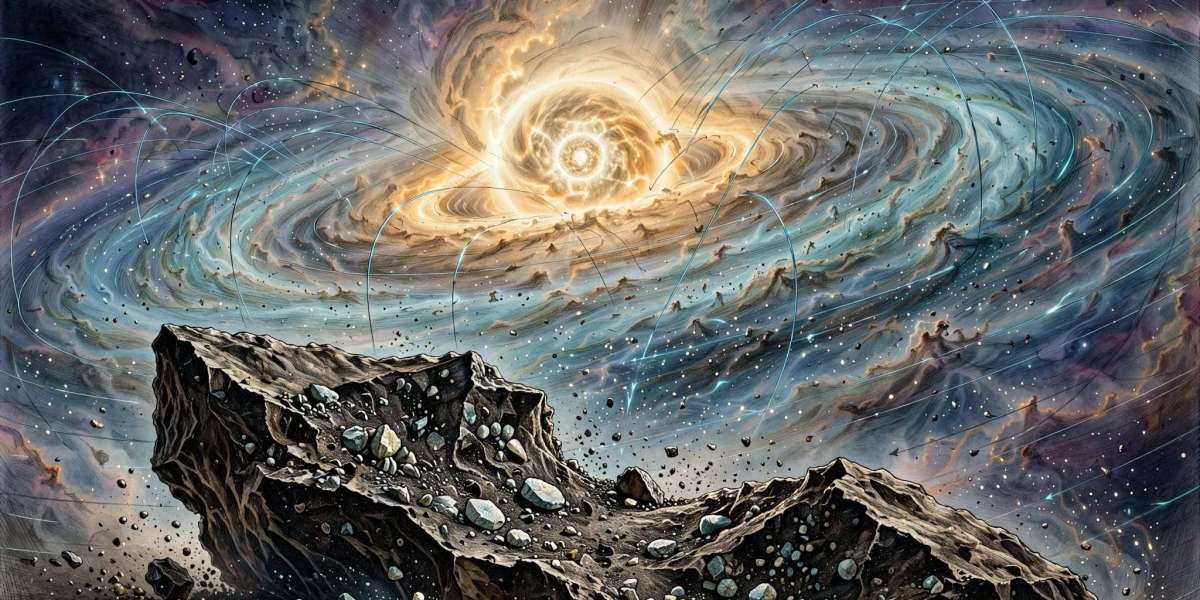
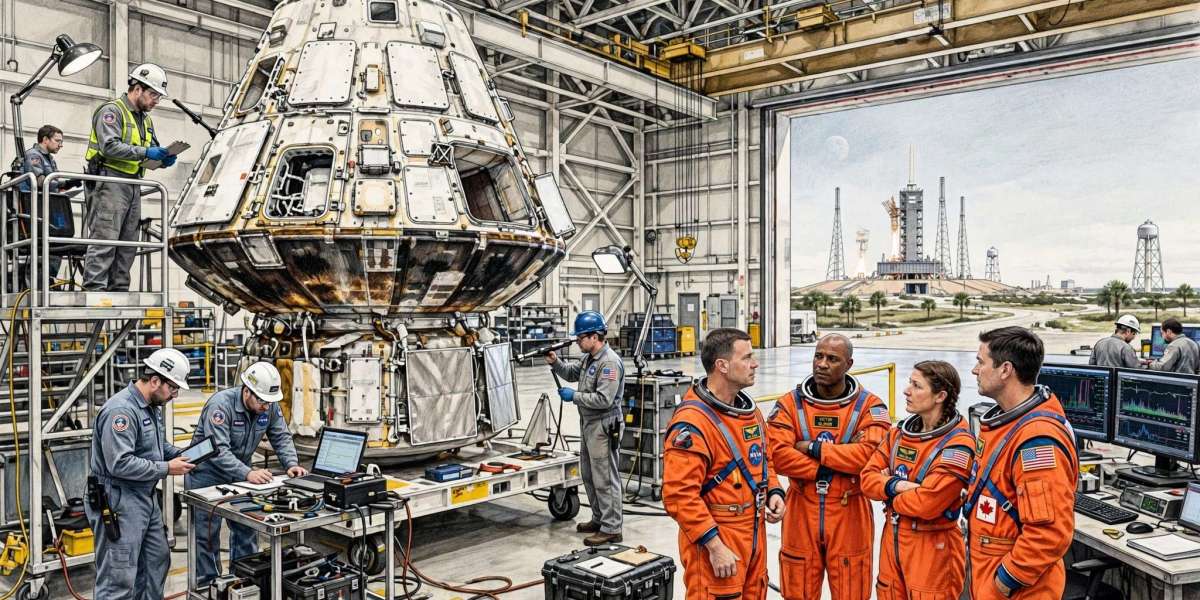
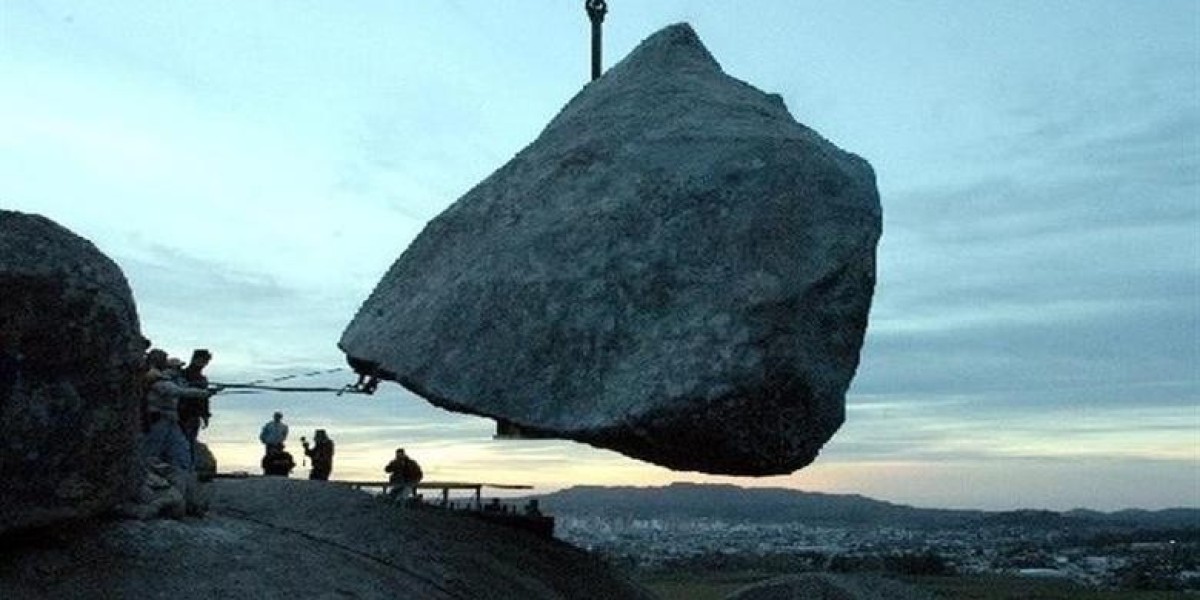
A recent viral sensation on social media has sparked concern worldwide: posts claim that Earth will lose gravity for seven seconds on August 12, 2026. The alleged phenomenon, tied to a secret NASA initiative dubbed “Project Anchor,” claimed to involve an $89 billion budget and preparation for global safety. However, NASA and astronomy experts have firmly denied these claims, clarifying that Earth’s gravity is stable and cannot suddenly disappear.
The Origin of the Viral Claim
The rumor began circulating on platforms like TikTok, X, and Threads, gaining hundreds of thousands of views. Social media posts cited a supposed leaked NASA document, suggesting the seven-second event would result from intersecting gravitational waves from black holes. Some posts even alleged underground bunkers were being constructed to protect select groups of people. Fact-checking organizations, including Tempo and NewsNation, confirmed that these narratives have no basis in reality.
NASA’s Clarification
NASA explained that gravity depends entirely on the Earth’s mass. For Earth’s gravity to disappear, the combined mass of its core, mantle, crust, oceans, and atmosphere would need to vanish—a physical impossibility. A NASA spokesperson stated, “Earth will not lose gravity on August 12, 2026,” emphasizing that claims of a secret project or sudden gravitational anomaly are false.
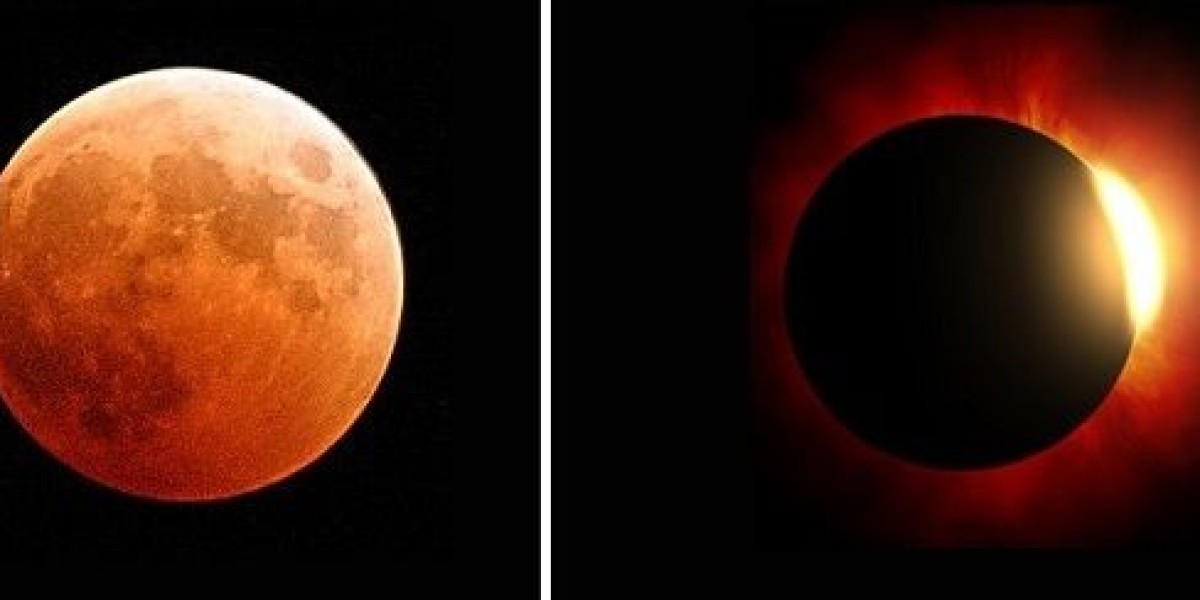
The only verified astronomical event on that date is a total solar eclipse, visible in parts of Europe and the Arctic. While the sun and moon’s gravitational pull affects tides, it does not alter Earth’s overall gravity. Experts emphasize that these events are predictable and pose no danger to the planet.
Understanding Gravity and Its Importance
Gravity is an invisible force that pulls objects toward a planet’s center of mass. On Earth, this fundamental force keeps humans grounded, maintains the atmosphere, and stabilizes the planet’s orbit around the sun. Without gravity, life as we know it could not exist. NASA highlights that the gravitational interaction is reciprocal: humans exert a tiny pull on Earth just as Earth pulls on humans. This balance is essential for the stability of our planet.
The Role of Social Media in Spreading Misinformation
The “seven seconds of zero gravity” claim illustrates how quickly misinformation can spread online. TikTok videos, Instagram posts, and podcasts citing questionable sources amplified the hoax. Astronomy officials and fact-checkers urge the public to verify scientific claims through reliable sources before sharing, especially when content involves complex topics like space and physics.
Conclusion
While sensational stories about Earth losing gravity can capture attention, the truth is far more reassuring: Earth’s gravity is stable and unchanging, and the August 12, 2026 solar eclipse will be a safe, awe-inspiring event for skywatchers. Understanding the science behind gravity not only protects us from misinformation but also deepens our appreciation for the delicate forces that sustain life on our planet. By focusing on verified knowledge, we can marvel at cosmic events without fear, reinforcing our curiosity and connection to the universe.
Key Points Summary
Social media claims of a seven-second gravity loss are false.
NASA confirms only a total solar eclipse will happen on August 12, 2026.
Gravity depends on Earth’s mass and is crucial for life and stability.
Viral hoaxes demonstrate the speed of misinformation online.
Fact-checking and scientific literacy help prevent unnecessary fear.
advertisement
Frequently Asked Questions (FAQ)
Q1: Will Earth really lose gravity for seven seconds on August 12, 2026?
No, NASA confirms this claim is false. Gravity depends on Earth’s mass and cannot disappear suddenly.
Q2: What astronomical events will occur on August 12, 2026?
A total solar eclipse will be visible from parts of Europe and the Arctic. This event is safe and predictable.
Q3: What is Project Anchor?
Project Anchor is a fictional NASA program referenced in social media rumors; it does not exist.
Q4: Can the sun or moon affect Earth’s gravity?
While the sun and moon influence tides, they do not change Earth’s overall gravitational pull.
Q5: How can I verify space-related news?
Rely on reputable sources such as NASA, astronomy organizations, and fact-checking sites. Avoid unverified social media claims.
Sources
NewsNation – NASA denies claim of Earth losing gravity for seven seconds.
https://www.newsnationnow.com/space/nasa-earth-losing-gravity-2026/NewsWest9 – Local astronomy official debunks viral social media rumor about zero gravity.
https://www.newswest9.com/article/news/local/7-seconds-of-zero-gravity-not-so-fast-local-astronomy-official-debunks-social-media-rumors-of-earth-losing-gravity/513-ed199e59-29d9-4514-b724-542de5417c94Tempo – Fact check on viral claim of Earth losing gravity for seven seconds.
https://en.tempo.co/read/2083756/fact-check-will-earth-lose-gravity-for-7-seconds-on-august-12-2026?tracking_page_direct
Thank you !