
February Full Snow Moon 2026: Meaning, Peak Time, How to See It, and Why It Matters
Key highlights at a glance
February’s full Snow Moon peaks near sunset, creating a striking winter sky show
The Snow Moon carries deep seasonal and cultural meaning across Indigenous traditions
It arrives during a renewed era of lunar exploration and celestial events
advertisement
Introduction: A winter moon that blends science, history, and wonder
February’s full Snow Moon is more than a beautiful sight in the night sky—it is a moment where nature, culture, and modern space exploration intersect. Rising during the heart of winter, this lunar event has guided seasonal awareness for centuries while continuing to inspire today’s sky-watchers and scientists alike. In 2026, the February full moon arrives as interest in the Moon is growing once again, fueled by NASA’s Artemis missions and a broader public fascination with space. Appearing low on the horizon and glowing against cold winter air, the Snow Moon offers a rare chance to connect ancient naming traditions, astronomical science, and the simple human instinct to look up. Whether viewed with the naked eye or through a telescope, this full moon reminds us that even familiar celestial objects still hold lessons, stories, and inspiration.
When and how to see February’s full Snow Moon
According to EarthSky and NASA experts cited by CNN, February’s full Snow Moon reaches peak illumination at 5:09 p.m. Eastern Time on Sunday, close to sunset, making it appear especially dramatic as it rises in the eastern sky. While this marks the official peak, the Moon will look full for several days, including Saturday and Monday, giving observers flexibility if weather conditions are less than ideal. Metro reports a slightly different timing for viewers in the UK, noting peak fullness at 10:09 p.m. GMT, highlighting how full-moon timing can vary by time zone while still referring to the same lunar phase. Clear skies and low light pollution are key, and stargazers are encouraged to dress warmly, remain patient with passing clouds, and use stargazing apps to better orient themselves.
Why it’s called the Snow Moon: cultural names and meanings
The name “Snow Moon” comes from heavy winter snowfall traditionally experienced in February across much of North America, as documented by the Farmers’ Almanac and reported by CNN. Indigenous tribes gave this moon names that reflected local weather and seasonal challenges. The Comanche referred to it as the Sleet Moon, the Creek people called it the Wind Moon, and the Shawnee knew it as the Crow Moon. Metro adds that it has also been known as the Storm Moon or Hungry Moon, reflecting the harsh conditions and scarce food supplies typical of late winter. Together, these names reveal how lunar cycles were once essential tools for survival, storytelling, and environmental awareness.
The Snow Moon in a year of notable lunar events
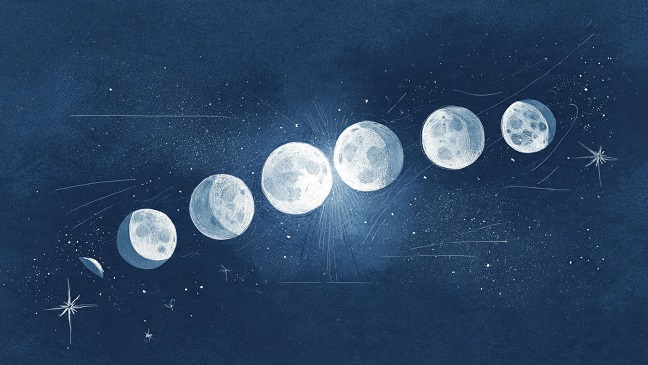
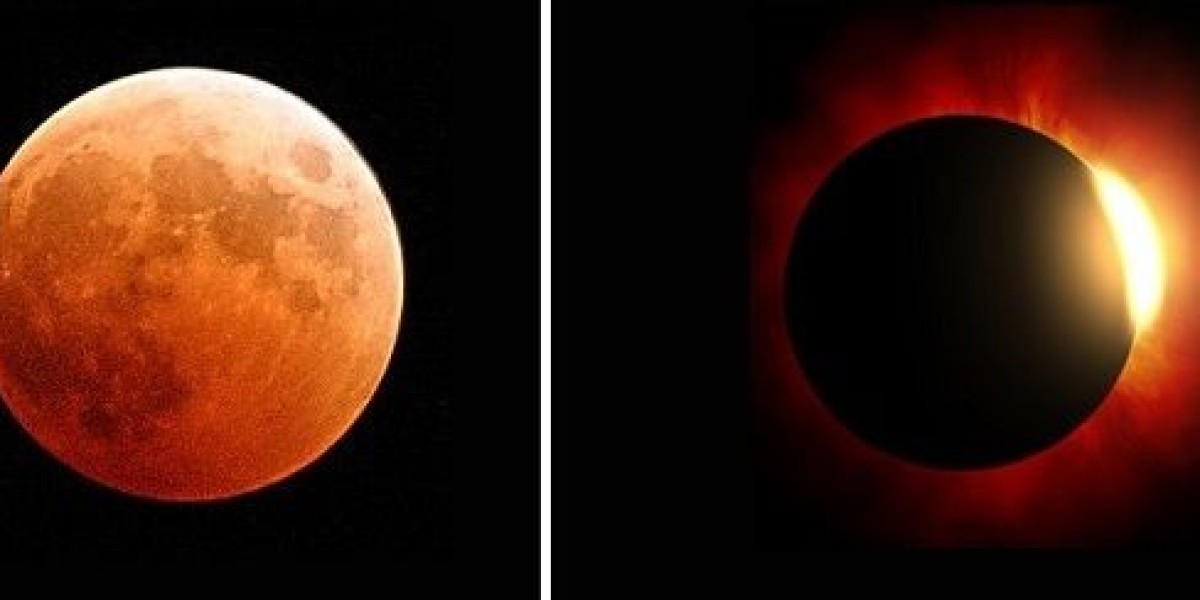
February’s Snow Moon is the second full moon of 2026, following January’s Wolf Moon, and it contributes to a year that will include 13 full moons instead of the usual 12. Metro explains that this happens because lunar cycles last about 29.5 days, while calendar months are longer, resulting in an extra full moon known as a Blue Moon later in May. CNN also notes that while February’s Moon is not a supermoon, supermoons will appear later in the year when the Moon’s elliptical orbit brings it closer to Earth, making it appear larger and brighter. Lunar eclipses are also part of 2026’s sky calendar, including a total lunar eclipse in March that will be visible across large parts of the world, turning the Moon a dramatic red due to Earth’s atmospheric filtering of sunlight.
A Moon worth studying, not just admiring
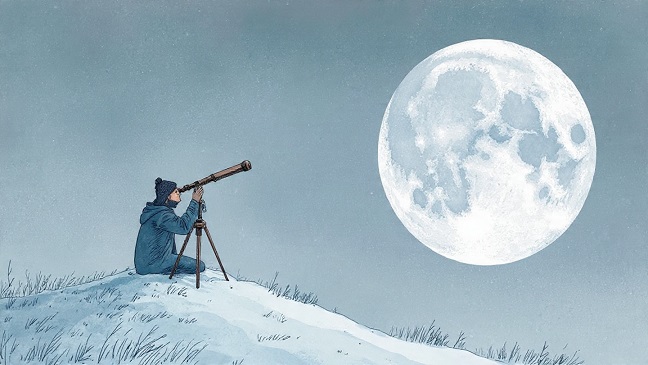
NASA scientist Noah Petro, quoted by CNN, encourages people to observe the Moon closely during this period, especially as humanity prepares for renewed lunar exploration through the Artemis program. He suggests watching the Moon throughout its phases and learning to recognize its surface features. While the Snow Moon is easily visible to the naked eye, binoculars or a telescope can reveal craters and dark lunar plains, offering a deeper appreciation of Earth’s nearest celestial neighbor.
Conclusion: A timeless winter beacon in a modern space age
February’s full Snow Moon is a powerful reminder that the Moon connects past, present, and future. Rooted in Indigenous knowledge and seasonal survival, it now shines during a time when humans are preparing to return to its surface. Whether you see it as a cultural symbol, a scientific object, or simply a moment of quiet beauty in winter, the Snow Moon invites reflection. Standing beneath it, we share an experience that generations before us once relied upon—and one that future explorers will continue to study. In a cold and busy world, the Snow Moon offers a pause, a perspective, and a reason to look up.
Key Points
The Snow Moon peaks near sunset and appears full for several nights
Its name reflects heavy winter snowfall and Indigenous lunar traditions
2026 features 13 full moons, eclipses, and renewed lunar exploration
advertisement
Frequently Asked Questions (FAQ)
What is the Snow Moon?
The Snow Moon is February’s full moon, named for heavy winter snowfall and seasonal hardship in many northern regions.
When is the Snow Moon at its fullest in 2026?
It peaks on Sunday, February 1, with timing varying by time zone, but appears full for several days.
Is the Snow Moon a supermoon?
No, but supermoons will occur later in the year when the Moon is closer to Earth.
Can I see the Snow Moon without special equipment?
Yes, it is easily visible to the naked eye, though binoculars or a telescope reveal more detail.
Why does 2026 have 13 full moons?
Because lunar cycles are shorter than calendar months, an extra full moon—called a Blue Moon—occurs in May.