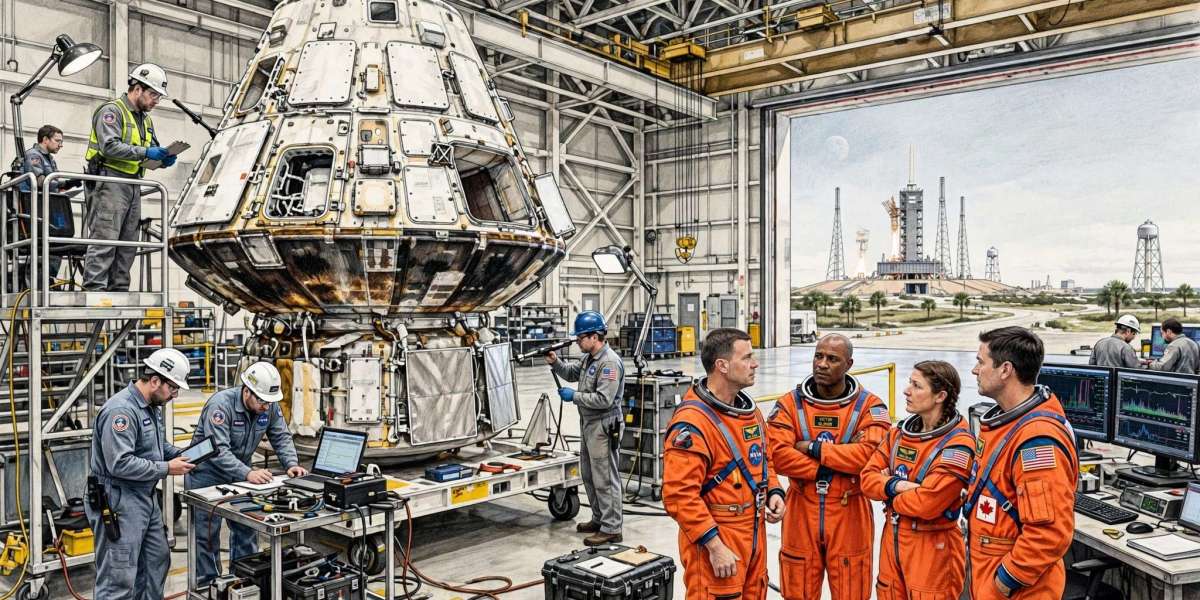

NASA Artemis II Moon Mission: Humanity’s Historic Return to Lunar Space After 50 Years

3 Key Takeaways
Artemis II will send humans around the Moon for the first time since 1972, marking a new era of deep-space exploration
The mission features a diverse, international crew and groundbreaking new spacecraft technology
Artemis II is a critical stepping stone toward Moon landings, Mars missions, and long-term human presence in space
advertisement
Introduction: NASA’s Return to the Moon
NASA is preparing to send humans back toward the Moon for the first time in more than half a century, a milestone that signals the beginning of a new chapter in space exploration. Through the Artemis II mission, NASA aims to test next-generation spacecraft, demonstrate international cooperation, and lay the groundwork for sustained human exploration beyond low Earth orbit. This historic mission reconnects humanity with the legacy of Apollo while pointing firmly toward the future of Moon and Mars exploration.
What Is Artemis II and Why It Matters
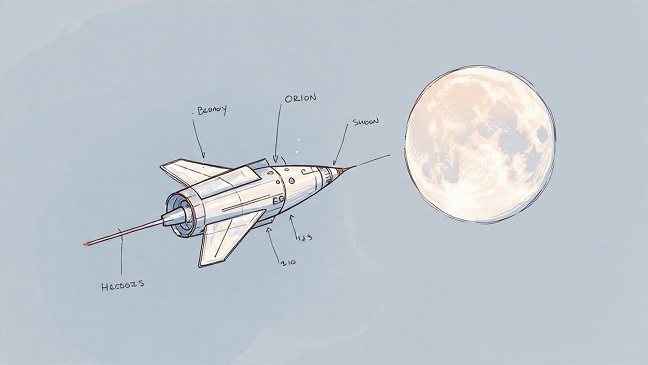
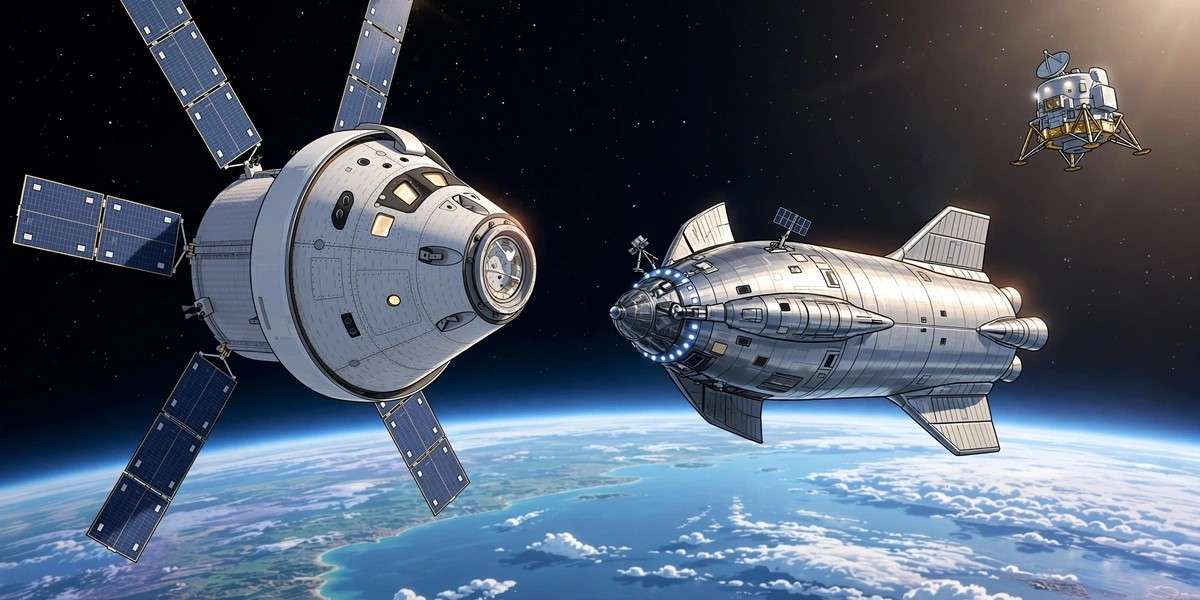
Artemis II is the second mission under NASA’s Artemis program, launched in 2017 with the long-term goal of returning humans to the Moon and eventually reaching Mars. Unlike a landing mission, Artemis II will send a four-person crew on a journey around the Moon and back to Earth, serving as a full end-to-end test of NASA’s Space Launch System rocket and Orion spacecraft. According to NASA and expert observers, crewed missions like Artemis II demonstrate political, technological, and financial commitment in a way robotic missions cannot, giving international partners and commercial companies confidence to invest and collaborate.
The Crew and the Mission Profile

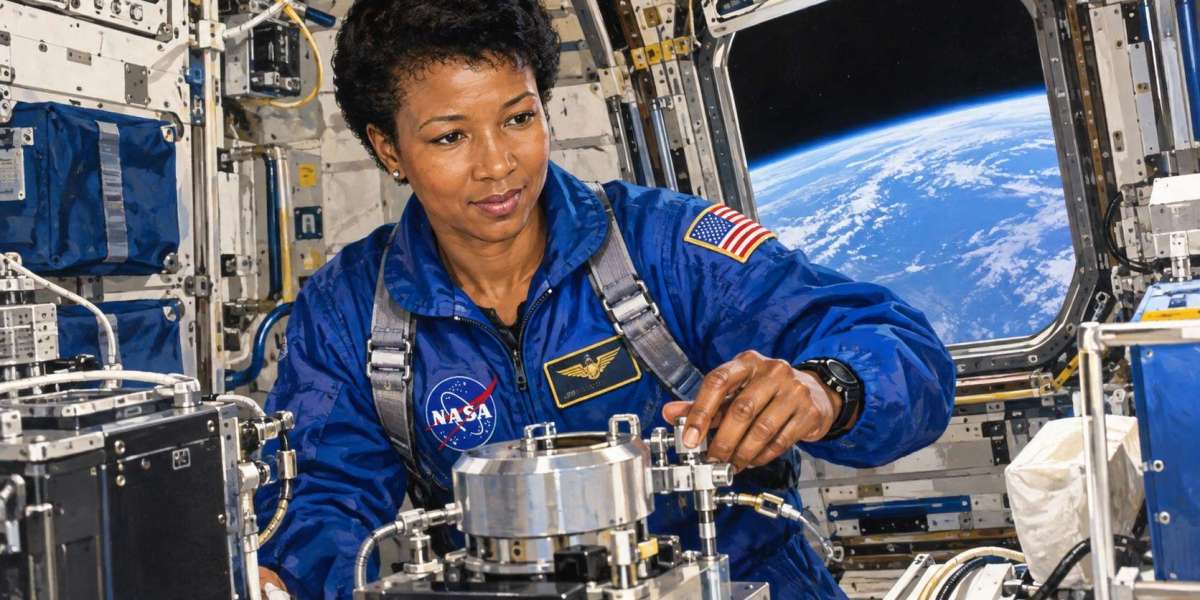
The Artemis II crew includes NASA astronauts Reid Wiseman, Victor Glover, and Christina Koch, alongside Canadian astronaut Jeremy Hansen. This mission represents several historic firsts: Glover will become the first person of color to travel around the Moon, Koch the first woman, and Hansen the first non-American to do so. The 10-day mission will include a day in high Earth orbit, a four-day journey to the Moon, a close flyby approximately 4,700 miles above the lunar surface, and a four-day return to Earth. Astronauts are expected to reenter Earth’s atmosphere at speeds nearing 25,000 miles per hour, making them the fastest-moving humans in history during reentry.
Technology, Testing, and Delays

Artemis II will be the first crewed flight of both the Space Launch System rocket and the Orion spacecraft. During the mission, astronauts will test life-support systems, navigation, safety equipment, and even a new deep-space toilet system, a major improvement over Apollo-era technology. The Orion spacecraft relies on a European Service Module built in Germany, highlighting the global nature of the mission. However, Artemis II has faced multiple delays, with sources citing winter storms and near-freezing temperatures at the launch site as reasons for postponements. Some reports indicate launch windows extending into April, while others target early February, reflecting the evolving nature of complex space missions.
A Mission With a Long-Term Vision

While Artemis II will not land on the Moon, its significance extends far beyond this single flight. NASA views it as a crucial rehearsal for future missions, including Artemis III, which aims to return astronauts to the lunar surface, and longer-term plans such as the Lunar Gateway space station. Artemis II also mirrors Apollo 8, the 1968 mission that first carried humans around the Moon, proving that ambitious test flights can redefine what is possible. Mission commander Reid Wiseman has emphasized that the ultimate legacy of Artemis is not immediate recognition, but a future where humans live and work throughout the solar system.
Conclusion: Opening the Door to Humanity’s Future in Space

Artemis II is more than a return to the Moon; it is a statement about humanity’s ambition to explore, collaborate, and endure beyond Earth. By combining cutting-edge technology, international partnership, and a clear long-term vision, NASA is setting the stage for permanent human presence beyond low Earth orbit. Whether it leads to Moon bases, Mars expeditions, or discoveries yet unimagined, Artemis II represents a powerful reminder that exploration is not about a single mission, but about expanding the horizons of what humanity can achieve together.
Key Points Summary
First crewed mission near the Moon since Apollo 17 in 1972
Diverse, international crew testing next-generation spacecraft
Critical step toward Moon landings, Mars missions, and deep-space exploration
advertisement
Frequently Asked Questions (FAQ)
When will Artemis II launch?
Launch timing has shifted due to weather and technical considerations, with target windows ranging from early February to later in the spring, depending on conditions.
Will Artemis II land on the Moon?
No, the mission will orbit and fly past the Moon to test systems needed for future landing missions.
Why is Artemis II important if it does not land?
It validates spacecraft, rocket, and life-support systems, ensuring they are safe for future deep-space missions.
Who is part of the Artemis II crew?
Reid Wiseman, Victor Glover, Christina Koch, and Canadian astronaut Jeremy Hansen.
What comes after Artemis II?
Successful completion will pave the way for Artemis III and future missions aimed at building a long-term human presence on and around the Moon.
Sources
NewsNation – Coverage of NASA’s upcoming Artemis II Moon mission and crew details
https://www.newsnationnow.com/space/nasa-moon-mission-artermis-ii/Euronews – In-depth overview of the Artemis II mission, its significance, technology, and future plans
https://www.euronews.com/next/2026/01/30/humans-head-back-toward-moon-for-first-time-in-50-years-everything-to-know-about-nasas-art
Thank you !