
"The Road Ahead for Smart Rings: Can They Go Mainstream by 2026?"

Smart rings have been around for over a decade, offering a compact alternative to fitness trackers and smartwatches. Yet, despite their potential, they remain largely niche products, worn mainly by tech enthusiasts and journalists. As 2026 approaches, many are asking: Are smart rings finally ready for mainstream use? While these small, sleek devices offer impressive features, they still face several hurdles that prevent them from reaching a wider audience. In this article, we’ll explore the obstacles smart rings must overcome to become household gadgets and whether 2026 will be their breakthrough year.
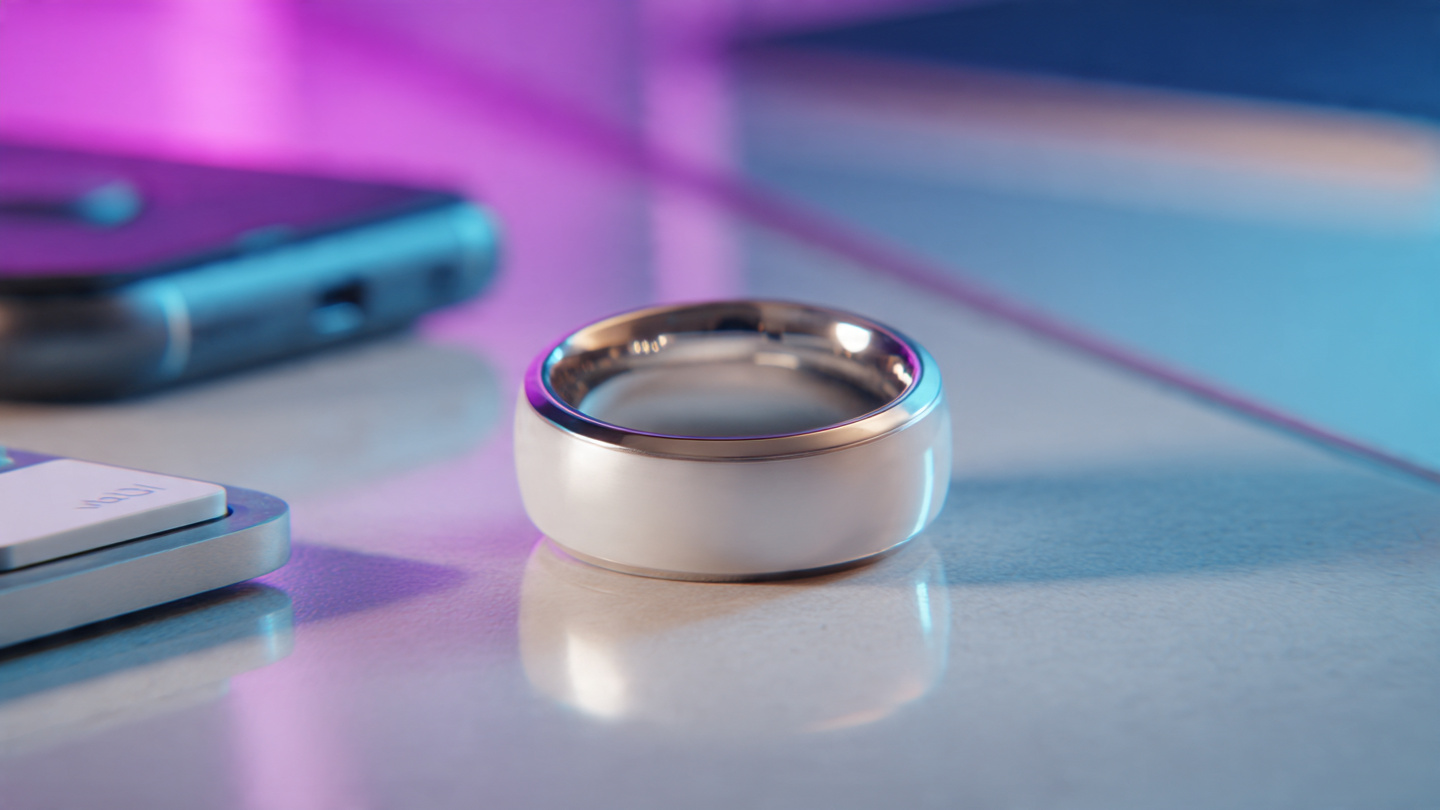
Key Points Summary:
Smart rings offer compact fitness tracking and NFC capabilities but are still niche products.
A major challenge for new users is the sizing issue, as rings require precise measurements.
Smart rings lack the feature-rich capabilities of fitness trackers, making them less appealing to athletes.
High prices and limited accessibility are significant barriers to mainstream adoption.
The future of smart rings looks promising, with potential advancements expected by 2026, though widespread acceptance may take time.
advertisement
The Allure of Smart Rings
For those who want to monitor their fitness or health without a bulky fitness tracker or smartwatch, smart rings offer an attractive option. These devices, such as the Oura Ring 4, the RingConn Gen 2, and the Ultrahuman Ring Air, provide a variety of useful features, including:
Fitness Tracking: Smart rings can monitor heart rate, sleep cycles, and even steps taken.
NFC Capabilities: With NFC, users can use their ring to unlock doors, pay with their digital wallet, and access other smart services.
Time Display: Some smart rings also offer the ability to check the time, much like a traditional watch.
Despite these features, smart rings are not yet a common sight in everyday life. Their popularity is largely restricted to early adopters and tech journalists, with the average person still opting for more conventional fitness trackers or smartwatches.
Sizing Issues: A Key Barrier for New Users
One of the biggest challenges with smart rings is their sizing. Unlike fitness trackers or smartwatches, which come with adjustable straps, smart rings require users to know their exact ring size, which can be a daunting task for many. Sizes typically range from 4 to 15, and purchasing the wrong size can result in the ring either being too tight to wear or too loose to stay on your finger.
This issue can be a major turn-off for potential buyers who aren’t familiar with how to measure their ring size. The process often involves using a tape measure or visiting a jeweler, which many consumers find inconvenient. Until the process of sizing becomes more user-friendly, it’s hard to imagine smart rings becoming mainstream.
Fitness Tracking Limitations: Not a Competitor for Serious Athletes
While smart rings excel at monitoring basic metrics like heart rate and sleep, they fall short when compared to more advanced fitness trackers. The best smart rings, such as the Oura Ring 4, do a decent job of tracking general wellness, but they aren’t designed for intense fitness enthusiasts or athletes.
For instance, the Ultrahuman Ring Air and RingConn Gen 2 only track a limited set of activities, while smartwatches and fitness trackers can track a variety of exercises, offer more in-depth metrics, and even help users set and track long-term fitness goals. Until smart rings can match or exceed the capabilities of these traditional fitness devices, it’s hard to recommend them as a serious alternative.
Beyond Fitness: The Need for More Features
Another challenge for smart rings is their limited functionality beyond fitness. While some models offer NFC features for things like unlocking your car or making payments, most smart rings lack the multi-functionality found in fitness trackers and smartwatches. For example, fitness trackers can manage notifications, control music, set alarms, and even interact with virtual assistants. Smart rings, on the other hand, often lack a screen or other means of accessing these features.
If smart rings are going to become mainstream, they’ll need to offer more than just basic fitness and NFC capabilities. Users will expect the same range of features they can get from a smartwatch, which makes it difficult for current models to compete.
The Price Problem: High Cost and Limited Accessibility
Another significant barrier to the widespread adoption of smart rings is their price. The entry-level smart rings typically cost around $200, and some of the more advanced models come with additional subscription fees. This pricing puts smart rings in a higher price range compared to basic fitness trackers, making them a less attractive option for budget-conscious consumers.
Moreover, the market for smart rings is split between premium models like the Oura Ring and more affordable, often low-quality options. There’s a noticeable gap in the middle, with few options priced in the $80-$150 range that could appeal to the average consumer. Until this gap is addressed, smart rings are likely to remain a niche product.
Looking Ahead to 2026: Small Steps Toward Mainstream Acceptance
While 2026 may not bring a giant leap for smart rings, it’s possible that we will see gradual improvements in both functionality and affordability. At major tech events like CES 2026, smart ring makers will showcase their products, and new players are likely to enter the market. Established tech giants, like Samsung, are already exploring the potential of smart rings, which could signal more mainstream interest in the category.
However, significant changes will likely take time. For smart rings to become mainstream, they’ll need to overcome issues like sizing, limited functionality, and high prices. Still, with continued innovation and growing interest, 2026 could be the year smart rings begin to make their mark on the wider tech landscape.
Conclusion: The Future of Smart Rings in 2026 and Beyond
Smart rings hold considerable promise as a more discreet, compact alternative to traditional fitness trackers and smartwatches. However, they currently face several hurdles, including sizing challenges, limited fitness tracking capabilities, and high prices. As we move into 2026, these issues may slowly be addressed, paving the way for smart rings to become more accessible and feature-rich. If the tech industry can overcome these barriers, we could see smart rings transition from a niche product to a mainstream tech accessory.
advertisement
Frequently Asked Questions FAQ:
Q1: What are smart rings used for?
Smart rings can track fitness data such as heart rate and sleep, and some offer NFC capabilities for payments or unlocking devices.
Q2: Why are smart rings not popular yet?
Smart rings face several hurdles, including sizing issues, limited features compared to fitness trackers, and high prices. These factors have kept them from becoming mainstream.
Q3: How do I choose the right size for a smart ring?
Choosing the right size involves measuring your finger accurately, either with a tape measure or by visiting a jeweler. Many smart ring companies offer sizing kits to help with this.
Q4: Will smart rings ever replace fitness trackers or smartwatches?
For now, smart rings are limited in functionality and don't offer the same features as fitness trackers or smartwatches. Until they evolve, they are unlikely to replace those devices.
Sources:
Thank you !