
The Bloodless Noodlefish: How an Asian Fish Thrives Without Red Blood Cells
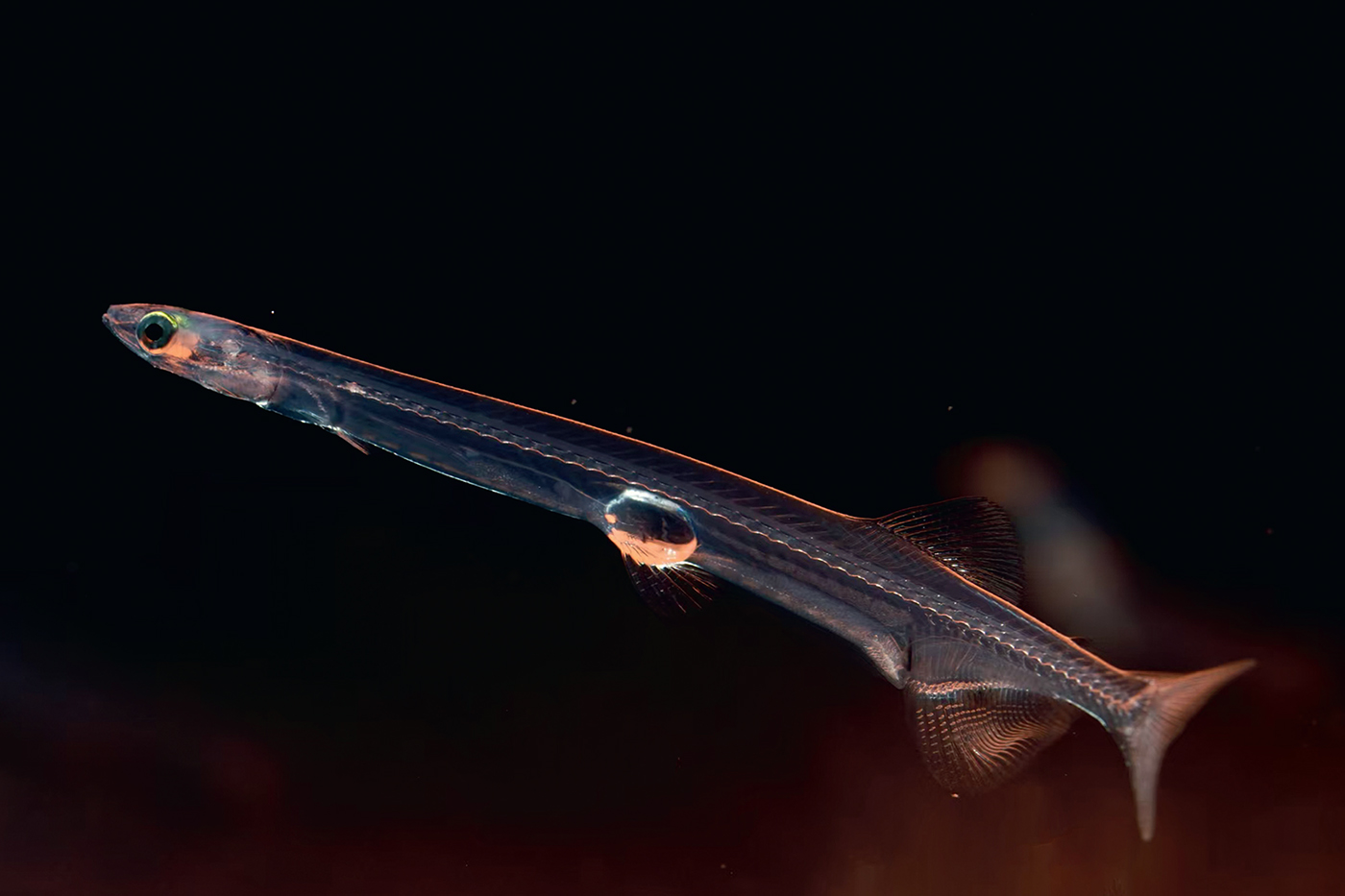
image source: news.northeastern.edu
A Bloodless Wonder of Evolution
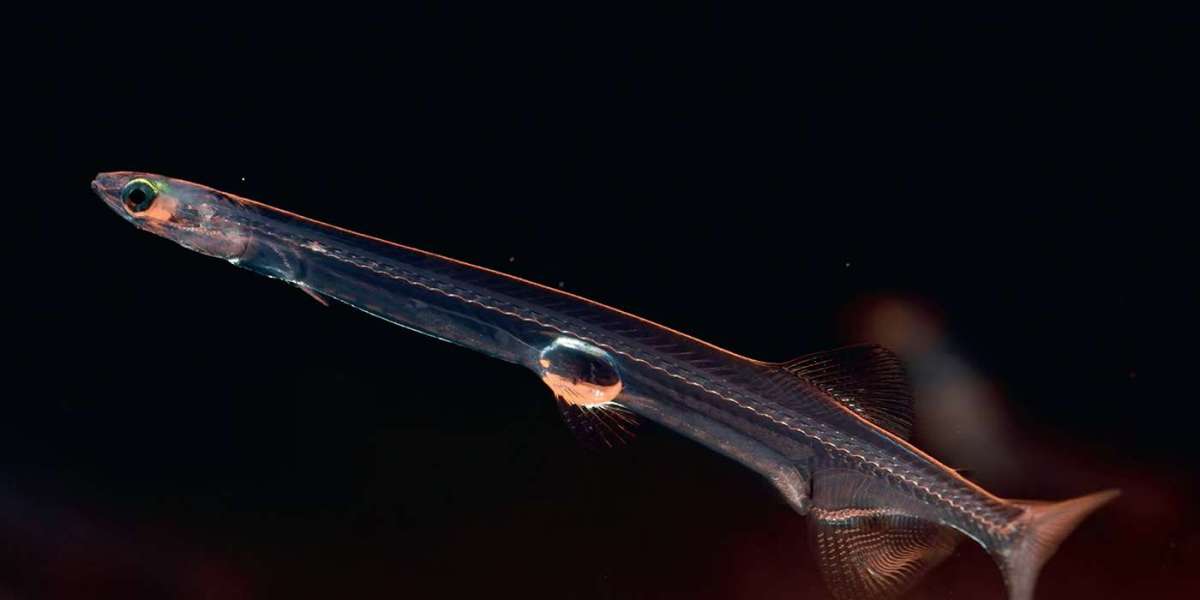
In the world of unusual animals, few discoveries are as surprising as the bloodless noodlefish. Officially known as the Asian noodlefish, this slender, needle-shaped fish challenges one of biology’s most basic rules: that vertebrates need red blood cells to survive. Recent research reveals that this warm-water species lives, grows, and reproduces without hemoglobin or red blood cells, relying instead on remarkable evolutionary adaptations. Its existence is reshaping how scientists understand oxygen transport, evolution, and biodiversity in aquatic life.
advertisement
Key Points
The Asian noodlefish lives without red blood cells or hemoglobin.
It inhabits warm waters across East Asia, unlike cold-water Antarctic icefish.
All known species have lost the myoglobin gene in a shared evolutionary event.
Hemoglobin genes remain but are nonfunctional due to mutations.
A short life span and juvenile traits help explain how it survives without red blood cells.
What Is the Asian Noodlefish?
The Asian noodlefish is a small, elongated fish found across East Asia, including the coastal waters and river systems of China, Korea, Japan, eastern Russia, and as far south as Vietnam. Its body is thin, almost translucent, giving rise to its noodle-like appearance. What truly sets it apart, however, is its milky white blood, which contains no red blood cells and no hemoglobin.
This makes the Asian noodlefish one of the very few known vertebrates on Earth to live entirely without these oxygen-carrying components.
Not Alone: Comparing the Noodlefish and Antarctic Icefish
Before the noodlefish drew scientific attention, Antarctic icefish were considered a biological anomaly. These cold-water fish also lack red blood cells, a trait long believed to be possible only in the oxygen-rich waters of the Southern Ocean.
Marine biologist H. William Detrich, who previously studied icefish, initially believed the mystery of bloodless fish had been solved. Icefish lost their hemoglobin genes entirely over millions of years, an adaptation made possible by frigid waters rich in dissolved oxygen.
The Asian noodlefish, however, lives in warm waters where oxygen levels are much lower. This discovery showed that bloodless survival is not limited to extreme cold environments and can arise through entirely different evolutionary pathways.

H William Detrich, a world-renowned professor emeritus of marine and environmental sciences,
studied the ‘other’ white-blooded fish with Chinese researchers.
Photo by Matthew Modoono/Northeastern University
image source: news.northeastern.edu
A Different Genetic Path to Bloodlessness
Genomic research revealed that all 12 known species of Asian noodlefish share a common evolutionary event: the loss of the myoglobin gene, which normally helps store oxygen in muscle tissue.
Unlike Antarctic icefish, the noodlefish did not fully delete their hemoglobin genes. Instead, those genes accumulated smaller mutations that prevent the production of functional hemoglobin. As a result, red blood cells are never formed, yet the genes remain partially present in the genome.
This distinction highlights how evolution can reach similar outcomes through very different molecular routes.
The Role of Short Life Span and Juvenile Traits
One of the most important clues to the noodlefish’s survival strategy is its life span. While Antarctic icefish may live six to seven years or longer, the Asian noodlefish typically lives for only about one year.
During that brief life, noodlefish retain juvenile characteristics, a phenomenon known as neoteny. In many fish species, juveniles do not rely heavily on red blood cells because their small, slender bodies can absorb oxygen directly through their skin. Most species eventually develop red blood cells as adults, but Asian noodlefish never make that transition.
By remaining essentially juvenile throughout life, noodlefish avoid the biological need to produce red blood cells altogether.
Why This Discovery Matters
The bloodless noodlefish demonstrates that evolution does not follow a single path. According to the researchers, its existence shows how historical contingency and environmental pressures shape biodiversity in unexpected ways.
The comparison between Antarctic icefish and Asian noodlefish reveals that similar traits can emerge from different environments, different genetic changes, and different life-history strategies. This insight deepens scientific understanding of adaptation and opens new questions about how many other species may be surviving in ways we have not yet discovered.
advertisement
Conclusion: Rethinking Life’s Essential Rules
The Asian noodlefish is more than a biological curiosity. It is a powerful reminder that life continually rewrites the rules we assume are fixed. By surviving without red blood cells in warm waters, this tiny fish expands our understanding of evolution, resilience, and adaptability.
As scientists continue to study bloodless fish, the noodlefish stands as evidence that nature often finds multiple solutions to the same problem. Its story inspires curiosity, challenges assumptions, and underscores how much remains to be learned about the hidden diversity of life on Earth.
Frequently Asked Questions (FAQ):
Does the Asian noodlefish have blood at all?
Yes, but its blood is translucent white and lacks red blood cells and hemoglobin.
How does the noodlefish get oxygen?
It absorbs oxygen directly through its blood plasma and body tissues, aided by its small, slender body.
Is the Asian noodlefish endangered?
The research does not indicate conservation status, and more ecological studies are needed.
Are there other fish like this?
Yes, Antarctic icefish also lack red blood cells, but they evolved this trait in a very different environment.
Why is this discovery important?
It shows that evolution can reach similar solutions through different genetic and environmental pathways.
Sources
Northeastern University News – Research article on the discovery and genetics of the Asian noodlefish
https://news.northeastern.edu/2026/01/01/asian-noodlefish-red-blood-cells/