
Understanding Caffeine Withdrawal: Symptoms, Causes, and Management Strategies

Key Points Summary:
Caffeine withdrawal is a common condition caused by the abrupt cessation or reduction of caffeine intake.
Symptoms include headaches, fatigue, irritability, and difficulty concentrating.
Gradual reduction of caffeine intake is the most effective way to minimize withdrawal symptoms.
Symptoms usually peak between 20-51 hours after cessation and resolve within a week.
Caffeine withdrawal can mimic other medical conditions, making accurate diagnosis essential.
Introduction:

Caffeine is the most widely consumed psychoactive substance in the world, found in coffee, tea, energy drinks, and even some medications. For most people, it’s a regular part of their daily routine. However, when habitual caffeine intake is suddenly reduced or stopped, it can lead to a series of physical and mental symptoms known as caffeine withdrawal. Understanding what caffeine withdrawal is, its causes, symptoms, and how to manage it, can help make the transition smoother and avoid unnecessary complications.
What Is Caffeine Withdrawal?
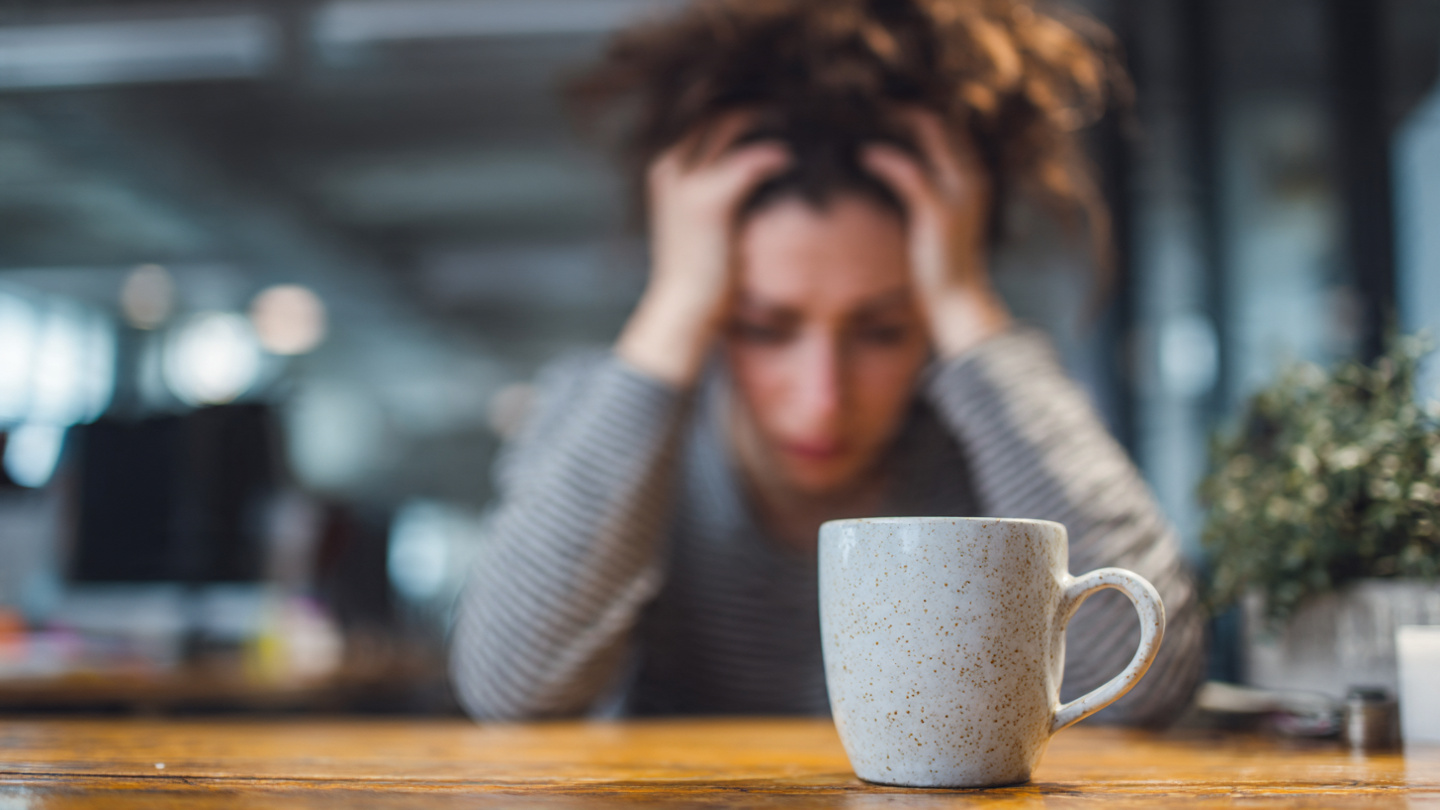
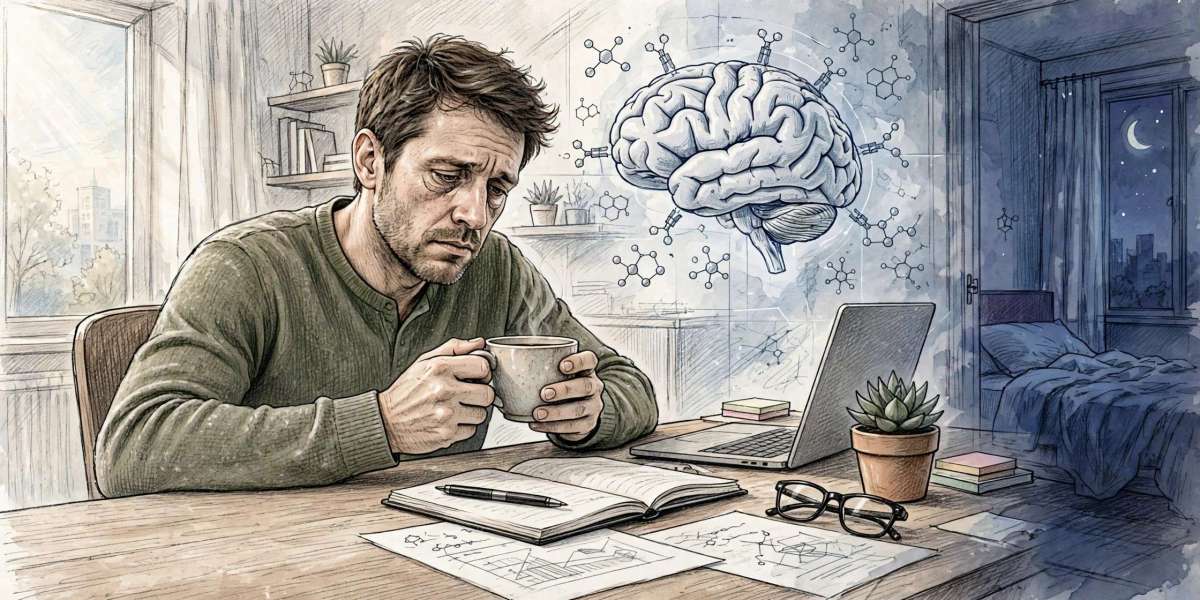
Caffeine withdrawal is a clinically recognized condition that occurs when someone who regularly consumes caffeine suddenly reduces or stops their intake. This can lead to a series of symptoms ranging from mild headaches to more severe issues like irritability, fatigue, and mood disturbances. The symptoms arise because of the physiological changes in the brain and central nervous system when caffeine, a stimulant, is no longer present.
advertisement
Causes of Caffeine Withdrawal

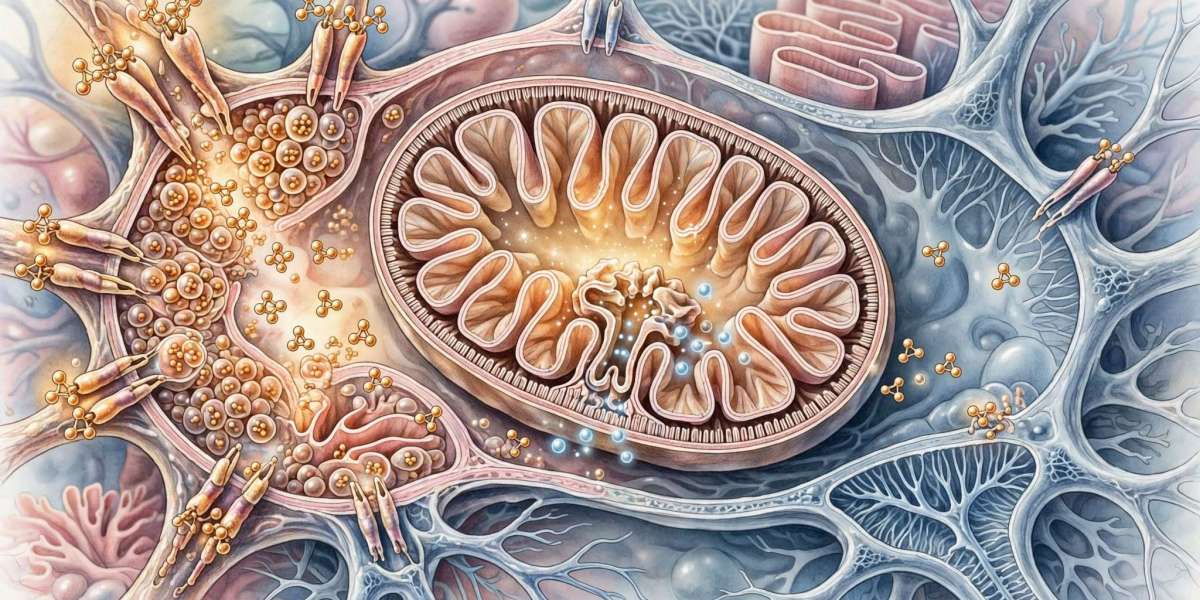
Caffeine works by blocking adenosine receptors in the brain, which helps you stay awake and alert. With regular consumption, the body becomes dependent on this stimulant effect, increasing the number of adenosine receptors in the brain. When caffeine is suddenly removed, these receptors become more active, leading to symptoms such as headaches, fatigue, and low mood.
Factors such as the amount of caffeine consumed, how long someone has been using it, and their individual physiology play a role in the severity of withdrawal symptoms.
Symptoms of Caffeine Withdrawal
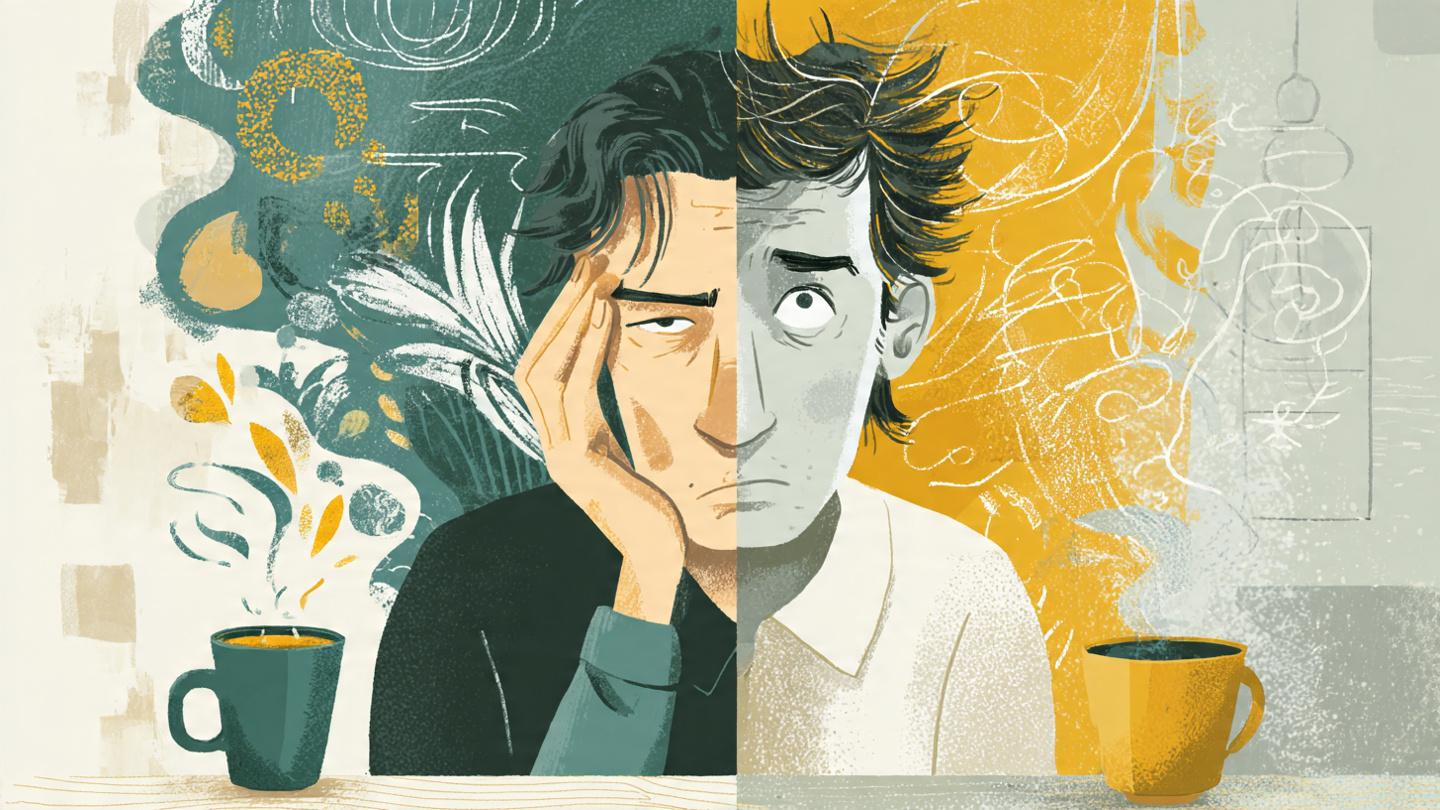
Caffeine withdrawal symptoms can vary, but they typically occur within 12 to 24 hours after stopping or reducing caffeine intake. Some of the most common symptoms include:
Headache – Often described as throbbing or similar to a migraine, it is one of the most frequent signs.
Fatigue – A sudden drop in energy levels can lead to exhaustion and drowsiness.
Irritability and Mood Disturbances – People may feel more anxious, irritable, or even depressed.
Difficulty Concentrating – Many people report issues with focus and attention.
Flu-like Symptoms – Nausea, muscle pain, and stiffness are less common but can still occur.
These symptoms typically peak within 1 to 2 days after caffeine cessation and can last from 2 to 9 days, though they are self-limiting and typically resolve on their own.
advertisement
Managing Caffeine Withdrawal

The good news is that caffeine withdrawal, while uncomfortable, is temporary and typically resolves on its own. However, there are strategies to ease the process:
Gradual Reduction – Instead of quitting caffeine abruptly, try tapering off over several days or weeks. This can help reduce the severity of withdrawal symptoms.
Stay Hydrated – Drink plenty of water to help your body adjust and prevent dehydration.
Rest and Relaxation – Proper sleep and relaxation can help manage fatigue and irritability.
Over-the-Counter Pain Relief – Medications like ibuprofen or acetaminophen can alleviate headaches and body aches.
Small Doses of Caffeine – If symptoms are particularly severe, a small amount of caffeine (e.g., 50–100 mg) can be taken to provide relief without completely undoing the effects of withdrawal.
Differentiating Caffeine Withdrawal from Other Conditions

Caffeine withdrawal shares symptoms with several medical and psychiatric conditions, including migraines, depression, and viral illnesses. This can sometimes lead to misdiagnosis and unnecessary tests. A careful history of caffeine use and the timing of symptom onset is crucial to correctly identifying caffeine withdrawal and ruling out other causes.
When to Seek Professional Help

In most cases, caffeine withdrawal is self-limiting and doesn’t require medical intervention. However, if symptoms become severe or persist for an extended period, or if they significantly impair daily functioning, it’s important to consult a healthcare provider. This is especially important for individuals with pre-existing conditions like chronic migraines, as abrupt caffeine cessation may trigger severe headaches.
Conclusion:

While caffeine withdrawal can be uncomfortable, understanding its causes, recognizing its symptoms, and knowing how to manage the condition can make the process much easier. If you are considering cutting back on caffeine, a gradual approach is best. Remember, the symptoms are temporary and self-limiting, and with the right strategies, you can successfully manage withdrawal.
Reducing caffeine intake doesn’t just help alleviate withdrawal symptoms; it can also benefit your overall health, leading to better sleep, improved focus, and even a reduction in anxiety. Take it step by step, and soon, you’ll be on the other side of caffeine dependence.
Frequently Asked Questions (FAQ):
1. How long does caffeine withdrawal last?
Caffeine withdrawal typically lasts between 2 to 9 days. Symptoms peak within the first 1 to 2 days and gradually decrease thereafter.
2. Can caffeine withdrawal be dangerous?
No, caffeine withdrawal is generally not dangerous, though it can be uncomfortable. In rare cases, withdrawal symptoms may exacerbate pre-existing conditions like migraines.
3. Is it better to quit caffeine suddenly or gradually?
Gradually tapering off caffeine is the recommended method to reduce withdrawal symptoms and make the transition smoother.
4. Can I take caffeine during withdrawal to feel better?
A small dose of caffeine (50–100 mg) may provide temporary relief but should be used sparingly to avoid prolonging dependence.
5. What are the best ways to manage caffeine withdrawal symptoms?
Stay hydrated, get adequate rest, and use over-the-counter pain relievers if needed. Gradual caffeine reduction is the most effective strategy.
Sources:
Thank you !