
Climate Change Explained: Causes, Impacts, and Solutions for a Warming World
Key Takeaways
Climate change is driven mainly by human activities, especially the burning of fossil fuels.
The planet has already warmed dangerously close to the 1.5°C threshold, increasing extreme weather risks.
Urgent global action can still reduce long-term damage and protect vulnerable communities.
advertisement
Introduction: Why Climate Change Matters Now More Than Ever

Climate change is no longer a distant environmental concern—it is a present-day global challenge shaping weather patterns, ecosystems, economies, and human lives. Over the last century, rising global temperatures have intensified heatwaves, droughts, floods, and wildfires across the world. Scientists agree that human activities are the primary cause, and while the situation is serious, there is still an opportunity to limit the most devastating consequences if action is taken swiftly.
What Is Climate Change?
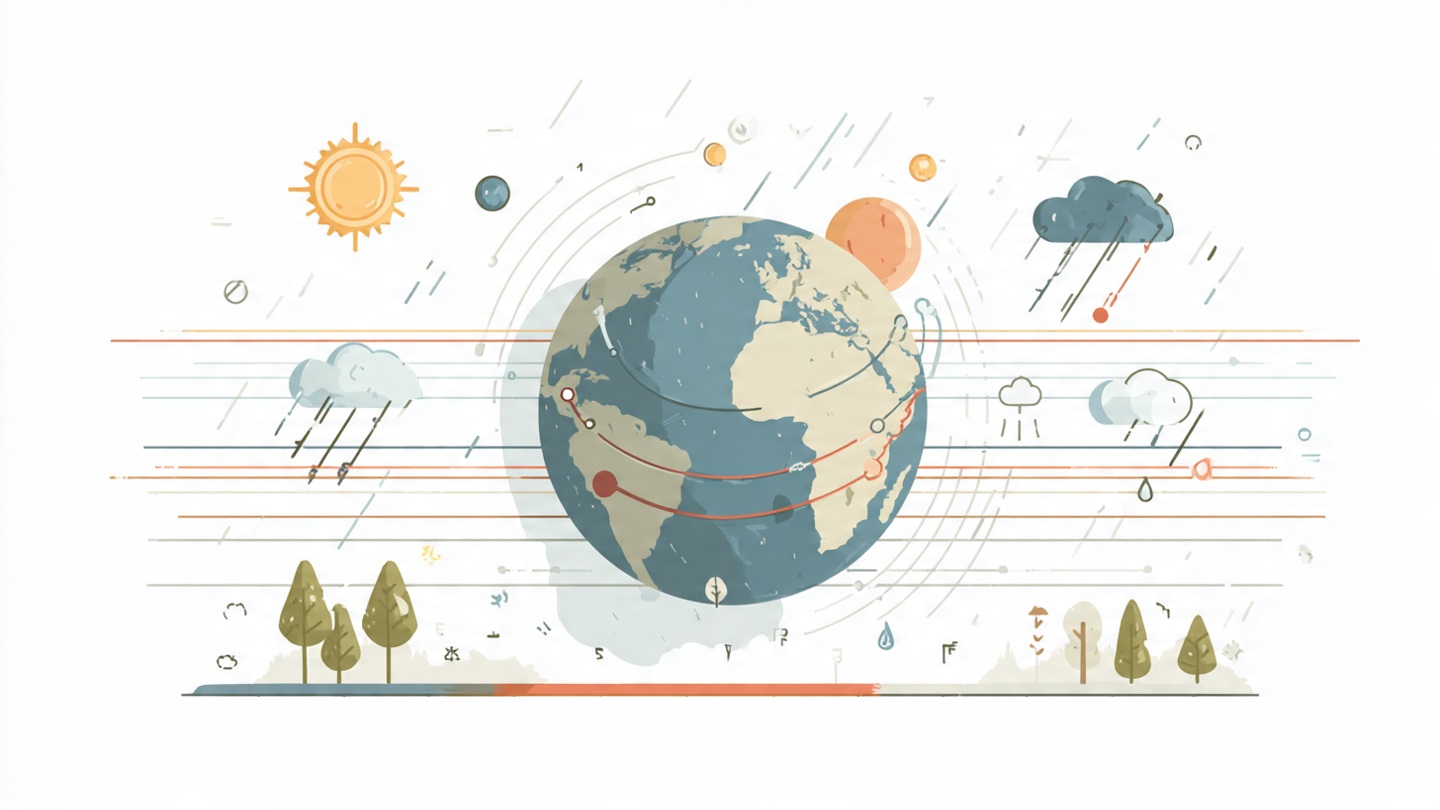
Climate change refers to long-term shifts in Earth’s average temperatures and weather patterns. While the planet’s climate has changed naturally in the past, the speed and scale of current warming are unprecedented in modern history.
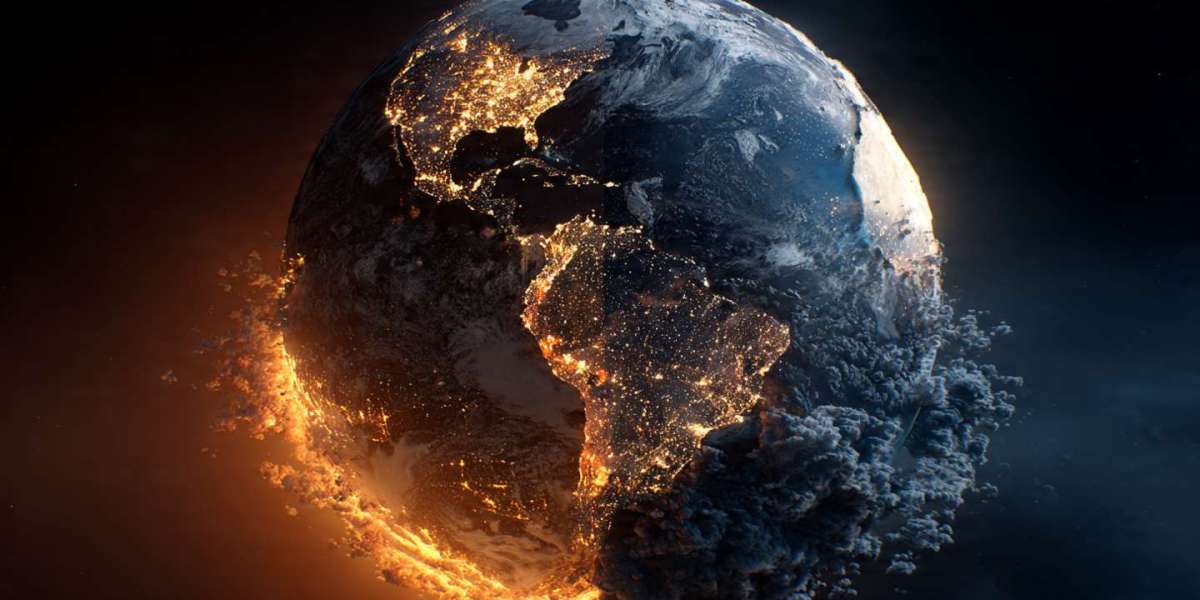
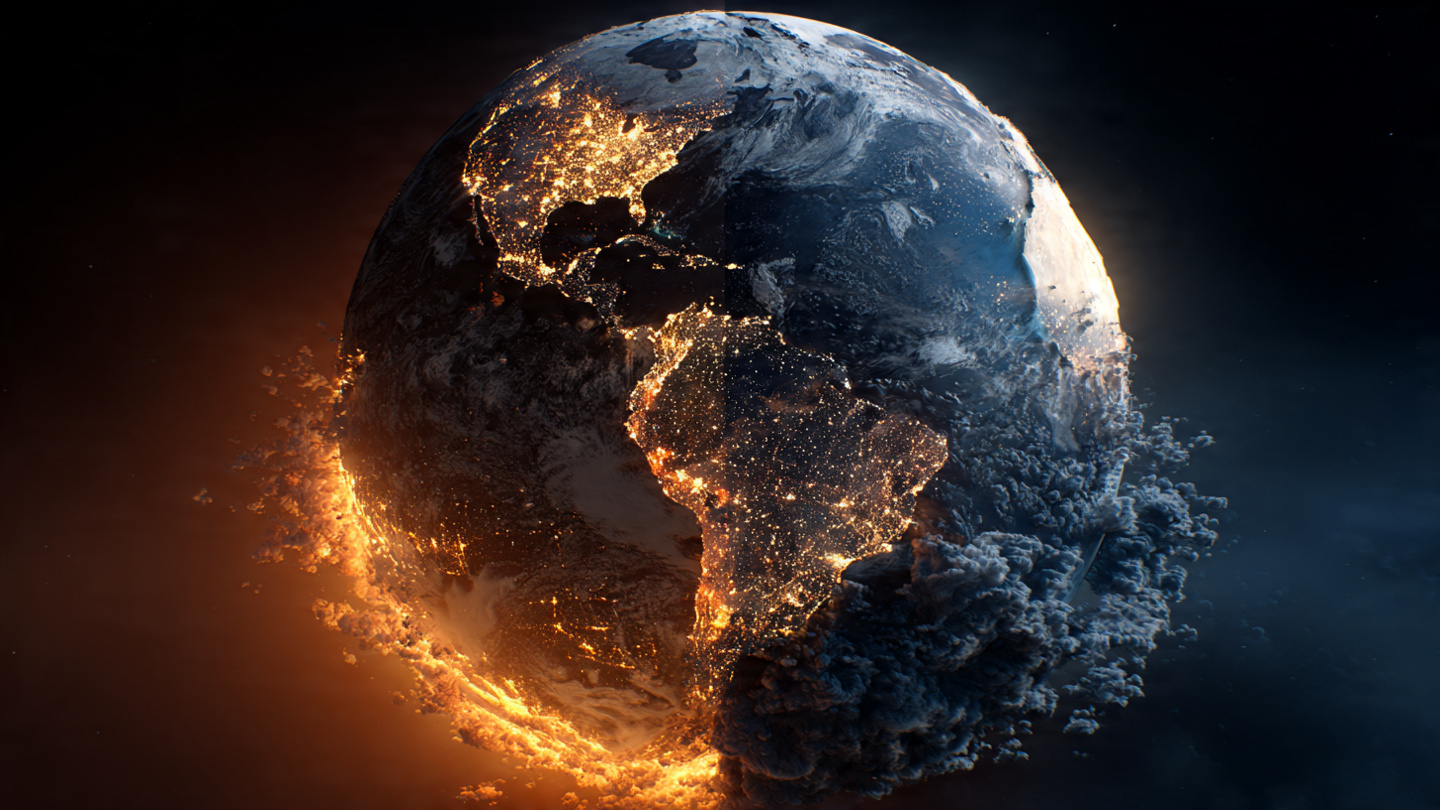
Since the 1980s, each decade has been warmer than the one before. According to global climate monitoring organizations, the world’s hottest years on record have all occurred since the mid-2010s. In 2024, Earth experienced its hottest year ever measured, temporarily surpassing 1.5°C of warming compared to pre-industrial levels.
How Human Activities Drive Climate Change
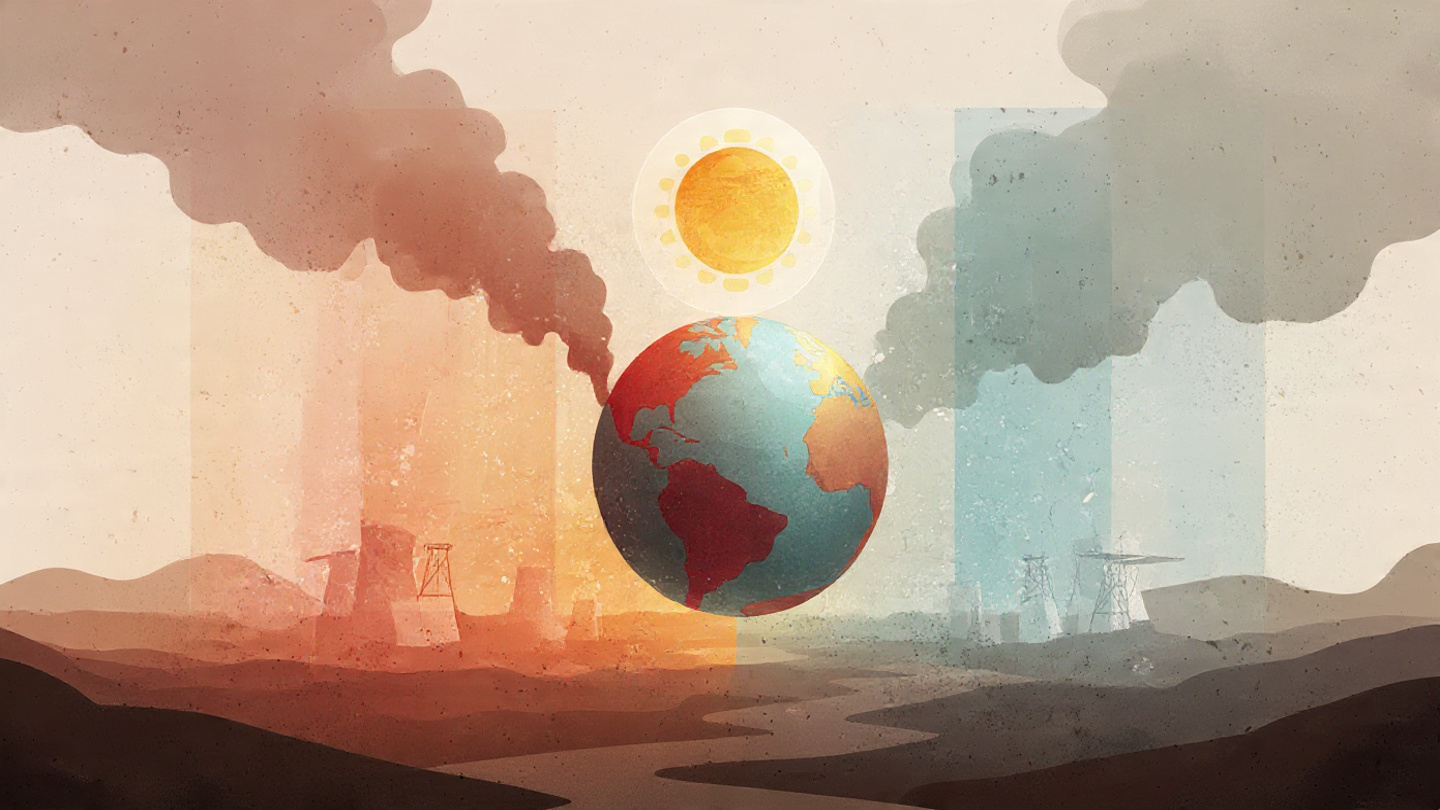
Scientific consensus, including findings from the Intergovernmental Panel on Climate Change (IPCC), confirms that recent global warming cannot be explained by natural factors alone. The dominant cause is the widespread use of fossil fuels such as coal, oil, and gas.
When fossil fuels are burned for electricity, transport, or industry, they release greenhouse gases—primarily carbon dioxide (CO₂). These gases trap heat in the atmosphere, creating a “blanket effect” that raises global temperatures. Since the Industrial Revolution, atmospheric CO₂ levels have increased by more than 50%, a rise that can be chemically traced directly to fossil fuel combustion.
Climate Change Impacts Already Affecting the World
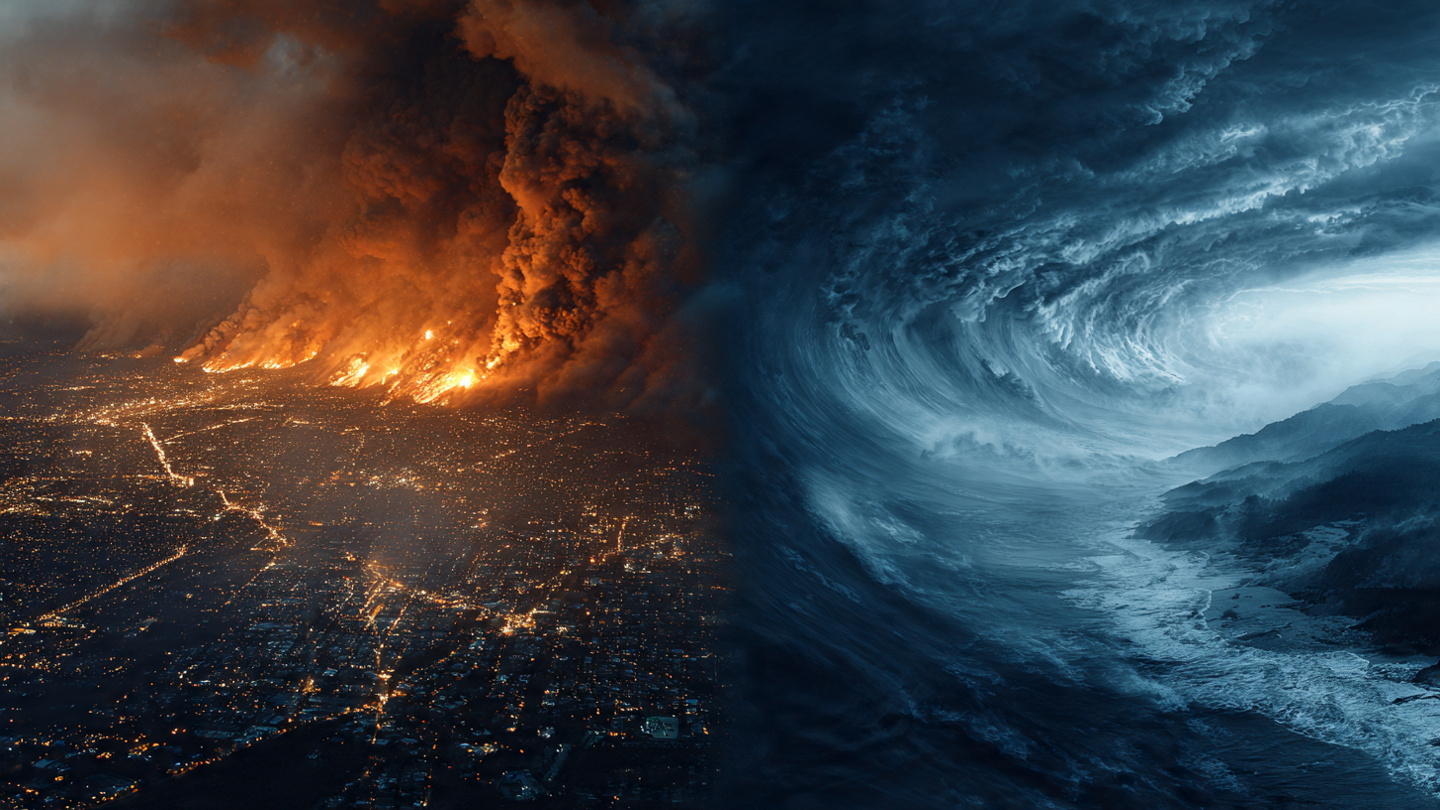
The effects of climate change are already visible and intensifying:
More frequent and severe heatwaves and heavy rainfall
Accelerated melting of glaciers and polar ice, raising sea levels
Shrinking Arctic sea ice
Warmer oceans, which intensify storms and damage marine ecosystems
Extreme events illustrate these impacts clearly. For example, devastating wildfires in the United States in early 2025 caused economic losses estimated in the tens of billions of dollars. In East Africa, prolonged droughts have placed millions of people at risk of hunger. Scientists note that climate change dramatically increases the likelihood and severity of such events, though local vulnerability determines how severe the consequences are.
Why the 1.5°C Threshold Is So Important
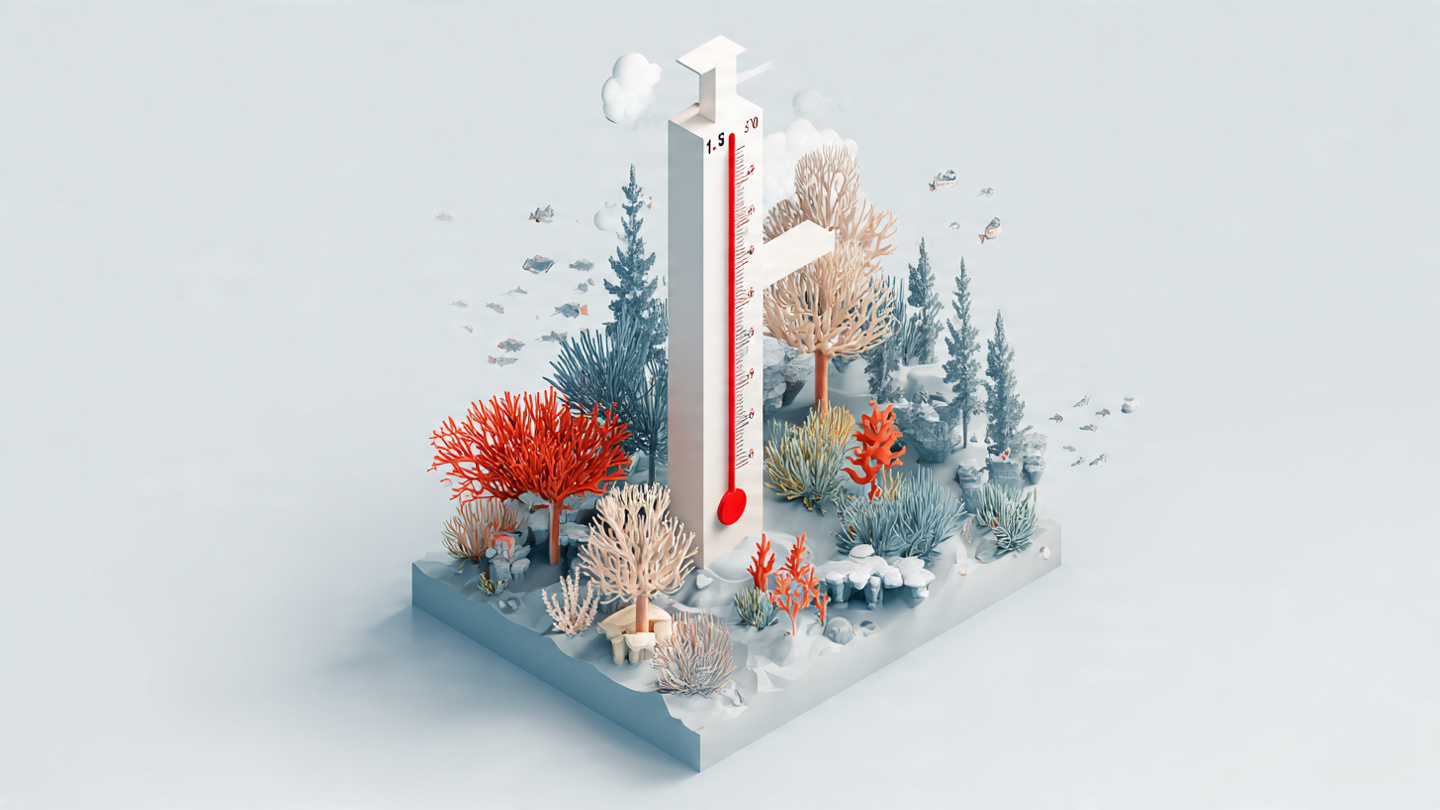
Nearly 200 countries committed under the Paris Climate Agreement to limit global warming to 1.5°C above pre-industrial levels. This threshold is not arbitrary—scientific evidence shows that warming beyond this point greatly magnifies climate risks.
Even at 1.5°C, many communities face serious challenges. However, warming of 2°C or more would significantly increase:
Exposure to extreme heat
Sea-level rise from ice-sheet collapse
Food insecurity caused by extreme weather
Spread of climate-sensitive diseases
Species extinction
Near-total loss of coral reefs
Crossing certain “tipping points,” such as large-scale ice sheet collapse or rainforest dieback, could trigger irreversible changes to Earth’s systems.
Climate Change, Inequality, and Global Vulnerability
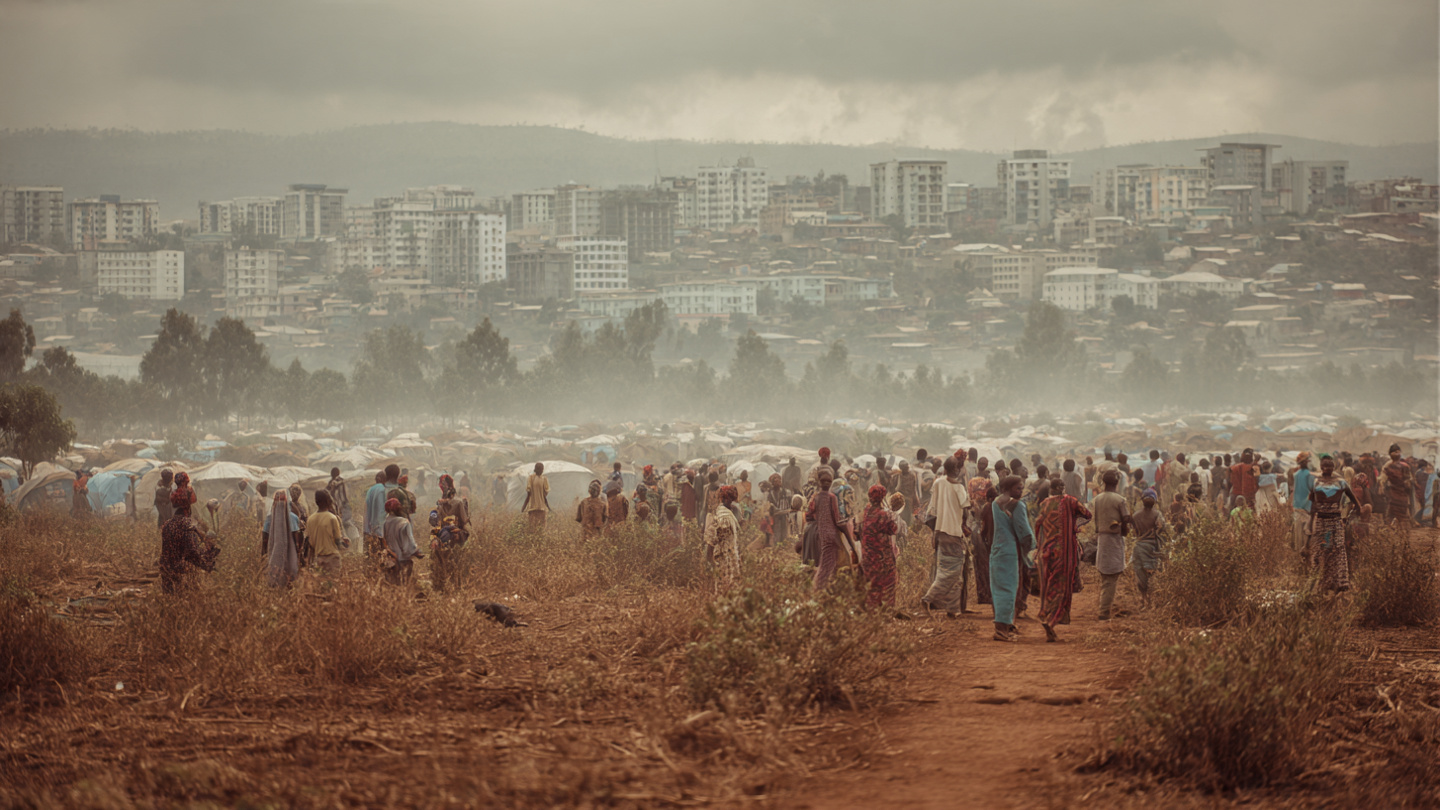
The IPCC estimates that billions of people are highly vulnerable to climate change, especially those in lower-income countries. These regions often contribute the least to global emissions but suffer the greatest impacts due to limited resources for adaptation.
Climate change is therefore not only an environmental issue but also a matter of global equity. Its effects—such as food shortages or rising prices—can ripple across borders, affecting even wealthy nations.
What Governments Are Doing to Address Climate Change
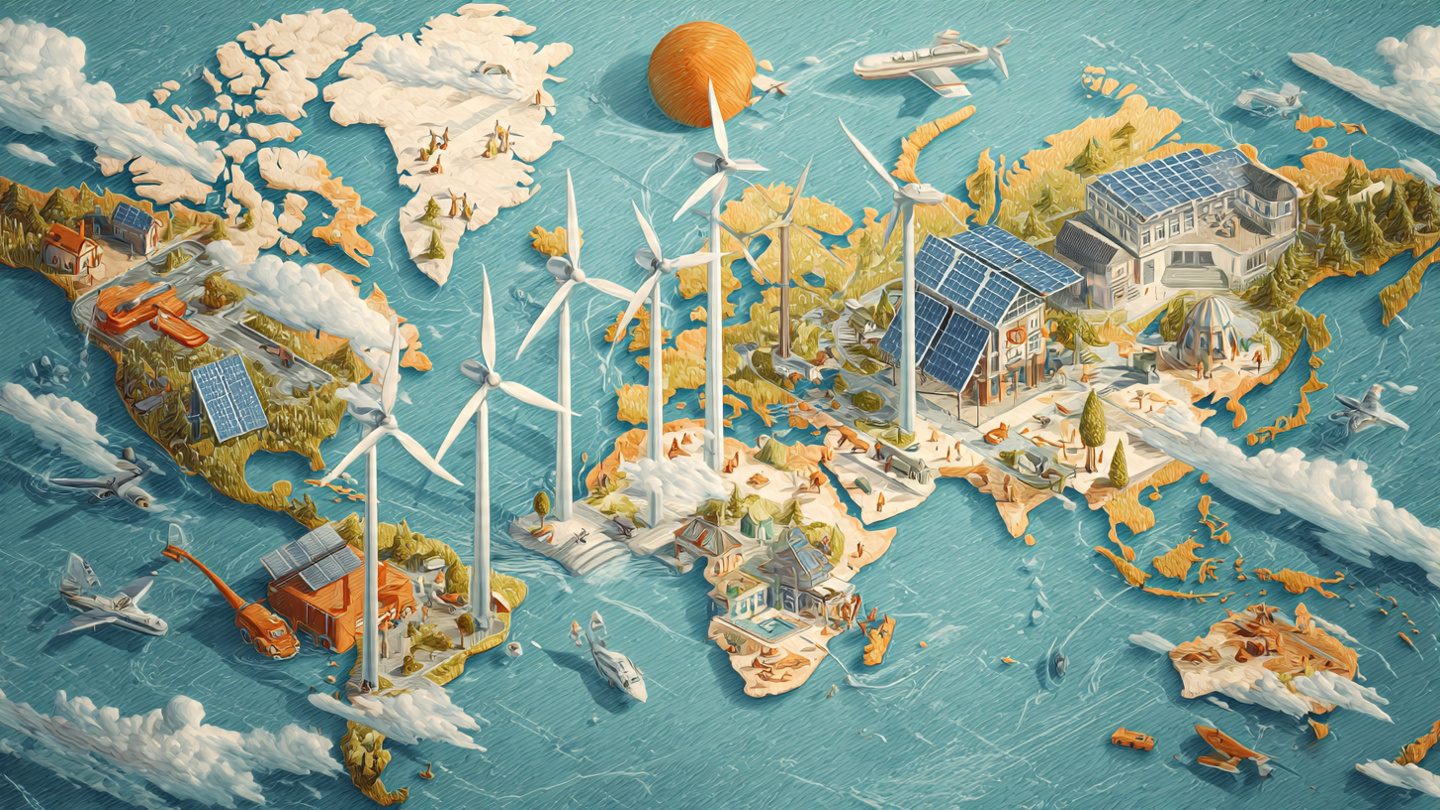
Limiting warming requires reaching net zero CO₂ emissions, meaning that emissions must be reduced as much as possible and any remaining emissions removed from the atmosphere.
Many governments have adopted net zero targets and invested in renewable energy, electric vehicles, and cleaner technologies. However, global emissions remain at record levels. Current trends suggest the 1.5°C target could be exceeded in the early 2030s.
International climate summits (COP meetings) aim to coordinate global action, but progress has been uneven. Financial support for developing countries has increased, though many experts argue it remains insufficient to meet the scale of the challenge.
What Individuals Can Do to Help
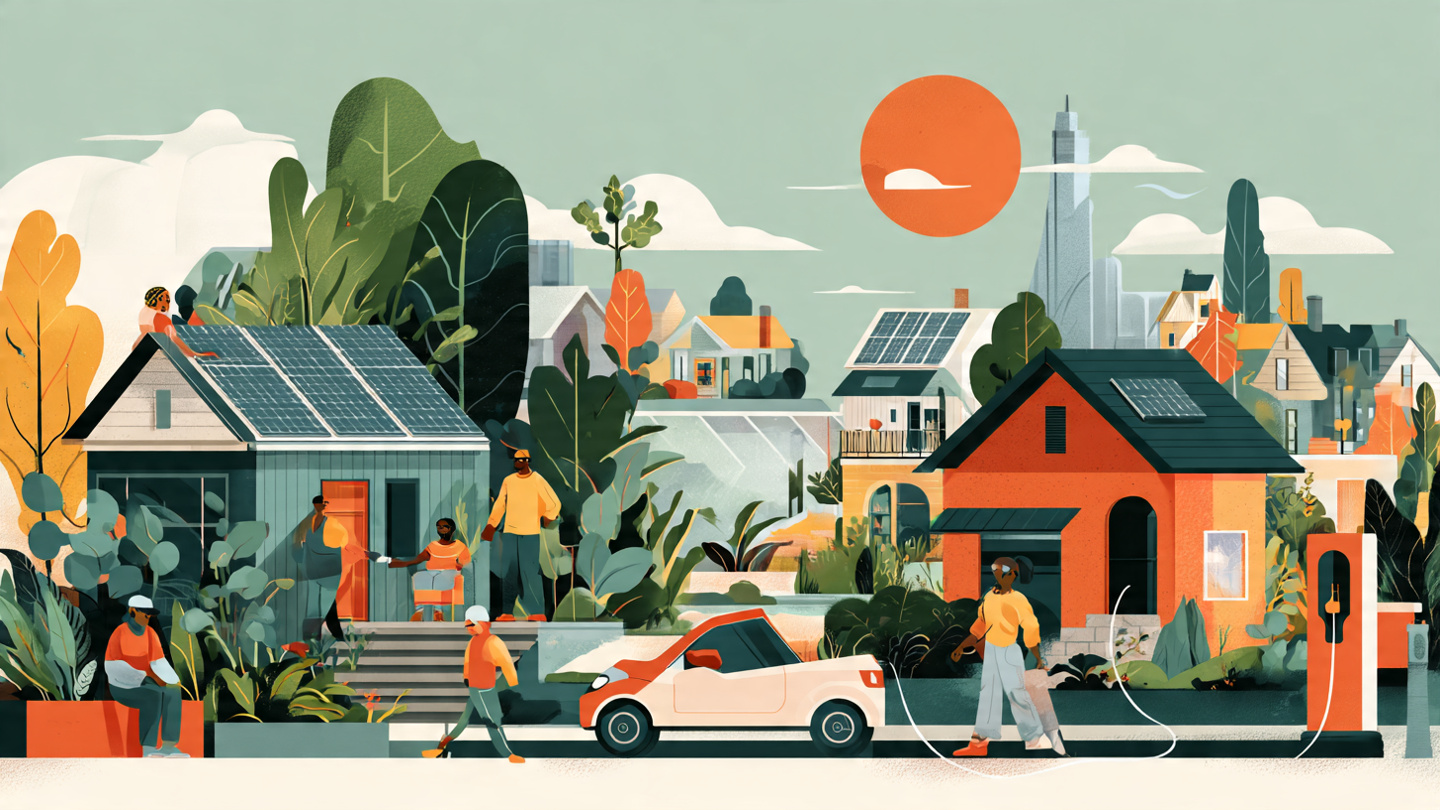
While governments and industries play a central role, individual actions also matter. People can reduce their climate impact by:
Flying less and choosing sustainable travel options
Using energy more efficiently at home
Improving insulation and energy efficiency
Switching to electric vehicles or reducing car use
Replacing fossil-fuel heating systems with electric alternatives
Eating less red meat
Collectively, these choices help lower emissions and signal demand for climate-friendly policies and technologies.
Conclusion: A Defining Challenge—and Opportunity—of Our Time

Climate change represents one of the greatest challenges humanity has ever faced, but it also presents an opportunity to reshape how we live, produce energy, and care for one another. The science is clear, the impacts are visible, and the solutions are known. While the window for limiting warming is narrowing, decisive action—from governments, businesses, and individuals—can still protect ecosystems, reduce inequality, and secure a safer future for generations to come.
Key Points Summary
Human activities are the primary driver of modern climate change.
Global temperatures are approaching critical thresholds with serious consequences.
Extreme weather events are becoming more frequent and intense.
Vulnerable populations are disproportionately affected.
Rapid emissions reductions can still limit long-term damage.
advertisement
Frequently Asked Questions (FAQ)
Is climate change caused only by humans?
Natural factors affect climate, but current rapid warming is overwhelmingly caused by human activities.
Why does exceeding 1.5°C matter?
Beyond this level, climate impacts intensify and the risk of irreversible changes increases.
Can climate change still be slowed?
Yes. Immediate and sustained reductions in greenhouse gas emissions can limit future warming.
Who is most affected by climate change?
Low-income and climate-vulnerable regions face the greatest risks, despite contributing least to emissions.
Do individual actions really make a difference?
Yes. Individual choices add up and influence policies, markets, and social norms.
Sources
BBC News – Overview of climate change causes, impacts, and global responses
https://www.bbc.com/news/articles/c9w15nggj58o
Thank you !