
Global Health Impacts of Plastics: Emissions Could More Than Double by 2040
Key Points:
Health risks from plastics emissions may double by 2040 under current trends.
Virgin plastic production is the largest driver of climate, pollution, and chemical-related harms.
Full system change, not just recycling, is essential to reduce global health burdens.
advertisement
Introduction
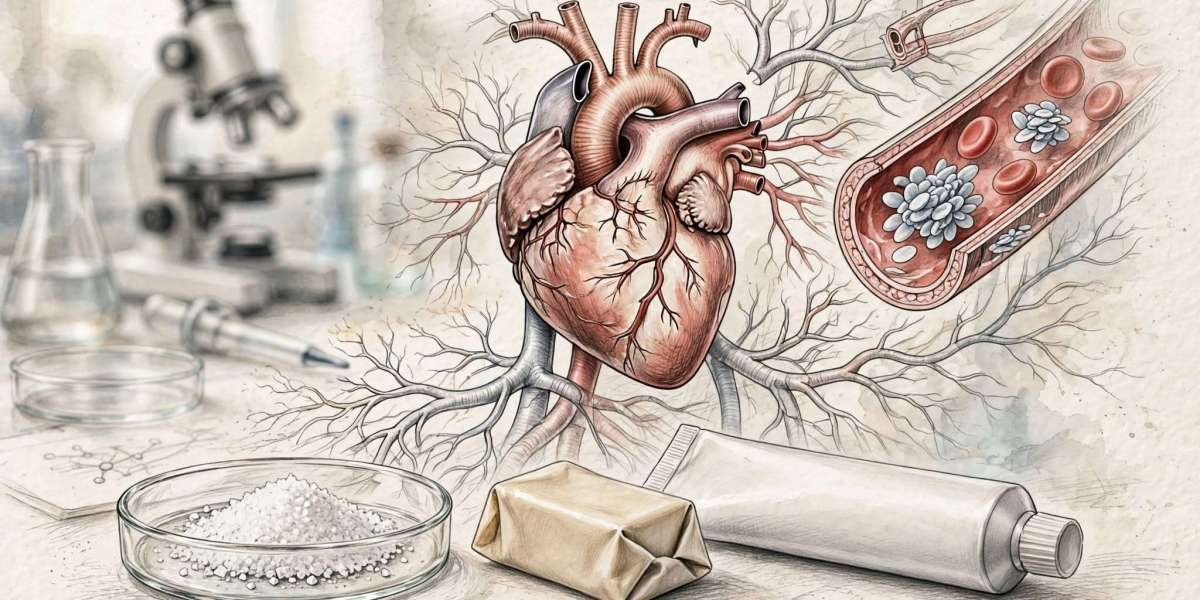
Plastics are everywhere in modern life — from packaging to electronics, transportation to healthcare. But a growing body of research warns that the way we produce and manage plastics is silently threatening human health on a massive scale. A new modeling study published in The Lancet Planetary Health suggests that, if current practices continue, global health impacts linked to plastics could more than double by 2040. These impacts include climate-related illnesses, respiratory problems, cancers, and other diseases caused by greenhouse gas emissions, air pollutants, and toxic chemicals released throughout the plastics lifecycle.
Understanding Plastics’ Hidden Health Risks
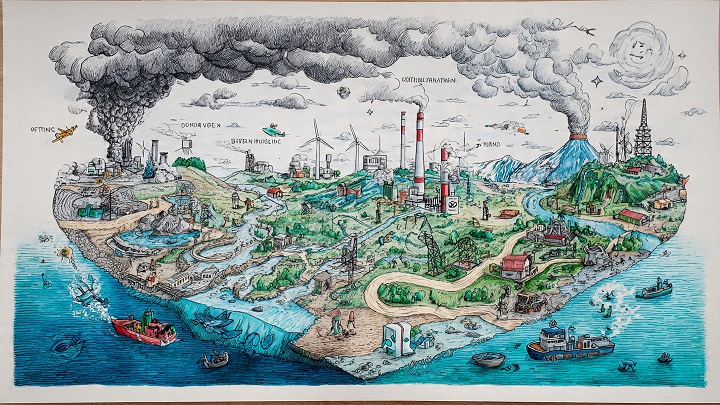
The study, led by researchers from the London School of Hygiene & Tropical Medicine (LSHTM), the University of Toulouse, and the University of Exeter, took a comprehensive lifecycle approach. It analyzed emissions from fossil fuel extraction, plastic production, transportation, use, and disposal, including landfills, recycling processes, open burning, and environmental pollution.
Key findings include:
In 2016, the plastics system was already linked to 2.1 million disability-adjusted life years (DALYs), representing years of healthy life lost worldwide.
By 2040, under a “business-as-usual” scenario, this could rise to 4.5 million DALYs, effectively doubling the health burden.
Across the lifecycle, primary (virgin) plastic production accounts for over 60% of health harms, followed by open burning and waste management.
Greenhouse gases drive 40% of the health burden, air pollution 32%, and toxic chemicals 27%, with the remainder from effects on water, ozone, and radiation (EurekAlert, Business Standard).
Lifecycle Impacts of Plastics
Where Plastics Harm Health
From extraction to disposal, plastics affect human health at every stage.
Virgin plastic production is the single largest contributor.
Open burning releases toxic fumes that exacerbate respiratory and cardiovascular diseases.
Recycling alone has minimal impact if production continues unabated.
Why Recycling Alone Isn’t Enough
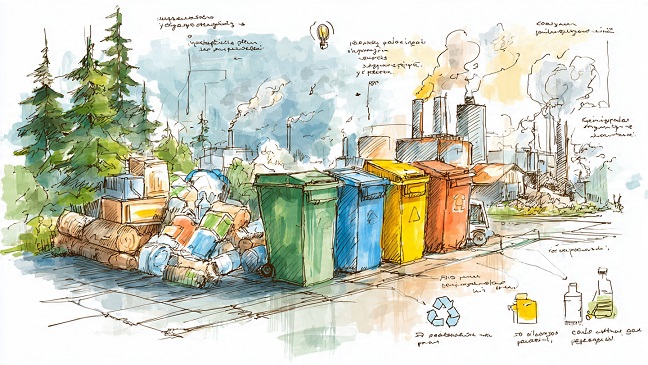
Many efforts focus on recycling, but the study shows this is not sufficient. Improving waste collection and recycling in isolation reduces health impacts by only 8–10%. Recycling processes themselves can consume energy and release pollutants, particularly chemical recycling. Similarly, substituting plastics with alternatives like paper, glass, or some bio-based plastics may introduce new energy demands and emissions.
The most effective strategy is a full system change, combining:
Deep cuts in virgin plastic production
Enhanced waste collection and disposal
Reduced open burning
Targeted recycling and material substitution
Such comprehensive action could reduce the global health burden of plastics by up to 43% by 2040, though it would not eliminate it entirely (Business Standard, EurekAlert, NDTV).
Effective Strategies to Reduce Plastics Harm
What Actually Works
Reduce production of non-essential plastics.
Improve waste management systems.
Avoid open burning of plastic waste.
Implement carefully assessed material substitutions.
System-wide changes far outperform recycling-only approaches.
The Urgent Need for Policy and Transparency
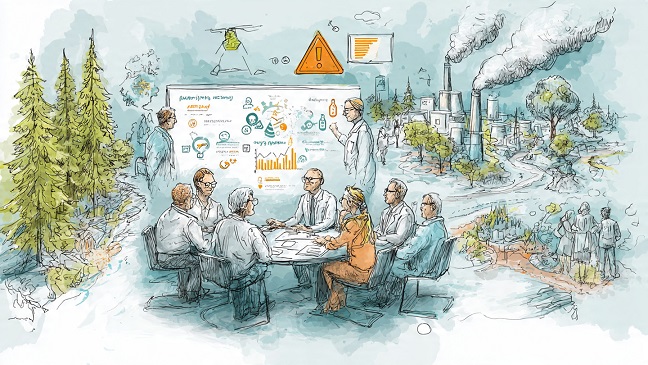
A major limitation in understanding plastics’ health impacts is the lack of transparency about chemical compositions. Inconsistent reporting by manufacturers restricts lifecycle assessments and policymaking. The study emphasizes the need for globally harmonized reporting, data sharing, and regulation, particularly to reduce hazardous chemicals and unnecessary plastic production.
Currently, more than 175 countries are negotiating a Global Plastics Treaty, aimed at addressing the upstream and downstream impacts of plastics on health, the environment, and the economy (NDTV, SciMEX, Business Standard).
Policy & Transparency Imperatives
Systemic Solutions Needed
Full lifecycle regulations are crucial for protecting health.
Industry disclosure of plastic composition is needed for effective policies.
Global cooperation via treaties can reduce production and chemical hazards.
Conclusion: A Call to Collective Action
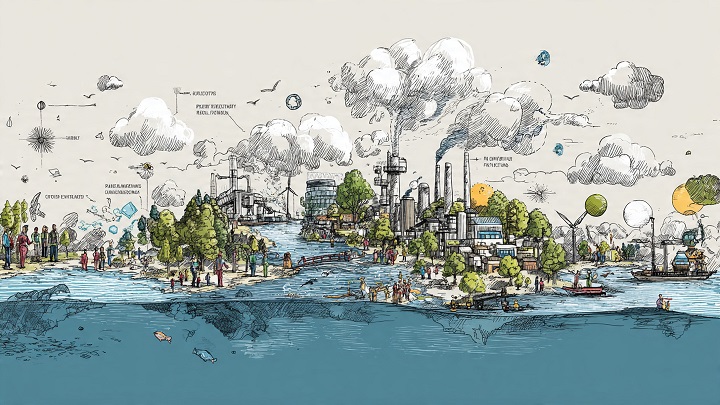
The evidence is clear: the global plastics system is not just an environmental challenge but a major public health issue. Without urgent and systemic action, the adverse health impacts of plastics could more than double in the next two decades, contributing to millions of lost healthy life years. However, this trajectory is not inevitable. Reducing virgin plastic production, improving waste management, eliminating open burning, and enforcing global transparency can prevent nearly half of these harms.
Plastics are embedded in our daily lives, but the choices governments, industries, and individuals make today will determine whether we safeguard future generations’ health. The Lancet study provides both a warning and a blueprint: tackling plastics is a public health imperative, not just an environmental concern.
advertisement
Frequently Asked Questions (FAQ)
Q1: Why are plastics harmful to human health?
Plastics production and disposal release greenhouse gases, air pollutants, and toxic chemicals. These contribute to climate-related illnesses, respiratory diseases, cancers, and other health issues.
Q2: Can recycling solve the problem?
Recycling helps but is insufficient alone. Energy use and emissions in recycling can still harm health. System-wide reduction in production is far more effective.
Q3: Which stage of plastics causes the most harm?
Primary (virgin) plastic production is the largest contributor, responsible for over 60% of health harms globally.
Q4: How can governments reduce plastics-related health risks?
Through deep cuts in virgin plastic production, improved waste management, restrictions on open burning, global reporting standards, and careful material substitution.
Q5: Are there global efforts to address this?
Yes, over 175 countries are negotiating a Global Plastics Treaty to reduce production and hazardous chemical use.
Key Points Summary
Global health impacts of plastics may double by 2040 without systemic change.
Primary plastic production is the main driver of climate, pollution, and chemical-related harms.
Recycling and substitution alone are insufficient; full lifecycle and policy solutions are needed.
Comprehensive measures could reduce health harms by 43% by 2040.
Transparency and global cooperation are critical to effective action.
Sources
SciMEX – Health impacts linked to emissions from making plastics could more than double by 2040
https://www.scimex.org/newsfeed/health-impacts-linked-to-emissions-from-making-plastics-could-more-than-double-by-2040EurekAlert – Global health impacts of plastics systems could double by 2040
https://www.eurekalert.org/news-releases/1113959Business Standard – Global health risks from plastics may double by 2040, warns Lancet study
https://www.business-standard.com/health/health-global-health-risks-plastics-double-2040-lancet-study-126012700190_1.htmlNDTV – Adverse Health Impacts Due To Plastic Use Set To Double By 2024: Lancet Study
https://www.ndtv.com/health/health-impacts-due-to-plastics-worldwide-may-double-by-2040-lancet-study-10889939
Thank you !