
Effective Anger Management: Practical Strategies to Stay Calm and Improve Your Life

Introduction
Anger is a natural emotion that everyone experiences. From traffic jams to workplace frustrations or family disagreements, moments of anger are inevitable. While anger can sometimes motivate us to make positive changes, unchecked anger can harm our mental health, relationships, and overall well-being. Fortunately, anger management is not just possible—it can be learned through practical exercises and lifestyle adjustments.
By understanding your triggers, learning calming techniques, and practicing self-awareness, you can transform anger from a destructive force into a guide for healthier decision-making and emotional resilience.
advertisement
Key Points Summary
Anger is natural but can be harmful if unmanaged.
Identify triggers and listen to your body’s warning signs.
Use breathing, visualization, progressive muscle relaxation, and exercise to calm down.
Pause, think, and respond thoughtfully in conflicts.
Replace negative thoughts with realistic perspectives.
Avoid dwelling on anger; focus on solutions and positives.
Consistent practice builds emotional resilience and healthier relationships.
Why Anger Management Matters
Anger is more than just an unpleasant feeling. When left unmanaged, it can lead to serious consequences, including:
Strained relationships and social isolation
Increased risk of health issues like high blood pressure or heart problems
Aggressive behavior or conflicts at work or home
Certain groups are more prone to intense anger, including people under chronic stress, children with mental health conditions, and adults with traumatic brain injuries. Research shows that practicing anger management exercises improves emotional well-being and reduces angry outbursts in these populations, highlighting the importance of proactive strategies.
Proven Anger Management Exercises
Here are practical techniques that can help calm anger and support long-term emotional balance:
1. Slow, Deep Breathing
When anger rises, your body reacts with faster, shallow breathing. Focusing on slow breaths from the belly—inhale through your nose and exhale through your mouth—can lower stress and help you regain control. Repeat until your mind and body feel calmer.
2. Progressive Muscle Relaxation
Tension builds in your muscles when angry. Progressive muscle relaxation involves tensing and then releasing each muscle group, starting from your head down to your toes. This technique helps reduce physical stress and promotes calmness.
3. Visualization
Imagine a peaceful, relaxing place—real or imaginary. Focus on sensory details like smells, sounds, and the feeling of comfort. Visualization helps the mind shift from anger to relaxation.
4. Physical Activity
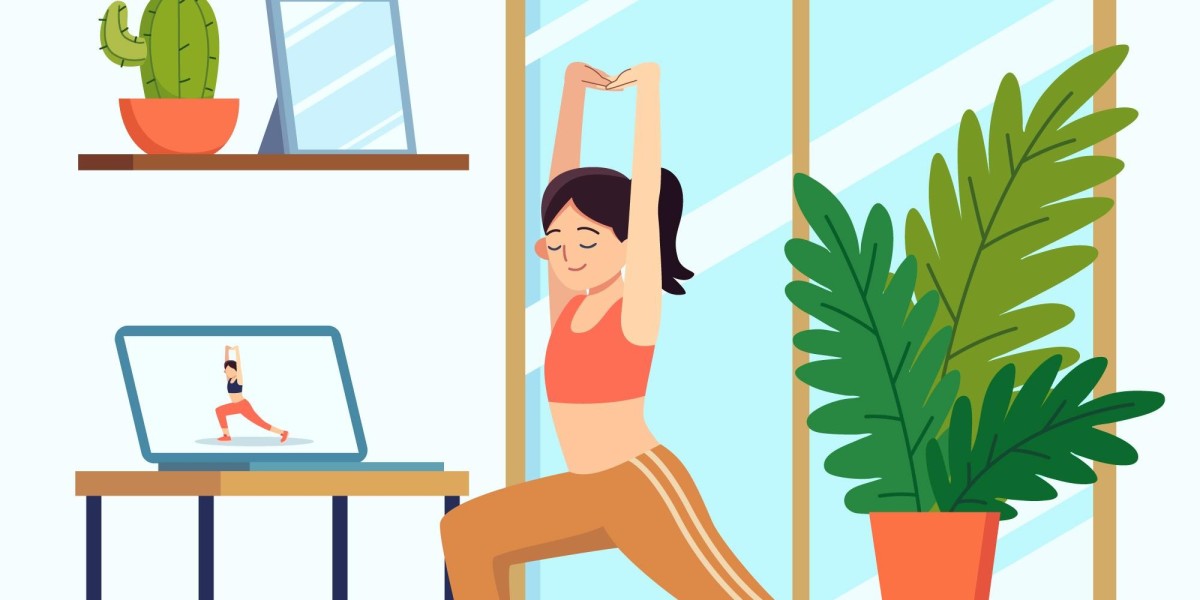
Exercise is a proven stress reliever. Daily walks, bike rides, or even short bursts of movement can reduce anger levels. Physical activity helps release tension and improves mood.
5. Recognize Your Triggers
Identify situations, people, or patterns that consistently make you angry. Awareness allows you to anticipate and manage your reactions. For example, taking public transportation instead of driving in traffic or setting boundaries at home can reduce frequent irritations.
6. Stop and Listen
During conflicts, pausing to listen before responding prevents escalation. Take a step back if needed, think carefully, and respond calmly. Active listening can prevent misunderstandings and reduce tension.
7. Cognitive Restructuring
Anger often magnifies problems. Challenge negative thoughts and replace extreme language like “never” or “always” with balanced, realistic statements. Reframing your perspective helps reduce emotional intensity.
8. Avoid Rumination
Dwelling on anger prolongs its effects. Instead of rehashing situations, focus on positive aspects or solutions. Moving past triggers helps restore mental calm and prevent repeated conflicts.
9. Listen to Your Body
Pay attention to physical signs of anger such as increased heart rate, rapid breathing, or tense muscles. Recognizing these early allows you to step away or use relaxation techniques before anger escalates.
Conclusion: Transform Anger into Growth
Anger management is not about suppressing emotions—it’s about channeling them constructively. By practicing techniques like deep breathing, exercise, visualization, and cognitive restructuring, you can reduce stress, improve relationships, and enhance your overall well-being.
Remember, anger is a signal that something needs attention. Instead of letting it control you, use it as a guide to understand yourself better and make positive changes. With consistency, awareness, and patience, anyone can turn anger into a tool for personal growth and emotional resilience.
advertisement
Frequently Asked Questions (FAQ)
Q1: Can anger management exercises really reduce stress?
Yes. Techniques like deep breathing, exercise, and visualization have been shown to lower stress hormones and improve mood.
Q2: How long does it take to see results from anger management?
Results vary, but consistent practice over weeks or months usually leads to noticeable improvements in emotional control and relationships.
Q3: Is professional help needed for anger management?
Some people benefit from therapy, especially if anger is frequent, intense, or linked to trauma. A mental health professional can provide tailored strategies.
Q4: Can lifestyle changes help with anger management?
Absolutely. Adequate sleep, regular exercise, healthy eating, and mindfulness practices all contribute to reduced anger and improved mental health.
Q5: Are there any online resources for anger management?
Yes. Reliable websites, articles, and guided exercises can help you learn strategies, track progress, and access professional support.
Sources
Healthline – Anger management exercises to stay calm
https://www.healthline.com/health/anger-management-exercises
Thank you !