
The Moon Explained: Fascinating Facts, Hidden Dangers, and Humanity’s Giant Leap
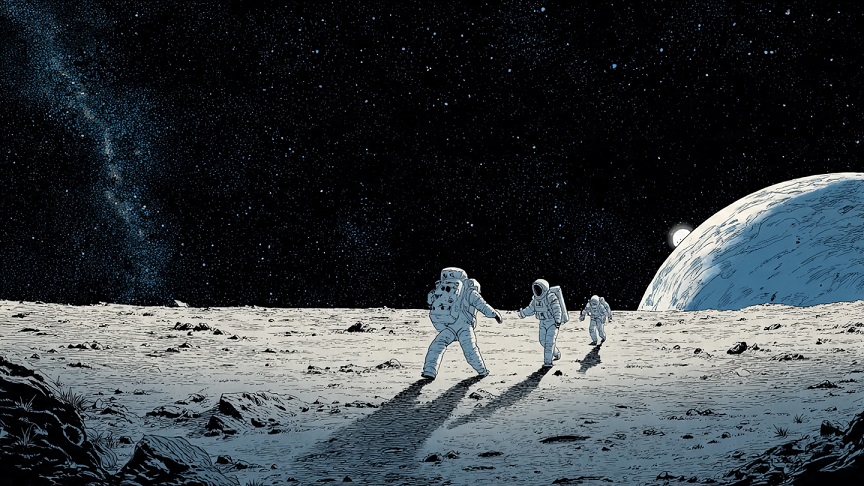
• Humans didn’t just walk on the Moon — they struggled to stand
• The Moon is alive with quakes, drifting away from Earth every year
• Our lunar neighbor is both a scientific treasure and a human time capsule
advertisement
Introduction: The Moon as Humanity’s Most Familiar Mystery
The Moon has shaped Earth’s tides, calendars, and imagination for millennia, yet it remains one of the most surprising worlds humans have ever explored. From the historic Apollo landings to modern scientific discoveries, our natural satellite is far more dynamic, dangerous, and fascinating than its calm glow suggests. With no atmosphere, extreme temperatures, seismic activity, and even hazardous dust, the Moon challenges both astronauts and scientists — while continuing to reveal clues about Earth’s own origins.
The Moon at a Glance
Earth’s Closest Cosmic Neighbor
Average distance from Earth: about 238,855 miles
No atmosphere, no weather, extreme temperatures
Central to human exploration beyond Earth
Key to understanding planetary formation
Walking on the Moon: A Surprising Human Challenge
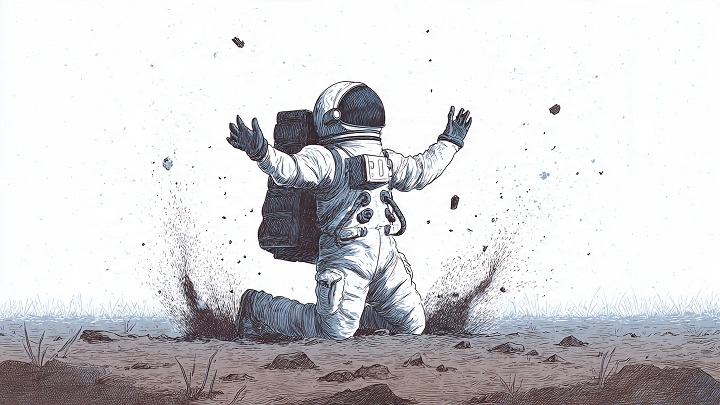
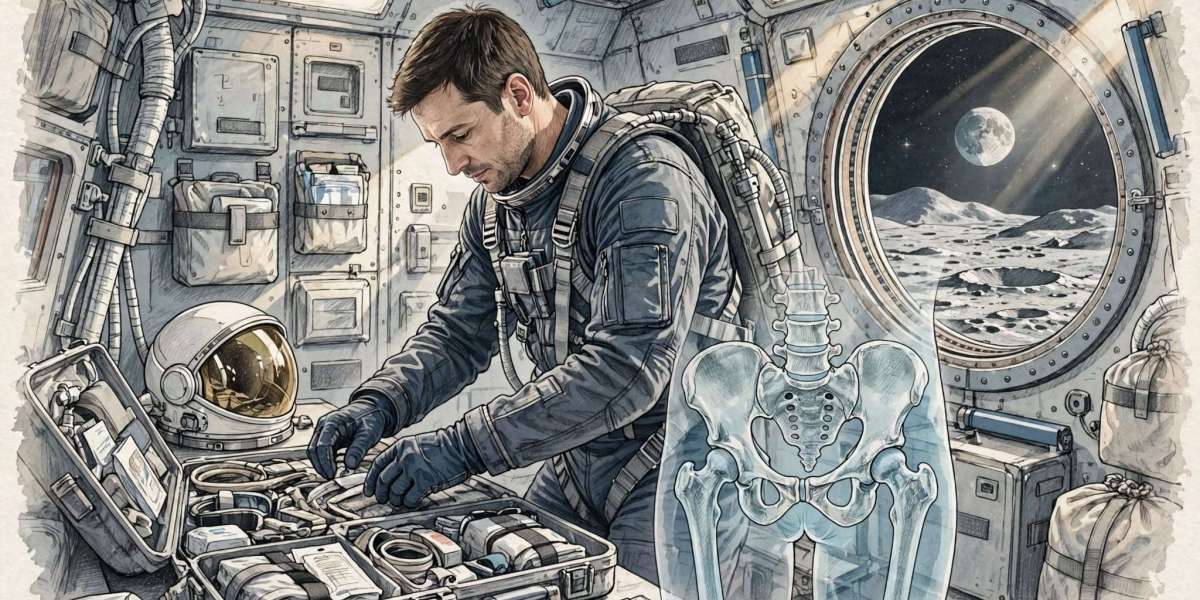
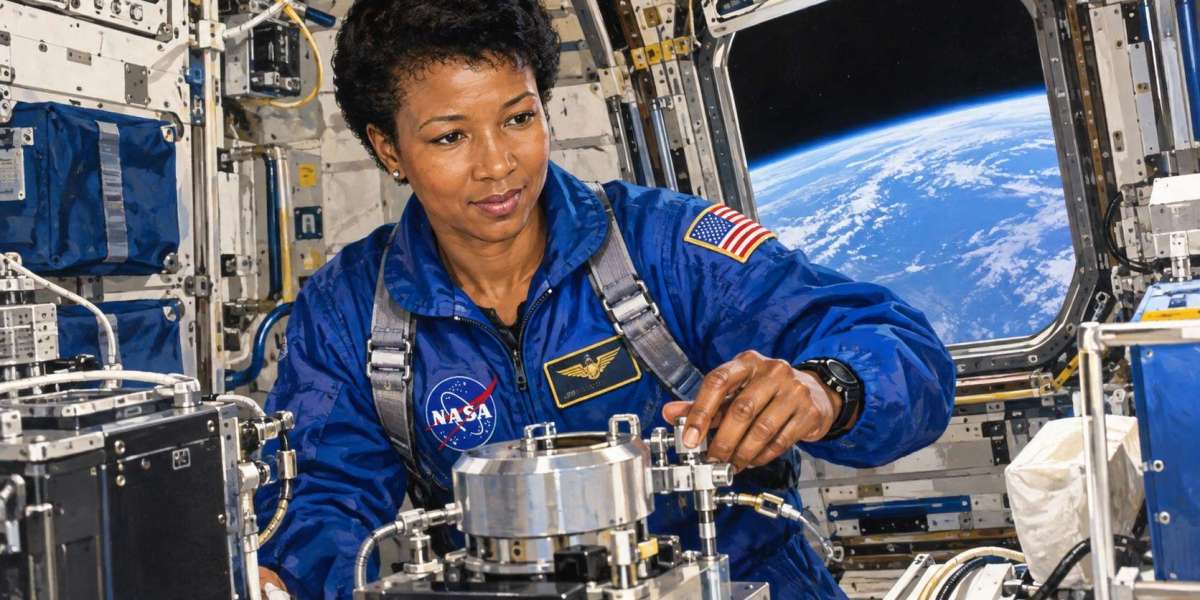
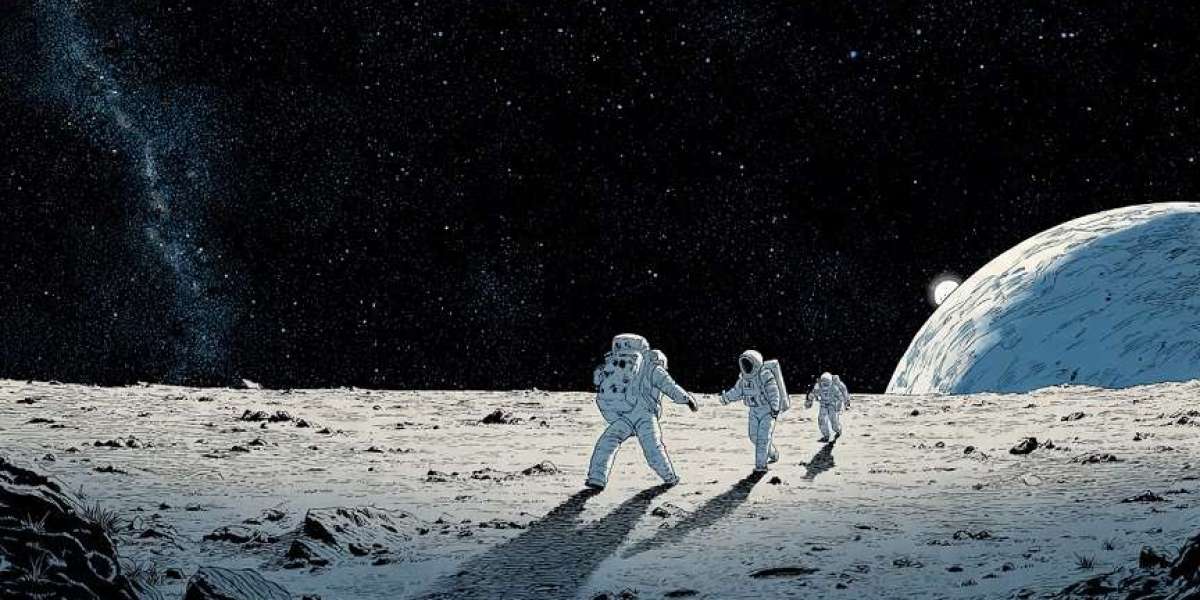
When Neil Armstrong took his famous first step in 1969, the world witnessed a triumph of science and engineering. What most viewers didn’t see were the many falls, stumbles, and awkward recoveries astronauts experienced on the Moon’s low-gravity surface. According to NASA footage later shared publicly, walking on the Moon was far harder than expected. The combination of bulky spacesuits, unfamiliar gravity, and a powdery surface caused astronauts to lose balance frequently — sometimes dangerously. During Apollo 16, astronaut Charlie Duke fell backward onto his life-support backpack, a moment that could have been fatal if the equipment had cracked. Some falls were intentional experiments designed to study human movement in lunar gravity, providing critical data for future missions. These moments, humorous on the surface, revealed just how alien the Moon truly is for the human body.
Astronaut Life on the Lunar Surface
Low Gravity, High Risk
Gravity is about one-sixth of Earth’s
Spacesuits limit movement and balance
Falls could threaten life-support systems
Data from Apollo missions still guides NASA
A Living Moon: Quakes, Movement, and Extreme Conditions
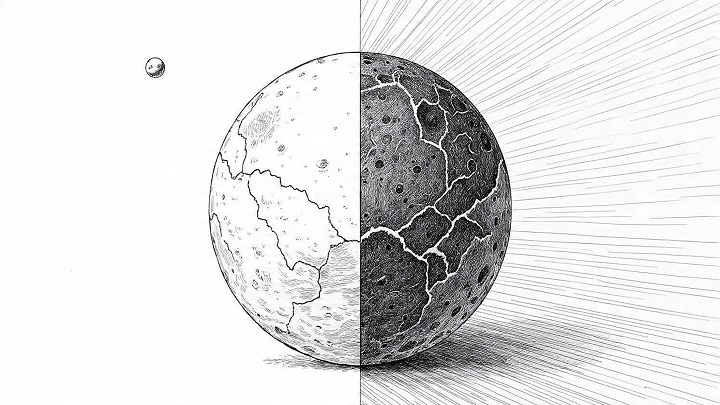
Though it appears still and silent, the Moon is geologically active. Instruments left behind by Apollo astronauts recorded more than 13,000 moonquakes, some strong enough to reach magnitude five. Scientists believe these tremors occur because the Moon is slowly shrinking as its interior cools, causing the brittle crust to crack and form thrust faults. At the same time, the Moon is gradually drifting away from Earth by about an inch each year due to energy transferred from Earth’s rotation. Temperature extremes further define the lunar environment, ranging from blistering heat above 250°F to bone-chilling lows below -400°F in permanently shadowed craters.
A Dynamic Lunar World
Not as Quiet as It Looks
Over 13,000 moonquakes recorded
Shrinking interior causes surface fractures
Drifting away from Earth annually
Some of the coldest temperatures in the solar system
Moon Dust, Human Footprints, and Lingering Hazards
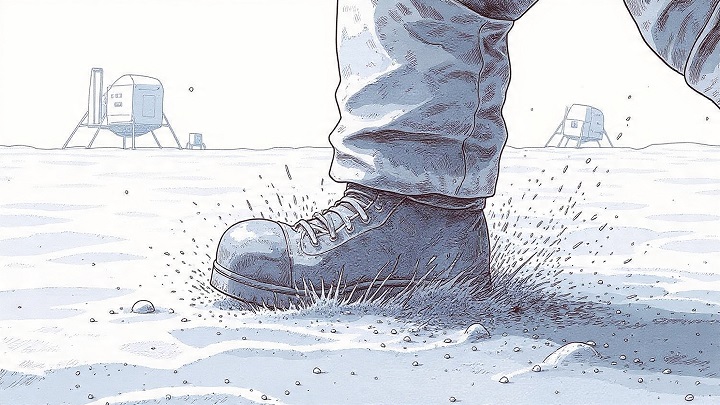
Lunar dust may look harmless, but it is one of the Moon’s greatest dangers. Sharp, abrasive, and electrostatically charged, it clogged equipment, damaged suits, and posed health risks during Apollo missions. Unlike Earth’s dust, it hasn’t been softened by wind or water. As NASA prepares for Artemis missions, controlling lunar dust is a top priority. The Moon also serves as a museum of human exploration: bags of human waste, golf balls hit by astronaut Alan Shepard, a feather-and-hammer experiment proving Galileo’s theories, and even the ashes of astronomer Eugene Shoemaker remain on its surface. These artifacts quietly mark humanity’s earliest steps beyond Earth.
Hazards and Human History
Dust, Danger, and Discovery
Dust can damage lungs and machinery
No natural erosion makes particles razor-sharp
Human artifacts remain preserved indefinitely
Future missions must solve the dust problem
The Moon and Earth: A Shared Violent Past
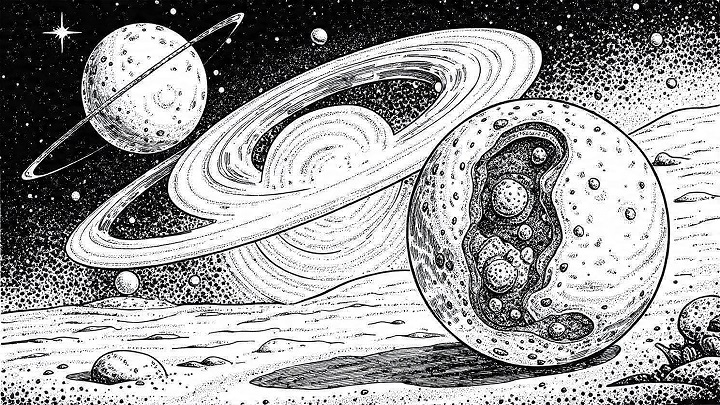
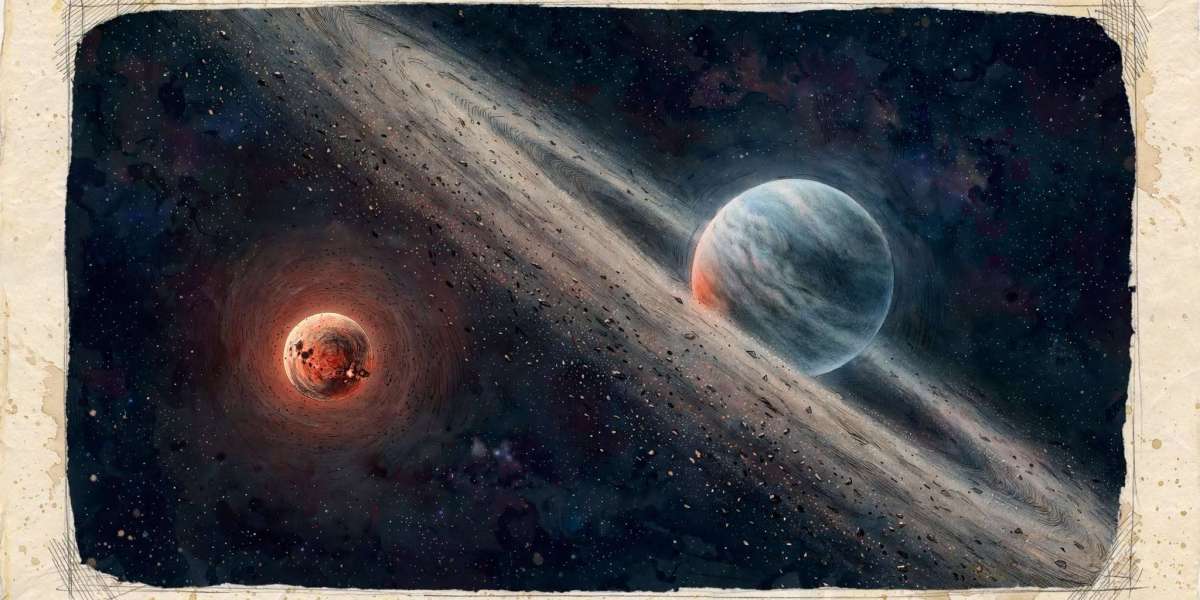
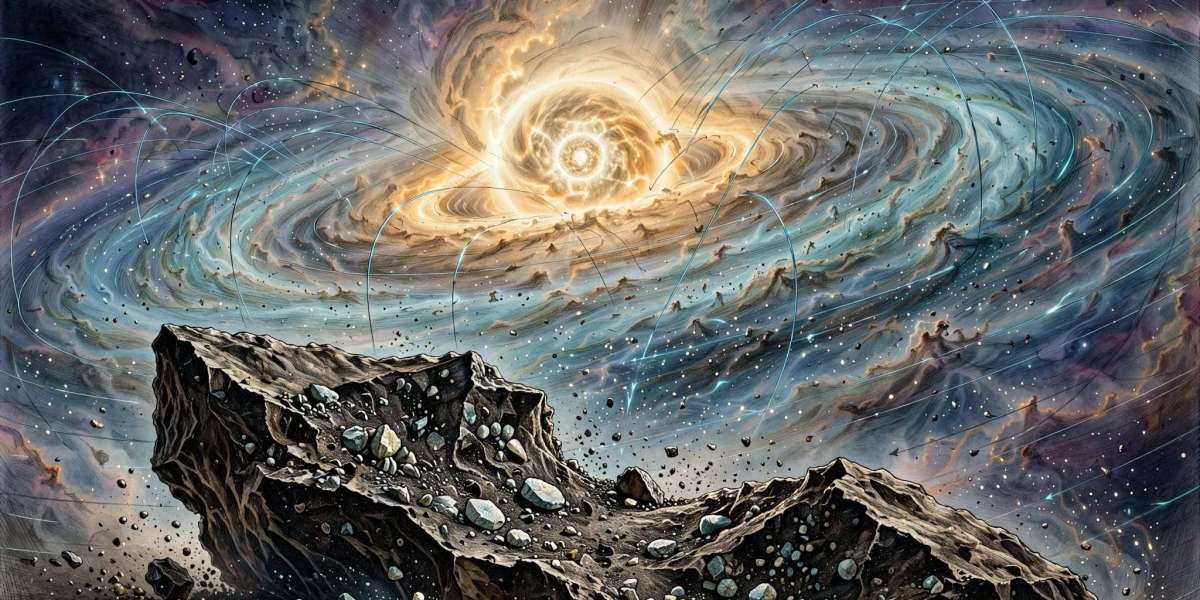
Scientific evidence suggests the Moon was born from a catastrophic collision between early Earth and a Mars-sized body known as Theia. Some remnants of this ancient impact may still exist deep inside Earth as massive rocky “blobs” unlike surrounding material. Researchers believe these structures are extraterrestrial in origin, linking Earth and Moon more intimately than previously imagined. The Moon is not just a companion in space — it is a surviving fragment of Earth’s own formation story.
Origins of the Moon
Born from Collision
Likely formed after Earth-Theia impact
Some Moon material may exist inside Earth
Helps explain Earth’s structure and history
Key evidence for planetary science
Conclusion: Why the Moon Still Matters
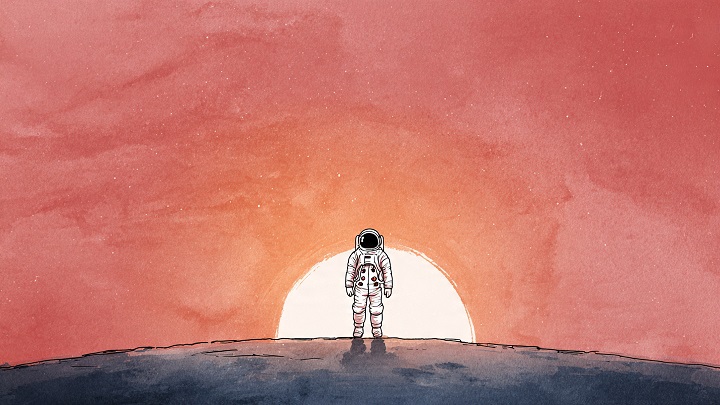
The Moon is more than a pale light in the night sky. It is a record of cosmic violence, a testing ground for human survival, and a stepping stone to deeper space exploration. From unexpected astronaut mishaps to hidden geological activity and clues buried within Earth itself, the Moon continues to challenge assumptions and inspire curiosity. As humanity prepares to return, understanding its dangers and mysteries is not just scientific — it’s essential for the next giant leap.
Key Points Summary
Walking on the Moon is far more difficult and dangerous than it appears
The Moon experiences quakes, extreme temperatures, and gradual orbital change
Lunar dust poses serious risks to humans and technology
Human artifacts remain preserved on the airless surface
The Moon’s origin is deeply connected to Earth’s formation
advertisement
Frequently Asked Questions (FAQ)
Why do astronauts fall so often on the Moon?
Low gravity, bulky spacesuits, and unfamiliar movement mechanics make balance difficult.
Does the Moon really have earthquakes?
Yes, moonquakes occur due to internal cooling and crustal stress.
Is lunar dust dangerous to humans?
Yes, it is sharp, abrasive, and harmful if inhaled.
Why is the Moon moving away from Earth?
Energy transfer from Earth’s rotation slowly pushes the Moon outward.
Will humans return to the Moon?
Yes, NASA’s Artemis program plans sustained lunar exploration.
Sources
Upworthy – Astronaut experiences and challenges of walking on the Moon
https://www.upworthy.com/astronauts-falling-on-the-moon
Mashable Middle East – Scientific facts, dangers, and mysteries of the Moon
https://me.mashable.com/space/35249/fascinating-things-about-the-moon-you-didnt-know
Thank you !