
Why Do We Forget Names? The Science, Psychology, and Simple Truth Behind Name Memory Lapses
♦ Forgetting names is normal, not a sign of poor intelligence or memory decline
♦ Our brains store names differently than other personal details like faces or jobs
♦ Attention, emotion, and mental overload play a bigger role than age alone
advertisement
Introduction
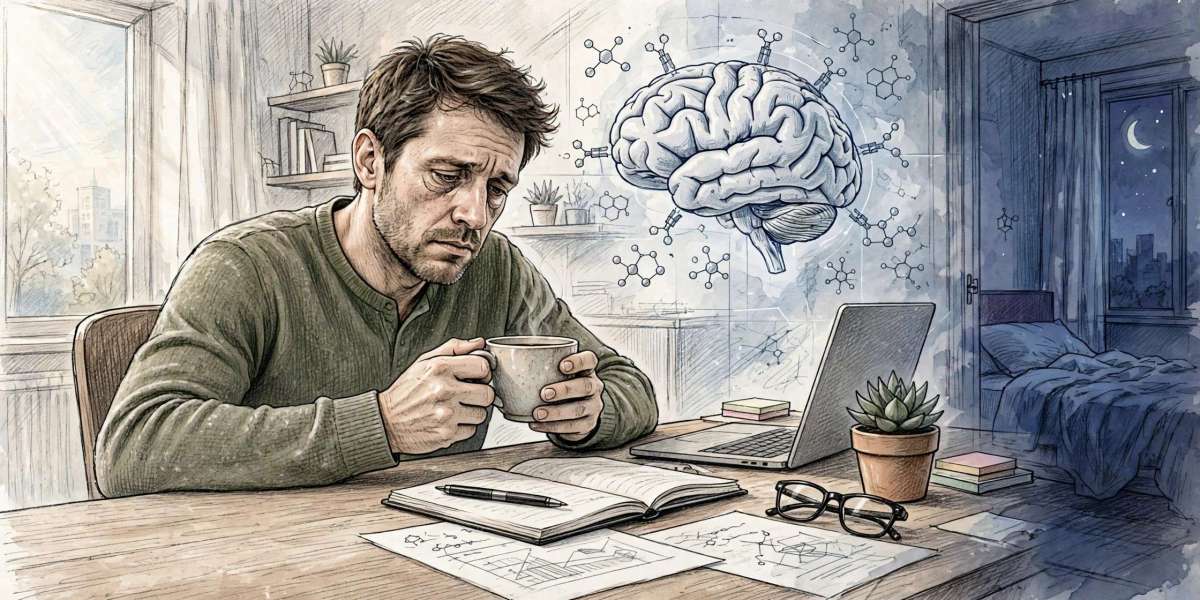
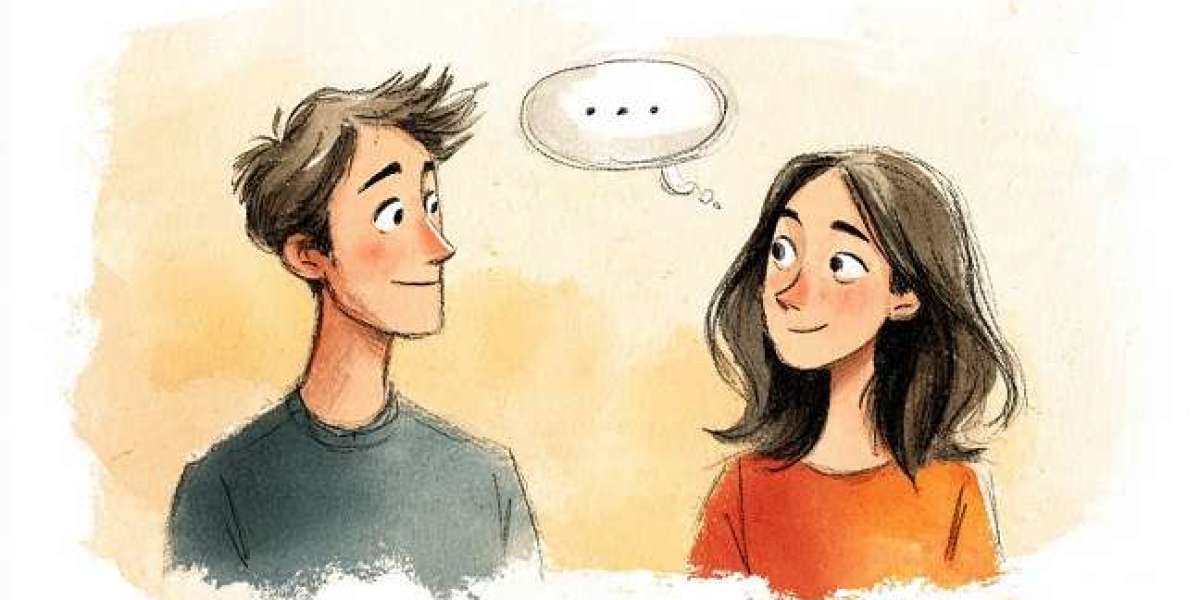
Forgetting someone’s name can feel surprisingly uncomfortable. You recognize the face instantly, remember the conversation, maybe even recall where you met — yet the name refuses to surface. This common experience often triggers embarrassment or quiet worry: Is my memory getting worse? Am I distracted? Is something wrong with my brain?
The reality is far more reassuring. Forgetting names is one of the most universal and well-studied memory lapses in psychology and neuroscience. It happens to students and seniors, professionals and parents, introverts and social butterflies alike. Research shows that name confusion, delayed recall, or even calling someone by the wrong name is not only normal — it’s expected, given how the human brain organizes and retrieves information.
Scientists explain that names are mentally fragile compared to other types of information. Unlike occupations, personality traits, or shared experiences, names often lack meaningful connections that help the brain anchor them. Add in fatigue, multitasking, emotional stress, or divided attention, and name recall becomes even more vulnerable.
By exploring how memory works, how the brain categorizes people, and why names are uniquely difficult to store, we can better understand this everyday cognitive hiccup. More importantly, we can stop blaming ourselves for a perfectly human limitation — and even learn how to improve name recall when it truly matters.
advertisement
How the Brain Stores Names and Why They Slip Away
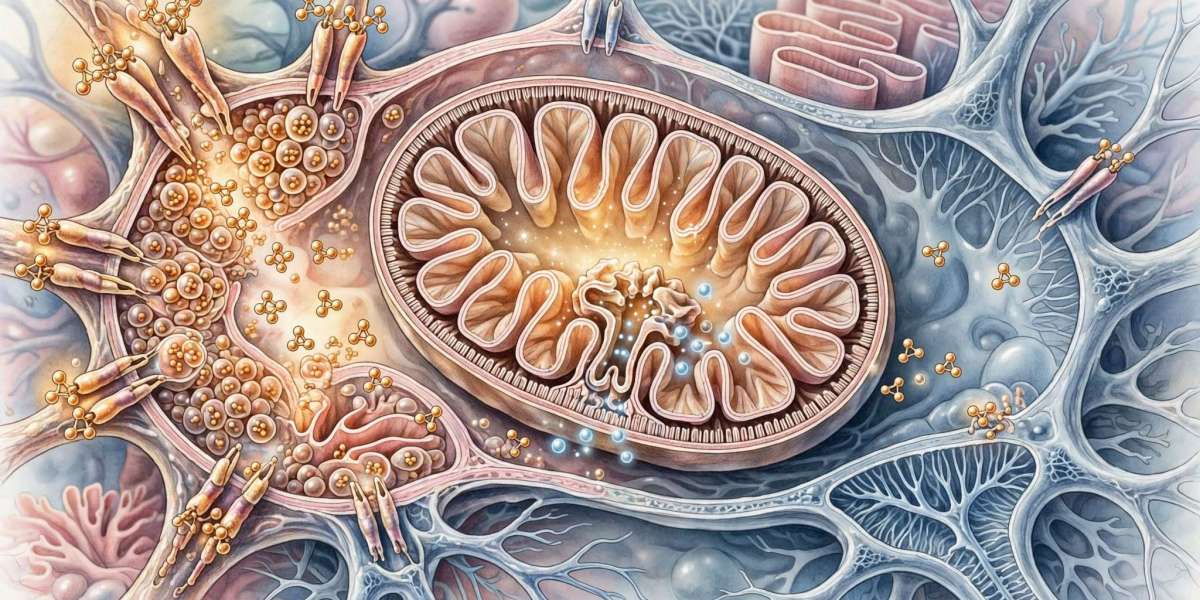
Memory is not a single process but a system involving encoding, storage, and retrieval. When we hear a name, the brain must first encode it, store it, and later retrieve it on demand. According to cognitive researchers, this process is much harder for names than for other personal details because names carry very little descriptive meaning on their own.
Psychologists explain that the brain organizes information in interconnected networks. Family members, close friends, and frequently encountered people are stored in overlapping categories. That’s why parents and grandparents often mix up children’s or grandchildren’s names — the names exist in the same mental folder. Research cited by AARP shows that about half of college students have been called the wrong name by someone familiar, and in most cases, the mistake came from a family member.
The brain also tends to substitute names that sound similar or belong to the same emotional or relational group. This isn’t confusion — it’s efficiency. The brain is retrieving the closest available match under time pressure.
Why Names Are Harder to Remember Than Jobs or Facts
One well-known explanation from cognitive psychology is the Baker/Baker paradox. When someone is introduced as a baker, the brain automatically links the word to images, smells, routines, and existing knowledge. But when “Baker” is presented as a name, it lacks those semantic connections, making it easier to forget.
Researchers note that people are far more likely to remember what someone does than what they’re called. Occupations, stories, and shared experiences are rich in meaning, while names are often arbitrary labels. As a result, name recall is weaker and more dependent on attention during the initial introduction.
advertisement
Attention, Mood, and Mental Overload
Forgetting names often has less to do with memory capacity and more to do with attention. Studies highlighted by Mirage News show that many name failures happen because people are distracted when first hearing the name. Thinking about what to say next, feeling nervous, multitasking, or managing social pressure can all interfere with proper encoding.
Mood also matters. Research cited by AARP indicates that more than 40 percent of naming mistakes occur when the speaker is tired, stressed, frustrated, or emotionally overloaded. In these moments, the brain prioritizes speed and efficiency over precision, increasing the likelihood of verbal slip-ups.
Aging, Name Confusion, and When to Worry
As people age, name-mixing becomes more noticeable — but not because memory is failing. Neurologists explain that older adults simply have more names stored in memory, which increases the chance of overlap. Normal aging also slightly reduces the brain’s ability to suppress competing words during retrieval, making verbal mix-ups more frequent.
Experts emphasize that forgetting a name is only concerning if the person cannot be recognized at all, even with prompts. Delayed recall or sudden recognition later is considered normal. In fact, the brain often continues searching subconsciously, which is why forgotten names frequently resurface unexpectedly.
In rare cases, name recall problems may be linked to conditions such as prosopagnosia, a disorder affecting facial recognition. However, this is uncommon and unrelated to everyday forgetfulness.
How to Improve Name Recall
Although forgetting names is natural, psychologists suggest simple strategies to improve recall. Repeating the name during conversation strengthens encoding. Creating associations, visual imagery, or linking the name to a distinctive feature provides semantic hooks. Most importantly, slowing down and paying deliberate attention during introductions can dramatically improve memory performance.
Conclusion: Forgetting Names Is Human, Not a Flaw
Forgetting names is not a personal failure or a warning sign of cognitive decline. It is a reflection of how the brain prioritizes meaning, emotion, and efficiency over labels. Names are uniquely fragile memories, easily disrupted by distraction, stress, or mental overload.
Understanding why this happens allows us to replace embarrassment with self-compassion. The same brain that occasionally fumbles a name is capable of remarkable adaptability, creativity, and emotional depth. By working with our cognitive wiring — rather than against it — we can improve recall when needed and let go of unnecessary worry when names slip away.
Key Points
Names are harder to remember because they lack meaningful associations
Stress, multitasking, and fatigue strongly affect name recall
Mixing up names is common and not a sign of dementia
advertisement
Frequently Asked Questions (FAQ)
Is forgetting names a sign of memory loss?
No. Occasional name forgetting is normal and not linked to dementia or serious memory problems.
Why do I remember faces but not names?
Faces are processed visually and emotionally, while names are abstract labels with fewer mental connections.
Does age make name memory worse?
Aging increases name confusion mainly because more names are stored, not because memory is failing.
Can multitasking cause name forgetting?
Yes. Divided attention during introductions is one of the main reasons names aren’t properly encoded.
Can I train myself to remember names better?
Yes. Repetition, association, imagery, and focused attention significantly improve name recall.
Sources
AARP – Research-based explanation of name confusion, aging, and memory
https://www.aarp.org/health/conditions-treatments/why-do-we-forget-names/Mirage News – Overview of psychological and neuroscientific reasons behind forgetting names
https://www.miragenews.com/forget-me-not-science-behind-why-we-forget-names-1010560/
Thank you !