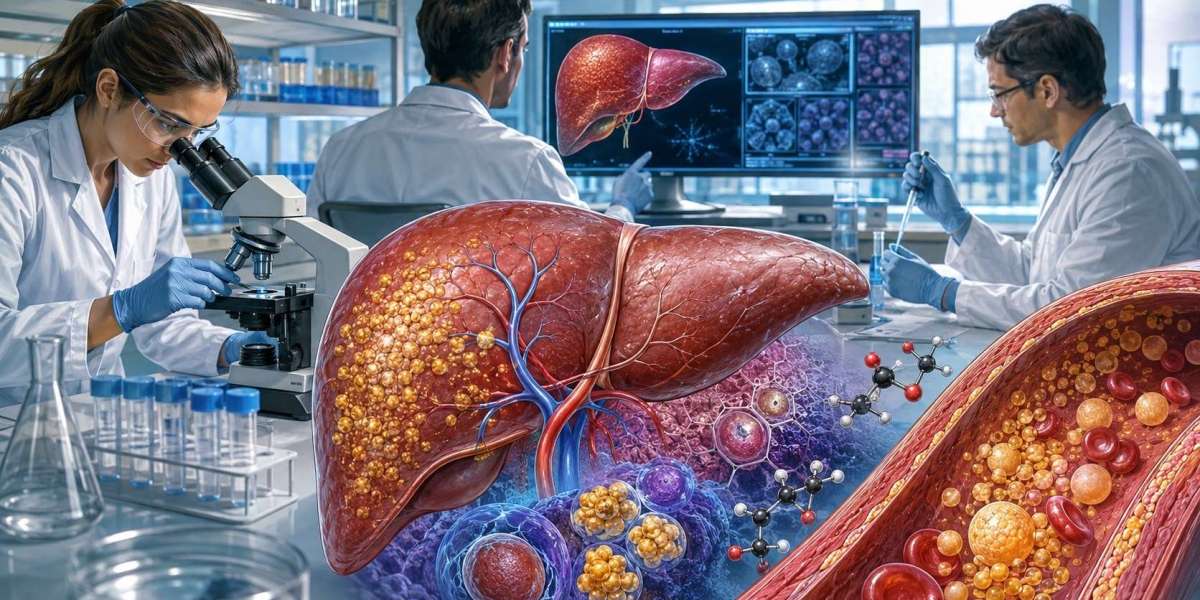

Breakthrough Pancreatic Cancer Study Shows Tumour Regression and Signals a Turning Point for 2026
Key Takeaways at a Glance
Scientists achieved full pancreatic tumour regression in animal models using a triple-drug strategy
KRAS-targeted therapies and precision medicine are rapidly reshaping pancreatic cancer research
Despite grim survival rates, 2026 marks a year of accelerating innovation and cautious optimism
advertisement
Pancreatic Cancer Research Reaches a Critical Milestone
A groundbreaking study published in early 2026 has reignited global optimism in the fight against pancreatic cancer, one of the deadliest and most treatment-resistant malignancies worldwide.
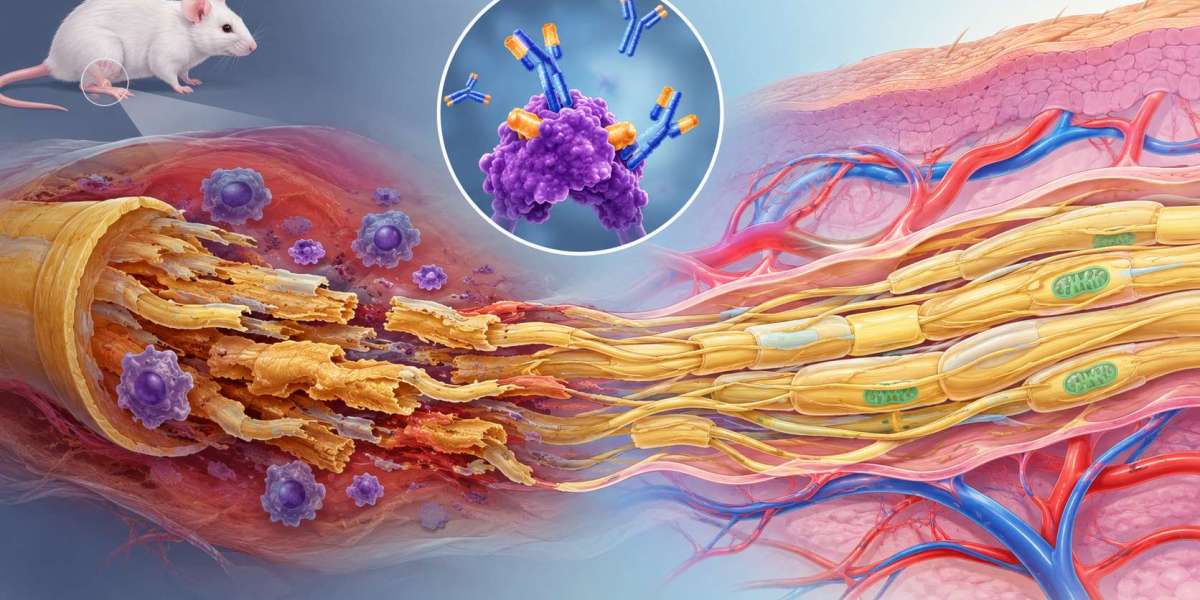
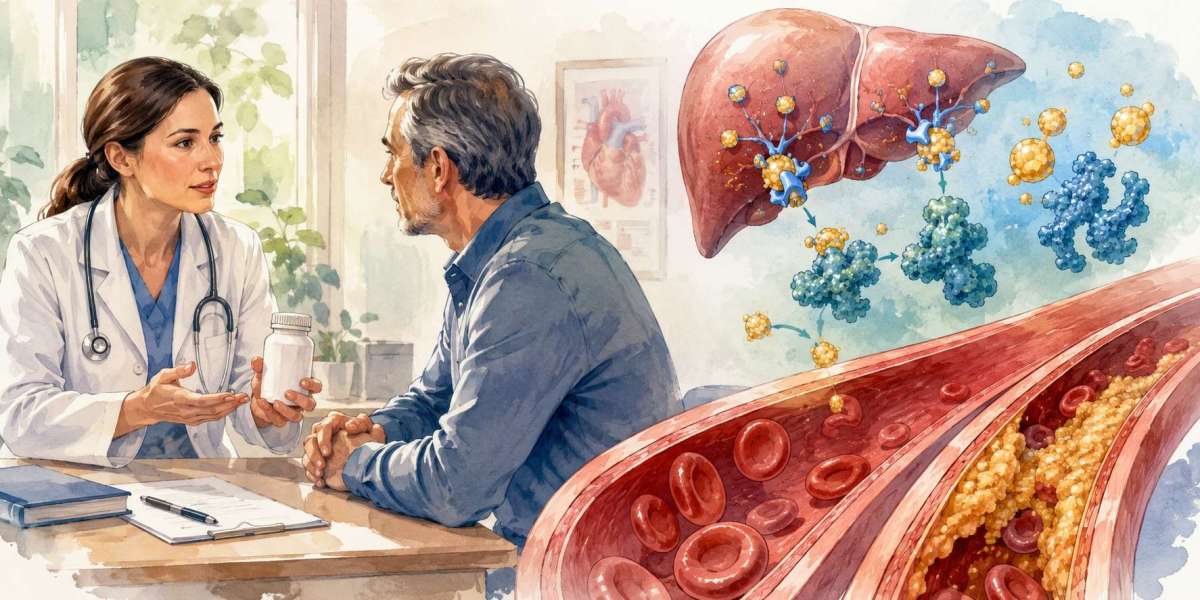
Researchers from Spain’s National Cancer Research Centre (CNIO) reported that a novel triple combination therapy successfully eliminated pancreatic tumours in mice and prevented their recurrence by simultaneously targeting three critical points in the KRAS oncogene pathway, a mutation long known to drive pancreatic ductal adenocarcinoma and resist single-agent treatments.
The findings, published in the journal PNAS, demonstrated durable tumour regression without significant side effects across three animal models, offering a promising strategy to overcome treatment resistance that has historically limited patient survival to less than 10 percent in some regions.
While the researchers emphasized that the therapy is not yet ready for human clinical trials due to the complexity of optimizing drug combinations for patients, they believe the results establish a clear direction for future studies and combination-based treatment designs. This scientific breakthrough arrives against a sobering backdrop: pancreatic cancer remains the deadliest major cancer, with a five-year survival rate stalled at approximately 13 percent in the United States and tens of thousands of new diagnoses expected in 2026 alone.
Yet momentum is building across the research landscape, as highlighted by the Pancreatic Cancer Action Network (PanCAN), with advances in early detection, precision medicine, artificial intelligence-driven treatment selection, and innovative clinical trial designs gaining traction.
Recent oncology conferences have underscored growing interest in KRAS and RAS inhibitors, PRMT5 targeting for MTAP-deleted tumors, and novel multidisciplinary approaches such as tumor treating fields, irreversible electroporation, and histotripsy, while increased federal funding commitments in the U.S. and renewed global collaboration are helping accelerate progress.
Together, these developments suggest that while pancreatic cancer remains an immense clinical challenge, the convergence of molecular science, technology, and sustained advocacy may finally be shifting the trajectory toward longer survival, more personalized care, and tangible hope for patients and families worldwide.
Why This Breakthrough Matters
First study to show complete tumour regression using triple KRAS-pathway targeting
Addresses treatment resistance, a major cause of pancreatic cancer mortality
Aligns with global momentum toward precision medicine and combination therapies
Reinforces optimism despite persistently low survival statistics
advertisement
Conclusion: From Resistance to Resilience
The 2026 pancreatic cancer research landscape reflects a pivotal transition from isolated scientific advances to an interconnected, strategy-driven effort to outmaneuver one of medicine’s toughest adversaries. While caution remains essential as laboratory successes move toward clinical application, the convergence of KRAS-focused therapies, smarter clinical trials, AI-powered decision tools, and historic research funding signals a future where pancreatic cancer may no longer be synonymous with limited options. This breakthrough study does not represent an endpoint, but rather a powerful inflection point—one that transforms long-standing scientific barriers into pathways for progress and renews hope that meaningful survival gains are finally within reach.
Key Points Summary
Triple-drug therapy eliminated pancreatic tumours in animal models
Resistance to treatment may be overcome through combination targeting
Survival rates remain low, but innovation is accelerating globally
Precision medicine and KRAS inhibitors are central to future therapies
advertisement
Frequently Asked Questions (FAQ)
What makes pancreatic cancer so difficult to treat?
Pancreatic cancer rapidly develops resistance to therapies and is often diagnosed at advanced stages.
What is the KRAS oncogene and why is it important?
KRAS mutations drive tumour growth in most pancreatic cancers and have historically been hard to target effectively.
Has this triple therapy been tested in humans?
No, the therapy has only been tested in animal models, and researchers caution that clinical trials will require further optimization.
Why is 2026 considered a pivotal year for pancreatic cancer research?
Advances in targeted therapies, AI, clinical trial design, and increased funding are converging to accelerate progress.
How can patients access emerging treatments?
Patients are encouraged to discuss biomarker testing and clinical trial options with their healthcare teams.
Sources
- Euronews – Coverage of the CNIO triple therapy study showing pancreatic tumour regression in animal models
https://www.euronews.com/health/2026/01/28/scientists-achieve-pancreatic-tumour-regression-in-breakthrough-study - Pancreatic Cancer Action Network (PanCAN) – Overview of pancreatic cancer statistics, research progress, and outlook for 2026
https://pancan.org/news/research-spotlight/research-spotlight-a-look-ahead-at-pancreatic-cancer-in-2026/
Thank you !