
Children and Social Media: Navigating Safety, Privacy, and Digital Growth

Governments worldwide are debating age limits for social media to protect children from harm.
Experts warn that strict bans may reduce risks on mainstream platforms but increase exposure elsewhere.
Balancing child safety, privacy, and freedom online is the central challenge for policymakers.
advertisement
Introduction
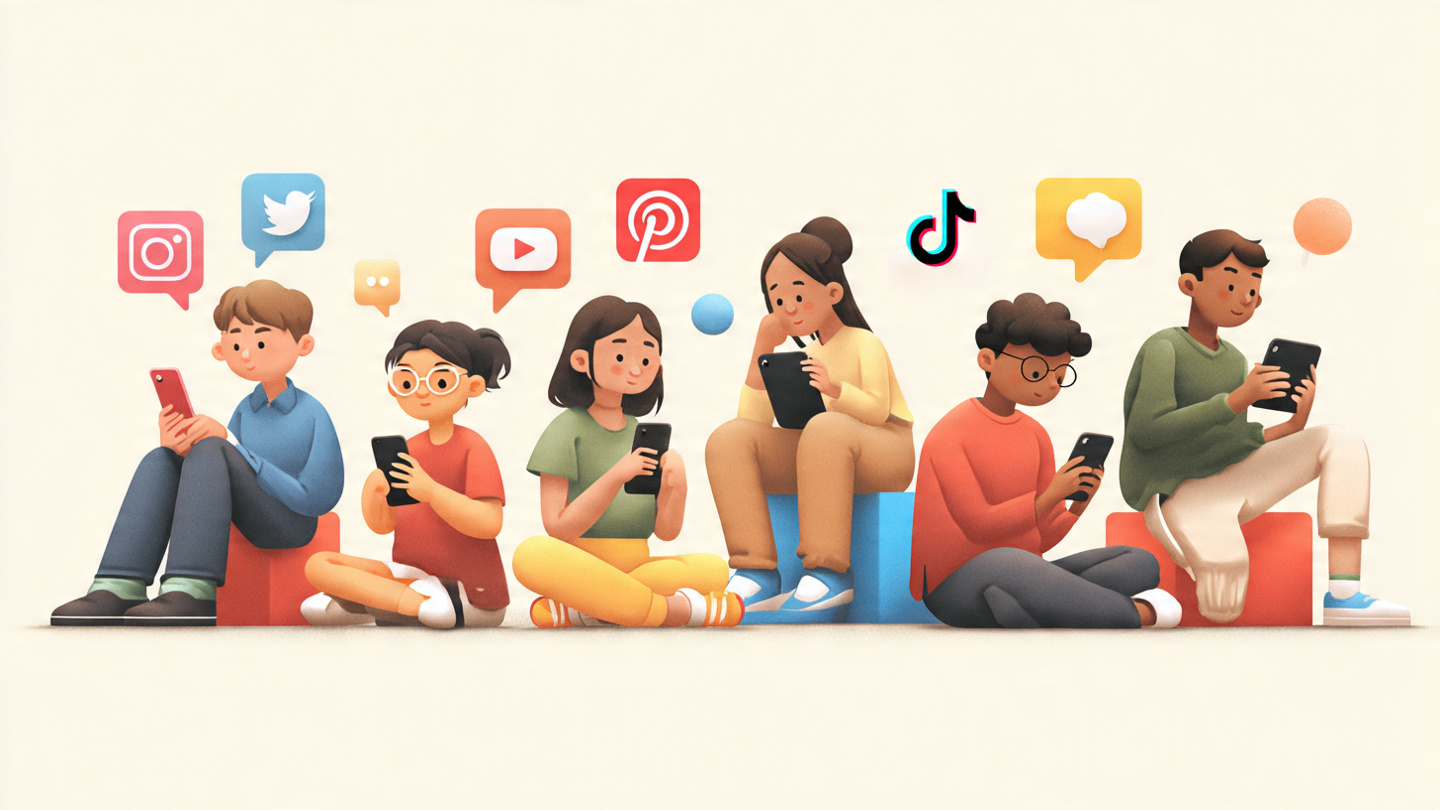
As social media becomes a daily part of life, children are increasingly exposed to platforms designed for endless engagement. From Australia to Europe, governments are considering strict age limits to protect minors from cyberbullying, harmful content, and digital addiction. At the same time, experts caution that bans may be difficult to enforce, threaten privacy, and push children toward less-regulated corners of the internet. Understanding these debates is crucial for parents, educators, and policymakers navigating the complex digital world.
Global Trends in Social Media Age Limits
In Australia, the Online Safety Amendment (Social Media Minimum Age) Act 2024 made it illegal for children under 16 to hold accounts on major platforms like Instagram, TikTok, and YouTube. The law requires platforms to implement age verification, with substantial fines for non-compliance. Millions of accounts have already been deactivated, prompting questions about enforcement, privacy, and platform responsibility (Lawyers in Cyprus, 2026; CEPA, 2026).
Europe is following suit. France recently approved legislation banning social media for children under 15, while Spain, Greece, Denmark, Slovenia, and Germany are debating similar laws, with minimum ages ranging from 15 to 16. Many proposals include parental consent frameworks for children between 13 and 16, along with strict age-verification systems and content moderation standards to protect minors (The Next Web, 2026; The Respondents, 2026).
advertisement
Arguments for Age Restrictions
Proponents of social media bans highlight several risks:
Mental Health and Development: Early exposure to social media has been linked to anxiety, depression, and addiction-like behaviors (Lawyers in Cyprus, 2026).
Cyberbullying and Harmful Content: Children are vulnerable to harassment, explicit content, and online scams (The Next Web, 2026).
Digital Literacy Gaps: Younger users may lack the skills to critically assess online information or protect personal data.
Countries like France and Australia frame age restrictions as part of broader mental health and digital safety strategies, combining regulation with educational initiatives and parental guidance (Lawyers in Cyprus, 2026).
Critiques and Challenges
Despite good intentions, social media bans raise concerns:
Enforcement Difficulties: Age verification is technically complex and may involve sensitive data collection, increasing privacy risks (CEPA, 2026; The Next Web, 2026).
Displacement Risk: Teenagers may migrate to smaller, unregulated platforms, potentially facing even greater exposure to harm (CEPA, 2026).
Inequality: Access to age verification often depends on passports, smartphones, or stable connectivity, creating barriers for marginalized groups (CEPA, 2026).
Market Imbalances: Strict regulations favor large platforms with compliance resources, potentially reducing competition and innovation (CEPA, 2026).
Experts argue that focusing on how platforms amplify content and design addictive feeds, rather than solely on banning accounts, may better mitigate harm. The European Digital Services Act (DSA) emphasizes risk assessments, platform changes, and regulatory oversight without relying exclusively on large-scale identity verification (CEPA, 2026).
Global Implications
While Australia’s ban is the first national law of its kind, Europe’s cumulative approach—including proposals in Spain, France, and the UK—signals a global shift in how governments view digital safety for minors. Policymakers are balancing freedom of expression, privacy, and the need to protect children, often under scrutiny from tech leaders and civil society (The Next Web, 2026; The Respondents, 2026).
Conclusion
The debate over children and social media highlights a broader societal question: how can we equip young people to thrive online while minimizing risks to their safety and well-being? Solutions will require collaboration between governments, tech platforms, educators, and families. Age limits, digital literacy education, parental guidance, and responsible platform design must work in harmony to create a safer, more empowering online world for children. By focusing on education, prevention, and innovation, societies can guide youth toward a positive digital future while preserving privacy, equity, and freedom of expression.
Key Points Summary:
Social media age restrictions are expanding worldwide, from Australia to Europe.
Experts warn strict bans can shift risk rather than reduce it.
Balance between child safety, privacy, and freedom is critical.
Age verification systems raise privacy and equity concerns.
Digital literacy and parental guidance remain essential.
advertisement
Frequently Asked Questions (FAQ):
Q1: What is the minimum age for social media in Australia?
A1: Australia’s Online Safety Amendment Act bans children under 16 from having accounts on major platforms, with some exceptions for educational tools like YouTube Kids.
Q2: Are social media bans effective at protecting children?
A2: Bans reduce exposure on major platforms but may push teens to smaller, less-regulated sites. Combining regulation with education and parental controls is more effective.
Q3: How do age verification systems affect privacy?
A3: Age checks often require sensitive data, like IDs or biometrics, which can raise privacy concerns if not properly safeguarded.
Q4: Are European countries considering similar laws?
A4: Yes. France, Spain, Greece, Denmark, Slovenia, Germany, and the UK are debating age limits ranging from 15 to 16, often with parental consent frameworks.
Q5: What role does digital literacy play in protecting children?
A5: Teaching children critical thinking, safe browsing habits, and online etiquette helps them navigate social media more safely than bans alone.
Top 10 SEO Tags/Keywords:
children social media, social media age limit, online safety for kids, digital parenting, teen social media use, cyberbullying prevention, social media regulation, digital literacy for children, privacy and social media, social media laws Europe
Sources
Lawyers in Cyprus – Analysis of social media age bans in France, Australia, and Cyprus
https://www.lawyersincyprus.com/should-children-be-banned-from-social-media/CEPA – Critique of social media bans and discussion of privacy and enforcement risks
https://cepa.org/article/social-media-bans-fail-to-protect-children/The Respondents – Reporting on Spain and Greece’s social media proposals
https://www.therespondents.co.tz/2026/02/spain-greece-push-for-teen-social-media.htmlThe Next Web – Overview of Europe’s social media age regulations and potential consequences
https://thenextweb.com/news/europes-social-media-age-shift
Thank you !