
Eagle Syndrome: Causes, Symptoms, and Effective Treatments for Chronic Throat and Neck Pain
Key Points:
Eagle syndrome is a rare condition caused by an elongated styloid process or calcified stylohyoid ligament.
Pain can radiate through the throat, neck, and face, often triggered by swallowing or head movement.
Ultrasound-guided nerve blocks offer a safe, effective, and minimally invasive treatment option.
advertisement
Introduction
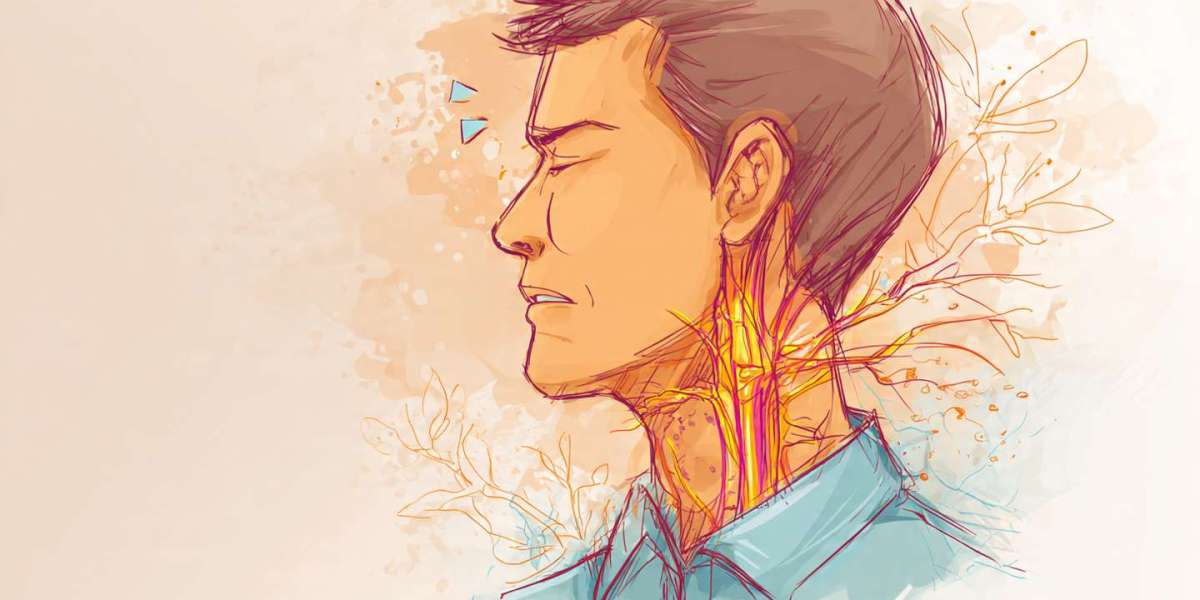
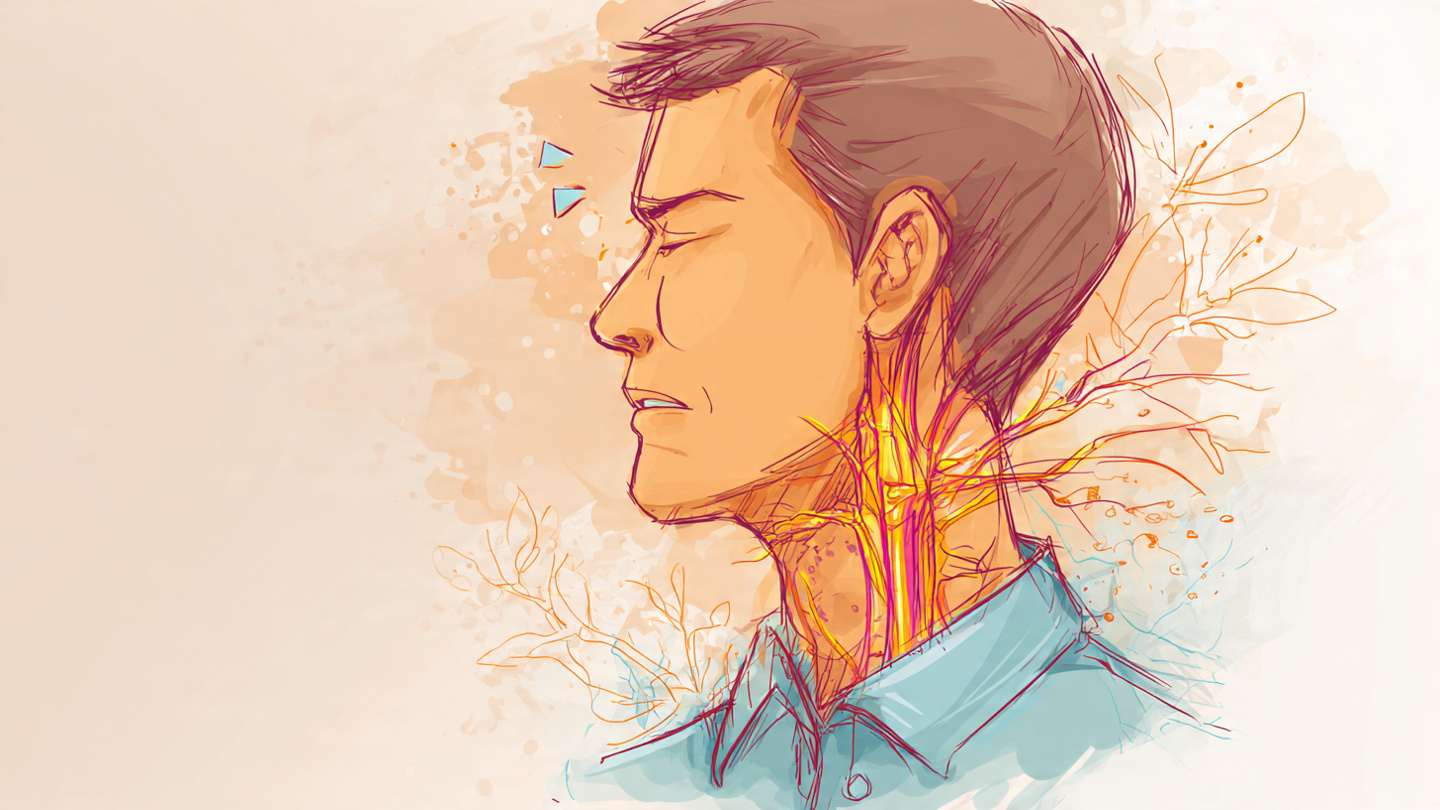
Eagle syndrome is a rare form of glossopharyngeal neuralgia that can severely impact quality of life. Most often seen in older adults, particularly women, it results from an elongated styloid process or calcification of the stylohyoid ligament. This abnormal anatomy can irritate nearby cranial nerves, causing sharp, burning, or electric shock-like pain in the throat, neck, or face. Symptoms can also include headaches, a sensation of a foreign body in the throat, dysphagia, and pain triggered by swallowing or coughing.
Diagnosing Eagle syndrome is often challenging because its symptoms overlap with other types of facial and neck pain. A 3-D CT scan is typically recommended to confirm an elongated styloid process and assess its relation to surrounding structures. Although medications such as anticonvulsants are commonly used first, many patients experience only partial or temporary relief, which can prolong discomfort. For those with persistent or recurring symptoms, interventional treatments such as glossopharyngeal nerve blocks provide a practical and effective alternative.
Understanding Eagle Syndrome
First described by Dr. Watt Eagle in 1937, Eagle syndrome is most frequently diagnosed in women in their sixth decade of life. Potential contributing factors include endocrine changes at menopause, trauma, or chronic conditions like end-stage renal disease that may lead to ligament calcification. Pain occurs along the distribution of the glossopharyngeal and vagus nerves and may radiate to the eye, nose, chin, or shoulder. In some cases, vagal symptoms such as cough, hoarseness, fainting, or slow heart rate may also be present.
advertisement
Treatment Options
Conservative treatment usually begins with medications like carbamazepine or oxcarbazepine. NSAIDs can help reduce localized inflammation and pain. However, side effects or limited effectiveness often lead patients to seek alternative options. Surgical shortening or resection of the styloid process is considered definitive treatment but carries risks, including damage to nearby vessels and nerves, cosmetic concerns, and a lengthy recovery period.
For patients who cannot undergo surgery or require repeated interventions, office-based ultrasound-guided glossopharyngeal nerve blocks have emerged as a safe, cost-effective solution. These procedures allow for precise delivery of anesthetic and anti-inflammatory agents directly to the affected nerves. Real-time imaging improves accuracy, minimizes complications, and can provide significant relief for months at a time. Case reports have demonstrated success even with repeated blocks over time, highlighting their utility in long-term pain management, particularly in resource-limited settings.
Case Highlight
A 65-year-old woman with chronic, left-sided submandibular and neck pain illustrates the practical benefits of this approach. Her pain, sharp and electric shock-like, was initially managed with medications, but relief was limited. After repeated office-based ultrasound-guided glossopharyngeal nerve blocks using ropivacaine and dexamethasone, she achieved complete symptom relief. Follow-ups showed sustained pain-free status for at least three months, demonstrating that this minimally invasive method can offer durable, safe, and economically viable management for Eagle syndrome.
advertisement
Conclusion
Eagle syndrome, though rare, can significantly affect daily life due to chronic throat, neck, and facial pain. Accurate diagnosis through imaging and recognition of glossopharyngeal neuralgia are essential for effective treatment. While medications and surgery remain part of the therapeutic landscape, repeated office-based ultrasound-guided nerve blocks provide a safe, minimally invasive, and cost-effective alternative, particularly valuable for older adults and patients in resource-limited environments. With proper care, patients can achieve substantial pain relief and reclaim normal function, highlighting the importance of tailored, multidisciplinary management in chronic pain syndromes.
Key Points Summary:
Rare condition caused by elongated styloid process or calcified ligament.
Pain may mimic other facial or neck disorders, making diagnosis tricky.
Ultrasound-guided nerve blocks provide safe, effective, and repeatable pain relief.
advertisement
Frequently Asked Questions (FAQ):
What is Eagle syndrome?
Eagle syndrome is a rare condition caused by an elongated styloid process or calcified stylohyoid ligament, leading to throat, neck, or facial pain.What are the main symptoms?
Common symptoms include sharp, burning, or electric shock-like pain, difficulty swallowing, headaches, and a sensation of a foreign body in the throat.How is it diagnosed?
Diagnosis typically involves a 3-D CT scan to confirm the elongated styloid process and assess its relation to nearby nerves and vessels.Can medications treat Eagle syndrome?
Yes, anticonvulsants like carbamazepine and oxcarbazepine or NSAIDs are often first-line, but they may provide only partial or temporary relief.Is surgery required?
Surgical shortening of the styloid process is definitive but carries risks. Non-surgical options like nerve blocks are effective for many patients.What are ultrasound-guided nerve blocks?
These minimally invasive procedures deliver anesthetic and anti-inflammatory medication directly to affected nerves using real-time imaging for precision and safety.Are nerve blocks long-lasting?
Relief can last several months and blocks can be repeated safely if pain recurs, as demonstrated in case studies.
Sources
Cureus – Case report on successful management of Eagle syndrome with ultrasound-guided nerve blocks
https://www.cureus.com/articles/456877-successful-management-of-eagle-syndrome-in-a-patient-with-repeated-office-based-ultrasound-guided-nerve-blocks-a-case-report
Thank you !