
The Deep Ocean’s Surprising Role in Fixing Carbon: How Hidden Microbes Stabilize Earth’s Climate
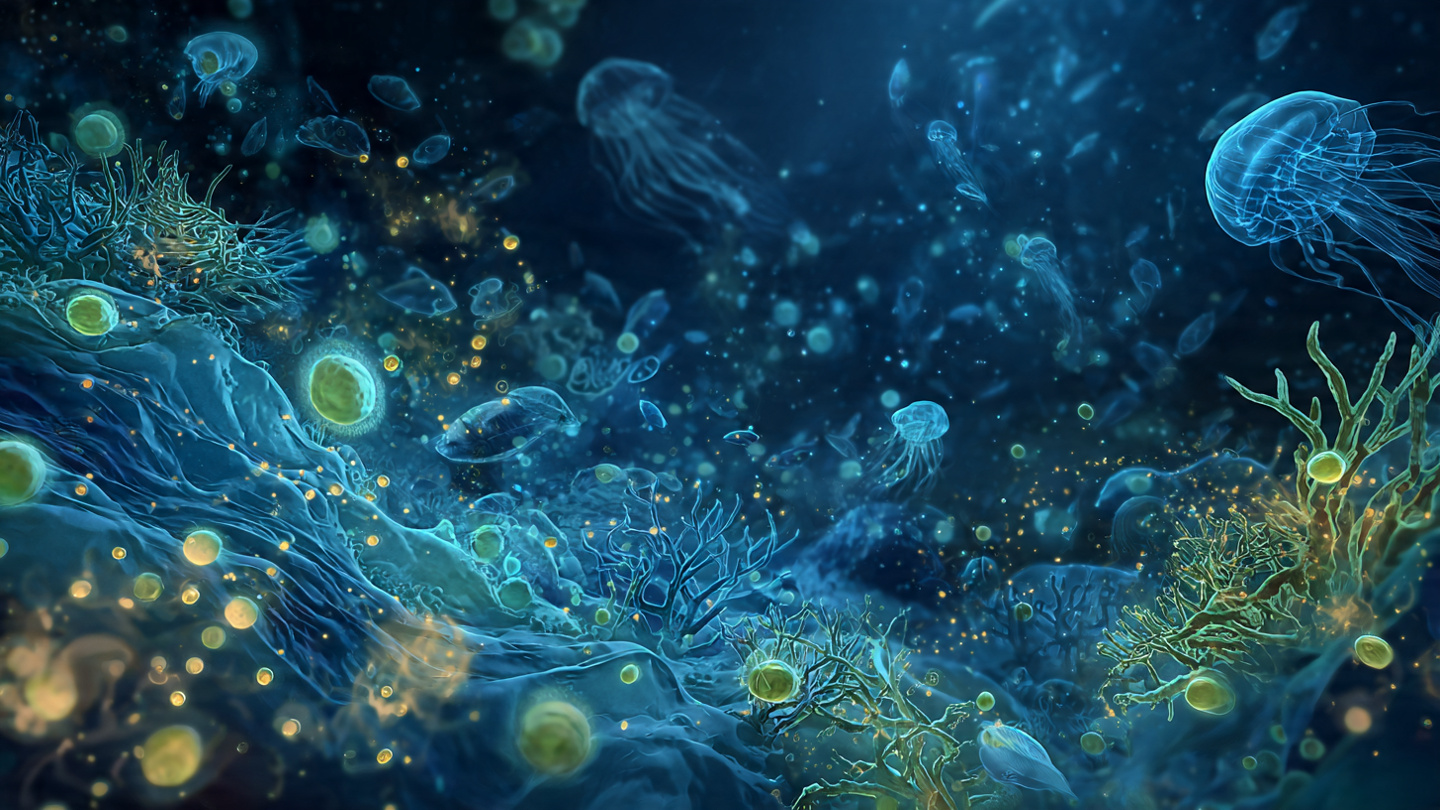
Heterotrophic microbes are fixing more carbon in the deep ocean than previously thought.
Ammonia-oxidizing archaea are not the sole drivers of deep-sea carbon fixation.
These findings reshape our understanding of the ocean’s food web and climate regulation.
advertisement
Introduction
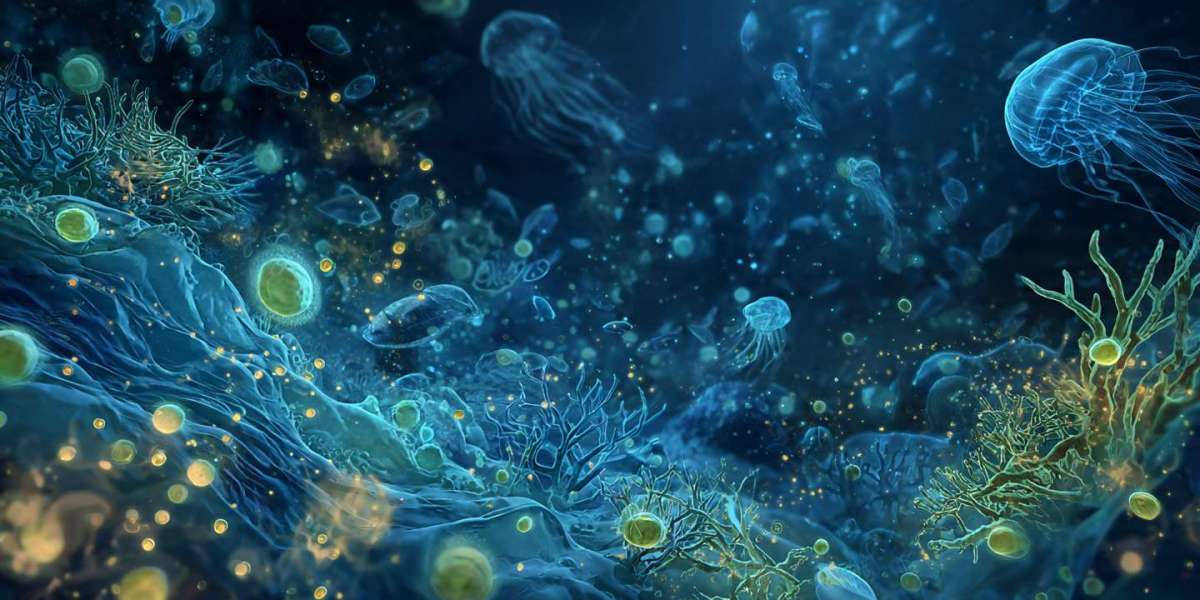
The deep ocean, long thought to be a quiet, dark expanse where carbon fixation is limited, is proving to be far more active than scientists expected. Recent research from the University of California – Santa Barbara reveals that unexpected microbes are playing a crucial role in converting carbon dioxide into organic matter in sunless waters. This discovery challenges decades-old assumptions and offers new insights into the mechanisms by which the ocean stabilizes Earth’s climate.
The Ocean as Earth’s Carbon Sink
Covering over 70% of the planet, the ocean absorbs roughly a third of human-produced carbon dioxide emissions, making it a vital buffer against global warming. While surface-dwelling phytoplankton have been recognized as major carbon fixers through photosynthesis, the processes occurring in the deep, sunless ocean have been less understood. Traditional models assumed that autotrophic archaea—microbes that oxidize ammonia for energy—dominated carbon fixation in these depths.
Unexpected Microbial Players
The UC Santa Barbara study found that these ammonia-oxidizing archaea contribute less to deep-sea carbon fixation than previously believed. By selectively inhibiting their activity, researchers observed that overall carbon fixation rates did not drop as much as expected. This indicated that other microbes, particularly heterotrophs—organisms that usually feed on organic matter—are also converting inorganic carbon into biomass.
“This finding is fascinating because it quantifies the role of heterotrophs in fixing carbon, something we only suspected before,” said Alyson Santoro, lead microbial oceanographer on the study. The discovery reshapes our understanding of deep-ocean microbial ecology and suggests that the food web in these dark waters is more dynamic than scientists imagined.
advertisement
Implications for the Deep-Ocean Food Web
Understanding which organisms fix carbon in the deep sea also helps clarify how energy and nutrients move through the ocean’s food web. Heterotrophs taking up inorganic carbon could provide a previously unrecognized source of energy for other deep-sea organisms. This insight has important implications for modeling global carbon cycles, as well as predicting how the ocean’s carbon storage might respond to climate change.
Further research will explore how fixed carbon is transferred through the food web and how interactions between nitrogen, iron, and copper cycles influence these processes. Such studies could refine climate models and improve predictions of how oceans will continue to buffer rising CO₂ levels.
Conclusion
The revelation that heterotrophic microbes are major contributors to deep-ocean carbon fixation reshapes our understanding of the Earth’s largest carbon sink. By uncovering the hidden engines of carbon transformation in the dark ocean, scientists are not only solving a decade-long puzzle but also highlighting the deep sea’s critical role in stabilizing our climate. As research continues, the intricate web of microbial life below the waves promises to reveal even more about the delicate balance that sustains life on Earth.
Key Points Summary:
Heterotrophic microbes in the deep ocean fix significant amounts of carbon.
Ammonia-oxidizing archaea contribute less to deep-sea carbon fixation than previously thought.
Findings provide new insights into deep-ocean food webs and global carbon cycling.
advertisement
Frequently Asked Questions (FAQ):
Q: What is carbon fixation?
A: Carbon fixation is the process of converting inorganic carbon (CO₂) into organic matter, which is used as food by microbes and other organisms.
Q: Why is deep-ocean carbon fixation important?
A: It helps store carbon away from the atmosphere, reducing the impact of greenhouse gases and stabilizing Earth’s climate.
Q: Who are the main microbes involved?
A: Recent research shows that heterotrophs, along with some archaea and bacteria, are major contributors—surprising scientists who previously focused on ammonia-oxidizing archaea.
Q: How does this affect climate change predictions?
A: Understanding which microbes fix carbon and how they interact with the food web helps improve climate models and forecasts of ocean carbon storage.
Q: What is the next step in this research?
A: Scientists plan to study how fixed carbon moves through the deep-ocean food web and how other nutrient cycles, like nitrogen and metals, interact with carbon fixation.
Sources
University of California – Santa Barbara – Study reveals unexpected microbes fixing carbon in deep ocean
https://www.sciencedaily.com/releases/2025/12/251210092024.htm
Thank you !