
NASA Lets Astronauts Bring Smartphones on Crew-12 and Artemis II Missions: A New Era in Space Documentation
Key Points:
Astronauts can now use modern iPhones and Android devices in space missions.
Smartphones will enhance spontaneous photography and mental well-being.
NASA is fast-tracking technology approvals, signaling a shift toward commercial devices in space.
advertisement
Introduction
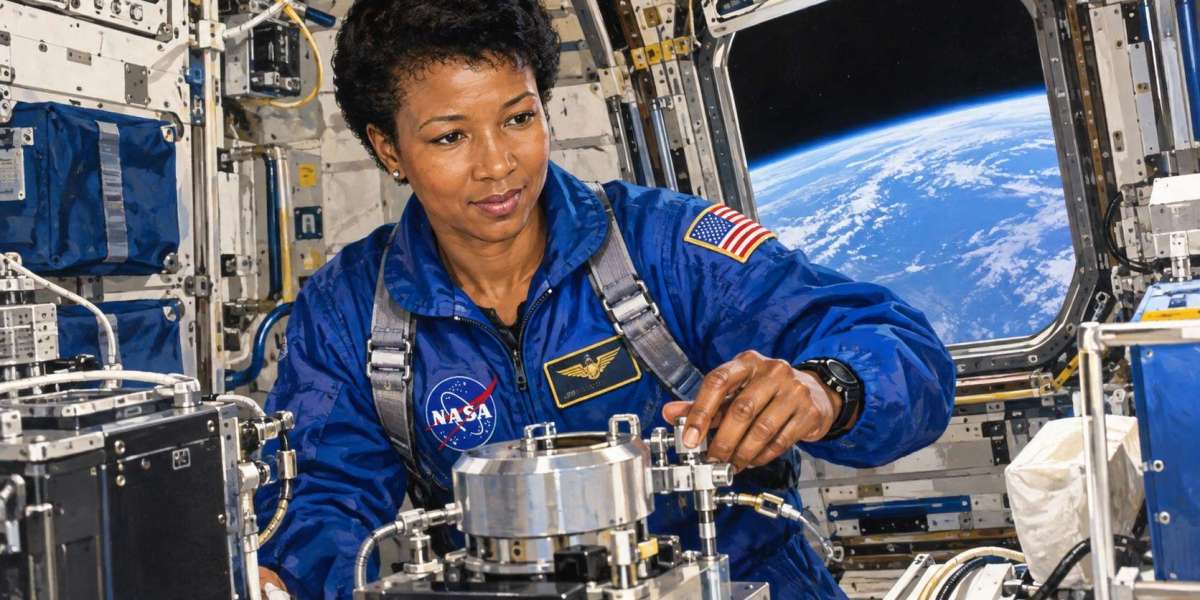
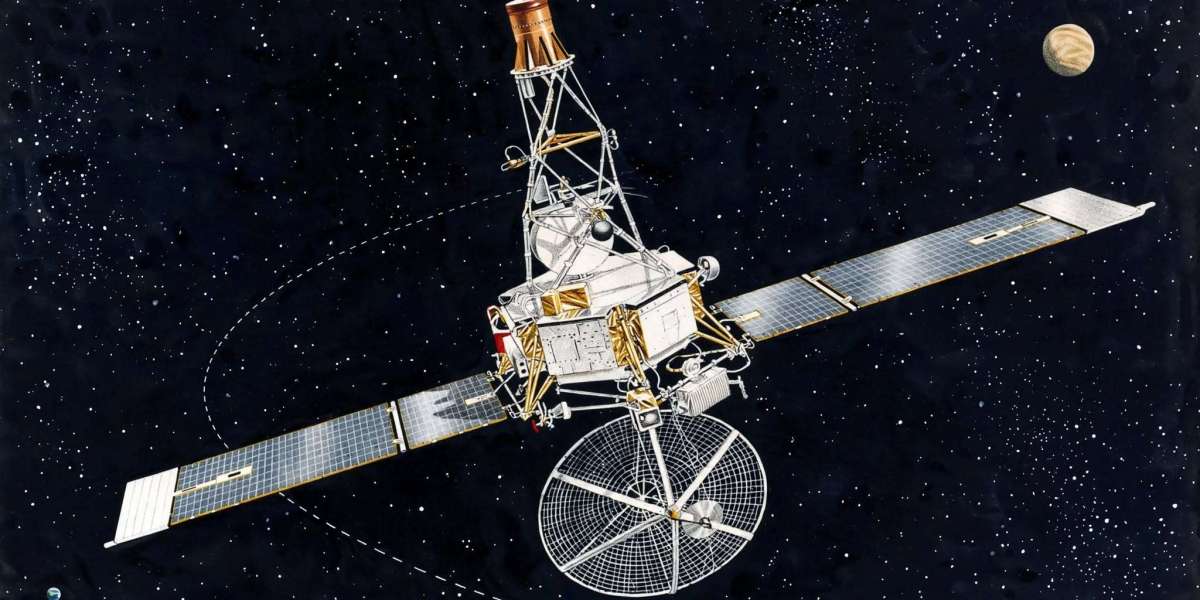
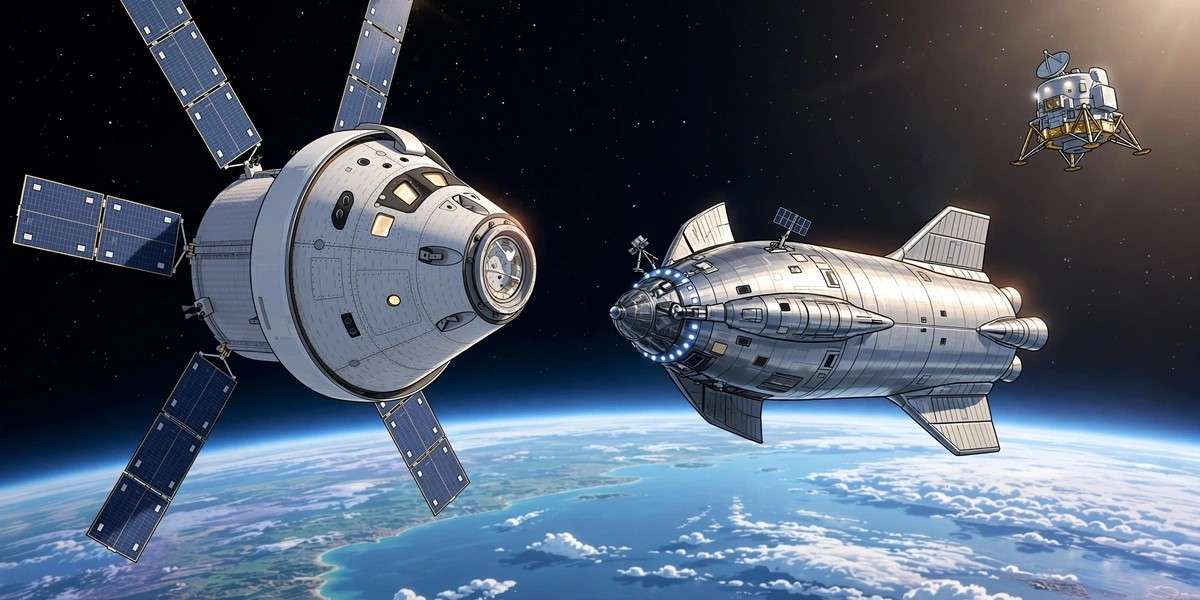
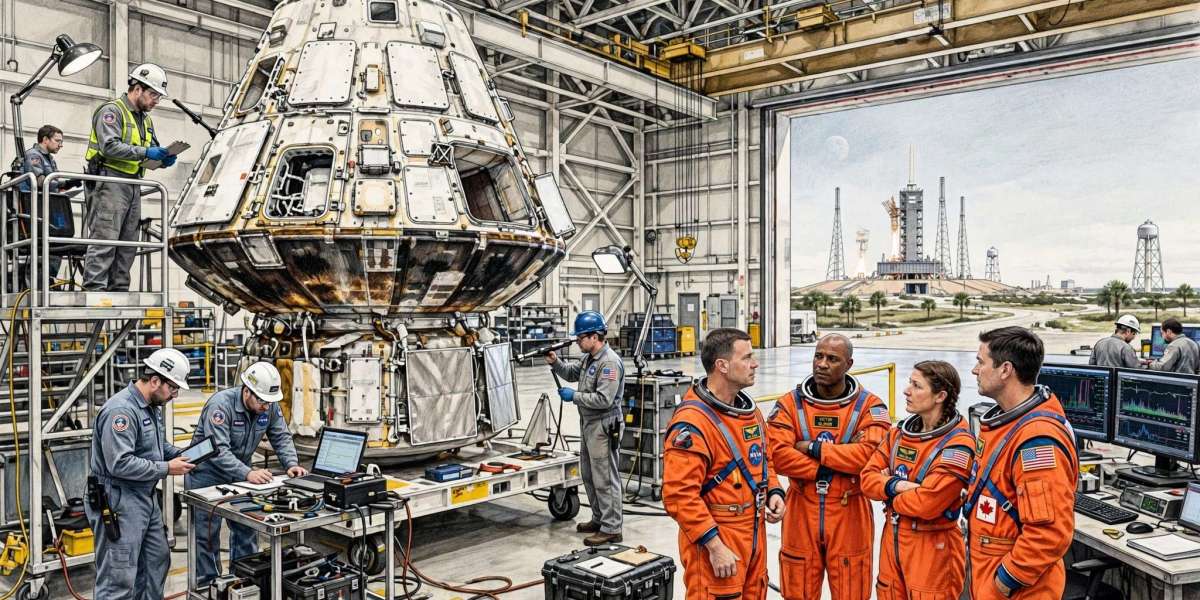
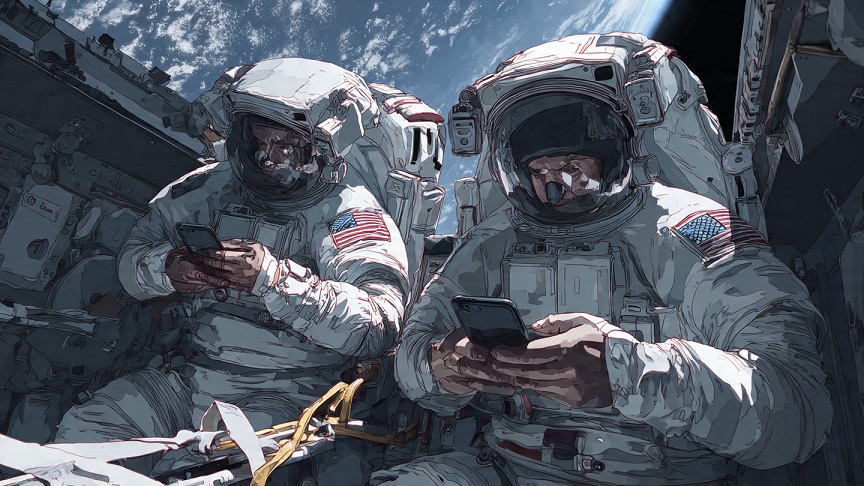
NASA is taking a bold step into the digital age by allowing astronauts on the Crew-12 mission to the International Space Station (ISS) and the Artemis II lunar flyby to carry smartphones. This marks a major shift from relying solely on bulky, decade-old DSLRs and GoPros. By embracing commercial devices like iPhones and Androids, NASA aims to enhance mission documentation, streamline technology approvals, and make space exploration more relatable for the public.
Modern Smartphones in Space: What’s Changing
For decades, NASA adhered to strict hardware rules, requiring rigorous testing of cameras and electronics before spaceflight. Traditional gear underwent radiation exposure, vibration trials, and interference checks—processes that often left astronauts with technology that was years behind what was available on Earth. By approving modern smartphones, NASA is fast-tracking a more flexible certification process, as noted by NASA Administrator Jared Isaacman, who emphasized that crews now have the tools to capture special moments for their families and share images with the world (Hypebeast, TechCrunch).
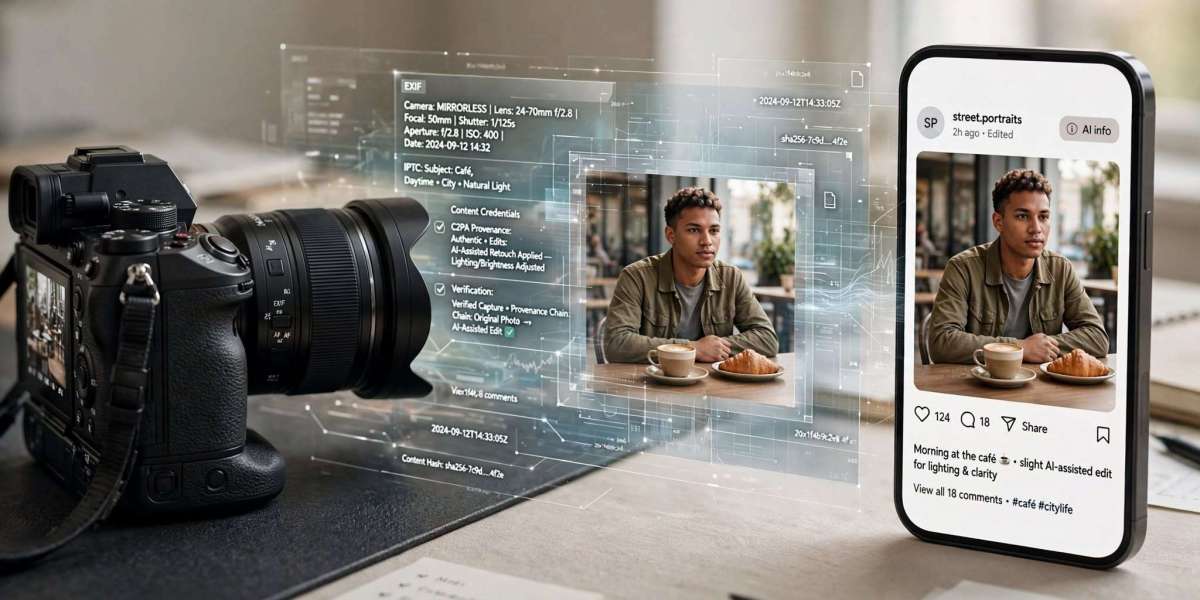
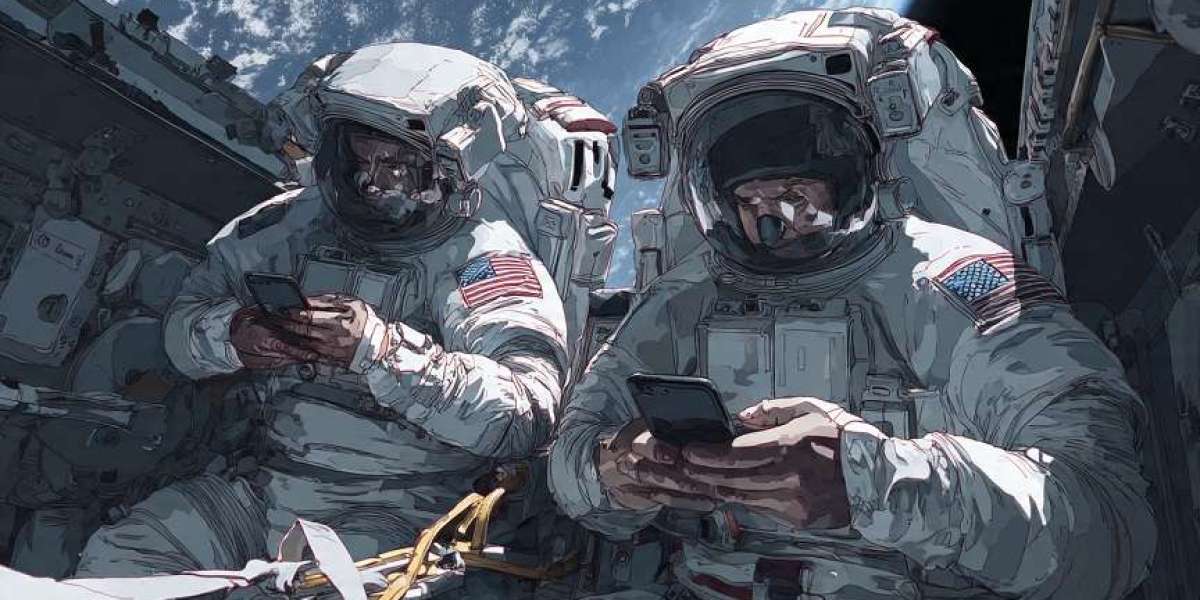
Smartphones will allow astronauts to take spontaneous photos and videos that were difficult to capture with pre-planned DSLR setups. This makes space missions feel more personal, and helps maintain connections with life on Earth while enhancing mental well-being. Moreover, by using familiar devices, astronauts can document historic lunar flybys and ISS activities in a way that resonates with the public, particularly younger generations raised on phone photography.
advertisement
Cultural and Operational Impacts
This move is not just about images—it’s a shift in NASA’s culture. Allowing smartphones highlights a growing trend of integrating commercial, off-the-shelf technology into space missions, reducing bureaucratic delays, and making astronauts’ experiences more human and relatable. NASA’s decision also reflects the success of prior private missions, such as those by SpaceX, where smartphones were already used to document space travel (TechCrunch).
Additionally, the decision has operational benefits. Modern smartphones have proven reliable in commercial flights and nanosatellite experiments, which accelerates NASA’s testing pipeline and ensures crews have access to the latest technology without compromising safety.
Looking Ahead: The Future of Space Technology
By fast-tracking smartphones, NASA is signaling a broader shift toward leveraging commercial tech in future missions. This could eventually extend beyond cameras to include sensors, communication devices, and other everyday tools, helping missions adapt faster to evolving technologies. The integration of familiar devices in space not only enhances documentation but also helps the public connect with astronauts’ experiences on a deeper, more personal level.
Conclusion
NASA’s decision to allow smartphones on the Crew-12 and Artemis II missions is more than a tech upgrade—it’s a leap toward a more human-centric approach to space exploration. By blending operational efficiency, cultural accessibility, and technological innovation, NASA is setting the stage for a future where space missions are better documented, more relatable, and enriched with real-time experiences. As astronauts capture Earth and lunar vistas with devices we carry in our pockets, the line between space and home becomes a little smaller, inspiring generations to see exploration as both achievable and personal.
Key Points Summary
NASA approves modern smartphones for Crew-12 and Artemis II astronauts.
The move improves spontaneity in photography and mental well-being.
Fast-tracked approvals signal a shift toward using commercial tech in space missions.
Smartphones make space exploration more relatable to the public.
Prior private missions like SpaceX have already tested smartphones successfully.
advertisement
Frequently Asked Questions (FAQ)
Q1: Which missions will allow astronauts to use smartphones?
A1: Crew-12 to the ISS and Artemis II, which will fly humans around the Moon, will allow smartphones.
Q2: Why did NASA wait so long to approve smartphones?
A2: NASA’s strict testing protocols for radiation, vibrations, and interference often delayed new technology approval, ensuring all equipment was space-ready.
Q3: Which devices are allowed?
A3: Modern iPhones and Android smartphones are cleared for spaceflight.
Q4: Is this the first time smartphones go to space?
A4: No, SpaceX private astronaut missions have already allowed smartphones. NASA’s decision marks the first official use on its own crewed missions.
Q5: How does this benefit astronauts?
A5: Smartphones allow spontaneous documentation, improve mental well-being, and strengthen connections with Earth and the public.
Sources
Hypebeast – NASA clears smartphones for Crew-12 and Artemis II missions, allowing modern devices for spontaneous photos and videos.
https://hypebeast.com/2026/2/nasa-clears-smartphones-for-crew-12-and-artemis-ii-missionsTechCrunch – NASA astronauts can bring smartphones on their mission to the moon, with fast-tracked approvals and operational benefits.
https://techcrunch.com/2026/02/05/nasa-astronauts-can-now-bring-their-phones-with-them-on-their-mission-to-the-moon/
Thank you !