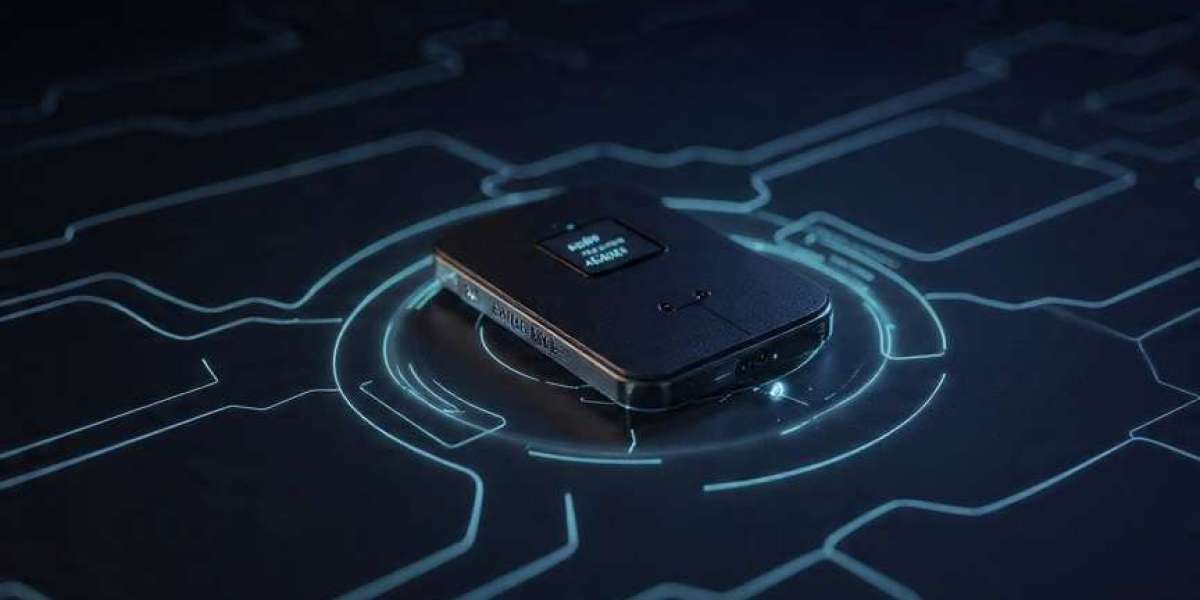

Elon Musk’s Starlink Mobile Device: Satellite Connectivity Without Being a Phone
• A Starlink-connected device is reportedly in development, but Elon Musk insists it is not a smartphone
• The mysterious gadget may focus on AI-first performance and local neural network processing
• It could redefine how people connect to the internet beyond traditional phones
advertisement
Introduction
Elon Musk is once again stirring debate in the tech world, this time with reports that SpaceX may be developing a Starlink-enabled mobile device. While excitement quickly grew around the idea of a “Starlink phone,” Musk has firmly denied that label. According to multiple sources, the device exists—or is at least being seriously explored—but it is not meant to replace modern smartphones. Instead, it could represent a new category of AI-focused, satellite-connected hardware designed to challenge how people think about mobile connectivity.
A Starlink Device, But Not a Smartphone
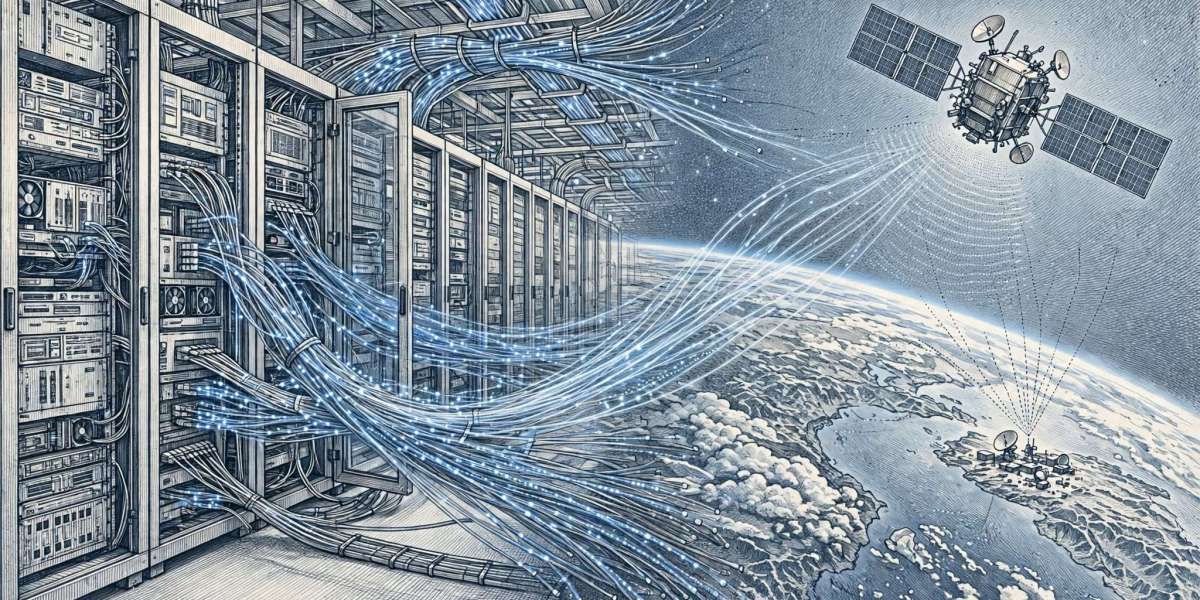
Reports cited by Reuters suggest that SpaceX is working on a mobile device capable of connecting directly to the Starlink satellite internet constellation. This sparked immediate speculation about a satellite phone that could work anywhere on Earth. However, Elon Musk quickly addressed these claims on X, stating clearly, “We are not developing a phone.” While this statement dismisses the idea of a conventional smartphone, it does not deny that a different kind of mobile device is in development.
Both Geo News and PhoneArena emphasize that Musk’s comments leave room for interpretation. The device may look nothing like a phone and may not be designed for calls, apps, or screens in the traditional sense. Instead, it appears aimed at solving what Musk and many tech enthusiasts see as a growing problem: smartphones have become stagnant slabs of glass and metal, offering incremental upgrades rather than meaningful innovation.
advertisement
AI-First Hardware and Neural Network Performance
Clues about the nature of the device come from Musk’s own words. Responding to online suggestions about a Starlink phone, he previously said that such a product would be “very different from current smartphones” and optimized purely for maximum performance-per-watt neural networks. This points to a strong focus on local AI processing rather than cloud-dependent intelligence.
This direction aligns closely with SpaceX’s acquisition of Musk’s AI startup, xAI, which develops the Grok chatbot. Several observers believe the device could act as a dedicated access point for both Starlink connectivity and AI tools like Grok, enabling users to run advanced AI models locally, even in areas without terrestrial internet infrastructure.
Not SpaceX’s First Step Into Mobile Connectivity
While the idea of a Starlink-enabled device sounds radical, SpaceX is not new to mobile connectivity. The company has already partnered with T-Mobile in the United States to bring Starlink satellite internet directly to existing smartphones on the carrier’s network. This collaboration focuses on extending coverage to remote areas rather than replacing phones altogether.
The rumored Starlink device, therefore, may be less about communication and more about capability—providing resilient internet access and AI computing power in environments where traditional networks fail.
advertisement
Part of a Larger AI Device Race
SpaceX and xAI are not alone in exploring alternatives to smartphones. According to PhoneArena, OpenAI is working with legendary designer Jony Ive on a mysterious AI-focused device, while Apple is reportedly considering an AI pin. These efforts reflect a broader industry push to rethink personal computing in an era dominated by artificial intelligence, even as skepticism remains following high-profile failures like the Humane AI Pin.
Conclusion
Elon Musk’s rumored Starlink mobile device represents more than just another gadget—it signals a possible shift away from smartphones as the center of personal technology. By combining satellite internet, AI-first hardware, and local neural processing, SpaceX may be laying the groundwork for a new class of connected devices built for performance, resilience, and intelligence rather than apps and screens. Whether this vision succeeds or not, it highlights a growing belief across the tech industry: the future of connectivity may no longer fit in the familiar shape of a phone.
Key Points
SpaceX is reportedly developing a Starlink-connected mobile device, but Elon Musk says it is not a phone
The device may focus on AI-first performance and local neural network processing
It could serve as a new access point for Starlink internet and xAI’s Grok chatbot
advertisement
Frequently Asked Questions (FAQ)
Is Elon Musk making a Starlink phone?
No. Elon Musk has explicitly stated that SpaceX is not developing a phone, although he has not denied working on a mobile device.
What will the Starlink mobile device do?
Based on Musk’s comments, it may focus on satellite connectivity and AI processing rather than traditional smartphone features.
Will it replace smartphones?
There is no indication that it is meant to replace smartphones. It appears more likely to complement or challenge them with a new approach.
How is this different from Starlink on phones today?
Current Starlink phone connectivity relies on partnerships with carriers like T-Mobile, while this device could offer a dedicated, standalone solution.
When will the device be released?
There is no official release date or confirmation that the device will reach consumers.
Sources
Geo News – Report on Elon Musk’s comments and Starlink device speculation
https://www.geo.tv/latest/649488-elon-musks-starlink-mobile-device-may-not-be-a-phonePhoneArena – Analysis of SpaceX’s rumored Starlink mobile device and AI focus
https://www.phonearena.com/news/elon-musk-may-be-making-a-starlink-mobile-device-with-satellite-connectivity-but-its-not-a-phone_id178027
Thank you !