
(What will be mentioned in this article is for advice and is not a substitute for consulting a doctor)
The Overlooked Nutrition Risks of Popular Weight-Loss Drugs: How Ozempic, Wegovy, and Mounjaro Can Affect Your Health
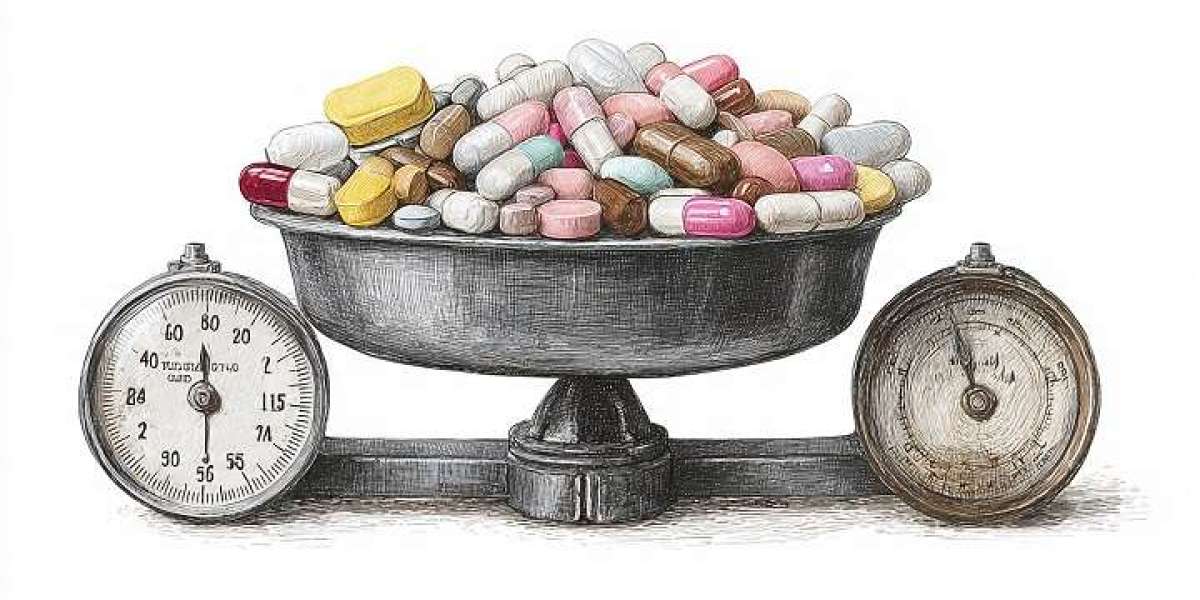
Weight-loss drugs like Ozempic and Wegovy can dramatically reduce appetite but may cause nutrient deficiencies if diet is not managed.
Muscle loss and vitamin/mineral shortfalls are common risks without proper nutritional guidance.
Integrating structured nutrition care, similar to post-bariatric surgery strategies, can support safe, long-term weight loss.
advertisement
Introduction
Popular weight-loss medications such as Ozempic, Wegovy, and Mounjaro have revolutionized obesity management by reducing appetite and curbing food cravings. These drugs, known as GLP-1 receptor agonists, can lower calorie intake by 16-39%, supporting significant weight loss. However, new research highlights an often-overlooked risk: many users may not receive sufficient guidance on nutrition, putting them at risk for protein deficiency, vitamin and mineral shortages, and muscle loss. This gap is particularly concerning given the rapid rise in private use of these medications.
How GLP-1 Weight-Loss Drugs Work
GLP-1 drugs mimic a natural hormone that signals fullness after meals, helping people eat less. While highly effective for weight reduction, this appetite suppression can unintentionally reduce intake of key nutrients, including protein, fiber, vitamins, and minerals. Studies indicate that up to 40% of the weight lost may come from lean body mass, which includes critical muscle tissue.
advertisement
Nutrition Risks Without Proper Guidance
Experts from UCL and the University of Cambridge warn that without structured nutritional support, users may experience fatigue, weakened immunity, hair loss, osteoporosis, and decreased physical strength. Despite the success of these medications in controlled clinical environments, most users access them privately, often without dietary counseling. This leaves a significant portion of people at risk for preventable complications.
Lessons From Bariatric Nutrition Care
Researchers suggest borrowing strategies from post-bariatric surgery nutrition. This includes emphasizing nutrient-dense foods, evenly distributing high-quality protein across meals, and considering meal timing to reduce side effects like nausea. Although strict low-fat diets are not universally recommended, some observational studies indicate that individuals on GLP-1 drugs consume high levels of total and saturated fat, highlighting the need for personalized dietary guidance aligned with national recommendations.
advertisement
Limited Research Highlights Knowledge Gaps
Currently, only a handful of studies examine diet and nutrition alongside GLP-1 therapy, and methodologies vary widely. Future research should include patient perspectives, as understanding real-world experiences can improve guidance and outcomes. The AMPLIFY project aims to capture these insights, particularly from underrepresented communities, to better inform treatment strategies and holistic care.
Conclusion
While Ozempic, Wegovy, and similar medications offer groundbreaking tools for weight management, relying on appetite suppression alone can pose hidden health risks. By integrating structured nutritional care, focusing on protein and micronutrient intake, and learning from post-bariatric practices, patients can maximize benefits while minimizing risks. The key is awareness: weight loss should not come at the cost of overall health, and informed, guided use of these medications can support lasting, safe results.
Key Points Summary:
Appetite-suppressing drugs may reduce protein, vitamin, and mineral intake.
Muscle loss can account for up to 40% of weight lost.
Structured nutritional guidance is critical for safe, long-term results.
Lessons from post-bariatric care can guide safe diet strategies.
Real-world patient perspectives are essential for improving support.
advertisement
Frequently Asked Questions (FAQ):
What are GLP-1 weight-loss drugs?
GLP-1 receptor agonists like Ozempic, Wegovy, and Mounjaro mimic a hormone that increases fullness and reduces appetite, helping with weight loss.What are the main nutritional risks of these drugs?
Without proper guidance, users may experience protein deficiency, vitamin and mineral shortfalls, muscle loss, fatigue, weakened immunity, and bone loss.Can diet prevent these risks?
Yes. Structured nutrition, including high-quality protein, nutrient-dense foods, and careful meal timing, can help maintain lean mass and overall health.Are these drugs safe for everyone?
They are recommended for people with obesity who meet specific criteria. Private use without medical supervision increases the risk of nutritional deficiencies.Where can patients get guidance?
Healthcare professionals, dietitians, and lessons from post-bariatric surgery nutrition programs can help create a safe, personalized plan.
Sources
ScienceDaily – Research highlights overlooked nutrition risks of GLP-1 weight-loss drugs like Ozempic and Wegovy.
https://www.sciencedaily.com/releases/2026/02/260203030551.htm
Thank you !