
Life in Space: Exploring the Search for Extraterrestrial Life and Its Impact on Humanity

Key Points
Scientists are preparing for the discovery of life on other planets, from microbes to potential alien technology.
Communication strategies are crucial to help the public understand the science and avoid fear or misinformation.
Space missions like Europa Clipper, JUICE, and Pandora are leading the hunt for life beyond Earth.
advertisement
Introduction
The search for life in space is no longer the realm of science fiction—it’s an active scientific pursuit with profound implications for humanity. From microbial life in Martian rocks to potential alien technology in unidentified aerial phenomena, researchers are exploring every corner of the cosmos. As missions like NASA’s Pandora Space Telescope and the Europa Clipper spacecraft probe distant worlds, scientists and communicators are also preparing for how to responsibly share discoveries with the public. Understanding life beyond Earth challenges our concepts of biology, philosophy, and even what it means to be human.
The History of Searching for Life Beyond Earth
Humans have long wondered if we are alone in the universe. Early claims, like the 1906 New York Times report on “legions of canals” on Mars, captured the imagination but were later debunked. In 1996, NASA announced possible fossilized microbial life in a Martian meteorite, sparking excitement and skepticism alike. President Bill Clinton called it “one of the most stunning insights into our universe,” though the discovery remains inconclusive. Such events highlight both the scientific and societal challenges of confirming extraterrestrial life.
advertisement
Potential Forms of Extraterrestrial Life
Life in space may appear in two forms: biological or technological. Alien biology could range from microbial organisms on distant planets to larger, more complex life forms. Alien technology, often discussed in connection with unidentified aerial phenomena (UAPs), raises questions about intelligent life visiting Earth. Surveys show that over half of Americans believe UAPs could be extraterrestrial, yet most do not see them as threatening. While these possibilities excite the imagination, they also pose challenges in how the public interprets ambiguous evidence.
Ongoing Missions and Research
Several cutting-edge missions are advancing the search for life:
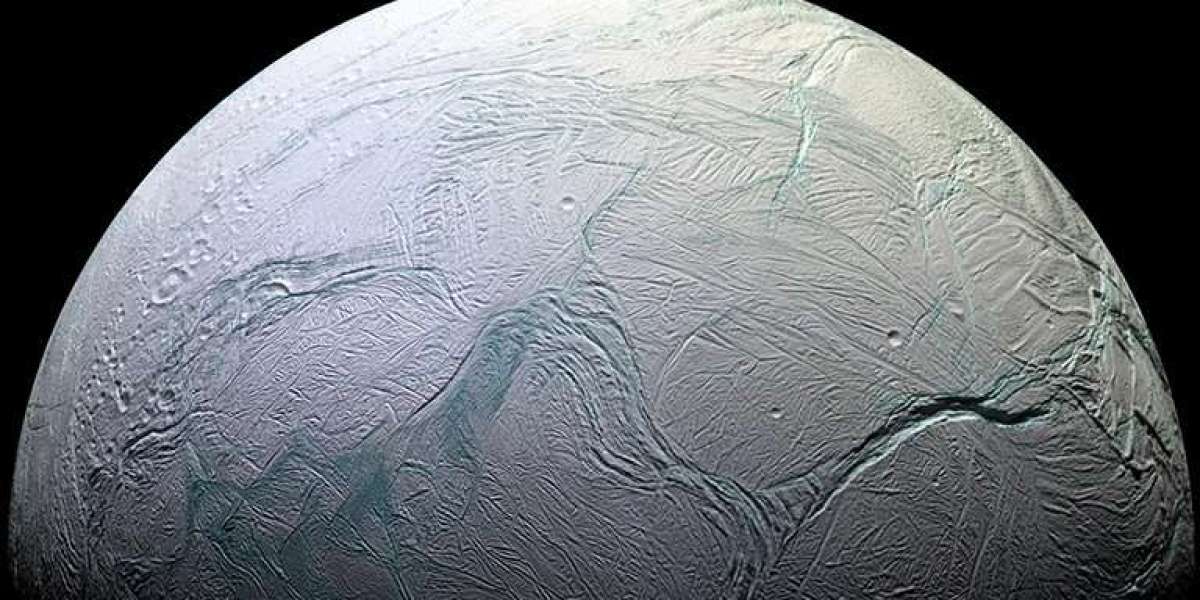
Europa Clipper and JUICE are exploring Jupiter’s icy moons, including Europa, Ganymede, and Callisto, where subsurface oceans could harbor life.
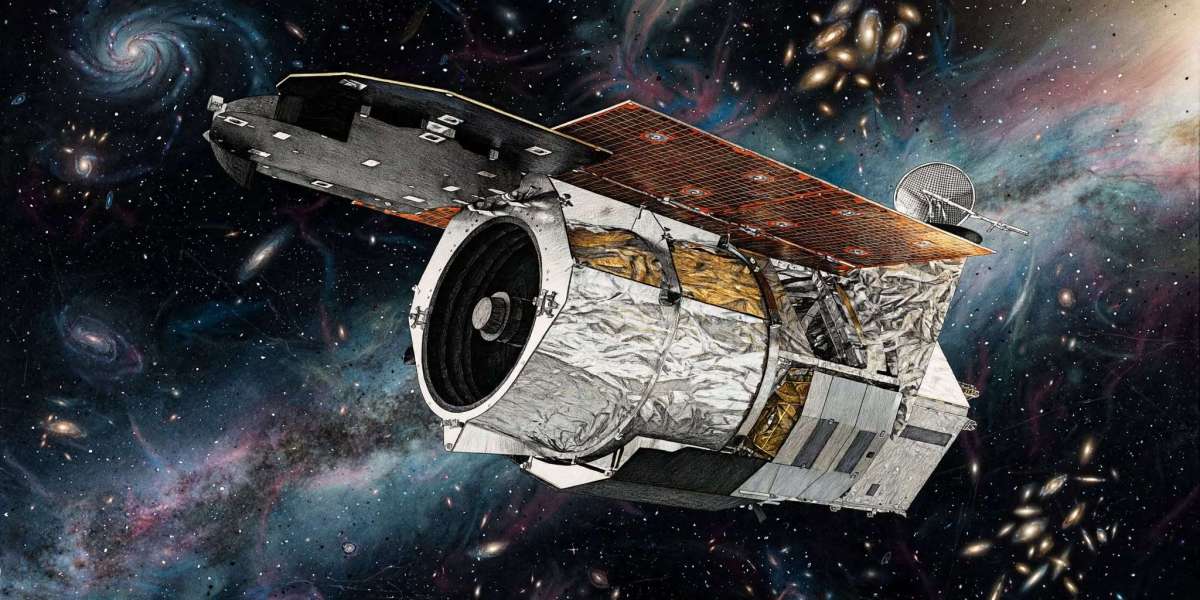
Pandora Space Telescope searches for biosignatures such as water vapor, methane, and oxygen on exoplanets.
Future Mars sample return missions aim to bring Martian soil and rocks to Earth for detailed analysis.
These projects increase the likelihood of detecting “traces of life” long before direct contact, emphasizing the need for careful communication of subtle scientific evidence.
Communicating Discoveries to the Public
The discovery of life beyond Earth raises complex communication challenges. NASA has developed tools like the CoLD scale (Confidence of Life Detection), ranking evidence from tentative signals to confirmed biology. Experts stress the importance of “prebunking”—educating the public in advance to reduce misinformation or fear. Integrating professional communicators with research teams ensures that findings are reported accurately and responsibly. Science education and public engagement, starting in schools, can prepare society for nuanced discoveries and counter disinformation amplified by AI and deepfakes.
advertisement
Ethical and Philosophical Implications
Finding life in space is not only a scientific endeavor but also a philosophical and moral one. Discoveries will challenge humanity’s understanding of life, consciousness, and our place in the universe. Responsible communication, coupled with global collaboration, will be key to handling societal reactions—whether excitement, skepticism, or fear.
Conclusion
The search for life in space represents one of humanity’s most ambitious scientific and philosophical pursuits. While the first signs may be subtle chemical traces or robotic detections, the implications are enormous. By combining rigorous science with transparent communication and public education, society can embrace these discoveries thoughtfully. As we peer into the cosmos, we are reminded that exploring life beyond Earth is not just about finding aliens—it’s about understanding ourselves and the potential for life across the universe.
Key Points Summary:
Life in space could be microbial or technological, with profound implications.
NASA missions like Europa Clipper, JUICE, and Pandora are leading the search.
Responsible communication is essential to manage public understanding and fear.
advertisement
Frequently Asked Questions (FAQ):
What types of life could be found in space?
Life could range from microbial organisms to intelligent beings or alien technology.Which missions are currently searching for extraterrestrial life?
Key missions include NASA’s Europa Clipper, ESA’s JUICE spacecraft, and the Pandora Space Telescope.Why is communication about discoveries important?
Proper communication helps prevent misinformation, manage public reactions, and explain complex scientific findings.Could life be found on Mars?
Yes, future missions aim to return Martian soil and rocks to Earth to search for microbial life.How soon might life beyond Earth be confirmed?
Discoveries may begin with subtle chemical traces rather than direct contact, requiring careful interpretation.
Sources
- Time – Discussion on the challenges of communicating discoveries of extraterrestrial life
https://time.com/7372666/science-communication-extraterrestrial-life-in-space/
Thank you !