
Stock Market Insights: Gold and Silver Surge Amid Geopolitical Tensions
Key Points:
Gold and silver hit record highs as investors seek safe-haven assets.
European and US stock markets show declines amid Greenland-related tariff threats.
Geopolitical uncertainty drives market volatility, highlighting gold and silver as hedges.
advertisement
Introduction
The stock market often reacts sharply to geopolitical events, and recent developments surrounding Greenland have highlighted this connection. Gold and silver, traditionally considered safe-haven assets, surged to record levels as investors responded to uncertainty triggered by US tariff threats. Meanwhile, European and US stock indices experienced notable declines. Understanding these market movements provides valuable insight into how global politics can influence commodity prices and investment strategies.
Gold and Silver Reach Record Highs
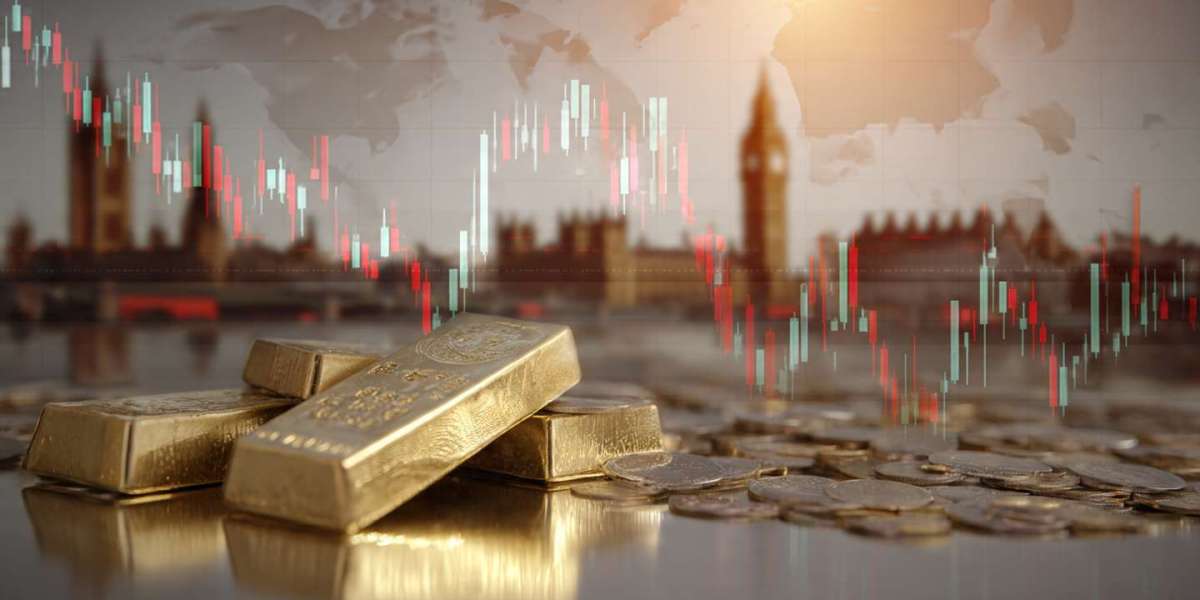
Gold prices soared to an all-time high of $4,689 per ounce, while US gold futures for February gained 1.7% to $4,676, reflecting investors’ flight to safety amid geopolitical tensions (The Guardian). Similarly, silver climbed to a record $94.08 per ounce before easing slightly, representing a 3.6% increase (The Guardian). Analysts note that safe-haven demand, combined with potential currency fluctuations, contributed to these historic highs.
Kathleen Brooks, research director at XTB, observed that geopolitical uncertainty could maintain bullish momentum for precious metals. “If pressure on Europe over Greenland increases, the low-volatility market environment may not persist,” she said (The Guardian).
Impact on Global Stock Markets
As gold and silver prices rose, stock markets across Europe and the US experienced declines. European indices such as France’s CAC 40 dropped 1.6%, Germany’s DAX fell 1.3%, and Spain’s IBEX 35 lost 0.3% (The Guardian). In London, the FTSE 100 decreased by 0.5%. Car manufacturers, including Volkswagen, BMW, and Mercedes-Benz, were particularly affected, seeing declines between 2.5% and 4%. Stellantis, the Peugeot owner, also fell 2%.
US futures tracking the S&P 500 and Nasdaq 100 declined 1.1% and 1.4%, respectively, although US markets were closed for Martin Luther King Jr. Day (Financial Times). Analysts point to uncertainty about potential tariffs and broader trade tensions as primary drivers of the market sell-off.
advertisement
Geopolitical Drivers: The Greenland Factor
The recent surge in precious metals is closely linked to US President Donald Trump’s threat to impose tariffs on eight European countries—including Germany, France, and the UK—unless they support his plan to acquire Greenland (The Guardian; Financial Times). Initial tariff rates of 10% would begin on February 1, rising to 25% on June 1, affecting countries like Denmark, Norway, Sweden, France, Germany, the UK, the Netherlands, and Finland (The Guardian).
Responses from Europe have been mixed. The EU is exploring potential retaliatory measures, including €93 billion worth of tariffs or restrictions on American companies (Financial Times). However, the European Commission emphasizes engagement over escalation. In the UK, Prime Minister Keir Starmer stressed defense of international law while downplaying the likelihood of military conflict over Greenland (Financial Times).
Analysts from ING and Capital Economics have projected potential impacts on GDP growth. ING estimates tariffs could reduce European GDP by 0.2 percentage points, while Capital Economics forecasts potential UK GDP reduction of 0.3–0.75% in a worst-case scenario (The Guardian).
Investor Insights and Market Strategies
Experts suggest that gold and silver may continue to benefit from safe-haven demand amid ongoing uncertainties. StoneX senior analyst Matt Simpson noted, “Geopolitical tensions have given the gold bulls yet another reason to push it to new highs” (The Guardian).
Investors are advised to monitor developments in Europe-US relations closely. Market participants may consider balancing portfolios with precious metals while remaining cautious about equity exposure, especially in sectors most vulnerable to tariffs such as automotive and luxury goods.
Conclusion
The recent record highs in gold and silver illustrate the profound influence of geopolitics on financial markets. Investors often turn to precious metals as reliable hedges when uncertainty intensifies, while stock markets reflect heightened sensitivity to policy risks and trade disputes. As tensions surrounding Greenland continue to unfold, the strategic allocation of assets and awareness of geopolitical risks will remain crucial for investors. The events underscore a timeless lesson: in a volatile global economy, knowledge, preparation, and adaptability are the keys to navigating uncertainty successfully.
Key Points Summary
Gold and silver reached all-time highs due to geopolitical uncertainty.
European and US stock markets experienced declines amid tariff threats.
Tariffs on Greenland-linked goods could impact European GDP and trade.
Experts recommend monitoring precious metals and diversifying portfolios.
Geopolitical events highlight the importance of safe-haven assets in volatile markets.
advertisement
Frequently Asked Questions (FAQ)
Q1: Why did gold and silver prices rise recently?
A1: Prices surged due to geopolitical uncertainty, particularly the US tariff threat linked to Greenland, prompting investors to seek safe-haven assets.
Q2: Which countries were targeted by Trump’s tariff threat?
A2: Denmark, Norway, Sweden, France, Germany, the UK, the Netherlands, and Finland were affected.
Q3: How have stock markets reacted?
A3: European markets such as the CAC 40, DAX, and FTSE 100 fell, while US futures tracking the S&P 500 and Nasdaq 100 also declined.
Q4: Could tariffs affect European GDP?
A4: Analysts estimate potential reductions: ING forecasts a 0.2% drop in European GDP, while Capital Economics suggests the UK could see a 0.3–0.75% reduction in a worst-case scenario.
Q5: Should investors buy gold and silver now?
A5: Precious metals are often considered safe havens during geopolitical uncertainty. Investors should weigh risks, diversify portfolios, and monitor ongoing developments.
Sources
The Guardian – Gold and silver hit record highs amid Trump’s tariff threat on Europe
https://www.theguardian.com/business/2026/jan/19/gold-silver-record-highs-markets-trump-latest-tariff-shockFinancial Times – Gold reaches record as Greenland tensions spark market concerns
https://www.ft.com/content/8d2b76e7-4450-4859-8128-866bc7cbfb90
Thank you !