
Scientists Discover Protein That Drives Brain Aging — And How to Reverse Memory Decline
Key Takeaways
A protein called FTL1 has been identified as a major driver of brain aging and memory loss.
Reducing FTL1 levels in aging brains may restore memory and rebuild neural connections.
Targeting brain metabolism could offer a new pathway for anti-aging therapies.
advertisement
Brain aging and memory decline are among the most feared aspects of growing older. Now, groundbreaking research has revealed a promising new target: a protein known as FTL1. Scientists have discovered that this single molecule may play a central role in how the brain ages — and more importantly, how some of its effects might be reversed. This discovery could open the door to innovative treatments aimed at preserving memory, enhancing cognitive function, and improving quality of life in later years.
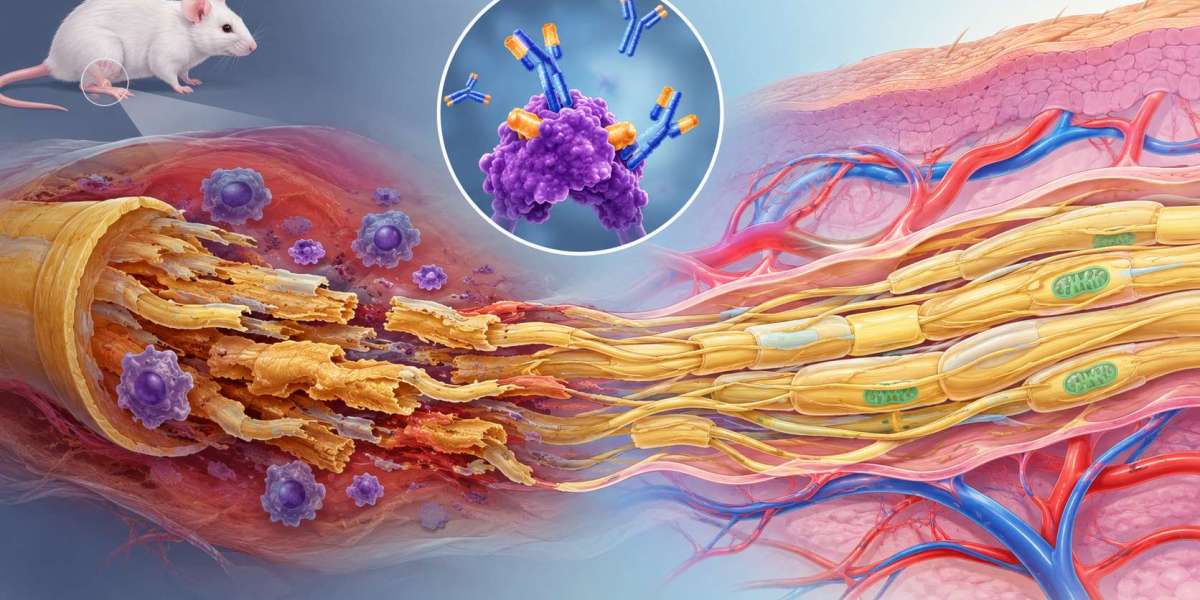
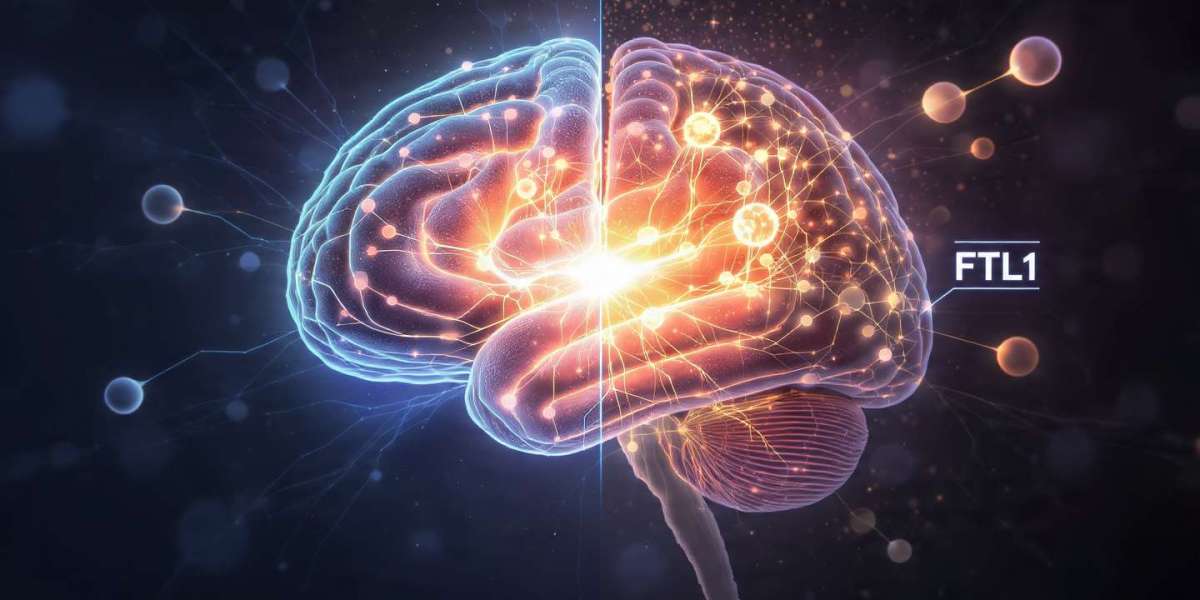
Aging significantly impacts the hippocampus, a region of the brain essential for learning and memory. As people age, this area often experiences reduced connectivity between neurons, leading to difficulties in forming and recalling memories. To understand why this happens, researchers studied changes in genes and proteins within the hippocampus over time. Among all the biological changes observed, one protein stood out — FTL1. Researchers found that older mice had higher levels of FTL1, fewer neural connections, and significantly worse performance on memory-related tasks, suggesting that this protein may actively drive cognitive decline rather than simply accompany it.
To test this idea, scientists increased FTL1 levels in young mice, and the results were striking. Their brains began to resemble those of older mice, neural networks became simpler and less connected, and cognitive performance declined. At the cellular level, neurons producing high levels of FTL1 developed short, simplified structures instead of the complex branching networks needed for efficient communication. These findings reinforced the idea that FTL1 plays a direct role in shaping brain structure and function during aging.
The most exciting breakthrough came when researchers reduced FTL1 levels in older mice. The results were remarkable: neural connections began to regrow, brain structure improved, and memory performance significantly increased. This was not just a slowing of aging, but a reversal of existing damage, highlighting the brain’s unexpected ability to repair itself when key biological barriers are removed.
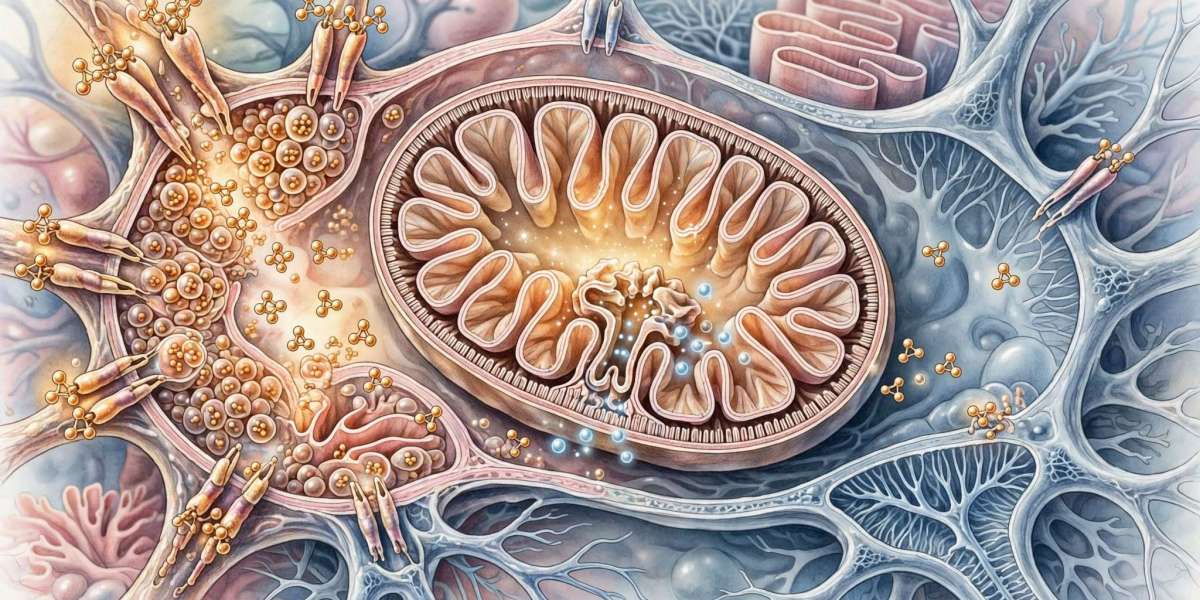
Further investigation revealed another critical piece of the puzzle — metabolism. In older mice, high levels of FTL1 slowed cellular energy use in the hippocampus, impairing brain function. However, when scientists applied a compound that boosted metabolism, the harmful effects of FTL1 were prevented. This discovery underscores the deep connection between how brain cells use energy and how well they function, especially during aging.
Together, these findings suggest that targeting FTL1 could become a powerful strategy for future therapies. By lowering this protein and supporting brain metabolism, it may be possible to restore lost neural connections, improve memory, and counteract the effects of aging in the brain. The discovery of FTL1’s role marks an important step forward in neuroscience, offering new hope that cognitive decline is not inevitable. As research continues, the idea of maintaining a sharp and resilient mind well into old age is becoming increasingly achievable, pointing toward a future where brain aging can not only be slowed — but potentially reversed.
Key Points
FTL1 is a protein strongly linked to brain aging and memory decline.
Higher FTL1 levels reduce neural connections in the hippocampus.
Increasing FTL1 in young brains mimics aging effects.
Lowering FTL1 can reverse memory impairment in older brains.
Brain metabolism plays a crucial role in these processes.
Future therapies may target FTL1 to restore cognitive function.
advertisement
Frequently Asked Questions (FAQ)
What is FTL1?
FTL1 is a protein identified by scientists as a key factor influencing brain aging and cognitive decline.
How does FTL1 affect memory?
Higher levels of FTL1 reduce connections between brain cells, leading to poorer memory performance.
Can brain aging be reversed?
In animal studies, reducing FTL1 levels restored neural connections and improved memory, suggesting partial reversal may be possible.
Why is metabolism important in brain aging?
FTL1 slows cellular energy use in the brain, and boosting metabolism can counteract its negative effects.
Are there treatments available yet?
Not yet. These findings are still in the research stage, but they offer promising directions for future therapies.
Sources
ScienceDaily – Research summary on FTL1 and brain aging
https://www.sciencedaily.com/releases/2026/04/260405065236.htmNature Aging – Original scientific paper on FTL1 and cognitive decline
https://www.nature.com/articles/s43587-025-00940-z
Thank you !