
Blue Monday Explained: Myths, Mental Health Facts, and Science-Backed Ways to Feel Better

3 Key Takeaways (Quick Read)
Blue Monday is not scientifically proven, but it reflects very real winter challenges many people face.
Experts agree that social connection, movement, and small positive actions can significantly improve mood.
The conversation around Blue Monday can be useful if it encourages awareness, compassion, and support rather than fear or pressure.
advertisement
Introduction: What Is Blue Monday and Why Does It Matter?
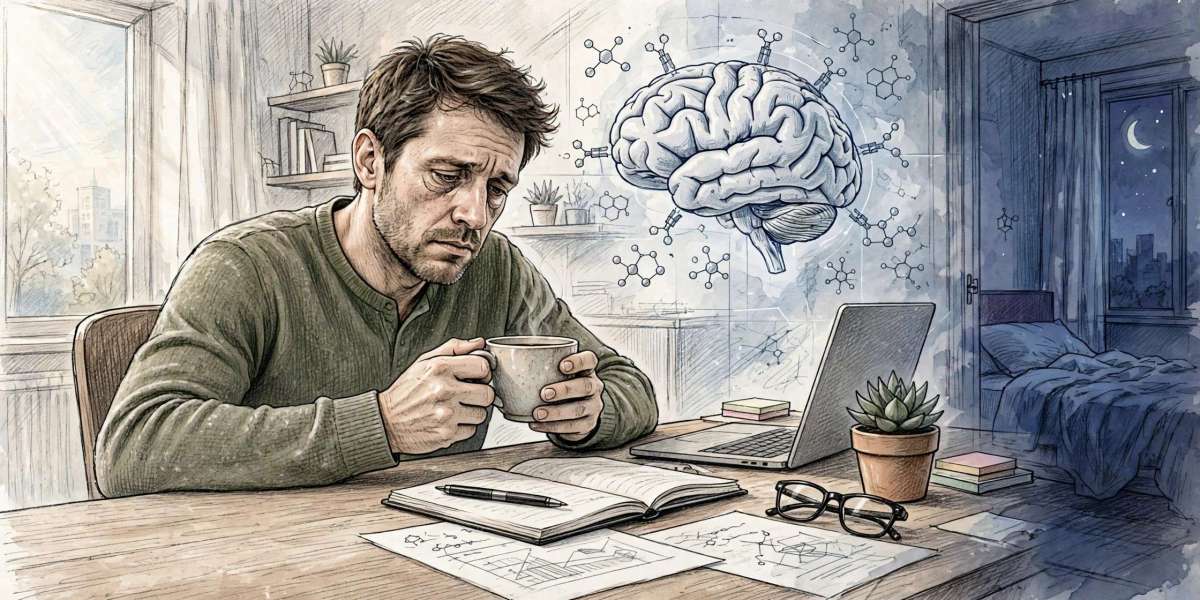
Blue Monday is often described as the most depressing day of the year, supposedly falling on the third Monday of January. Cold weather, post-holiday bills, broken New Year’s resolutions, and shorter daylight hours all combine to make this day feel especially heavy for many people.
But is Blue Monday real, or is it just a marketing myth that has taken on a life of its own? The answer lies somewhere in between. While the science behind Blue Monday is widely disputed, the feelings it highlights are very real—and understanding them can help us navigate January with more compassion and resilience.
The Origins of Blue Monday: A Marketing Formula Gone Viral
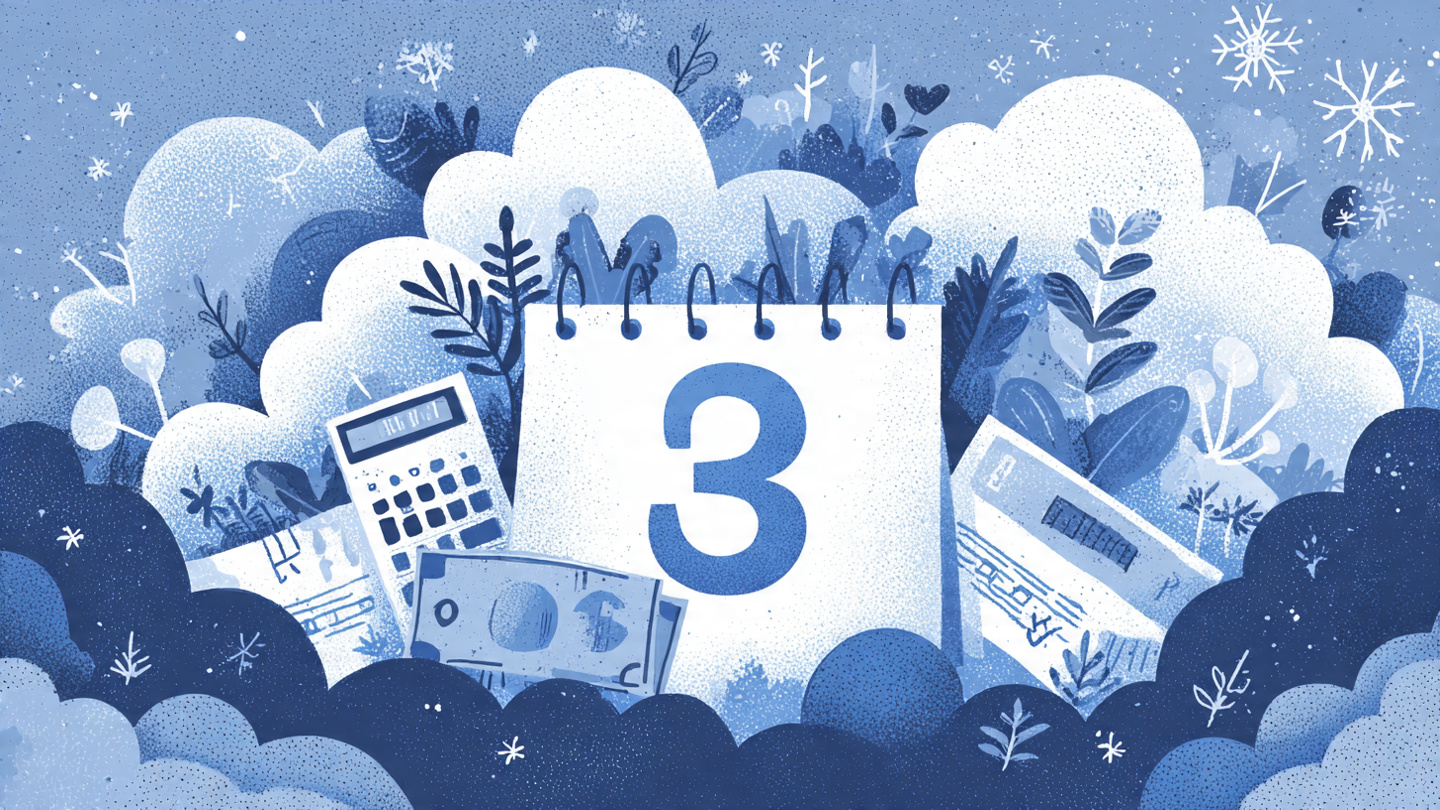
The term Blue Monday was coined in the mid-2000s by psychologist Dr Cliff Arnall. He created a formula that claimed to calculate the most depressing day of the year based on factors such as weather, debt, motivation levels, and time since Christmas. The idea was originally developed for a travel company looking to boost holiday sales during a slow season.
Even Arnall himself later distanced himself from the concept, encouraging people to challenge it rather than accept it as fact. Since then, scientists and psychologists have repeatedly stated that the formula has no credible scientific basis.
Despite this, Blue Monday continues to trend every year, especially on social media platforms like TikTok, where posts about it have increased dramatically in recent years.
Why Experts Say Blue Monday Is Pseudoscience

Many mental health professionals argue that labelling a single day as the “most depressing” can be misleading or even harmful. According to psychologists and researchers, there is no evidence that mental health referrals spike in January, nor that one specific Monday is worse than others.
Some people with anxiety or depression report that the label itself creates pressure or dread. Being told that a certain day is supposed to be miserable can increase stress and make people feel as though they should feel worse—even if they don’t.
However, experts also acknowledge that January can genuinely be difficult due to reduced sunlight, financial strain, and social withdrawal after the festive season.
The Unexpected Benefit: Starting Conversations About Mental Health

While the science behind Blue Monday may be flawed, several psychologists note that it has one valuable side effect: it gets people talking about mental health.
Campaigns like Brew Monday, promoted by mental health charities, encourage people to check in with friends or family over a cup of tea. These initiatives focus less on doom and more on connection—something research consistently shows improves wellbeing.
In this sense, Blue Monday can act as a reminder rather than a diagnosis.
Practical and Playful Ways to Lift Your Mood

Some approaches to Blue Monday are intentionally light-hearted. Novelty and humour can disrupt negative thought patterns and offer relief from January monotony.
Ideas shared in lifestyle coverage include doing something silly or unexpected, avoiding endless scrolling, booking a future trip without paying upfront, immersing yourself in films, books, or music, or even taking a duvet day when possible. These small acts can give the brain a break from routine and create moments of joy.
On the practical side, tackling boring but useful tasks—like sorting finances or switching providers—can also reduce stress and create a sense of control.
advertisement
What Happiness Experts Actually Do When They Feel Down

Interestingly, even world-leading happiness researchers admit they regularly feel low. Their strategies are not grand or unrealistic; they focus on basics backed by research.
Common themes include listening to music, spending time with friends, exercising in ways that feel accessible, and simply leaving the house. Many emphasise the importance of generosity, volunteering, or helping others, which studies show often increases happiness more than spending money on oneself.
Others recommend gratitude practices, reframing negative thoughts, meditation, or allowing emotions to pass without judgment. Nature walks, creative hobbies, and noticing small “glimmers” of joy—like sunlight or kindness from a stranger—can also calm the nervous system and improve mood.
Crucially, experts warn against toxic positivity. Feeling low from time to time is normal, and no one is happy all the time.
When Feeling Low Might Be Something More

Psychologists stress the importance of distinguishing between temporary low mood and clinical depression. If sadness, anxiety, or lack of motivation lasts more than a couple of weeks or interferes with daily life, professional support may be needed.
Speaking to a GP, therapist, or trusted support service can be a powerful step forward. Seeking help is not a failure—it’s a form of self-respect.
Conclusion: Rethinking Blue Monday With Perspective and Purpose

Blue Monday may be built on shaky science, but it reflects a shared human experience: winter can be hard. Instead of seeing it as a prophecy of gloom, it can be reframed as a moment to pause, check in with ourselves and others, and take small, meaningful steps toward better wellbeing.
Happiness doesn’t come from forcing positivity or fearing a date on the calendar. It grows through connection, movement, kindness, and patience—often in quiet, ordinary moments. Whether it’s Blue Monday or any other day, those tools remain available to us all.
Key Points Summary
Blue Monday is not scientifically proven, but winter-related low mood is common.
The concept originated as a marketing idea and has been widely criticised by experts.
Social connection, exercise, gratitude, and helping others are consistently effective mood boosters.
Feeling low occasionally is normal; persistent distress deserves professional support.
advertisement
Frequently Asked Questions (FAQ)
Is Blue Monday real?
No scientific evidence supports the idea that one specific day is the most depressing of the year.
Why do people feel worse in January?
Shorter daylight hours, cold weather, financial stress, and reduced social interaction all play a role.
Can Blue Monday be harmful?
For some people, the label can increase anxiety or pressure. For others, it opens helpful conversations.
What actually helps improve mood?
Exercise, social connection, volunteering, gratitude, and time in nature are strongly supported by research.
When should I seek professional help?
If low mood lasts more than two weeks or affects daily functioning, speaking to a healthcare professional is advised.
Sources
Irish Times – Lifestyle perspective and coping ideas around Blue Monday
https://www.irishtimes.com/life-style/2026/01/18/blue-monday-survival-tips-for-the-most-depressing-day-of-the-year/BBC News – Scientific criticism and mental health expert insights
https://www.bbc.com/news/articles/c24gzm9em5goThe Telegraph – Expert and science-backed strategies from happiness researchers
https://www.telegraph.co.uk/health-fitness/wellbeing/mental-health/what-happiness-experts-do-when-they-feel-down/
Thank you !