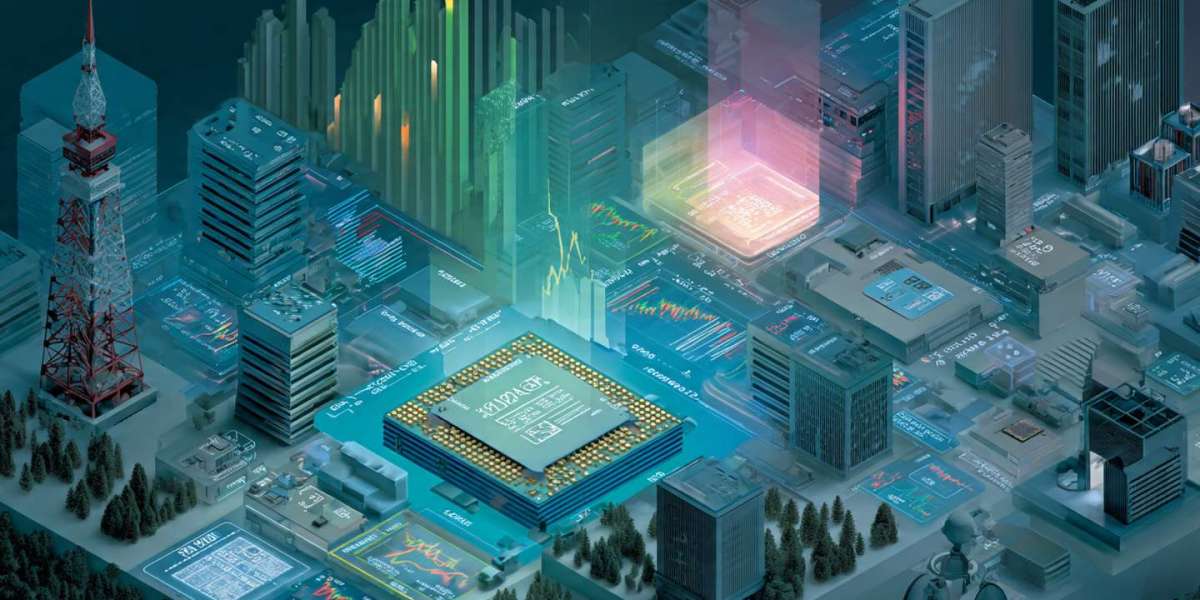

TSMC, Goldman Sachs, Verizon, and S&P 500 Today: AI Boom, Bank Profits, Market Volatility, and 2026 Stock Outlook
.jpeg)
Key Takeaways at a Glance
AI-driven semiconductor demand is pushing TSMC to record profits and aggressive global expansion.
Goldman Sachs is thriving on trading and wealth management strength despite revenue pressure from its Apple Card exit.
Verizon faces short-term stock pressure after a network outage, highlighting operational risks in telecom.
Wall Street analysts see potential upside for the S&P 500 in 2026, but with notable macroeconomic risks.
advertisement
Three Fast Market Insights
TSMC’s advanced chips now dominate revenue as AI servers fuel semiconductor growth.
Goldman Sachs benefits from volatile markets and rising client engagement.
Analysts forecast S&P 500 upside in 2026, driven by earnings strength and selective equity exposure.
Introduction
Stock market attention today is centered on a powerful mix of technology momentum, financial sector resilience, telecom challenges, and broader index expectations. Developments involving Taiwan Semiconductor Manufacturing Company (TSMC), Goldman Sachs (GS), Verizon (VZ), and the S&P 500 reflect how artificial intelligence, capital markets activity, infrastructure reliability, and macroeconomic forces are shaping investor sentiment. Together, these stories offer a snapshot of where U.S. and global markets may be heading in 2026.
TSMC Surges on AI Chip Demand
Taiwan Semiconductor Manufacturing Company delivered another record-breaking quarter, reporting a 35% year-over-year jump in fourth-quarter profit. Revenue exceeded NT$1 trillion, driven largely by booming demand for artificial intelligence chips used in servers and high-performance computing applications.
According to the company, advanced chips measuring 7 nanometers or smaller accounted for 77% of total wafer revenue during the quarter, underscoring the industry’s rapid shift toward cutting-edge manufacturing. Executives guided for continued growth into the current quarter, citing sustained demand for leading-edge process technologies and expanding margins.
TSMC’s leadership also emphasized its aggressive push into next-generation 2-nanometer production, alongside capital expenditures projected between $52 billion and $56 billion in 2026. Analysts at Counterpoint Research believe this expansion positions TSMC for another strong year, although some caution remains around weaker demand from consumer electronics such as smartphones and PCs.
Global expansion is another key theme. TSMC is accelerating projects in Arizona, Japan, and Europe to diversify production and mitigate geopolitical and tariff-related risks. However, management acknowledged that overseas fabs may operate at lower margins compared to its Taiwan-based facilities.
Goldman Sachs Beats Expectations Despite Revenue Dip
Goldman Sachs reported fourth-quarter profits that surpassed Wall Street expectations, even as revenue declined slightly. Profit rose 12% from a year earlier, supported by strong performances in equities trading, fixed income, and investment banking.
Equities trading stood out as a major driver, benefiting from higher market volatility, hedge fund activity, and institutional demand for derivatives and financing solutions. Fixed income trading and investment banking fees also posted solid gains, while asset and wealth management exceeded expectations despite mixed investment results.
The revenue decline was largely attributed to Goldman’s exit from the Apple Card business, which involved off-loading its loan portfolio to JPMorgan Chase. Despite this headwind, the firm’s leadership expressed confidence that momentum will accelerate in 2026 as client engagement remains high and capital markets activity rebounds further.
Verizon Shares Slip After Network Outage
Verizon shares dipped modestly following the resolution of a nationwide wireless network outage in the United States. The company announced that it had fixed the issue and would provide account credits to affected customers as compensation.
While the stock’s decline was relatively limited, the incident highlighted the sensitivity of telecom stocks to operational disruptions. Offering credits is seen as a move to preserve customer trust, but investors remain attentive to service reliability in a highly competitive industry.
S&P 500 Outlook: Cautious Optimism for 2026
Looking at the broader market, analysts at Morgan Stanley Wealth Management project that the S&P 500 could deliver roughly 10% upside in 2026, supported by strong corporate earnings and productivity gains. They forecast the index trading in the 7,500 to 7,800 range, compared with levels below 7,000 at the start of the year.
However, the outlook is not without risks. The analysts argue that the consumer impact of recent fiscal stimulus may be overstated, while elevated credit levels and affordability pressures could weigh on growth. They also expect the adoption of artificial intelligence to progress more slowly than many investors anticipate.
Additional risks include higher inflation, a weaker U.S. dollar, and a steepening yield curve as the Federal Reserve shifts focus toward balance sheet accommodation rather than rate cuts. In response, the firm is emphasizing large-cap, high-quality equities with pricing power and reducing fixed income exposure.
Conclusion
From AI-driven semiconductor breakthroughs to resilient investment banking profits, short-term telecom challenges, and a cautiously optimistic market outlook, today’s developments paint a complex but opportunity-rich picture for investors. TSMC’s dominance in advanced chip manufacturing highlights how artificial intelligence continues to reshape global supply chains. Goldman Sachs demonstrates how volatility and engagement can translate into profit, even amid strategic exits. Verizon’s experience serves as a reminder that operational execution remains critical, while the S&P 500 outlook suggests that selective positioning and quality exposure may define success in 2026.
For investors willing to look beyond headlines and focus on long-term fundamentals, these stories collectively signal that innovation, adaptability, and disciplined strategy remain the most powerful drivers of sustainable market performance.
Key Points Summary
TSMC posted record profits on strong AI chip demand and plans massive global expansion.
Goldman Sachs exceeded profit expectations thanks to trading and investment banking strength.
Verizon stock slipped after a network outage, reflecting operational risk concerns.
Analysts see potential S&P 500 upside in 2026 but warn of inflation and credit headwinds.
advertisement
Frequently Asked Questions (FAQ)
Why is TSMC benefiting so much from AI?
AI servers require advanced chips with high performance and energy efficiency, areas where TSMC leads globally.
Did Goldman Sachs’ revenue decline signal weakness?
Not necessarily. The decline was largely due to its exit from the Apple Card business, while core trading and banking units remained strong.
Will Verizon’s outage have long-term effects on the stock?
The impact appears short-term, but repeated disruptions could affect customer loyalty and investor confidence.
Is the S&P 500 expected to rise in 2026?
Some analysts forecast around 10% upside, though risks such as inflation and slower AI adoption remain.
What sectors may perform best in 2026?
Large-cap, high-quality equities with pricing power and exposure to capital spending are favored by some analysts.
Sources
CNBC – TSMC Q4 earnings and AI-driven growth
https://www.cnbc.com/2026/01/15/tsmc-q4-profit-record-ai-chip-demand-nt1-trillion.htmlCNBC – Goldman Sachs fourth-quarter earnings report
https://www.cnbc.com/2026/01/15/goldman-sachs-gs-q4-2025-earnings.htmlGuruFocus – Verizon stock reaction to network outage resolution
https://www.gurufocus.com/news/4113207/verizon-vz-stock-dips-amid-network-outage-resolutionInvesting.com – Analyst outlook for S&P 500 performance in 2026
https://www.investing.com/news/economy-news/these-analysts-say-2026-should-deliver-some-upside-for-sp-500-heres-why-4449216
Thank you !