
High Screen Time Limits in Young Children: How Much is Too Much?

Quick Take / Key Points:
Excessive screen time in toddlers (around five hours daily) can significantly reduce vocabulary and affect early learning.
Interactive activities like reading, singing, and face-to-face play are more effective for language development than passive screen use.
UK government guidance for parents of under-fives is coming soon, offering practical strategies to balance screen use and healthy growth.
advertisement
Introduction
In today’s digital age, screens are a part of daily family life. From tablets to televisions, children are exposed to digital devices at increasingly younger ages. Recent research from England reveals that excessive screen time in toddlers may impact their language development, attention span, and learning abilities. This article explores current findings, government initiatives, and practical strategies for parents seeking to manage screen use effectively.
The Link Between Screen Time and Language Development

Government research in England found that nearly 98% of children under two use screens daily. Alarmingly, toddlers with the highest screen time—around five hours per day—demonstrated significantly smaller vocabularies compared to peers with lower screen exposure, who averaged 44 minutes daily. According to the study, early exposure to interactive communication, like face-to-face conversations, reading, and play, is critical for vocabulary growth.
Felicity Gillespie, director of the charitable foundation Kindred Squared, emphasized that screens can interfere with natural learning, which thrives on singing, chatting, and observing facial expressions.
Government Guidance on Screen Use
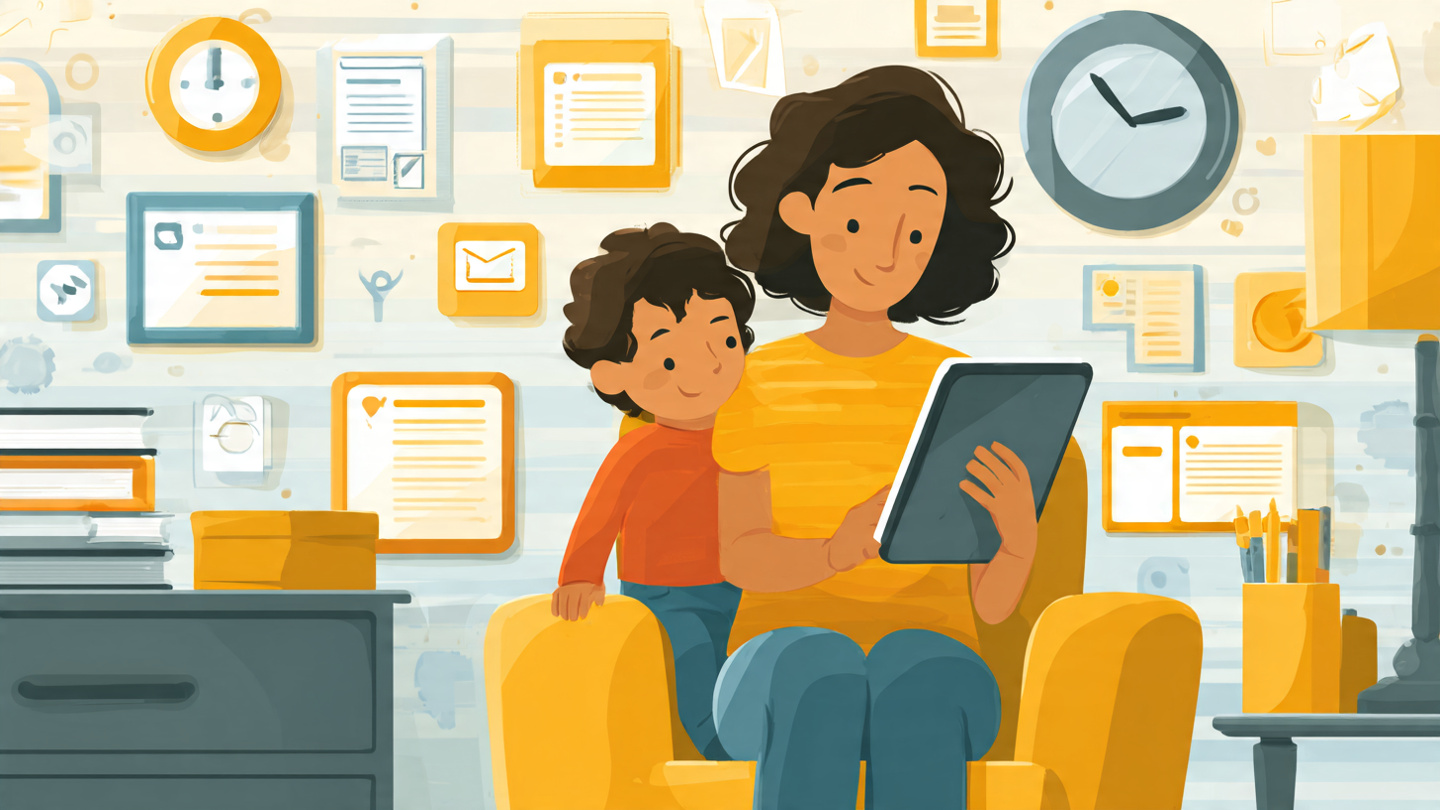
Recognizing the risks of excessive screen time, the UK government plans to issue official guidance for parents of under-fives in April 2026. A national working group, led by Children’s Commissioner Dame Rachel de Souza and Department for Education adviser Professor Russell Viner, is consulting with parents, educators, and children to develop practical recommendations.
Education Secretary Bridget Phillipson highlighted that screens are not inherently harmful but stressed that the question is how to use them well. She suggested strategies like reading stories or using educational games on tablets rather than passive viewing.
Socioeconomic Differences in Early Learning

The research also uncovered a disparity in literacy opportunities. By age two, 77% of children in high-income families are read to daily, compared to only 32% in lower-income families. This gap suggests that socioeconomic factors can influence early language acquisition alongside screen exposure, highlighting the need for guidance that reaches all families.
Expert Opinions and Conflicting Perspectives
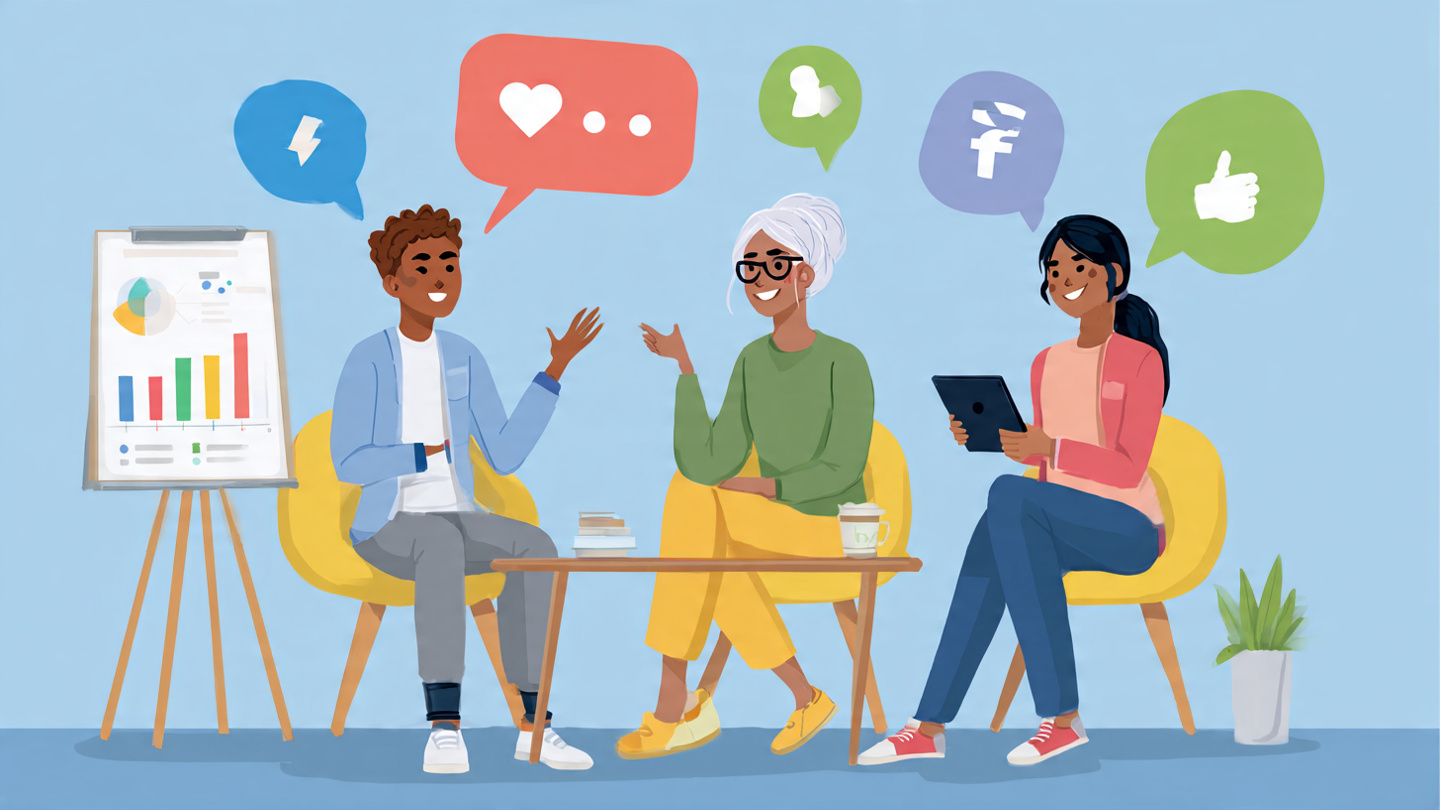
While most experts agree that excessive screen time can hinder early development, some suggest that moderate, educational use may offer benefits. Neil Leitch of the Early Years Alliance recommended that screen-time guidance be part of a broader framework covering digital literacy and online safety.
Politicians are also weighing in, with proposals to limit social media access for under-16s and restrict smartphones in classrooms. Shadow Education Secretary Laura Trott argues these measures could protect children from online harm, while former Prime Minister Rishi Sunak cautioned that no single solution will address the complex challenges posed by digital distractions.
Practical Tips for Parents
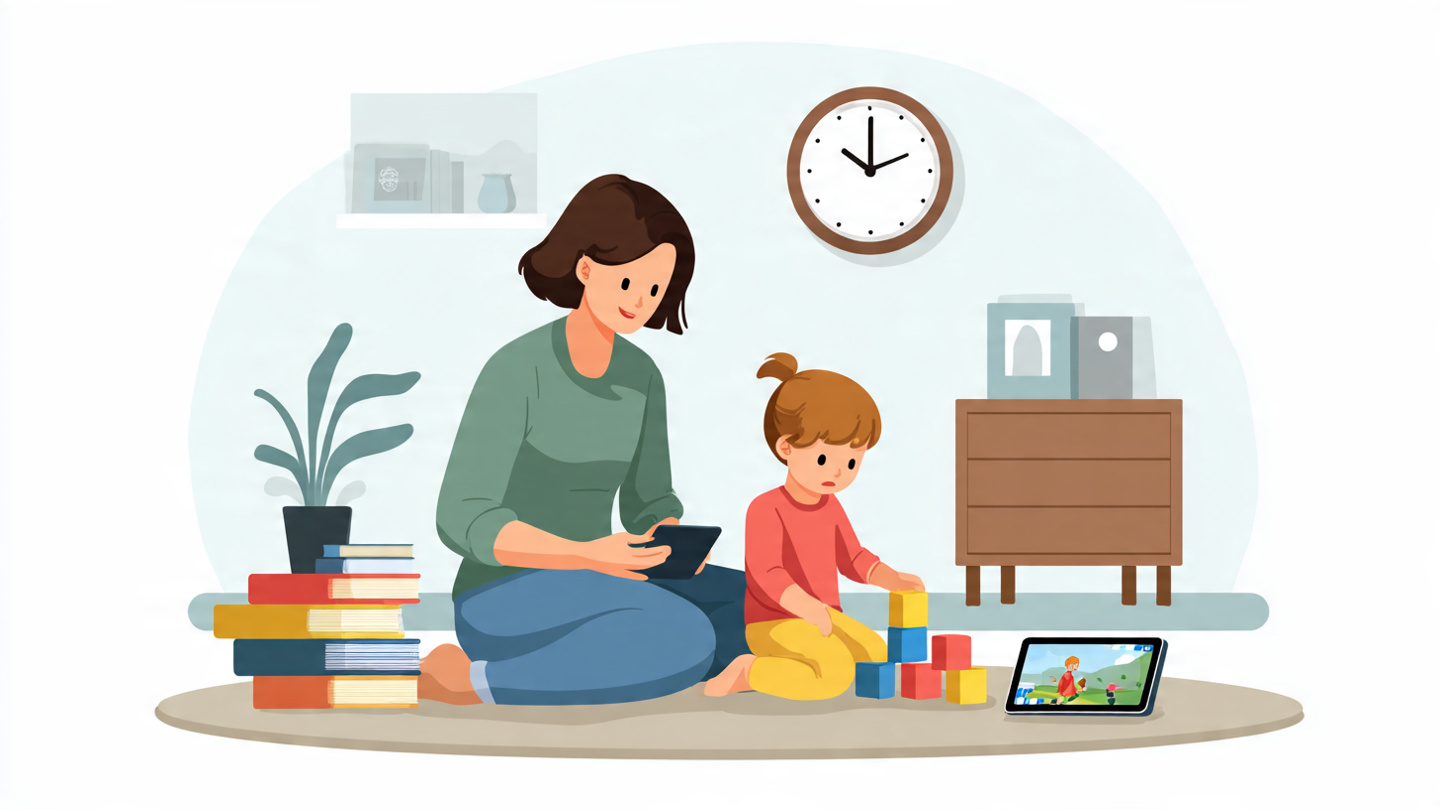
Parents seeking to manage their child’s screen exposure can adopt several strategies:
Set daily limits on screen time, especially for children under five.
Encourage interactive activities like reading, singing, and imaginative play.
Use educational apps sparingly rather than allowing passive viewing.
Create screen-free zones and times, such as during meals or bedtime.
Model healthy digital habits by limiting personal device use around young children.
These steps can help children develop attention, social skills, and language proficiency while still benefiting from technology in moderation.
Conclusion
High screen time in toddlers is a growing concern with real consequences for language development and early learning. However, with practical guidance, awareness of socioeconomic factors, and mindful technology use, parents can help their children thrive in a digital world. The key is balance: screens can support learning, but they should never replace the vital human interaction that nurtures young minds. By embracing informed strategies, families can ensure that technology enhances rather than hinders early childhood development.
Key Points
Nearly all children under two use screens daily in England.
Excessive screen time (around five hours/day) is linked to smaller vocabularies.
Government guidance on under-five screen time is expected in April 2026.
Reading, play, and face-to-face interaction are critical for early language development.
Socioeconomic disparities influence literacy and screen habits.
Balanced screen use and educational activities are recommended for toddlers.
advertisement
Frequently Asked Questions (FAQ)
Q1: How much screen time is safe for toddlers?
A1: While official guidance is forthcoming, experts suggest limiting toddlers to under one hour of quality screen content daily, prioritizing interactive and educational activities.
Q2: Can educational apps be beneficial?
A2: Yes, when used sparingly and interactively, educational apps can support learning, but they should not replace reading, conversation, and play.
Q3: Does screen time affect all children equally?
A3: Screen time impacts vary depending on age, family habits, and socioeconomic factors. Children in lower-income families may face higher developmental risks if screen time replaces literacy activities.
Q4: How can parents encourage healthy digital habits?
A4: Create screen-free times and spaces, engage children in interactive play, model balanced device use, and involve children in offline activities like reading and singing.
Q5: Are there government initiatives to regulate screen time for children?
A5: Yes, the UK government is developing guidance for under-fives, while some politicians propose broader policies to limit social media and smartphone use in schools.
Sources
BBC News – Research finds high screen time limits vocabulary in toddlers and informs upcoming UK government guidance.
https://www.bbc.co.uk/news/articles/c041e9xn3leo.amp
Thank you !